Reverse Logistics: The $1.1 Trillion Opportunity

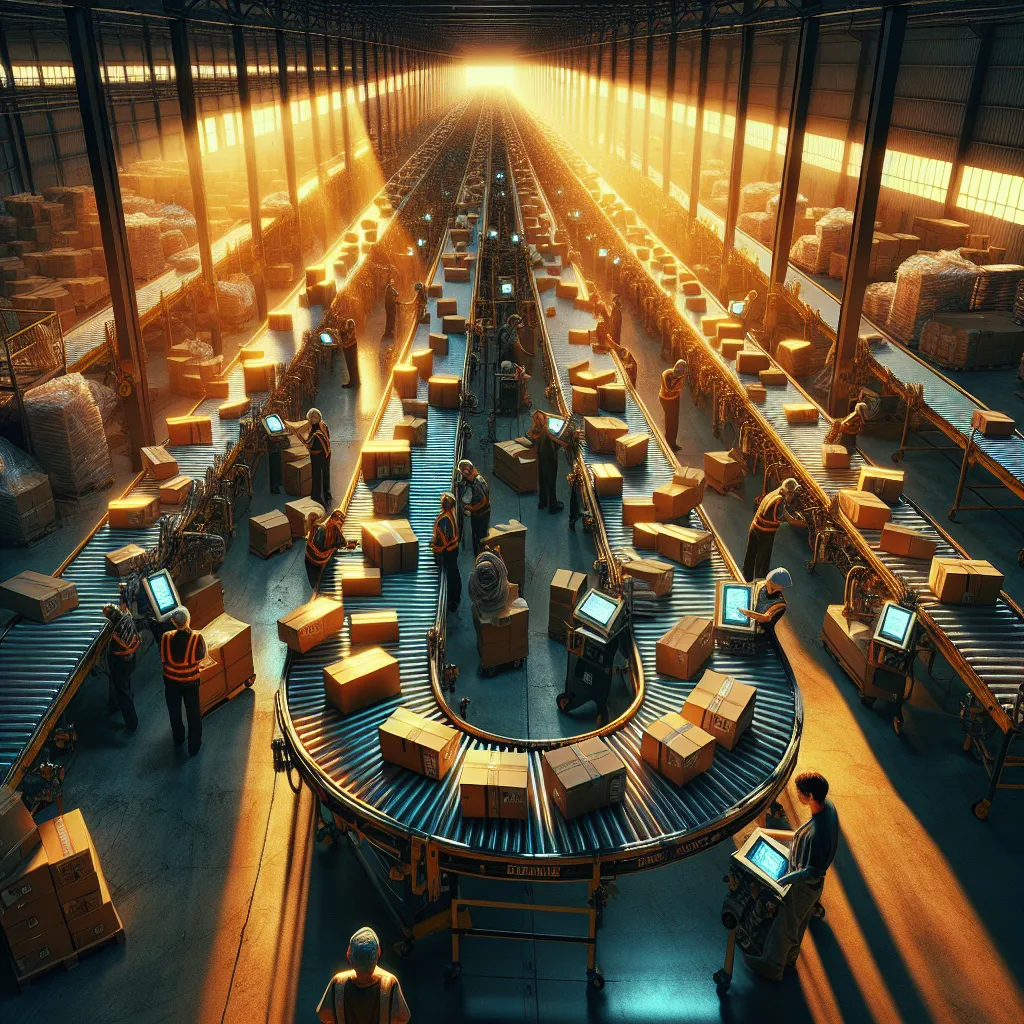
Returns used to be the part of logistics that companies tolerated—a necessary evil of doing business. Not anymore. In 2026, reverse logistics has become one of the fastest-growing segments of the supply chain industry, and forward-thinking companies are treating it as a strategic asset rather than a cost center.
The $1.1 Trillion Transformation
The numbers tell a compelling story. According to Fortune Business Insights, the global reverse logistics market was valued at $768.59 billion in 2023 and is projected to grow to $1,166.81 billion by 2032—a compound annual growth rate that outpaces traditional forward logistics. This explosive growth is driven by two converging forces: the e-commerce boom and increasingly urgent sustainability mandates.
E-commerce returns rates continue to climb, with some product categories seeing return rates as high as 30-40%. According to Logistics Management, the e-commerce boom has made reverse logistics "a critical component of modern business operations," driving companies to develop innovative strategies for managing returns effectively. What was once viewed as lost revenue is now recognized as an opportunity for customer retention, product recovery, and environmental stewardship.
Major Players Are Doubling Down
FedEx's recent strategic pivot illustrates how seriously logistics leaders are taking this opportunity. In January 2026, the carrier announced it's prioritizing simplicity and seamlessness in its reverse logistics services, including Easy Returns and Branded Returns capabilities. Through their fdx platform, FedEx is enabling high-volume merchants to manage returns directly on their websites, integrate branded tracking, and even manage exchanges and inventory—transforming the returns experience from friction point to engagement opportunity.
The message is clear: returns aren't just about getting products back. They're about maintaining customer relationships and capturing value throughout the entire product lifecycle.
The Circular Supply Chain Revolution
Modern reverse logistics extends far beyond simple returns processing. It encompasses the entire circular economy model:
Returns Management: Efficient processing of customer returns with rapid determination of next steps—resale, refurbishment, or recycling.
Refurbishment & Repair: Extending product lifecycles through professional repair and remanufacturing, creating secondary revenue streams from returned inventory.
Recycling & Material Recovery: Extracting value from products that can't be resold by recovering materials for reuse in manufacturing, reducing the need for virgin raw materials.
Reusable Packaging Systems: Implementing returnable packaging that circulates through the supply chain dozens or hundreds of times, transforming logistics from a disposable model to a sustainable asset. Companies implementing reusable packaging programs report cost reductions of 20-30% compared to single-use alternatives.
This closed-loop approach isn't just environmentally responsible—it's economically advantageous. Recovering and repurposing products through reverse logistics reduces manufacturing costs and creates new revenue streams from refurbished goods and recycled materials.
The Technology Integration Challenge
The complexity of managing bidirectional flows—products moving both forward and backward through the supply chain—requires sophisticated technology integration. Modern transportation management systems must handle:
- Dual-direction routing optimization that considers both outbound deliveries and return pickups
- Real-time inventory visibility across forward warehouses, returns centers, and refurbishment facilities
- Automated disposition decisions that route returned products to the optimal next destination
- Cross-docking capabilities that can quickly consolidate returns and redirect them without storage delays
- Carbon footprint tracking for sustainability reporting and optimization
Without proper TMS integration, companies struggle to capture the full value of their reverse logistics operations. Products sit in returns queues too long, refurbishment opportunities are missed, and the environmental benefits of circular logistics remain unrealized.
How CXTMS Orchestrates Bidirectional Logistics
CXTMS was built from the ground up to handle the complexities of modern supply chains—including the critical reverse flow that many legacy systems treat as an afterthought. Our platform provides:
Unified visibility across your entire logistics network, whether products are moving forward to customers or backward through returns channels. Track shipments, returns, and refurbished inventory in a single dashboard.
Intelligent routing that optimizes for both outbound and inbound flows, reducing empty miles and maximizing vehicle utilization by combining deliveries with return pickups.
Automated workflows that instantly classify returned products and route them to the appropriate next step—immediate resale, refurbishment, recycling, or disposal—based on condition, demand, and profitability.
Sustainability metrics that measure and report on the environmental impact of your circular supply chain initiatives, supporting both regulatory compliance and ESG goals.
Seamless carrier integration that works with your existing logistics partners, including the major carriers now offering enhanced returns services like FedEx's new platform.
The Strategic Imperative
As the reverse logistics market approaches the $1.2 trillion mark and sustainability pressures intensify, companies that treat returns as a strategic capability will have a significant competitive advantage. The question isn't whether to invest in reverse logistics—it's how quickly you can transform returns from a cost center into a value driver.
The technology, the market opportunity, and the customer expectations are all aligned. The companies that move first will capture both the economic and environmental benefits of the circular supply chain revolution.
Ready to transform your reverse logistics operations? Contact CXTMS for a demo and discover how our platform can help you capture the full value of your circular supply chain.