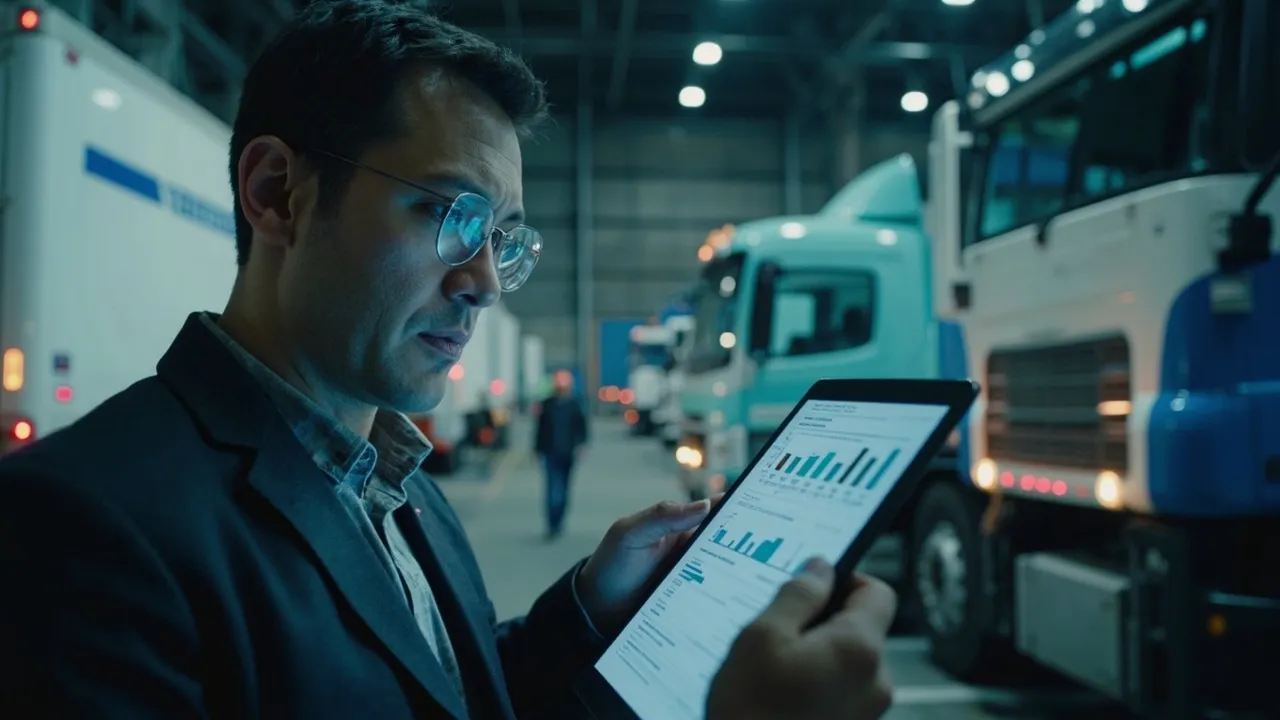
Cold Chain Logistics in 2026: 5 Trends Reshaping Temperature-Controlled Supply Chains

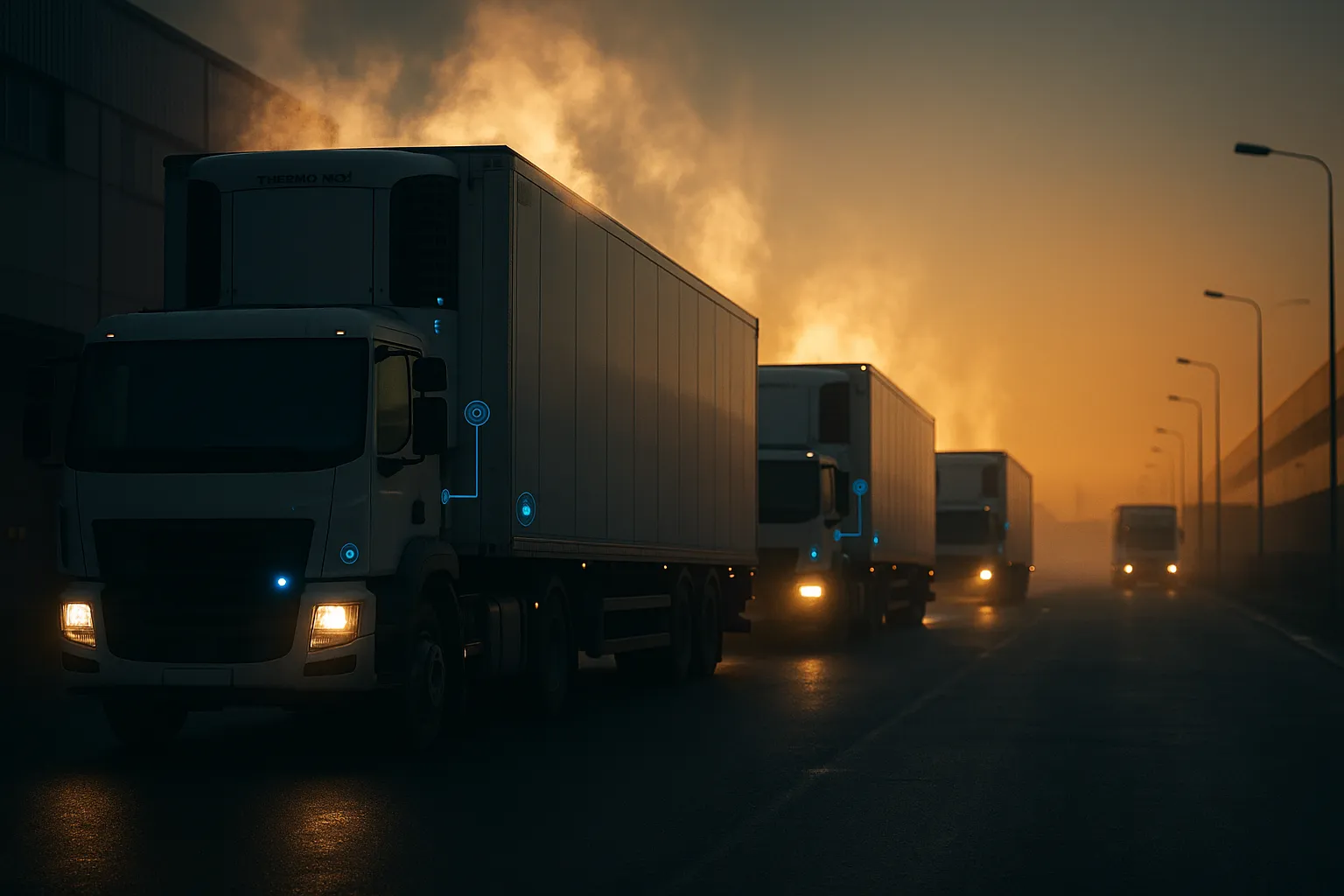
The global cold chain logistics market is surging—valued at $371 billion in 2024 and projected to exceed $780 billion by 2030. For shippers managing temperature-sensitive cargo, staying ahead of these shifts isn't optional. Here's what's driving the transformation.
The Stakes Have Never Been Higher
Cold chain failures cost the pharmaceutical industry alone $35 billion annually, according to IQVIA research. The World Health Organization estimates that nearly 50% of vaccines are wasted globally due to improper temperature management. In food logistics, the numbers are equally staggering—144 million tons of food loss could be prevented in developing countries with proper cold storage infrastructure.
These aren't abstract statistics. They represent spoiled medications, wasted produce, and missed revenue. The pressure to get cold chain right is intensifying from every direction: regulatory bodies, sustainability mandates, and consumer expectations.
1. IoT and Real-Time Visibility Become Non-Negotiable
The days of checking temperatures at pickup and delivery are over. Modern cold chain operations demand continuous monitoring with IoT sensors that track temperature, humidity, location, and even door-open events in real time.
What's changed in 2026:
- Predictive analytics now flag potential excursions before they happen, not after
- Automated alerts trigger corrective actions within minutes of detecting anomalies
- Cloud-based dashboards give shippers and carriers unified visibility across the entire chain
- Blockchain integration creates immutable records for compliance documentation
For pharmaceutical shipments following GDP (Good Distribution Practice) guidelines, real-time monitoring isn't just best practice—it's a regulatory requirement. Companies without robust IoT infrastructure are finding themselves locked out of high-value contracts.
2. Sustainability Pressure Transforms Fleet Operations
Here's a number that gets attention: refrigeration units on temperature-controlled trucks contribute up to 40% of total vehicle emissions. As sustainability reporting becomes mandatory across more jurisdictions, cold chain operators face mounting pressure to decarbonize.
The response is multi-pronged:
- Electric transport refrigeration units (eTRUs) are replacing diesel-powered systems
- Route optimization reduces both fuel consumption and time-in-transit
- Phase-change materials and advanced insulation decrease active cooling requirements
- Solar-assisted refrigeration is gaining traction for last-mile delivery
A pilot program in India demonstrated that optimizing cold chain infrastructure reduced kiwi fruit losses by 76% while cutting emissions through more efficient refrigeration. University of Michigan research suggests that improved cold chains globally could reduce food waste-related greenhouse gas emissions by 41%.
The business case is clear: sustainability investments often pay for themselves through reduced spoilage and lower operating costs.
3. Pharmaceutical Cold Chain Complexity Intensifies
The pharmaceutical sector's cold chain requirements have grown increasingly demanding. Cell and gene therapies often require ultra-cold storage at -80°C or cryogenic conditions below -150°C. mRNA vaccines and biologics need precise temperature windows with zero tolerance for excursions.
Key developments:
- Multi-modal tracking maintains chain of custody across air, sea, and ground transport
- Specialized packaging validation ensures thermal performance under real-world conditions
- 24/7 control towers provide human oversight for high-value shipments
- Excursion management protocols have evolved from reactive to proactive
Regulatory scrutiny continues to increase. The FDA, EMA, and other authorities enforce GDP guidelines specifying exactly how temperature-sensitive medicines must be handled, transported, and stored. Non-compliance can result in product seizures, penalties, or license suspensions.
4. Last-Mile Cold Chain Gets Smarter
E-commerce growth in groceries and meal kits has pushed cold chain demands into the last mile—traditionally the hardest segment to control. Direct-to-consumer pharmaceutical deliveries add another layer of complexity.
Innovations addressing this challenge:
- Smart lockers with built-in refrigeration for contactless pickup
- Reusable insulated containers with return logistics built in
- Dynamic routing that accounts for traffic, weather, and delivery time windows
- Micro-fulfillment centers positioned closer to end consumers
The goal is maintaining temperature integrity from warehouse to doorstep, even when the "warehouse" is a delivery van making 50 stops.
5. Data Integration Breaks Down Silos
Cold chain visibility historically suffered from fragmented data—carriers used one system, warehouses another, and shippers a third. Temperature logs existed in PDFs or proprietary formats that couldn't communicate.
The 2026 cold chain runs on integrated data:
- API-first platforms connect TMS, WMS, and IoT systems seamlessly
- Standardized data formats enable interoperability across partners
- Machine learning models identify patterns in excursion data to prevent future incidents
- Automated compliance reporting generates documentation without manual intervention
For shippers managing complex cold chain networks, the ability to aggregate and analyze data across all partners has become a competitive advantage—not just for operations, but for identifying cost savings and service improvements.
What This Means for Your Operations
The cold chain logistics market isn't just growing—it's fundamentally changing how temperature-sensitive goods move through supply chains. Companies that treat cold chain as a cost center rather than a strategic capability will find themselves at a disadvantage.
The winners in this space share common traits: they invest in real-time visibility, they treat sustainability as an operational priority rather than a compliance checkbox, and they build data infrastructure that enables continuous improvement.
Whether you're shipping produce, pharmaceuticals, or frozen goods, the question isn't whether to modernize your cold chain approach—it's how quickly you can do it.
Managing temperature-sensitive shipments? Contact CXTMS to see how our TMS platform handles cold chain visibility and compliance.