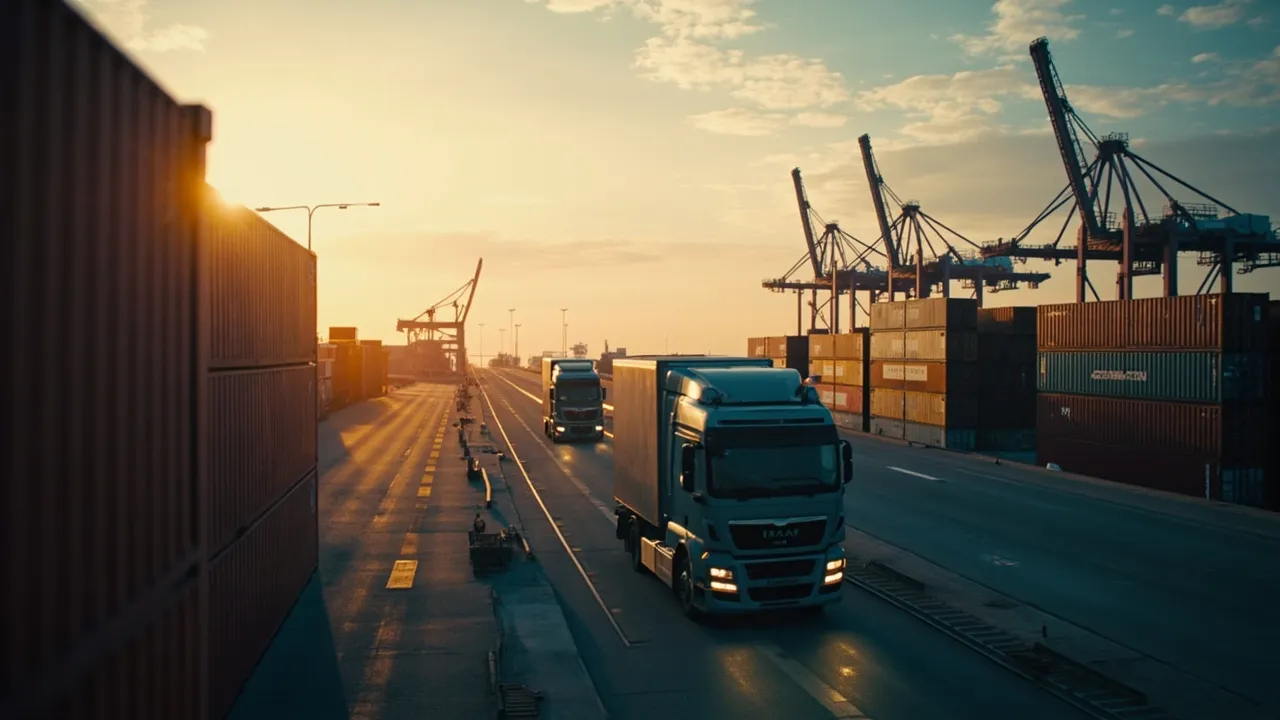
Persian Gulf Port Congestion Cascade: How Hormuz Diversions Are Creating Secondary Bottlenecks at Jebel Ali and Sohar

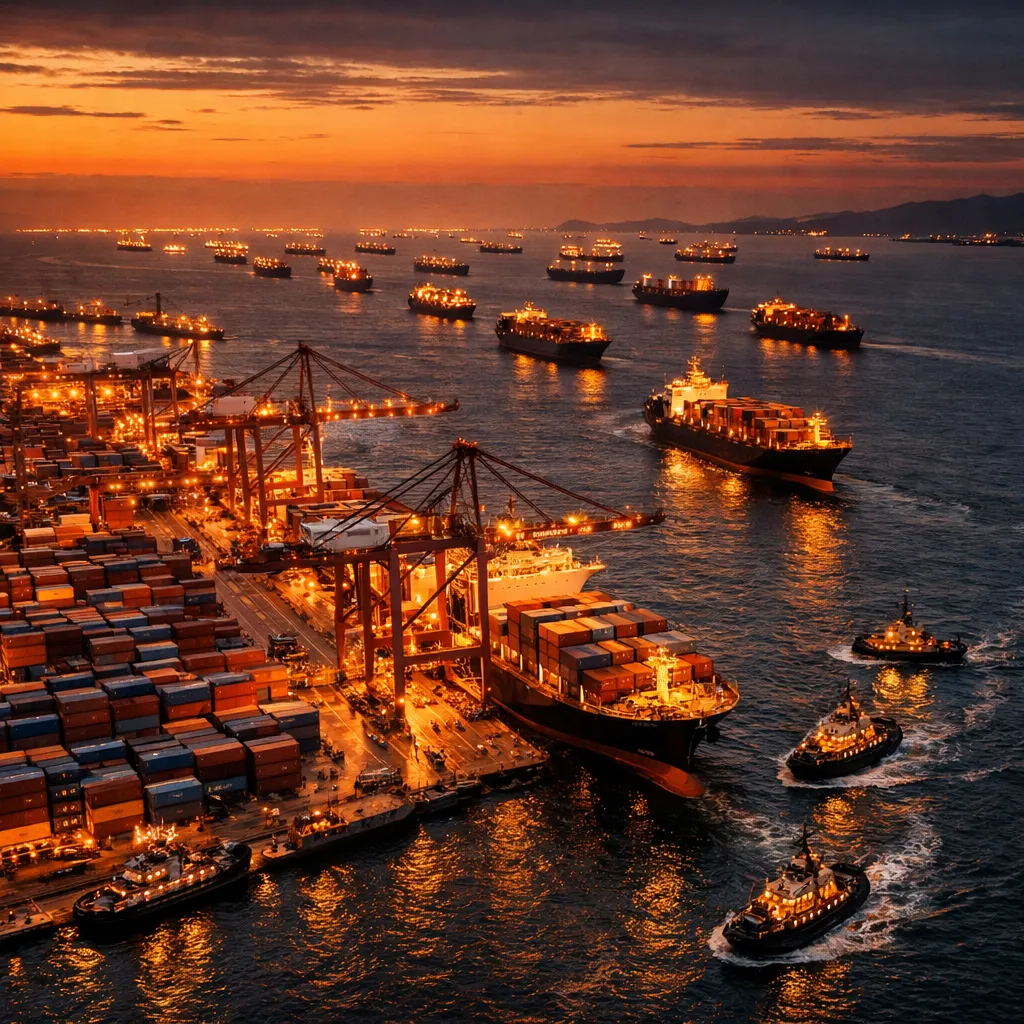
The Strait of Hormuz crisis that began on February 28, 2026, has evolved beyond its initial shock phase into something supply chain professionals need to understand urgently: a secondary congestion cascade that is overwhelming ports across the entire Persian Gulf region and beyond. While the world focuses on the geopolitical headlines, a quieter logistics disaster is unfolding at container terminals from Oman to Pakistan.
The Cascade Effect: When Diversions Create New Bottlenecks
When Iran's Islamic Revolutionary Guard Corps effectively closed the Strait of Hormuz following joint U.S.-Israeli strikes, the immediate impact was clear — vessels couldn't transit. But the secondary effect is proving equally disruptive: every ship that diverts from its original routing needs somewhere else to go.
Several key Persian Gulf ports — including Jebel Ali, Abu Dhabi, Doha, and Kuwait — halted or severely limited operations due to security concerns. While some have since resumed partial activity, the damage to shipping networks was already done. Containers that had already departed Asia before booking suspensions were announced are now being redirected en masse to the nearest viable alternatives.
The result is a congestion cascade that is overwhelming facilities never designed to handle this volume of diverted cargo.
Congestion by the Numbers: A Regional Breakdown
The data paints a stark picture of the strain on alternative ports:
- Sohar, Oman: Operating at full congestion with average vessel waiting times of nearly six days — a port that normally processes cargo smoothly is now backed up as ships pile in from the Gulf
- Khor Fakkan, UAE: Also at full congestion levels, handling diverted traffic from Jebel Ali and other Gulf ports, despite a capacity of only 5 million TEUs
- Karachi, Pakistan: Running at roughly 80% congestion with ships waiting an average of 2.5 days to berth
- Nhava Sheva, India: Approximately 57% congested with 2.8-day average waits
- Mundra, India: Around 55% congested with two-day waiting times
- Aden, Yemen: Delays have surged to approximately 88% congestion with staggering average waits of nine days
Meanwhile, inside the Gulf itself, an estimated 200,000+ TEUs of container capacity remain stranded, creating a ripple effect that threatens equipment availability across Asia.
Carrier Booking Suspensions Compound the Problem
Major carriers have responded to the crisis by suspending bookings across the entire region. Maersk, CMA CGM, and Mediterranean Shipping Co. have all suspended or shifted vessel services to Persian Gulf ports.
CMA CGM introduced Emergency Conflict Surcharges of $2,000 per 20-foot container, $3,000 per 40-foot, and $4,000 per refrigerated container. These surcharges cover not just Gulf destinations but extend to all Red Sea ports in Saudi Arabia, Egypt, Jordan, Djibouti, Sudan, and Eritrea.
Xeneta analyst Peter Sand put the situation in context: carriers are now omitting Gulf port calls entirely on east-west services and dropping containers at "least-worst alternative" ports for onward trucking — a fundamentally inefficient workaround that drives up costs and transit times.
The Jebel Ali Paradox
Jebel Ali, the Middle East's busiest container port with 15.6 million TEUs handled last year, presents a paradox. According to Reuters, DP World confirms the port remains "fully operational" with no infrastructure damage — yet inbound vessel traffic has dropped sharply because ships cannot safely or affordably transit the Strait of Hormuz to reach it.
This creates an unusual situation: a world-class port sitting partly idle while smaller facilities in Oman and the eastern UAE coast buckle under diverted volumes. UAE ports outside the strait — Khorfakkan at 5 million TEU capacity and Fujairah at less than 1 million — simply cannot compensate for lost Jebel Ali throughput.
DP World CEO Yuvraj Narayan indicated the company expects rising volumes at its Red Sea terminals, including Jeddah in Saudi Arabia and Sokhna in Egypt, as carriers seek alternative routing. But this merely shifts the congestion problem rather than solving it.
Impact on South Asian Supply Chains
The congestion cascade is hitting South Asian supply chains particularly hard. Freight rates from Asia to India have surged nearly 30% since the conflict began, while rates to East Mediterranean ports have climbed approximately 11%. Carriers have layered additional surcharges of $2,500 to $3,500 per TEU on top of these elevated base rates.
For shippers serving India, Pakistan, and Bangladesh, the challenge is compounded by the fact that the Persian Gulf region is predominantly an import market for containerized goods. Vessels typically unload full containers and reload empties for repositioning back to Asian manufacturing hubs. With vessels and containers now trapped in Gulf ports, the region faces a growing empty container shortage that could disrupt export operations across Asia for months.
What Shippers Need to Do Now
The Hormuz congestion cascade requires immediate tactical adjustments:
-
Map your Gulf exposure: Identify every shipment with origin or destination ports that transit Hormuz. Include indirect exposure through transshipment hubs like Colombo, Singapore, and Tanjung Pelepas that are now absorbing redirected cargo.
-
Secure alternative routing early: Ports like Khor Fakkan and Sohar are already at capacity. Shippers who wait to reroute will face even longer delays. Consider whether overland options from Red Sea ports are viable for your cargo type.
-
Budget for surcharges now: With emergency conflict surcharges of $2,000-$4,000 per container on top of elevated base rates, landed costs for Gulf-destined cargo have increased 40-60% in under two weeks.
-
Monitor equipment availability: The 200,000+ TEUs stranded in the Gulf will create container shortages at Asian origin ports. Pre-position equipment or secure container commitments before the shortage intensifies.
-
Diversify port strategies: Relying on a single Gulf port — especially one behind Hormuz — is now an unacceptable single point of failure. Build redundancy into your port selection strategy.
How CXTMS Helps Navigate the Congestion Cascade
The Persian Gulf crisis demonstrates exactly why real-time freight visibility and dynamic route optimization matter. CXTMS provides shippers with live congestion monitoring across port networks, automated surcharge tracking, and route optimization that accounts for real-time geopolitical risk factors.
When disruptions cascade across regions — as they are doing right now — the ability to see your entire freight network in real time and make data-driven rerouting decisions is the difference between managing the crisis and being overwhelmed by it.
Ready to build disruption resilience into your supply chain? Request a CXTMS demo today and see how real-time visibility transforms crisis response from reactive firefighting to proactive risk management.