March 2026 Port/Rail Freight Index: Why Fresh Geopolitical Uncertainty Is Derailing Trade Stabilization Just as Shippers Started to Breathe

Just when supply chain managers were cautiously optimistic about normalizing freight markets, March 2026 has delivered a sharp reminder that geopolitical risk doesn't follow seasonal patterns. The latest ITS Logistics U.S. Port/Rail Ramp Freight Index, released March 5, paints a picture of a freight market caught between stabilizing fundamentals and escalating external shocks — from Strait of Hormuz disruptions to new blanket tariffs and surging cargo theft.
For shippers negotiating Q2 contracts, the message is clear: the window of predictability just slammed shut.
The ITS Logistics March Index: Key Takeaways
The March Port/Rail Ramp Freight Index from ITS Logistics reports that stabilizing import behavior may be short-lived as new geopolitical developments reshape global shipping patterns. All regions have been escalated to "elevated concern" status — a notable shift from the cautious optimism of the February report.
Paul Brashier, Vice President of Global Supply Chain for ITS Logistics, summarized the convergence of pressures: "Lunar New Year peak activity may materialize as a non-traditional, post-holiday volume increase. These volumes, combined with adverse weather throughout North America, evolving geopolitical tensions, cargo theft, and trucking capacity exits, are escalating all regions to elevated concern."
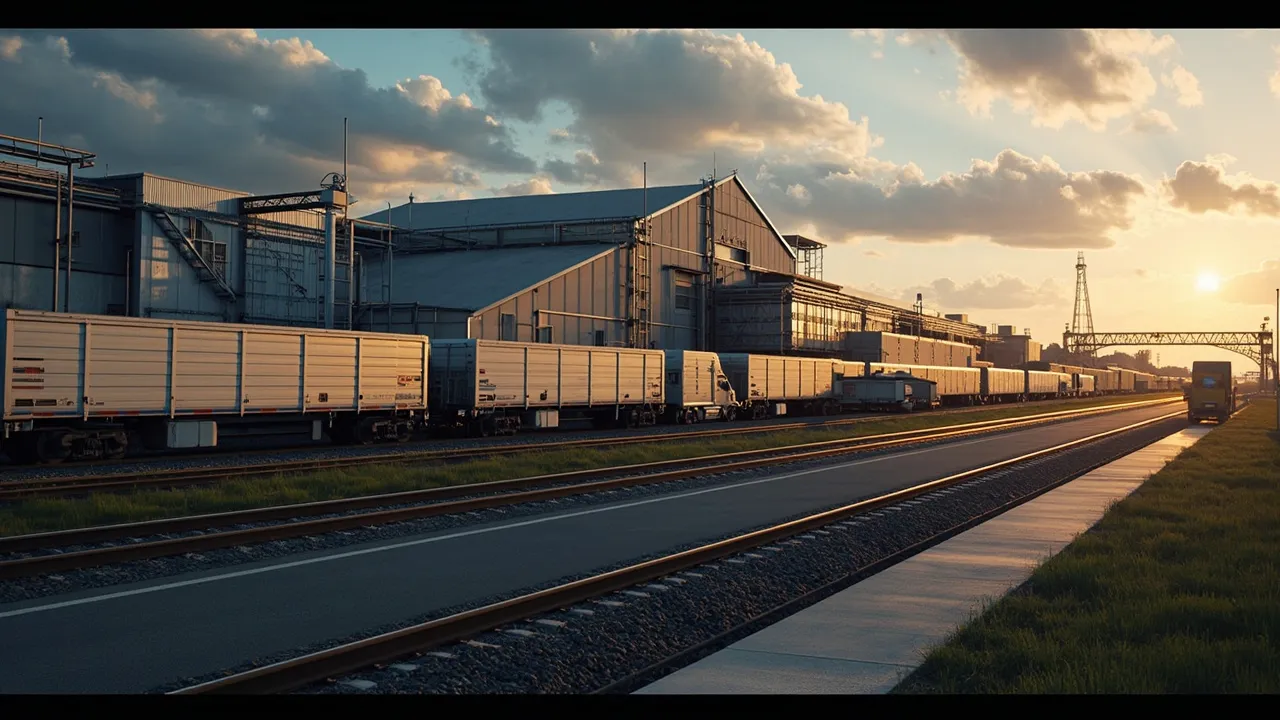
Domestically, the index highlights rising cargo theft and new driver regulation proposals as additional pressure points on inland transportation networks. For rail ramp operations specifically, backlogs at inland terminals continue to cause delays even as port-side throughput has largely recovered from recent winter storms.
Strait of Hormuz: The Disruption Nobody Budgeted For
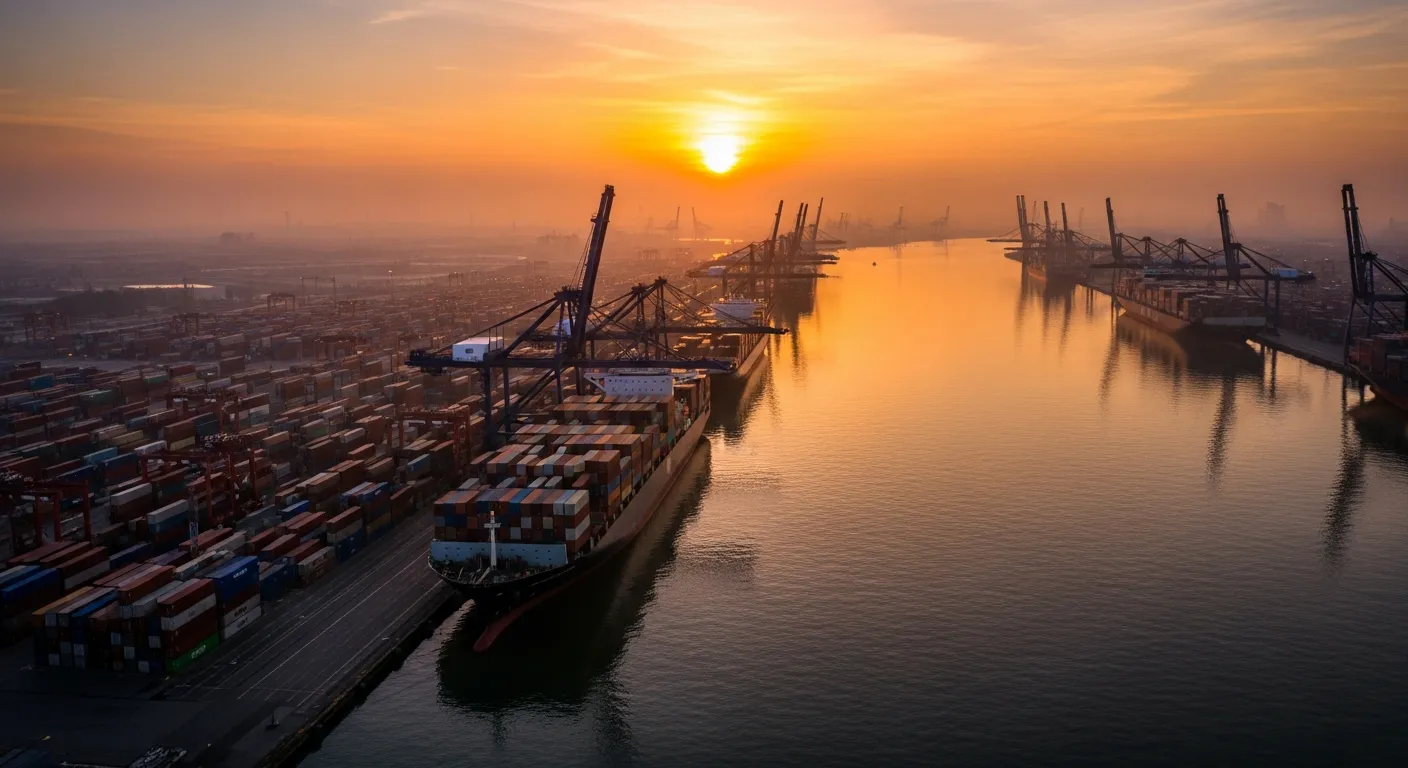
The most significant variable in March's freight landscape is the escalating crisis in the Strait of Hormuz. Following U.S. and Israeli strikes on Iran, retaliatory attacks on commercial vessels have driven tanker traffic through the strait down by approximately 70%, according to tracking data. Major ocean carriers have immediately rerouted vessels around the southern tip of Africa, extending transit times and creating cascading supply chain disruptions across multiple trade lanes.
The financial impact has been staggering. According to Reuters, supertanker costs in the Middle East have hit all-time highs, with VLCC (very large crude carrier) spot rates from the Middle East to China surging above $424,000 per day — four times the $100,000 daily rate seen just weeks earlier. Brent crude futures jumped nearly 10% in a single week as the conflict triggered multiple oil and gas shutdowns across the region.
Maritime insurance carriers have begun canceling war-risk coverage and increasing premiums for the region, adding yet another cost layer for shippers with exposure to Middle Eastern trade routes. The Strait of Hormuz carries approximately 20% of the world's crude oil supply, making this far more than a regional disruption — it's a global supply chain event.
The Tariff Whiplash: Section 122 and the 10-to-15% Escalation
Compounding the maritime disruption, tariff policy has re-entered the spotlight. Following the U.S. Supreme Court's February ruling against President Trump's IEEPA tariffs, the administration pivoted to implementing a blanket 10% tariff under Section 122 of the 1974 Trade Act — which allows "temporary import surcharges" without Congressional approval for up to 150 days. These tariffs went into effect February 24.
Treasury Secretary Scott Bessent confirmed in early March that the tariff rate would increase to 15%, further rattling trading partners. The European Union has expressed frustration, claiming the new blanket rate violates agreements made during 2025's extensive negotiations.
For freight markets, the tariff uncertainty is creating a familiar but costly pattern: shippers can't plan procurement strategies when the cost of imported goods shifts on a weekly basis. As Brashier noted, "While this may not have an immediate impact on inbound planned volumes, it could change sourcing strategies and create bottlenecks in certain origin markets."
Container Rates: A Market in Limbo
Against this backdrop, the container shipping market is sending mixed signals. According to FreightWaves, Asia-U.S. West Coast rates tumbled 21% to $1,916 per FEU (forty-foot equivalent unit), while Asia-U.S. East Coast rates fell 10% to $3,457 per FEU — effectively erasing all gains made in early 2026.
The National Retail Federation projects March import volumes will dip 5% month-over-month, with first-quarter demand trailing year-ago levels by 7% as retailers exercise caution. Maersk reported its first quarterly loss in years, and for the first time factored a major economy's recession into its outlook, forecasting a potential $1 billion profit/loss swing depending on whether substantial container traffic returns to the Red Sea.
The Journal of Commerce reports that current rate trends are causing both shippers and ocean carriers to delay signing contracts, anticipating further rate decreases on non-disrupted lanes while hedging against premium surcharges on routes affected by the Strait of Hormuz crisis.
Manufacturing PMI: Demand Exists, but Routing Doesn't
Here's the paradox facing freight markets in March 2026: underlying demand signals remain relatively healthy. The Kansas City Fed Manufacturing Index came in at +5, and the Philadelphia Fed Manufacturing Index posted a strong +16.3. These are not recession-level numbers.
The problem isn't demand — it's routing. When 20% of global crude oil supply is threatened, when blanket tariffs shift weekly, and when inland rail ramps are still clearing winter storm backlogs, even healthy demand can't translate into predictable freight flows. Shippers are discovering that having cargo to move and having a reliable, cost-effective way to move it are two very different things.
Shipper Strategy: Navigating Geopolitical Volatility
For logistics professionals managing freight procurement in this environment, several strategies deserve immediate attention:
Diversify routing proactively. Shippers with any exposure to Middle Eastern trade lanes should already have alternative routing scenarios modeled. The Cape of Good Hope rerouting adds 10-14 days to Asia-Europe transits and increases fuel costs substantially.
Build tariff flexibility into contracts. With Section 122 tariffs potentially escalating beyond 15% and expiring within 150 days, contracts need adjustment clauses that account for rapid duty rate changes.
Monitor rail ramp capacity weekly. Inland terminal backlogs are the hidden bottleneck in March's freight equation. Real-time visibility into ramp congestion can be the difference between on-time delivery and a week-long delay.
Lock in favorable ocean rates selectively. With spot rates on non-disrupted lanes at multi-month lows, there's an opportunity to secure capacity — but only on routes with minimal geopolitical exposure.
How CXTMS Helps Shippers Adapt in Real Time
In a freight market where conditions shift weekly, static rate sheets and quarterly contract reviews aren't enough. CXTMS provides real-time rate intelligence across ocean, rail, and trucking modes, helping shippers compare live market rates against contracted rates and identify savings opportunities as conditions change.
Our platform's geopolitical risk overlays flag disrupted trade lanes and automatically surface alternative routing options, while integrated tariff tracking ensures landed cost calculations reflect the latest duty rates — not last month's assumptions.
Ready to turn freight market volatility into a competitive advantage? Request a CXTMS demo today and see how real-time logistics intelligence helps you make better procurement decisions, faster.
Sources: ITS Logistics March 2026 Port/Rail Ramp Freight Index (GlobeNewswire), Reuters, FreightWaves, National Retail Federation