Home Depot’s New York Same-Day Delivery Bet Shows How Retailers Are Rebuilding Urban Fulfillment in 2026

Home Depot is making a very specific bet in New York, and it is the right one.
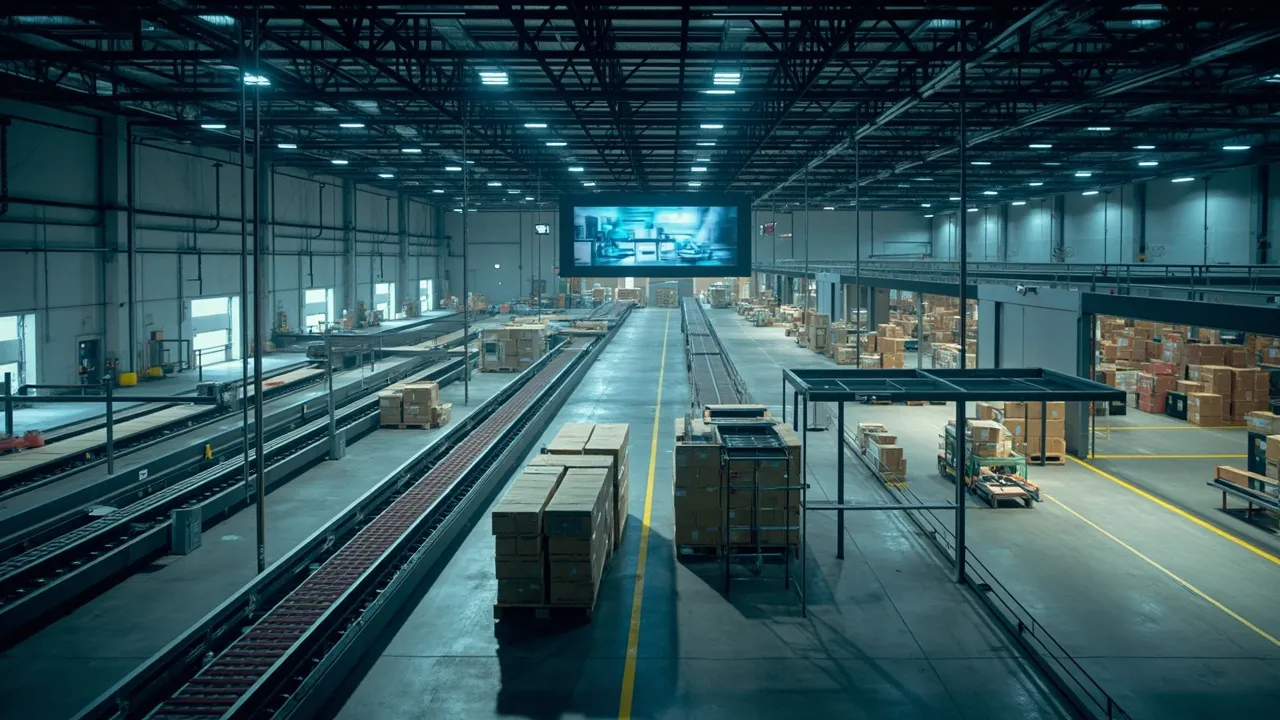
According to Supply Chain Dive, the retailer is exploring a 414,000-square-foot distribution center in Yaphank, New York designed to support same-day and next-day delivery of bulky goods. The project carries a reported $157 million construction cost, plus $11 million in additional improvements, and is expected to create 200 full-time jobs across Home Depot and third-party logistics roles.
That is not just another warehouse announcement. It is a clear signal that urban fulfillment in 2026 is being rebuilt around speed, density, and better economics for difficult-to-handle freight.
For logistics operators, freight forwarders, and B2B shippers, the lesson is bigger than Home Depot. The companies winning modern fulfillment are not simply adding capacity. They are placing inventory and execution capabilities closer to demand, especially for products that are awkward, heavy, or expensive to move through a traditional parcel network.
Why Yaphank matters
The proposed Yaphank site sits on Long Island, close enough to support dense population centers but far enough from the most punishing urban real estate costs. That kind of location matters because same-day delivery is brutally sensitive to distance, touches, and failed routing assumptions.
Bulky home improvement goods make the problem even harder. Lumber, flooring, and building materials are not the kind of products you casually push through a standard ecommerce playbook. They often require specialized handling, different vehicle types, tighter appointment coordination, and more deliberate inventory positioning.
Home Depot’s application, as reported by Supply Chain Dive, says the site would ship big and bulky materials using light rail and flatbed truck transportation. That detail is important. It shows the retailer is not chasing speed with a one-size-fits-all model. It is designing around the operational reality of bulky-goods delivery.
The economics here are pretty straightforward. Every mile removed from the final delivery leg can lower cost, reduce service variability, and expand the number of orders that still make financial sense under same-day or next-day promises. When a shipper moves inventory closer to the customer, it gains more than speed. It gains control.
Network densification is the real story
The Yaphank project only makes sense when viewed inside Home Depot’s broader network buildout. Supply Chain Dive notes that the retailer used 104.7 million square feet across distribution facilities, fulfillment centers, and warehouses at the end of fiscal 2025, up from 55 million square feet in fiscal 2017.
That is not incremental growth. That is deliberate network densification.
Retailers have figured out that the old model, using stores as the main answer to every fast-delivery problem, breaks down fast when assortment expands and order profiles get messier. Stores can help, but they are not optimized to hold every high-demand SKU, stage large orders efficiently, or absorb the labor complexity that comes with fast delivery at scale.
Urban-edge fulfillment nodes fix part of that problem. They create a middle layer between distant regional distribution centers and expensive urban delivery operations. Positioned correctly, they can support faster cutoffs, better inventory availability, and more reliable dispatch planning.
That middle layer is becoming one of the most important design choices in retail logistics.
Automation is what makes dense networks sustainable
Speed is useless if the facility itself turns into a bottleneck.
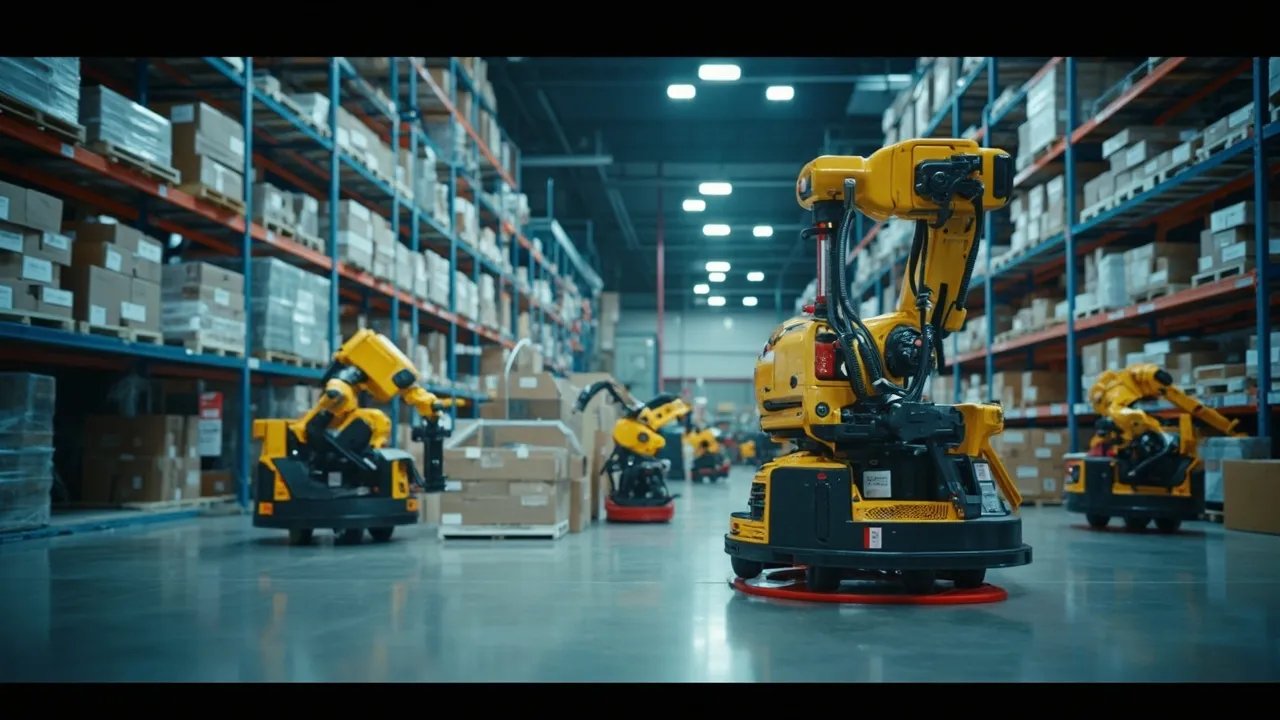
That is why Home Depot’s acquisition of Simpl Automation matters almost as much as the Yaphank announcement. In a second report, Supply Chain Dive said Home Depot acquired the warehouse technology firm after a pilot in Locust Grove, Georgia that produced faster pick speeds, shorter cycle times, and fewer product touches.
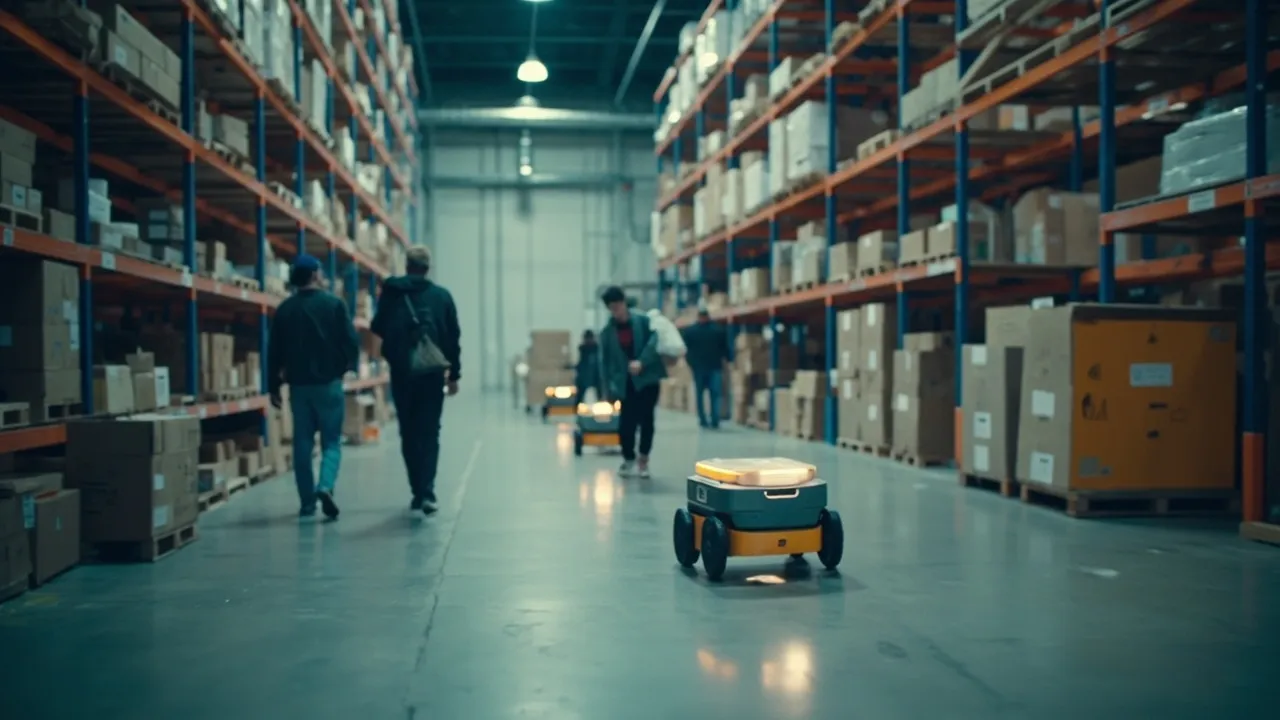
Again, that is the real play. Dense networks are expensive to run if every node depends on too much manual handling. Once a retailer spreads inventory across more facilities, it also multiplies the need for cleaner slotting, faster picking, tighter replenishment, and better labor productivity.
Automation helps absorb that complexity.
It also changes the economics of same-day and next-day fulfillment in a sneaky but important way. Faster internal processing means more of the service promise can be delivered without simply extending labor hours or overpaying for downstream transport. If a node can pick faster, stage orders more accurately, and reduce touches, it protects both service levels and margin.
That is how you make dense fulfillment networks sustainable instead of just impressive on investor slides.
What B2B shippers and freight-forwarders should learn from this
Even if you do not run a retail network, the playbook translates.
First, proximity is becoming a competitive weapon. Companies serving metro demand with time-sensitive freight should be rethinking whether their current node strategy matches modern service expectations. If everything still flows through large, distant facilities, you are probably carrying hidden service costs you pretend are normal.
Second, network design and execution software can no longer be separated. More nodes mean more transfer points, more inventory decisions, more carrier coordination, and more exception risk. Without strong orchestration, a denser network becomes chaos wearing a hard hat.
Third, fast fulfillment is not just about transportation. It is about the combined performance of inventory placement, warehouse throughput, appointment logic, carrier handoff, and delivery visibility. Miss one of those and the whole promise starts to wobble.
For freight-forwarders, there is a useful warning here too. Your customers are going to expect more dynamic fulfillment patterns, shorter lead times, and better visibility across hybrid networks that mix regional facilities, urban-edge nodes, store inventory, and specialized delivery assets. If your operating model still assumes long planning cycles and simple lane execution, you are going to look slow.
The CXTMS angle
This is exactly the kind of environment where execution platforms matter.
A dense fulfillment network creates more opportunities, but it also creates more moving pieces: order routing, carrier selection, dock coordination, milestone visibility, and constant exception management across facilities and modes. That complexity does not magically become manageable because the warehouse is closer to the customer.
It becomes manageable when the operator can see the network clearly and orchestrate it fast.
Home Depot’s New York move shows where the market is heading. More facilities. More automation. More pressure to collapse delivery windows without blowing up costs. The companies that can coordinate those networks cleanly will win. The ones that still run fulfillment like a loose collection of disconnected warehouses and spreadsheets will get punished.
That part is not subtle.
If your team is rethinking node strategy, same-day execution, or visibility across a faster fulfillment network, book a CXTMS demo and see how modern logistics orchestration should work.