EU ETS Maritime Compliance 2026: What Every Shipper Must Know About the 100% Emissions Reporting Mandate


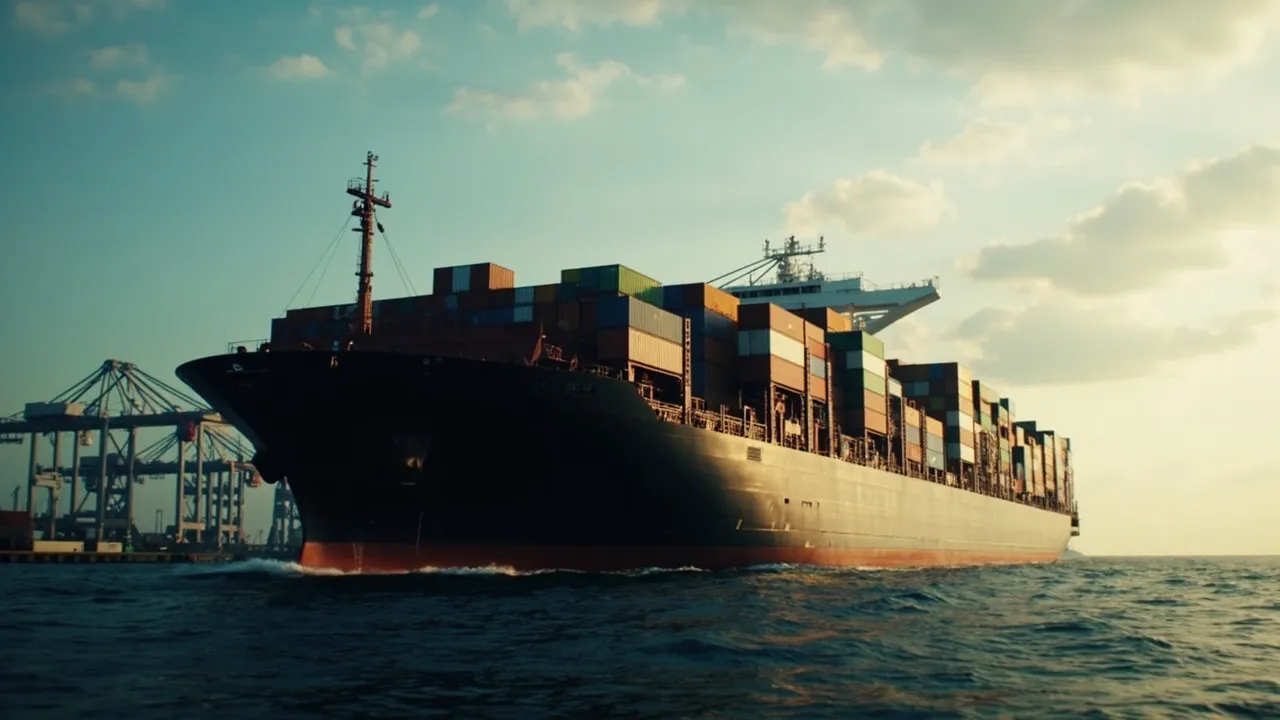
The EU Emissions Trading System just hit full force for maritime shipping. As of January 1, 2026, shipping companies must surrender allowances covering 100% of their verified CO₂, CH₄, and N₂O emissions for all voyages involving EU or EEA ports — up from 70% in 2025 and 40% in 2024. For shippers moving goods through Europe, the cost implications are immediate and significant.
What Changed in 2026
The EU ETS maritime expansion followed a phased rollout designed to give the industry time to adapt:
- 2024: Carriers surrendered allowances for 40% of reported emissions
- 2025: Coverage increased to 70%
- 2026: Full 100% compliance kicks in, now including methane (CH₄) and nitrous oxide (N₂O) alongside CO₂
This isn't just about container ships. The regulation applies to all commercial vessels of 5,000 gross tonnage and above operating within EU/EEA waters. That covers container lines, bulk carriers, tankers, and RoRo vessels — essentially the backbone of European trade.
Carriers must also hold a valid Document of Compliance (DoC) on board by June 30, 2026, adding another layer of administrative burden.
The Cost Reality
EU Allowance (EUA) prices have fluctuated significantly, with Deutsche Bank projecting prices between €60 and €150 per metric ton of CO₂ in 2026. At the higher end of that range, the financial exposure for high-volume shippers becomes substantial.
According to FreightWaves, supply chain diversions — particularly Red Sea rerouting around the Cape of Good Hope — have already driven a spike in carbon emissions per voyage, compounding the cost impact. Longer routes mean more fuel burned, more emissions reported, and more allowances required.
EU ETS surcharges now represent up to 12% of total shipping costs on some trade lanes, according to industry analysis. For a large container vessel, annual compliance costs could increase by $1.2 million in 2026, per a U.S. International Trade Commission estimate.
How Carriers Are Passing Costs Through
Every major ocean carrier has implemented EU ETS surcharges. These appear as line items on freight invoices — separate from bunker adjustment factors (BAF) and other surcharges shippers are accustomed to.
The challenge for shippers: these surcharges vary by carrier, trade lane, and vessel efficiency. A newer, more fuel-efficient vessel on the same route will generate lower emissions — and therefore lower surcharges — than an older one. This creates an opportunity for shippers who can compare and optimize.
Some carriers calculate surcharges based on actual vessel emissions data. Others use fleet-wide averages. The lack of standardization makes it difficult for shippers to verify what they're being charged and whether it accurately reflects their shipment's carbon footprint.
Three Gases, Not Just One
A critical 2026 change that many shippers overlook: the scope now includes methane and nitrous oxide, not just CO₂. This matters because LNG-powered vessels — often marketed as the "greener" option — produce methane slip during combustion.
The inclusion of CH₄ means that some LNG vessels may actually face higher compliance costs than expected, potentially narrowing the emissions advantage over conventional fuel. Shippers who switched to LNG carriers for sustainability reasons should reassess the actual carbon accounting under the expanded scope.
Strategies to Minimize EU ETS Exposure
1. Optimize Routing and Port Selection
Emissions are calculated based on voyages to, from, and between EU/EEA ports. Shippers can potentially reduce exposure by consolidating European port calls or choosing routes that minimize distance traveled within the EU ETS zone. Transshipment strategies through non-EU hubs may also reduce reportable emissions, though this requires careful trade-off analysis against transit time and handling costs.
2. Carrier Selection Based on Vessel Efficiency
Not all carriers are equal when it comes to emissions per TEU. Newer vessels with Energy Efficiency Design Index (EEDI) compliance, slow-steaming capabilities, or alternative fuel systems generate fewer emissions per container moved. Shippers who factor vessel efficiency into carrier selection can lower their per-shipment carbon surcharges.
3. Leverage Carbon Data in Freight Procurement
The most effective long-term strategy is embedding carbon cost visibility directly into freight procurement decisions. This means having per-shipment emissions estimates at the quoting stage — before booking — so you can compare the total cost (freight + carbon) across carriers and routes.
4. Explore Carbon Offset and Insetting Programs
Some carriers offer carbon insetting programs where shippers can invest in emissions reduction projects within the carrier's operations. While offsets don't reduce the EU ETS allowance requirement for the carrier, they can help shippers meet their own Scope 3 reporting targets and demonstrate sustainability progress to stakeholders.
The TMS Connection
Managing EU ETS compliance manually — tracking surcharges across carriers, comparing emissions per route, reconciling carbon costs against invoices — quickly becomes unmanageable at scale. This is where a modern Transportation Management System becomes essential.
CXTMS embeds carbon cost tracking directly into freight quoting and procurement workflows. When comparing rates across carriers, shippers see not just the freight cost but the estimated emissions and associated EU ETS surcharge for each option. This transforms carbon compliance from a back-office reconciliation problem into a front-line procurement advantage.
The platform also provides per-shipment emissions reporting that maps to Scope 3 disclosure requirements, giving finance and sustainability teams the data they need without manual calculation.
What's Coming Next
The EU ETS is just the beginning. The EU's FuelEU Maritime regulation, taking effect alongside the ETS expansion, sets progressively stricter greenhouse gas intensity limits on maritime fuels through 2050. The Carbon Border Adjustment Mechanism (CBAM) adds another layer of carbon cost to goods imported into the EU.
For shippers, the direction is unmistakable: carbon costs will only increase, and the companies that build emissions visibility into their logistics operations now will have a structural cost advantage as regulations tighten.
The 100% mandate isn't a surprise — it was announced years ago. But now that it's here, the gap between shippers who prepared and those who didn't is showing up on every freight invoice crossing European waters.
Need visibility into your maritime carbon costs? Contact CXTMS to see how emissions tracking integrates with your freight procurement workflow.