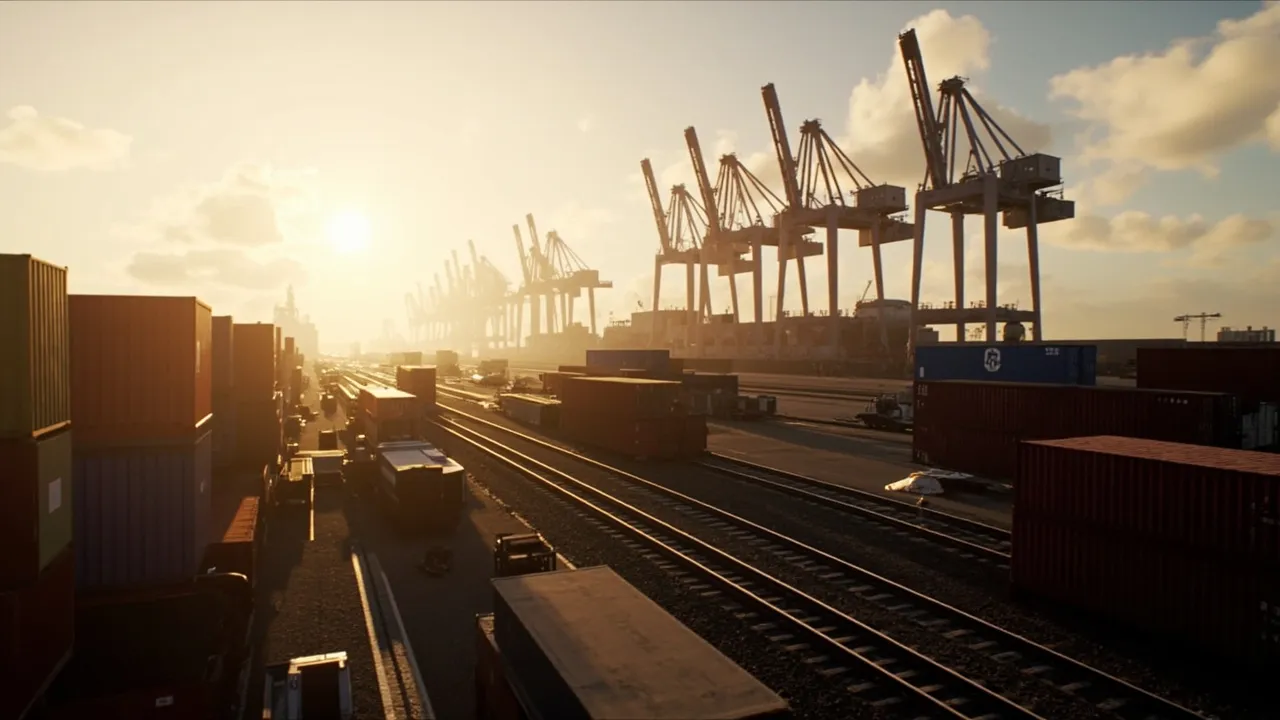
Ocean Freight Overcapacity Crisis: Why Container Rates Are Plummeting and What Shippers Should Do


Ocean freight rates are in freefall. The Drewry World Container Index (WCI) dropped to $1,959 per 40-foot container in early February 2026—a 7% decline in a single week. For shippers who spent the past two years watching rates spike during Red Sea disruptions, this feels like relief. But behind the falling numbers lies a structural crisis reshaping the entire container shipping industry.
The Numbers Behind the Collapse
The ocean freight market is experiencing a perfect storm of oversupply. According to Drewry Supply Chain Advisors, container shipping capacity is set to grow by 3.7% in 2026, injecting an additional 1.5 million TEUs into an already saturated market. While that's lower than 2025's aggressive 7% capacity growth, the pipeline doesn't stop there—2027 is projected to bring another 8% capacity increase, according to Guillaume Bournisien, managing director of freight forwarding at Geodis.
Fleet capacity growth of 3.6% is outpacing demand growth of just 3%, creating what analysts at Supply Chain Dive describe as "yearslong overcapacity" that will carry on through 2026 and beyond.
The Red Sea factor adds another layer. As carriers begin returning to Suez Canal routes, an estimated 6% of global shipping capacity previously absorbed by longer Cape of Good Hope diversions is flooding back into the market. The result: more ships chasing fewer containers.
Maersk Feels the Pain First
The world's second-largest container carrier, Maersk, posted a Q4 pre-tax loss and announced it would slash 1,000 corporate positions—17% of its corporate workforce—targeting $180 million in cost savings. The cuts signal that even the industry's giants can't outrun falling rates.
Maersk isn't alone in feeling the squeeze. Carriers across the board are pulling every lever available: blank sailings, vessel idling, service suspensions, slow steaming, and scrapping older tonnage. These capacity management tools kept rates artificially elevated during previous downturns, but the sheer volume of new vessels entering service is overwhelming traditional tactics.
Why Carriers Can't Stop the Slide
The fundamental problem is timing. Vessel orders placed during the pandemic-era boom are now delivering into a market that doesn't need them. Container demand growth is forecast at a modest 1–2% in 2026, according to C.H. Robinson's ocean freight market analysis, while the global fleet continues expanding.
Blank sailings—where carriers cancel scheduled voyages to reduce capacity—remain the primary tool for rate support. But they're a band-aid on a structural wound. Each blanked sailing reduces service reliability for shippers, creating a tension between carrier profitability and customer retention.
Bloomberg Intelligence projects that if carriers fully resume Red Sea routes, effective demand could actually contract by 1.1% in 2026, as shorter transit times mean fewer vessels are needed at any given moment.
The Shipper's Opportunity Window
For freight shippers, 2026 represents the strongest negotiating position in years. Hind Chitty, senior manager at Drewry Supply Chain Advisors, confirms that ocean shippers will be in a "good position for contract rate negotiations" this year, particularly on the Transpacific eastbound trade lane where most Asia-to-US cargo moves.
Here's how to capitalize:
1. Rethink Your Contract-to-Spot Mix
With spot rates plunging, the traditional approach of locking 80–90% of volume into annual contracts may leave money on the table. Consider shifting to a 60/40 or 70/30 contract-to-spot split, giving you flexibility to capture lower spot rates when they dip below your contracted levels.
2. Negotiate Multi-Year Deals With Rate Floors
Carriers are desperate for volume commitments. Use this leverage to negotiate multi-year contracts with built-in rate adjustment mechanisms. A two-year deal at favorable rates gives you stability while carriers get guaranteed volume.
3. Diversify Carrier Relationships
Don't concentrate volume with a single carrier or alliance. The blank sailing programs that carriers use to manage capacity can leave shippers stranded if their primary carrier cancels a sailing. Spread your volumes across at least three carriers across different alliances.
4. Monitor Operational Metrics, Not Just Rates
Low rates mean nothing if your cargo sits on a dock. Track schedule reliability, transit time variance, and port congestion alongside price. Drewry's Chitty emphasizes that shippers should "monitor operational metrics to avoid delays and extra costs" even in a buyer's market.
5. Lock In Equipment Availability
Overcapacity in vessel space doesn't always translate to container equipment availability. Negotiate container guarantees into your contracts—especially for refrigerated containers and specialty equipment where supply remains tighter.
What Happens Next
The overcapacity picture doesn't improve quickly. With the 2027 order book projecting 8% fleet growth, rates will likely remain under pressure well into next year. Carriers will continue consolidating—Maersk's job cuts may be the first of many across the industry.
For shippers, the strategic imperative is clear: act now while negotiating leverage is at its peak. Contract season (March through May) is approaching, and carriers who were quoting premiums six months ago are now competing for your business.
The ocean freight market is cyclical, and this buyer's market won't last forever. New environmental regulations, potential trade disruptions, and the eventual balancing of supply and demand will push rates back up. Shippers who lock in favorable terms now will be insulated when the cycle turns.
Turning Market Intelligence Into Action
Navigating ocean freight volatility requires more than gut instinct—it demands real-time visibility into rate movements, carrier performance, and capacity trends. CXTMS provides shippers with rate benchmarking tools that compare your contracted rates against live market indices, carrier scorecards that track reliability across alliances, and automated alerts when rate conditions shift in your favor.
In a market where the difference between spot and contract rates can swing thousands of dollars per container, having the right data at the right time isn't optional—it's the difference between saving millions and leaving them on the table.
Ready to capitalize on the ocean freight buyer's market? Contact CXTMS for a demo of our rate intelligence and carrier management platform.