The 174,000 Driver Gap: How AI Is Closing the Trucking Labor Crisis

The American Trucking Associations projected the U.S. would face a shortage of 174,000 truck drivers by 2026. That number is no longer a forecast—it's the reality fleets are navigating right now. And while the industry can't manufacture experienced CDL holders overnight, artificial intelligence is emerging as the most practical bridge between shrinking labor pools and growing freight demand.
The Scale of the Problem
Trucking moves roughly 72% of all freight tonnage in the United States. When driver seats go empty, the ripple effects hit every supply chain—from grocery shelves to manufacturing lines. The shortage isn't just about recruitment. The average age of a for-hire truck driver is 49, and retirements are outpacing new entrants. Meanwhile, a Spectra360 workforce study found that 60% of logistics jobs are being reshaped by automation and AI, yet only 28% of workers have the training to match these evolving roles.
This skills mismatch creates a compounding crisis: not only are there fewer drivers, but the drivers who remain face increasingly complex technology they weren't trained on.
AI in the Back Office: Doing More with Fewer People
The most immediate impact of AI isn't replacing drivers—it's removing the administrative burden that keeps fleets inefficient. Modern AI-powered dispatch systems can optimize load assignments across hundreds of variables in seconds: driver hours-of-service, trailer availability, delivery windows, fuel costs, and traffic patterns.
According to FreightWaves, fleets that have adopted AI-driven dispatch report 15–20% improvements in asset utilization, effectively getting more deliveries from the same number of drivers. When you're short 174,000 drivers, making each existing driver 20% more productive is the equivalent of adding tens of thousands of virtual seats.
Paperwork automation is another quiet revolution. Electronic bills of lading, automated compliance documentation, and AI-powered trip planning eliminate hours of manual work per driver per week. That's time drivers can spend on the road instead of in a parking lot filling out forms.
Predictive Maintenance: Keeping Trucks Moving
Driver shortages get worse when trucks sit idle in repair bays. AI-driven predictive maintenance is changing that equation dramatically. As reported by Heavy Duty Trucking, fleets are deploying AI maintenance systems that analyze sensor data to predict component failures before they cause breakdowns.
Remote diagnostics mean a technician can identify a failing alternator or worn brake pad from a central operations center, scheduling repairs during planned stops rather than emergency roadside events. For fleets already stretched thin on drivers, every hour of unexpected downtime compounds the problem. Predictive maintenance keeps available drivers moving and revenue flowing.
Autonomous Middle-Mile: The Bridge Technology
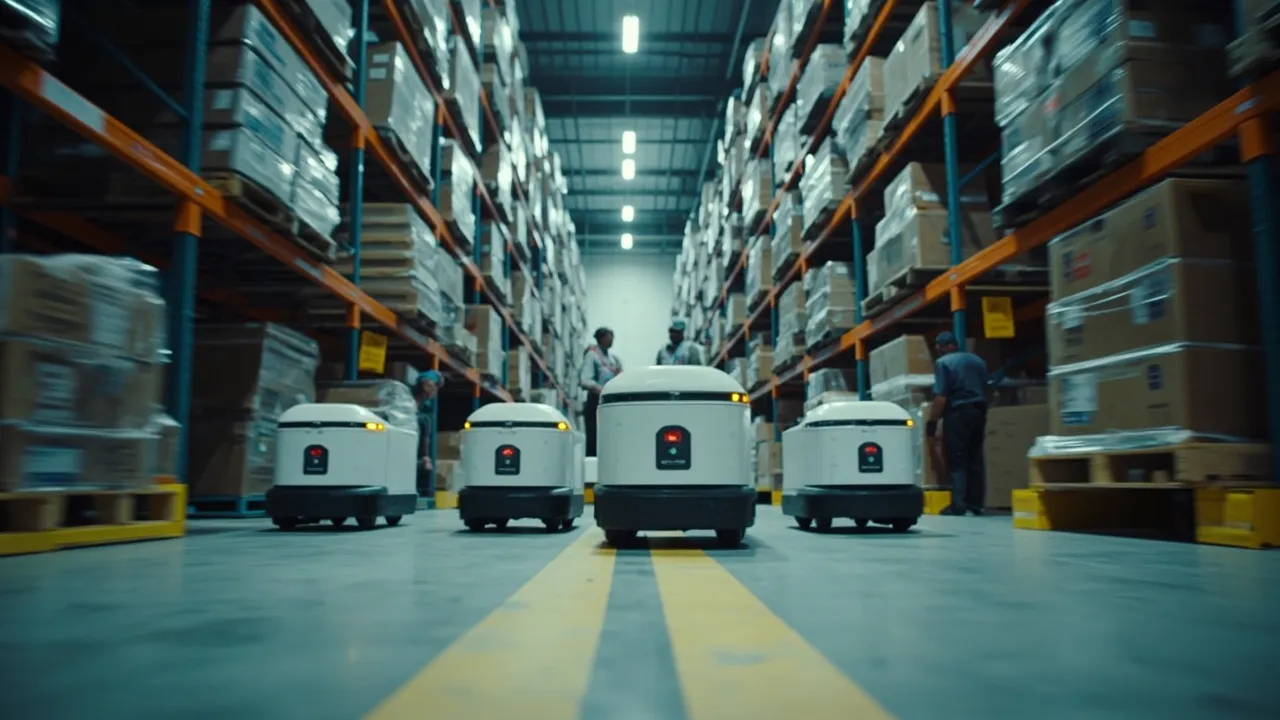
While fully autonomous long-haul trucking remains years from widespread deployment, middle-mile autonomous operations are scaling rapidly. Gatik, the autonomous trucking company focused on short-haul routes, announced plans to have hundreds of robotic delivery trucks operating in the U.S. and Canada by end of 2026. Their partnership with Loblaw will deploy 50 autonomous trucks in the Greater Toronto Area alone—the largest such deployment in North America.
These aren't theoretical pilot programs. Gatik's trucks handle the repetitive, fixed-route middle-mile transfers between distribution centers and retail locations—exactly the routes that are hardest to staff because they lack the open-road appeal that attracts many drivers to trucking in the first place.
By automating the least desirable routes, autonomous middle-mile technology frees human drivers for the long-haul and complex delivery work that still requires human judgment and adaptability.
Retention Technology: Making Drivers Want to Stay
Recruitment alone won't solve a 174,000-driver gap. Retention is equally critical, and technology is giving fleets new tools to keep their best drivers. Modern driver-facing platforms provide real-time pay visibility, transparent scheduling, and streamlined communication with dispatch.
Driver training standards have become a top-10 concern for drivers themselves, according to industry surveys. Fleets investing in AI-powered training platforms—adaptive learning systems that customize instruction based on individual driver performance—report higher satisfaction scores and lower turnover.
The math is simple: replacing a single driver costs an estimated $8,000–$12,000 in recruitment, training, and lost productivity. A fleet that reduces annual turnover by even 10% saves hundreds of thousands of dollars while maintaining service levels.
How TMS Platforms Bridge the Gap
A modern Transportation Management System sits at the center of this transformation. By integrating AI dispatch, maintenance data, autonomous fleet coordination, and driver management into a single platform, TMS technology gives fleet operators the visibility to maximize every resource they have.
CXTMS connects these capabilities into a unified workflow: intelligent load optimization that accounts for driver availability, automated documentation that reduces administrative burden, and analytics that identify retention risks before drivers walk out the door. When you can't hire your way out of a shortage, you optimize your way through it.
Facing the driver shortage head-on? Contact CXTMS for a demo of how intelligent TMS technology helps fleets do more with the workforce they have.