Amazon Acquires Rivr: How Stair-Climbing Delivery Robots Signal the Next Phase of Doorstep Logistics Automation

The last mile has always been the most expensive leg of any delivery. But the last 100 yards — from the delivery van to the customer's front door — may be where the next logistics revolution actually happens. Amazon's acquisition of Zurich-based robotics startup Rivr, announced this week, is a clear signal that the world's largest e-commerce company believes doorstep delivery automation is ready for prime time.
The Acquisition: Rivr and Amazon's Doorstep Ambitions
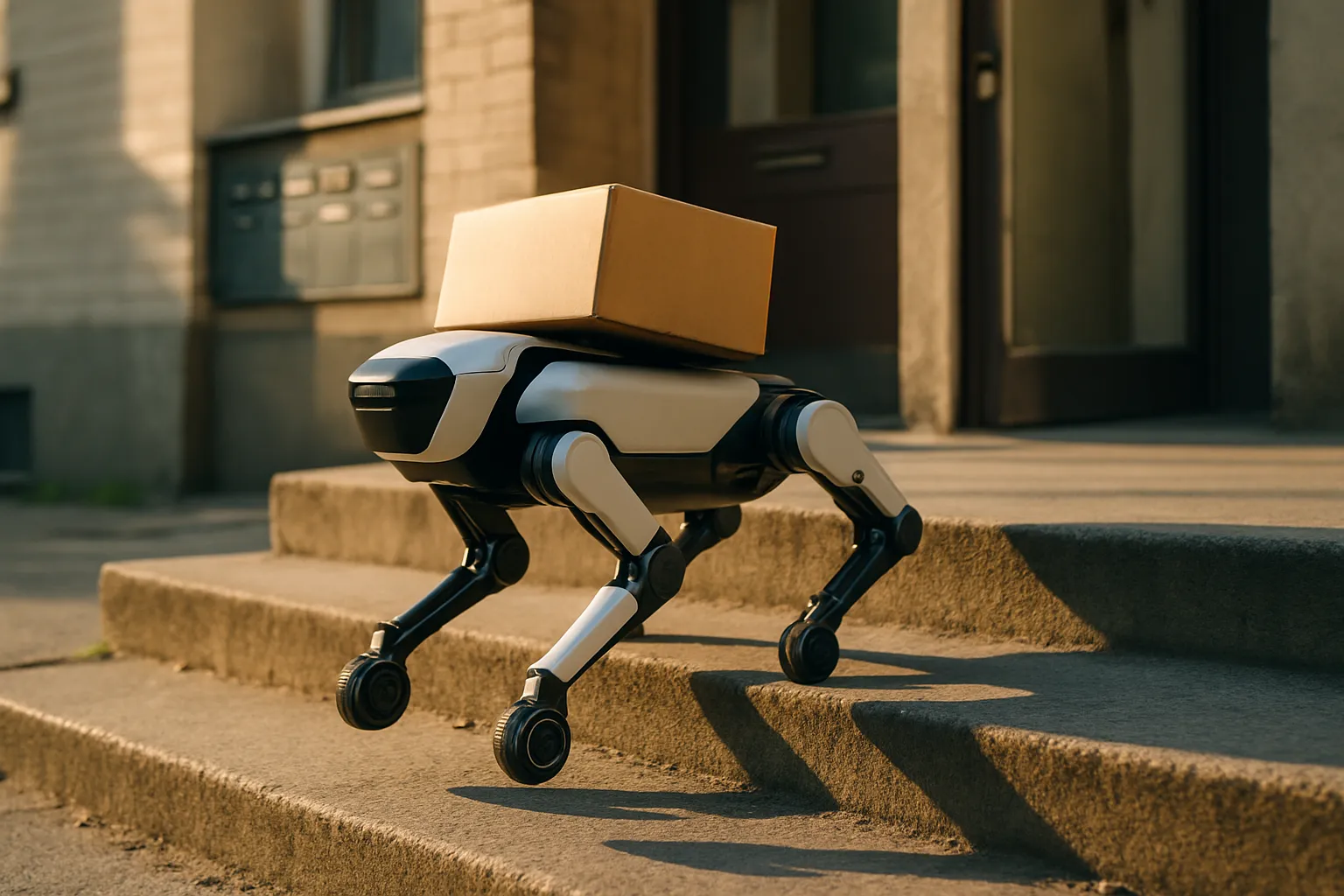
Rivr, formerly known as Swiss-Mile, is a robotics company spun out of ETH Zurich that has developed a four-legged wheeled robot capable of climbing stairs, navigating uneven terrain, and delivering packages directly to customer doorsteps. CEO Marko Bjelonic has described the device as a "dog on roller skates" — a compact, agile machine built for the physical complexities that sidewalk delivery robots simply cannot handle.
Amazon confirmed the acquisition on March 19, 2026, sending notice to its network of thousands of third-party delivery contractors. Terms were not disclosed, but Rivr had previously raised $25 million — including a $22.2 million seed round co-led by Amazon's Industrial Innovation Fund and Bezos Expeditions — and was last valued at $100 million.
In its notice to delivery service partners, Amazon described the technology as a tool that would work alongside human delivery associates, "helping DAs carry packages from delivery vehicles to customer doorsteps." The framing is intentional: this is augmentation, not replacement — at least for now.
The "Front Door Problem" in Last-Mile Delivery
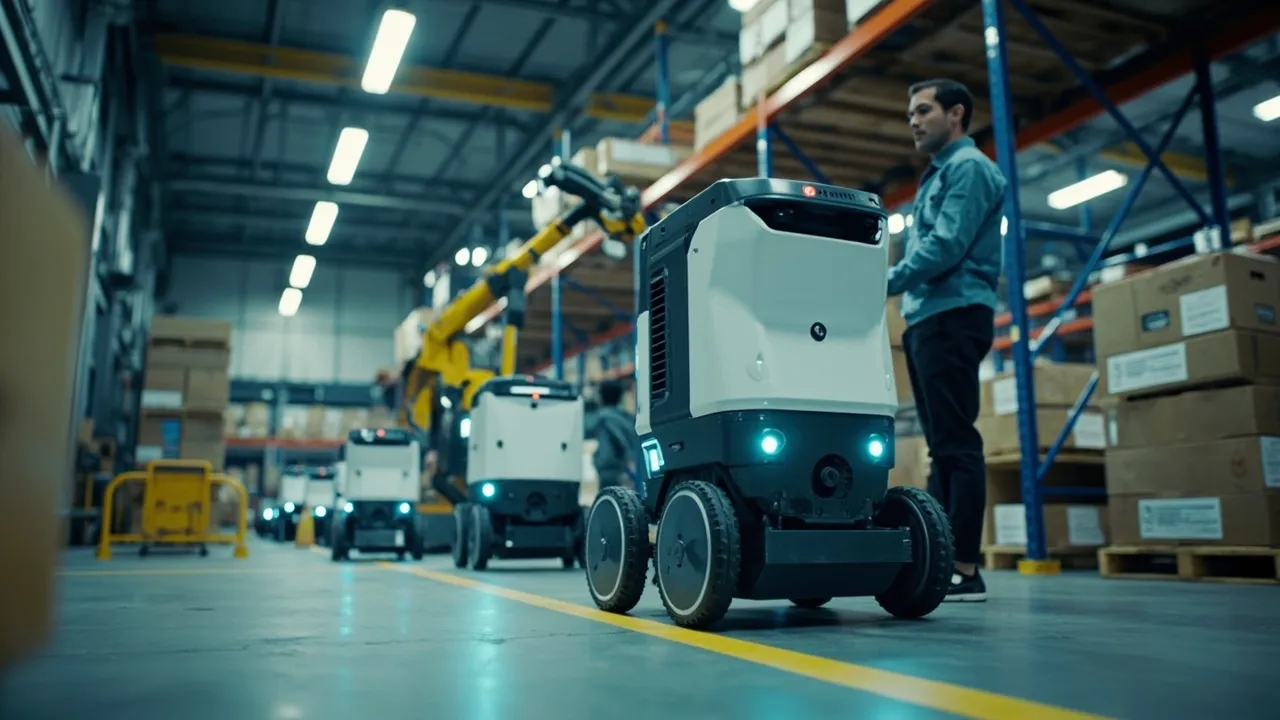
The failure of Amazon's earlier Scout program — a cooler-sized sidewalk robot that was shelved in 2022 — illustrated a fundamental limitation. Sidewalk robots work on flat surfaces in suburban neighborhoods with single-story homes and clear pathways. They fail completely at apartment buildings, walk-ups, townhouses, and any multi-story residential structure.
Consider the scale of the problem: according to the U.S. Census Bureau, roughly 44 million housing units in the United States are in multi-unit structures. That represents more than a third of all occupied housing. In dense urban markets like New York, Chicago, and San Francisco, the percentage climbs above 60%. A delivery robot that cannot climb stairs simply cannot serve these addresses.
Rivr's approach is fundamentally different. Its wheel-legged hybrid design can transition between rolling on flat ground and climbing stairs, allowing it to navigate the full journey from curb to doorstep regardless of building type. This solves the engineering challenge that sidelined sidewalk robots across the industry.
Where Rivr Fits in Amazon's Automation Stack
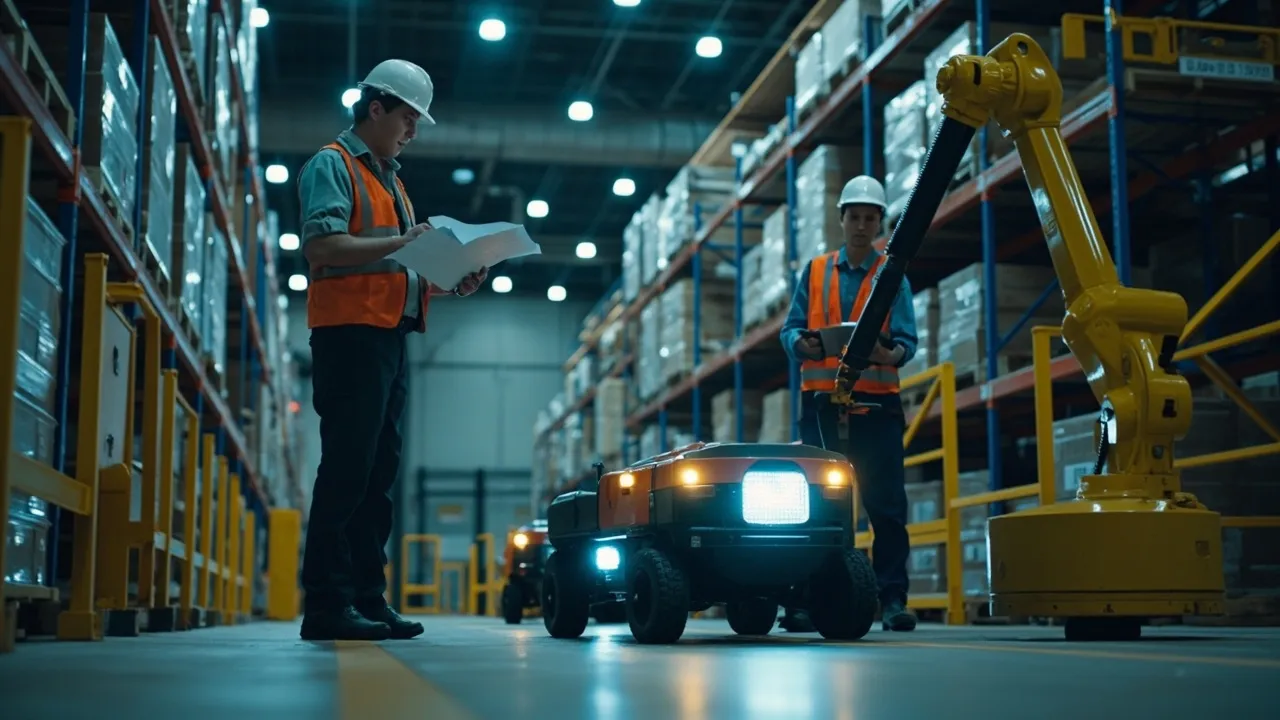
This acquisition does not exist in isolation. Amazon has been building a comprehensive logistics automation ecosystem for over a decade:
- Kiva Systems (2012, $775 million): Warehouse robots that move shelving units to workers, now the foundation of Amazon Robotics.
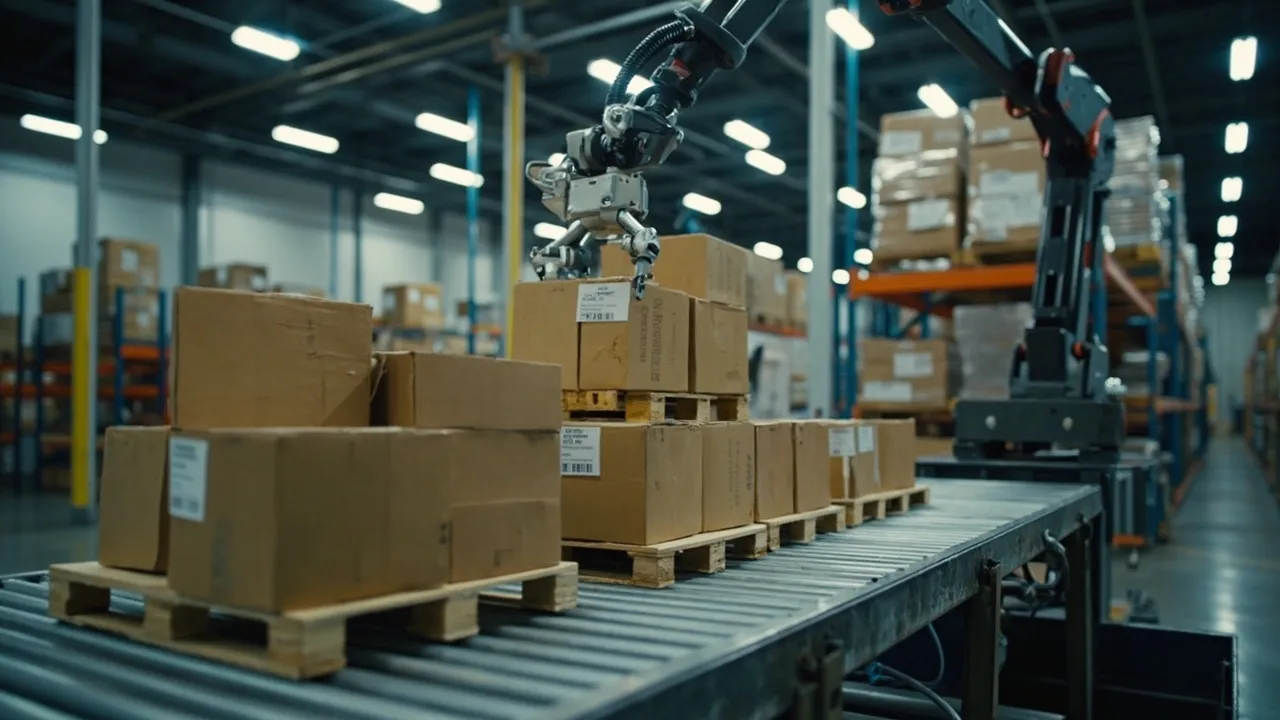
- Project Vulcan (2025): A tactile robot with a sense of touch designed for warehouse picking and stowing operations.
- Prime Air drone delivery: Expanding to new metro areas for lightweight packages under five pounds.
- 1 million+ deployed robots: As of October 2025, Amazon operates the largest private robotics fleet in the world across its fulfillment network.
Rivr fills the one gap that none of these systems address: the physical handoff at the customer's door. With more than 1 million robots already in warehouses and drones handling aerial delivery, doorstep robots complete the automation chain from fulfillment center to front porch.
The Market Opportunity Is Massive
The autonomous last-mile delivery market was valued at $30.05 billion in 2024 and is projected to reach $185.3 billion by 2033, growing at a 22.4% CAGR, according to Astute Analytica. The delivery robot segment specifically is expected to grow from $795.6 million in 2025 to $3.2 billion by 2030 at a 32.4% CAGR, per MarketsandMarkets.
What is driving this growth? Last-mile delivery accounts for an estimated 53% of total shipping costs, according to Bank of America analysis. Any technology that reduces the labor intensity of doorstep handoff represents enormous cost savings at scale. BofA estimated that Amazon's delivery robot investments could represent a "large opportunity" for long-term operational savings across its network.
For Amazon, which delivered more than 5.9 billion packages in the U.S. in 2025, even a small per-package cost reduction at the doorstep adds up to billions in annual savings.
Implications for Urban Last-Mile Economics
The Rivr acquisition signals a broader shift in how logistics companies think about the last mile in dense urban environments. Traditional approaches — human drivers double-parking, running packages up stairwells, navigating apartment building lobbies — are slow, costly, and increasingly unsustainable as e-commerce delivery volumes continue to grow.
Rivr's pilot program with Veho in Austin last year was an early proof point. Bjelonic had set a goal of scaling to 100 robots by 2026. While it is unclear whether that milestone was reached before the acquisition, Amazon's resources should dramatically accelerate deployment timelines.
The key question for the logistics industry is not whether doorstep delivery robots will work — Rivr's technology has demonstrated that they can. The question is how quickly the economics will reach parity with human delivery associates, and how regulatory frameworks in cities across the U.S. and Europe will adapt to accommodate robotic delivery at scale.
What Shippers Can Learn: The Doorstep as the Next Automation Frontier
For shippers and logistics operators watching this space, three takeaways stand out:
-
The last 100 yards matter more than ever. As middle-mile and line-haul costs get optimized through technology and consolidation, doorstep delivery becomes the dominant cost driver — and the dominant innovation opportunity.
-
Multi-modal automation is the future. No single robot or drone or autonomous vehicle will handle every delivery scenario. The winners will be platforms that can orchestrate across drones, vans, sidewalk robots, and stair-climbing devices based on delivery context.
-
Visibility is critical. As delivery methods multiply, shippers need real-time visibility into every handoff point — from warehouse to van to robot to doorstep. Without end-to-end tracking, the complexity of multi-modal delivery becomes a liability rather than an advantage.
Optimize Your Last-Mile Strategy with CXTMS
As the delivery landscape evolves with robotics, drones, and autonomous vehicles, the complexity of managing multi-modal last-mile operations only increases. CXTMS gives shippers the visibility and coordination tools needed to stay ahead — from carrier selection and route optimization to real-time tracking across every leg of the journey.
Request a CXTMS demo today → and see how our platform helps you build a last-mile strategy that is ready for the automation era.