Always-On Supply Chains Need Exception Ownership Before They Need More Alerts

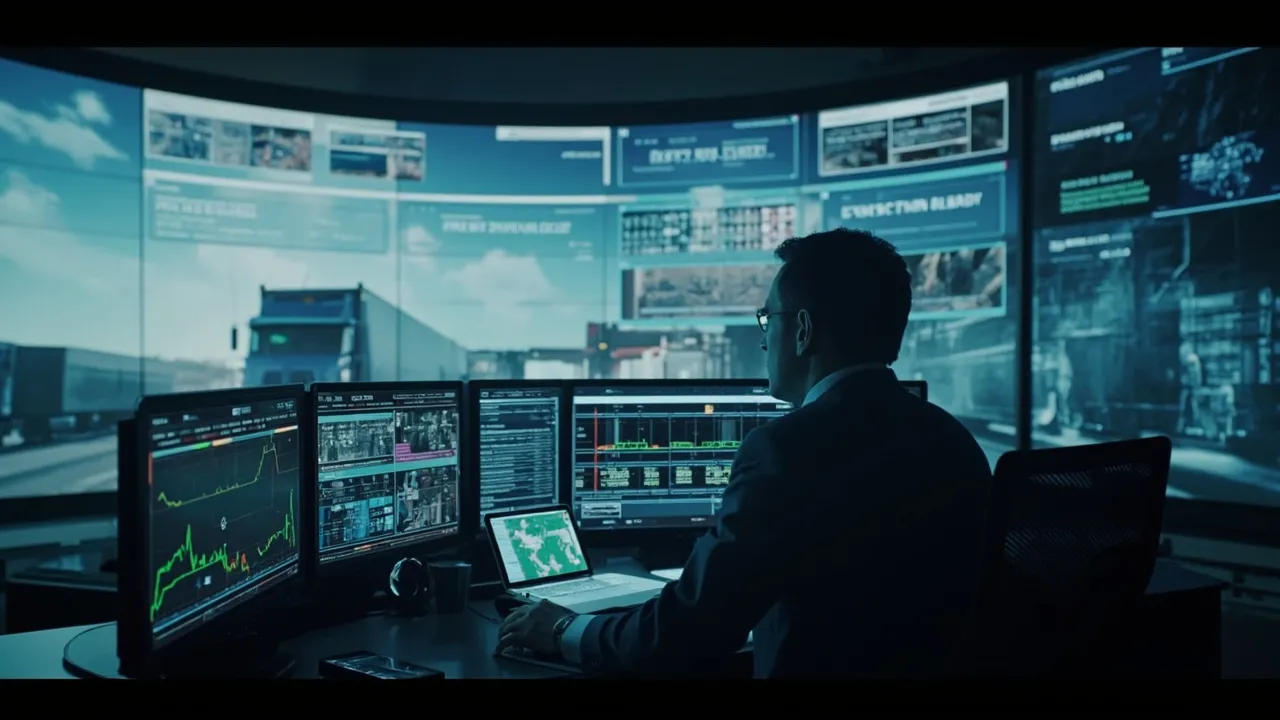
The supply chain control room is getting louder. More systems can sense late freight, inventory imbalance, port disruption, supplier delay, weather risk, dock congestion, document gaps, and customer-service exposure. That visibility is useful, but it does not automatically make an operation more resilient.
The more practical question for 2026 is whether every alert has an owner.
Supply Chain Dive reported that "always-on" supply chains are becoming the norm as companies rewire operations around future-proofing and continuous response. The idea is sound. Logistics teams cannot afford to manage disruption as an occasional emergency when volatility is now part of daily execution.
But always-on sensing can create a trap. If every signal becomes another notification, teams gain awareness without control. A late vessel alert, rejected tender, missed pickup, customs hold, appointment conflict, or temperature excursion may be visible to several teams at once. Visibility alone does not decide who acts, what threshold matters, which customer needs to know, whether a premium option is justified, or when the issue is closed.
That is why exception ownership has to come before more alerts.
Volatility Is Already Expensive
The business case for better exception handling is not abstract. FreightWaves' coverage of the 2026 State of Logistics Report said U.S. logistics costs reached $2.4 trillion, equal to 7.8% of GDP. The same article framed volatility as the new normal, not a temporary shock.
When logistics is that large a cost base, weak exception management becomes a financial problem. Every unresolved exception can create detention, demurrage, expedited freight, missed service commitments, excess inventory, chargebacks, claims, customer churn, or manual labor. Some alerts are merely informational. Others can erase margin in hours.
The difference is rarely the alert itself. It is the operating rule around the alert.
Consider a late inbound container. A generic delay notification may land in a visibility dashboard, an email inbox, and a customer-service queue. A useful exception record goes further. It identifies the affected purchase orders, customers, warehouse dock windows, downstream shipments, inventory coverage, allowed recovery options, estimated cost exposure, and decision owner. It also sets a response deadline. Without those fields, the organization knows something is wrong but still has to rediscover the business impact through calls and spreadsheets.
The same problem appears in domestic transportation. A rejected truckload tender is not equally urgent on every lane. If inventory is deep, the issue may only need retendering. If the shipment supports a launch, medical order, plant run, or retailer compliance window, the same rejection may justify premium capacity. The alert is the starting point. Ownership and context decide the response.
The Always-On Exception Record
An always-on supply chain needs a durable exception record, not just a stream of signals.
Start with the source signal. Was the issue triggered by carrier EDI, API tracking, warehouse status, customer request, customs broker update, weather feed, IoT sensor, appointment system, rate variance, or user entry? Source matters because it tells teams how reliable the signal is and whether it needs confirmation.
Next, connect the signal to the affected order, shipment, facility, lane, carrier, customer, and service commitment. A disruption that cannot be tied to an operating object is hard to prioritize. It becomes a headline inside the company rather than a task.
Severity should be explicit. Logistics teams need a practical scale that considers customer impact, time sensitivity, financial exposure, compliance exposure, product condition, and available alternatives. A high-severity exception should automatically have a response deadline and escalation path. A low-severity exception should not wake up five people.
Ownership is the core field. Every exception should have one accountable decision owner at a time, even if multiple teams support the response. That owner may sit in transportation, forwarding operations, warehouse planning, procurement, customer service, finance, compliance, or account management. The point is not hierarchy. The point is to avoid the silent gap where everyone sees the same alert and assumes someone else is handling it.
Allowed action also belongs in the record. Can the owner retender, rebook, upgrade service, split the shipment, reroute to another facility, contact the customer, approve an accessorial, release inventory, or hold for review? An alert without permitted action turns operators into spectators.
Finally, the record should close the loop. What action was taken? What did it cost? Was the customer promise protected? Did the carrier perform? Did the exception reveal a rule that should change for next time? Always-on operations should learn from exceptions instead of treating each one as a standalone scramble.
AI Makes Governance More Important
Technology pressure is moving in the same direction. Gartner identified agentic AI and physical AI among the top supply chain technology trends for 2026. More autonomous recommendations, warehouse automation, sensing, and decision support will increase the number of events logistics teams can see and act on.
That does not reduce the need for ownership. It raises the stakes.
If an AI agent recommends retendering freight, someone still needs to know which rules allow it, which customer commitments are affected, what cost ceiling applies, and when a human must approve the action. If a warehouse system flags a dock constraint, transportation still needs to know whether to shift pickup windows, hold trailers, or re-sequence outbound loads. If a sensor detects a condition risk, the team still needs a claim path, customer communication rule, and product disposition decision.
Automation works best when it operates inside clear exception governance. Otherwise, companies replace manual noise with automated noise.
Turn Awareness Into Execution
The practical test for logistics leaders is simple: pick the 10 most common alerts in the operation and ask whether each one has a defined owner, severity rule, response deadline, financial threshold, customer-impact field, and allowed action. If the answer is no, adding another monitoring feed will not solve the operating problem.
Always-on supply chains are not built by watching more screens. They are built by connecting signals to transportation execution rules.
CXTMS helps freight forwarders and logistics companies keep shipment events, customers, carriers, documents, rates, exceptions, and billing context in one operating layer. That matters because the value of live disruption awareness is not knowing that something changed. The value is knowing who owns the next move, what options are allowed, and how the decision affects service and margin.
If your team is receiving more alerts than it can confidently act on, schedule a CXTMS demo. We will show how connected transportation workflows turn always-on visibility into accountable logistics execution.