Hawaii Logistics Shows Island Supply Chains Need a Different Resilience Model

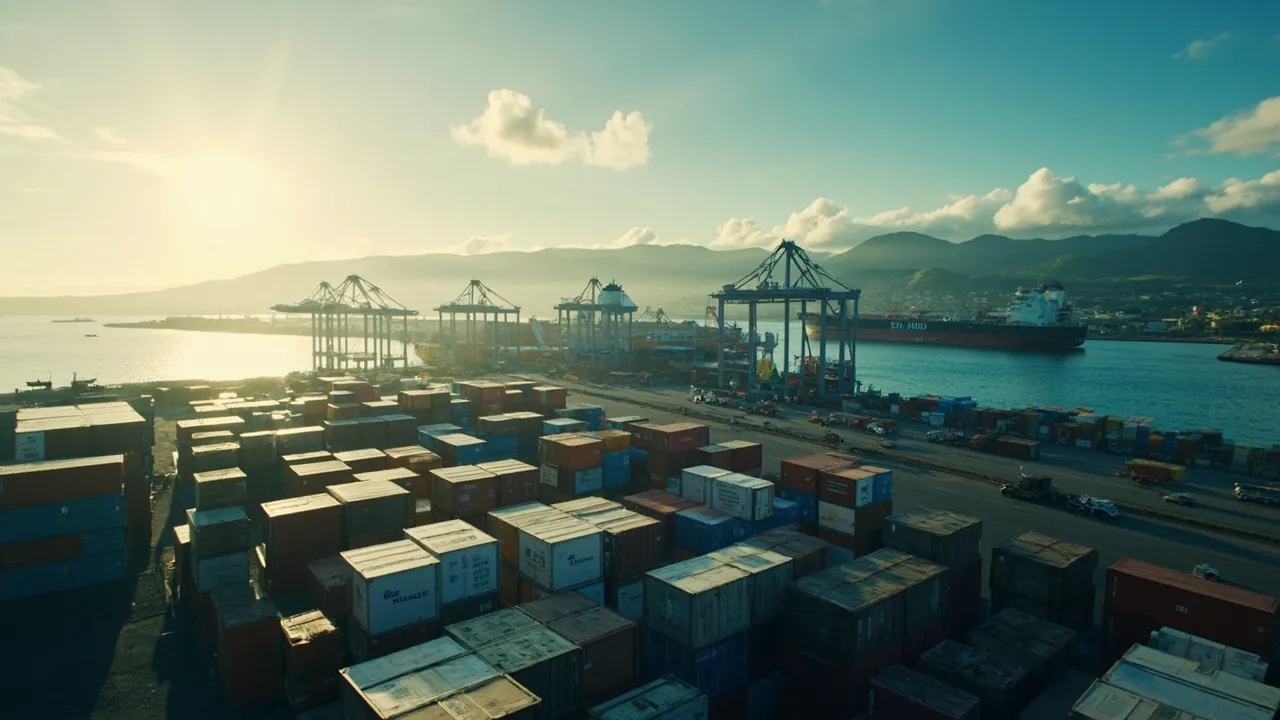
Inbound Logistics' July feature on Hawaii logistics makes a useful point for any shipper serving island markets: resilience is not an abstract strategy. It is the daily work of coordinating ocean freight, short-term warehousing, refrigerated pickup and delivery, container availability, port cutoffs, trucking, and final-mile delivery across a geography with few easy backups.
The article notes that Hawaii sits roughly 2,400 miles from the U.S. mainland, depends heavily on imported goods, and has limited storage capacity. It also points to the state's eight main islands, with Oahu holding well over half of the population, as a reminder that "Hawaii" is not one delivery point. It is a dispersed island network with different infrastructure, demand patterns, weather exposure, and inter-island handoffs.
That changes the resilience model. Island logistics is not simply long-haul transportation with more ocean miles. It is a system where port dependency, perishables exposure, sailing schedules, disaster risk, and inventory buffers all interact. A missed cutoff or reefer shortage can become a service failure faster than it would in a mainland network with highway, rail, warehouse, and supplier redundancy.
Geography Removes Easy Options
Mainland supply chains often hide fragility behind alternatives. If one warehouse is full, another node may absorb volume. If a truck lane tightens, rail or expedited ground can sometimes help.
Island networks have fewer escape routes. Hawaii can use sea and air, but both modes come with sharper tradeoffs. Air freight buys time but raises cost. Ocean freight carries the bulk of goods, but requires disciplined planning around sailing frequency, port congestion, container condition, and drayage availability. Inter-island moves add another layer of coordination after the mainland leg is complete.
Inbound Logistics describes providers using multimodal capabilities to balance speed and cost, including air, ocean, land, and barge service. One cited Hawaii service includes bi-weekly barge voyages between Seattle and Hawaii. The same feature describes Makani Class barges that are 438 feet long, 105 feet wide, and rated for 16,900 tons of deadweight capacity.
Those details matter because resilience depends on specific capacity, not generic intent. A shipper needs to know the next departure, whether the freight can move refrigerated, whether a substitute service exists, what inventory is already on-island, and which customers receive allocation first.
Ocean Risk Still Sets The Baseline
The Hawaii model also sits inside a broader ocean market that remains volatile. Logistics Management's State of Logistics ocean coverage reported that first-quarter 2026 results reflected pressure from geopolitical tension, congestion, fuel costs, and schedule reliability concerns. It cited a 37% spot-rate increase on China-to-U.S. West Coast routes and noted that Drewry expects global container shipping capacity to increase 7% in 2027 and 10% in 2028.
For island supply chains, those global signals are not distant background noise. West Coast port performance, vessel reliability, bunker surcharges, and carrier capacity decisions influence the cost and timing of freight that eventually reaches Hawaii.
Fuel is another pressure point. Food Logistics recently reported that high energy prices tied to geopolitical tensions reduced global transportation and logistics growth forecasts from 3.4% to 2.5% in 2026, with jet fuel prices surging more than 95% worldwide. For Hawaii, that matters twice: ocean freight is exposed to bunker costs, while emergency recovery often leans on air freight, the mode most exposed to jet fuel spikes.
The practical conclusion is simple. Island resilience cannot be built only at the moment of disruption. It has to be designed into normal transportation execution, before the storm, wildfire, vessel delay, fuel surcharge, or port bottleneck arrives.
Build The Island-Resilience Model
The first control point is the sailing schedule. Every replenishment plan should know the vessel, cutoff, departure, expected arrival, and downstream inter-island move. If the freight is tied to a promotion, hospital procedure, food shelf life, construction crew, or repair window, the shipment record should show the commercial consequence of missing that schedule.
The second control point is reefer availability. Refrigerated island freight needs more than a booked container. It needs pre-cool status, temperature set point, pickup appointment, port dwell visibility, plug availability, and exception escalation when temperature-sensitive cargo sits longer than planned. Perishables, pharmaceuticals, and specialty food products should not depend on someone manually stitching together status updates after the shipment is already at risk.
The third control point is buffer stock. Mainland just-in-time logic does not translate cleanly when transit options are constrained and weather can disrupt port operations. Essential goods, high-margin inventory, slow movers, perishables, emergency supplies, and substitute-capable SKUs each need different rules.
The fourth control point is the substitute supplier. If the primary mainland source misses the window, the team should know whether an alternate supplier can ship before the next sailing, whether partial allocation is possible, and whether the customer can accept a substitute item.
The fifth control point is the emergency lane. Air freight, expedited ocean, cross-dock recovery, and inter-island transfer options should be mapped before they are needed. The downgrade rule is just as important: if air freight no longer preserves shelf life, service promise, or revenue, the system should stop treating premium transport as the default answer.
Visibility Has To Reach Beyond The Port
A port arrival is not the finish line in island logistics. The freight still has to clear, move through local trucking or consolidation, possibly transfer between islands, and reach the customer with enough usable time or shelf life remaining.
That is where many resilience plans lose detail. They track the main ocean leg but under-document container grounding, reefer status, dray pickup, warehouse dwell, inter-island handoff, final-mile appointment, and proof of delivery. The result is a network that looks visible until the exact moment visibility matters most.
CXTMS helps logistics teams manage that operating record across multimodal milestones, temperature-sensitive shipment data, inventory-in-transit visibility, and disruption scenarios. A Hawaii lane can carry the sailing schedule, port cutoff, reefer requirement, substitute supplier, buffer-stock rule, emergency lane, customer allocation priority, and exception owner in one workflow.
That is the point of island resilience. The goal is not to eliminate disruption. Hawaii's geography, weather exposure, import dependency, and port reliance make that impossible. The goal is to know which shipments are vulnerable, which customers are exposed, which recovery options are real, and which decisions must happen before a delay becomes a shortage.
If your island, coastal, or remote-market freight still depends on scattered milestone emails and after-the-fact status checks, schedule a CXTMS demo. CXTMS gives freight teams the shipment evidence and exception workflows needed to turn resilience from a slogan into a daily operating discipline.