Lululemon's New DC Shows Omnichannel Growth Needs Border-Aware Fulfillment Nodes

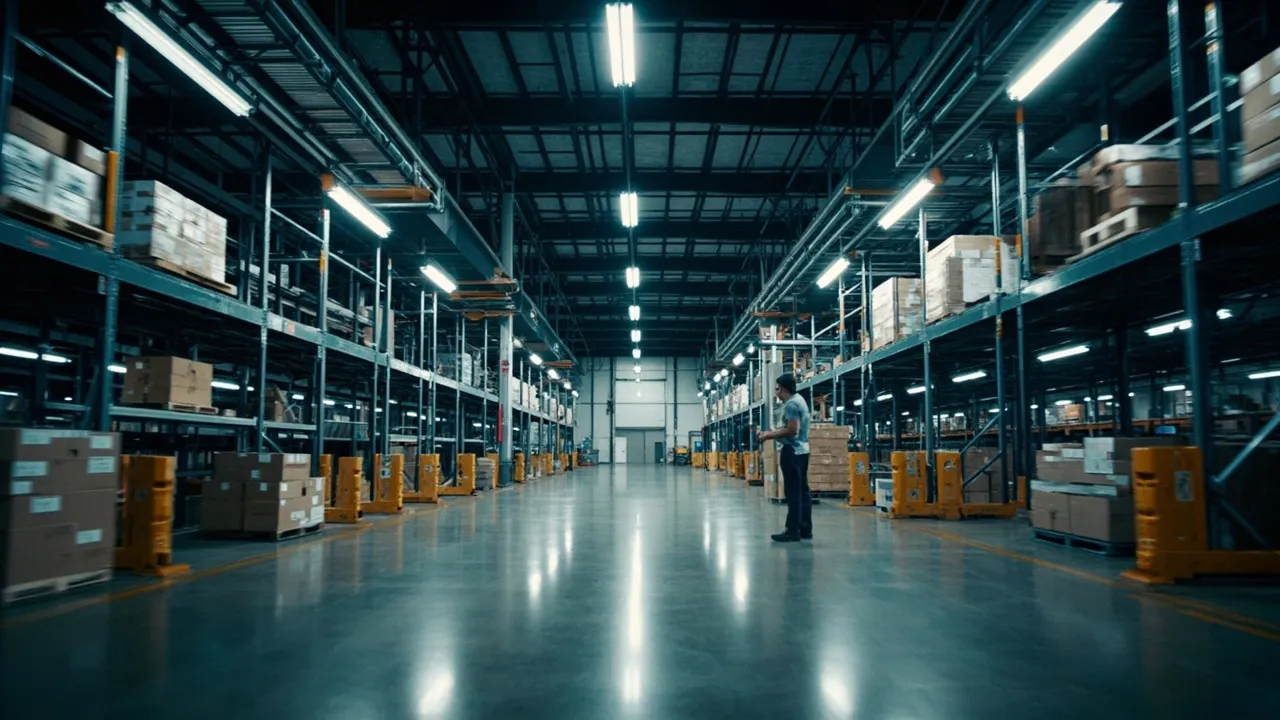
Retail distribution centers used to be judged mostly by storage capacity, labor availability, and proximity to stores. Those factors still matter, but the omnichannel version of the decision is much harder. A node has to support e-commerce promises, store replenishment, return flows, parcel economics, inventory allocation, customs exposure, and customer-service rules at the same time.
That is why Lululemon's new Brampton, Ontario distribution center is worth watching beyond the brand itself.
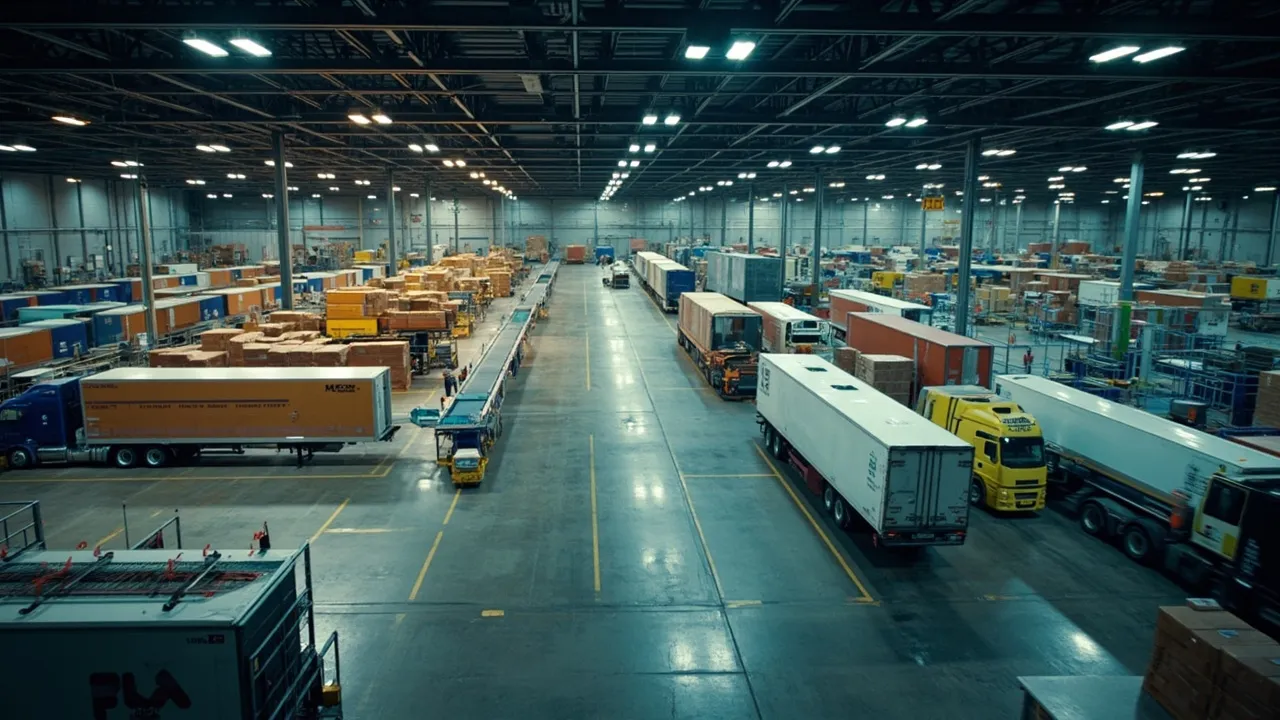
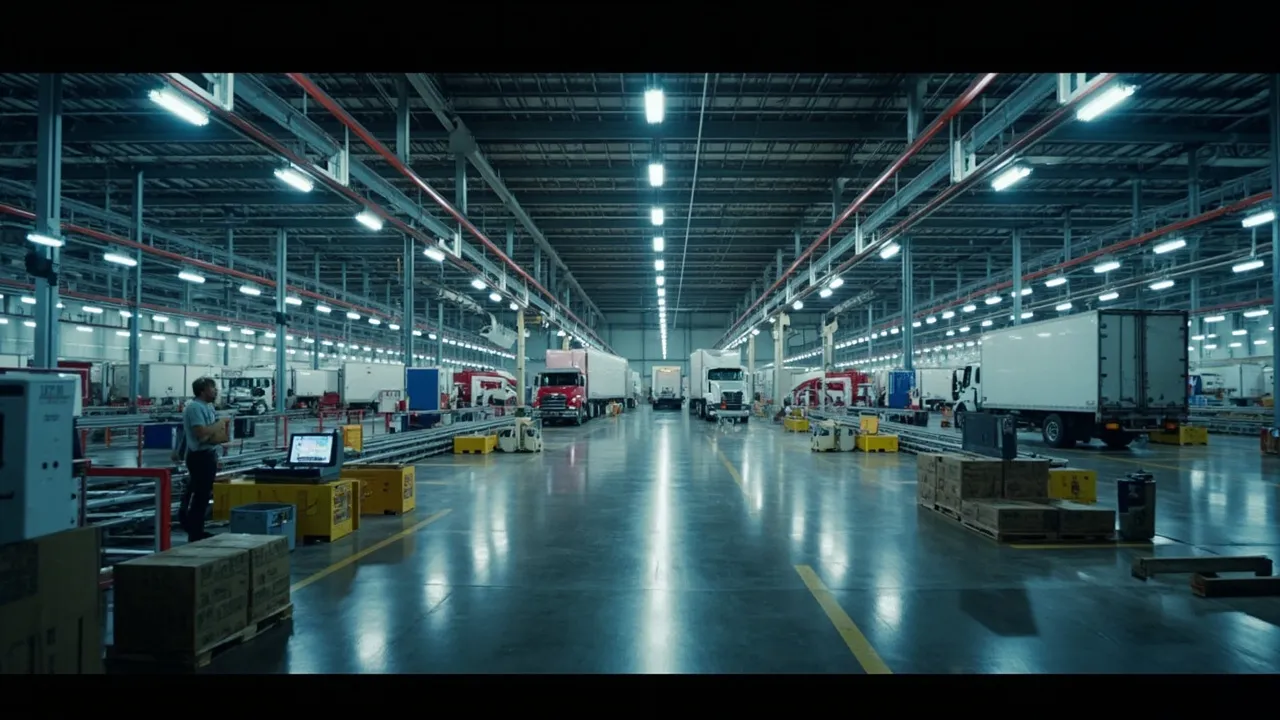
Supply Chain Dive reported that the facility is intended to strengthen Lululemon's U.S. and Canada fulfillment capabilities. The site features an AutoStore system to support automated operations and help move product efficiently. The detail that matters for logistics leaders is not simply that another retailer added automation. It is that the facility sits inside a cross-border North American fulfillment model where geography, duty treatment, parcel zones, and inventory promises interact.
That makes the distribution center less like a warehouse and more like a control point.
The Border Is Part of the Fulfillment Promise
Cross-border fulfillment can create real leverage. A Canadian node can support Canadian demand, eastern U.S. demand, regional e-commerce coverage, and store replenishment with a different cost and service profile than a U.S.-only network. But the same structure can also introduce hidden complexity if the operating logic is not explicit.
Supply Chain Dive previously reported that about two-thirds of Lululemon's U.S. e-commerce orders were fulfilled through Canada, and that most would historically have qualified for the de minimis exemption. That statistic explains why border-aware fulfillment cannot be treated as a back-office compliance issue. When a large share of demand crosses the border before reaching the customer, customs rules, documentation quality, landed-cost assumptions, and parcel handoffs become part of the customer experience.
The risk is not only tariff cost. It is timing. A shipment can be picked accurately, packed efficiently, and injected into the parcel network quickly, then still miss the customer promise because customs data, product classification, carrier service, or return routing was not modeled in the original fulfillment decision.
That is the operational lesson: omnichannel nodes need to know which orders are border-sensitive before they are allocated.
Retail Networks Are Being Forced to Adapt
The broader retail backdrop supports the same conclusion. Deloitte's 2026 Retail Industry Global Outlook is based on a survey of 330 global retail executives and argues that adaptability is likely to separate leaders from the rest in 2026. For supply chain teams, adaptability is not an abstract leadership trait. It shows up in whether inventory can move to the right channel, facility, carrier, and market without creating avoidable cost or service failures.
Retailers are managing a channel mix that keeps shifting. Stores still matter, but e-commerce orders create single-unit pick pressure, parcel-zone sensitivity, and higher return complexity. Store replenishment requires predictable cadence and carton discipline. Promotions can shift demand across borders faster than static allocation rules can keep up. Returns may need to flow to stores, repair centers, resale channels, outlet networks, or central processing hubs.
In that environment, a distribution center location decision affects more than distance. It changes the organization's ability to decide where inventory should sit, which customer promises are profitable, how quickly stores can be recovered after a demand spike, and which orders should avoid a cross-border leg altogether.
Build the Border-Aware Node Model
A border-aware node model starts with SKU velocity. Fast movers, seasonal items, launch products, limited colors, and high-return categories should not be treated the same. A high-velocity SKU may justify forward positioning in both countries. A slower item may be better centralized, as long as the promise date and duty exposure are understood before the order is accepted.
Store geography comes next. The model should identify which stores are served most reliably from each node, where replenishment cutoffs matter, and which locations need emergency recovery options. Store service is often where e-commerce-centric fulfillment logic breaks down. A node that is excellent for parcel injection may still be wrong for a store cluster if it creates missed delivery windows or awkward carrier handoffs.
E-commerce demand should be mapped by postal code, promised delivery window, basket profile, and return probability. Parcel zones matter because the fulfillment node can determine whether an order lands inside a profitable ground service window or requires a more expensive upgrade. Inbound Logistics' explainer on order cycle time notes that the metric sits at the intersection of order management, shipping, and supply chain execution. That intersection is exactly where border-aware fulfillment either works or fails.
Customs exposure needs its own field in the decision logic. Retailers should know whether a shipment requires additional product data, origin documentation, duty calculation, broker involvement, or exception handling before inventory is assigned. This is especially important when the same item can serve demand in both countries but the operating path changes the landed cost and delivery risk.
Return path is just as important as outbound flow. Apparel returns can be frequent, condition-sensitive, and time-sensitive. The model should define whether a return goes back to the original node, a store, a local consolidation point, a refurbishment workflow, or a liquidation channel. A cheap outbound route can become expensive if the reverse path is vague.
Finally, the carrier mix has to be connected to the promise. Truckload, LTL, parcel, regional carriers, postal injection, cross-border brokers, and store delivery routes all need different cutoff times and exception rules. The node model should show which carrier options are valid for each order type, not leave that decision to manual escalation after a service miss.
Automation Needs Network Context
Automation inside the building can improve throughput, accuracy, and labor productivity. But automation does not decide the right node strategy by itself. A high-performing automated DC still needs clean inbound plans, order allocation rules, carrier service maps, customs data, and return instructions.
That is where many omnichannel networks lose margin. They invest in faster fulfillment capacity but keep transportation, customs, parcel rating, store replenishment, and customer communication in separate workflows. The result is a facility that can process orders quickly while the network around it still makes slow or expensive decisions.
For North American retailers, the better question is whether every order can carry the context needed to choose the right fulfillment path: SKU, customer location, store impact, duty exposure, promised date, inventory position, carrier option, return expectation, and margin threshold.
CXTMS helps freight forwarders and logistics companies coordinate inbound, outbound, parcel, store replenishment, carrier, customs, and exception data in one transportation operating layer. That matters because border-aware fulfillment is not solved by a map pin. It is solved by connecting fulfillment decisions to the transportation rules that determine cost, service, and customer trust.
If your network is adding nodes, crossing borders, or trying to make omnichannel promises profitable, schedule a CXTMS demo. We will show how connected execution data helps turn fulfillment complexity into controlled logistics decisions.