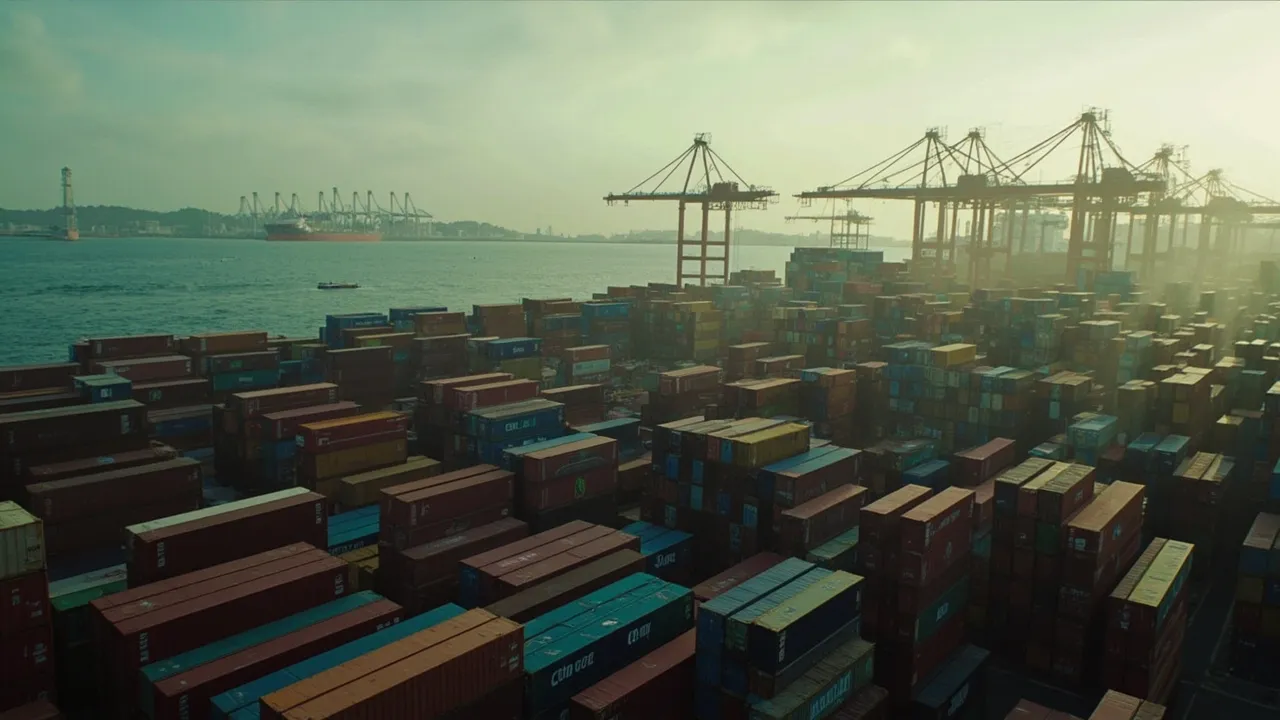
Freight Tracking Number Lookup Fails When Status Codes Do Not Match Reality

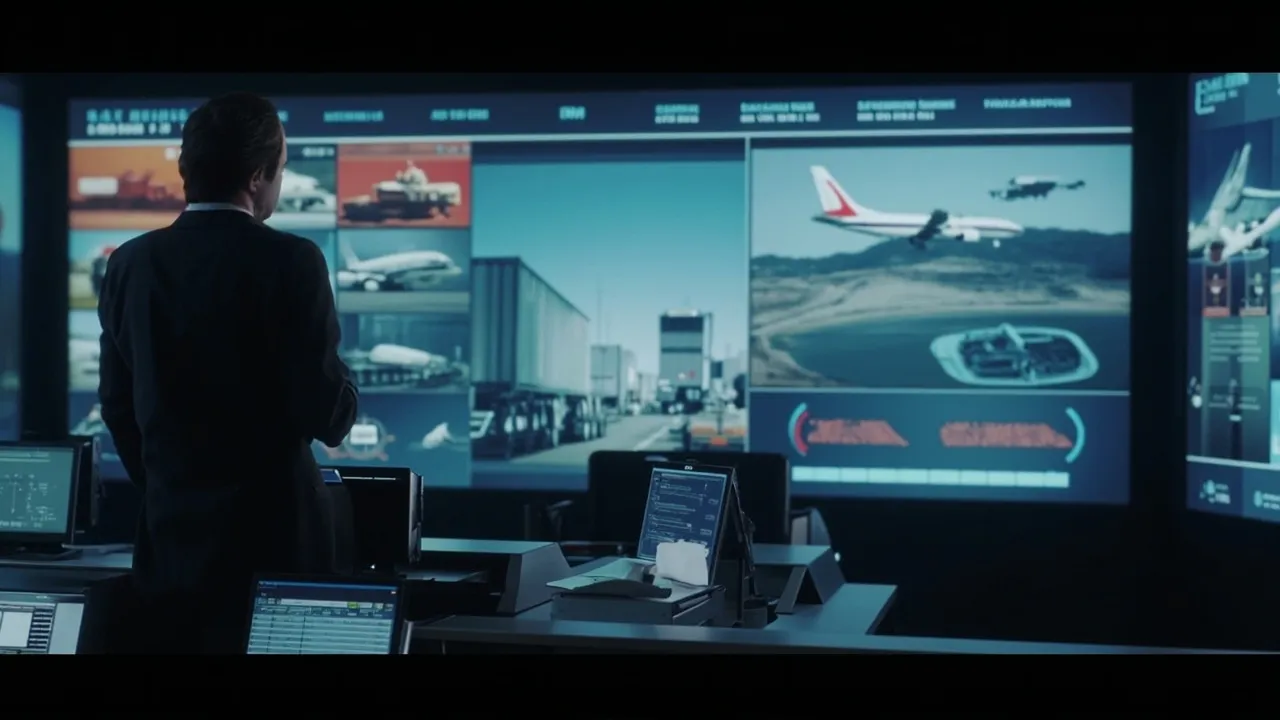
Search demand around "freight tracking number lookup" tells a simple story: customers, brokers, shippers, consignees, and service teams want one answer. Where is the freight?
The operating reality is less simple. A parcel tracking number, LTL PRO number, air waybill, ocean booking, rail container event, and intermodal appointment can all describe movement, but they do not speak the same language. One carrier says "in transit." Another says "departed terminal." A port feed shows a container discharged. A warehouse sees no appointment change.
That gap is where freight visibility breaks down. Tracking is not just a number lookup. It is translation.
Visibility Has Become Table Stakes
Inbound Logistics' 2026 guide to logistics tracking defines tracking as monitoring the movement, storage, and status of goods across the entire supply chain. The article points to the basic architecture behind modern tracking: data collection tools, communication networks, and analytical software. It also notes that GPS, RFID, and IoT sensors now feed real-time tracking data into logistics systems so companies can improve visibility, optimize routes, reduce manual errors, and send timely notifications.
That matters because freight status is now customer-facing. A shipment update shapes inventory planning, receiving labor, customer service workload, claims exposure, and trust.
FreightWaves' coverage of the 2026 State of Logistics Report shows why the stakes are high. U.S. business logistics costs totaled $2.4 trillion, or 7.8% of GDP, last year. The report also described volatility as a permanent feature of the operating environment, with structural forces including geoeconomic realignment, labor and productivity constraints, tightening financial conditions, and energy price volatility.
In that kind of market, a vague tracking status is expensive. It can delay a receiving decision, hide a service failure, trigger unnecessary customer calls, or keep a planner from rerouting before the window closes.
Why Number Lookup Alone Fails
Freight has no universal tracking grammar. Each mode has its own operating model.
Parcel networks update frequently because package scans happen at dense physical nodes. LTL carriers often center visibility on the PRO number, terminal activity, pickup, linehaul, destination arrival, out-for-delivery status, and delivery exception. Truckload updates may depend on ELD, driver app, dispatcher check call, GPS ping, facility geofence, or broker-carrier message. Air cargo uses flight, tender, acceptance, departure, arrival, recovery, customs, and delivery milestones. Ocean freight follows booking, gate-in, loaded on vessel, departed, transshipped, discharged, customs release, outgate, and empty return. Intermodal adds rail ramp, container, chassis, dray appointment, and storage risk.
All of those may be true. None of them automatically tells the shipper whether the customer promise is still safe.
That is the core failure in many lookup workflows. They answer the carrier question, not the business question. A technically correct event can still hide the real exception:
- The LTL shipment is "at destination terminal," but the consignee delivery appointment was missed.
- The ocean container is "discharged," but customs release has not posted and the last free day is approaching.
- The truckload shipment is "in transit," but the driver cannot legally make the requested appointment.
- The air shipment is "arrived," but recovery and handoff to final delivery are still pending.
- The intermodal move is "available," but no dray carrier has accepted the pickup.
In each case, the number lookup returns a status. Operations still needs meaning.
Build a Normalized Tracking Record
A usable tracking record starts with the identifier but does not stop there.
First, capture the carrier PRO, tracking number, booking, waybill, bill of lading, or container number. Tie the identifier to the shipment, order, customer, carrier, and mode so teams are not guessing which record belongs to which promise.
Second, store the mode. "Available" in parcel, ocean, rail, and warehouse contexts can mean very different things. Preserve the original carrier phrase while mapping it to a standard milestone family.
Third, record the event code and event description. Keep the raw event for dispute resolution, but add an internal normalized code such as picked up, departed origin, in transit, arrived terminal, customs hold, appointment scheduled, out for delivery, delivered, or exception.
Fourth, use the event time and source time zone. A status without a timestamp is operationally weak. A status with the wrong time zone is worse because it creates false confidence around cutoffs, free time, detention, demurrage, receiving labor, and customer notifications.
Fifth, add the location. The next possible action depends on whether freight is at a facility, terminal, ramp, port, airport, cross-dock, or geofence.
Sixth, calculate the appointment impact. The system should compare the latest event against pickup, delivery, dock, vessel cutoff, flight departure, rail availability, and customer promise dates. This is where tracking becomes decision support.
Seventh, classify the exception. Late, damaged, short, over, refused, held, customs delay, weather delay, capacity issue, missed appointment, detention risk, demurrage risk, missing document, temperature alarm, and address problem should not all collapse into "delayed."
Finally, publish a customer-facing promise state. Customers usually do not need every internal code. They need a clear answer: on schedule, at risk, delayed, awaiting appointment, action required, delivered, or exception under review.
Tracking Data Needs Governance
Inbound Logistics' 2026 Top 100 Logistics & Supply Chain Technology Providers shows how broad the technology category has become. Editors highlighted solutions across TMS, WMS, AI, robotics, transportation optimization, logistics event management, global visibility, partner collaboration, automated audit trails, freight billing, document processing, and track-and-trace customer service.
That breadth is useful, but it also explains the data problem. A shipper may receive updates from EDI, API, carrier portals, driver apps, telematics feeds, emails, warehouse scans, customer portals, customs brokers, and 3PL systems. If every source updates the shipment differently, the company gets more data without more control.
Governance is what turns tracking data into an operating record. The team needs rules for source priority, duplicate events, stale statuses, conflicting timestamps, manual overrides, customer-facing language, exception ownership, and audit history.
Without those rules, a tracking page can look modern and still mislead the business.
Where CXTMS Fits
CXTMS helps logistics teams move beyond lookup screens and build normalized multimodal tracking records. Carrier milestones, shipment identifiers, timestamps, locations, appointment impacts, exception classes, documents, and customer promise states can live in one execution record.
That gives operations a cleaner way to answer the question behind every freight tracking number lookup. Not just "what did the carrier last say?" but "what does this status mean for the shipment, the appointment, the customer, and the recovery plan?"
When visibility is normalized, customer service teams stop translating carrier language by hand. Planners see which freight is actually at risk. Managers can measure recurring exception patterns by carrier, lane, mode, facility, and customer. Finance and claims teams have a stronger event trail when delivery performance or accessorial charges are disputed.
Freight tracking should not require people to understand five modal vocabularies before they can decide what to do next. It should convert status codes into operational meaning.
Ready to make freight tracking results explain themselves? Request a CXTMS demo and see how normalized shipment visibility turns carrier events into useful exception alerts and customer-ready status updates.