B2B Delivery Experience Goes Real-Time: How Live Freight ETAs Are Becoming the New Industrial Baseline in 2026

For decades, B2B freight delivery operated on a simple promise: it'll get there sometime this week. Construction foremen, plant managers, and agricultural buyers accepted vague delivery windows as the cost of doing business. A pallet of steel coils arriving "Tuesday or Wednesday" was good enough.
That era is over.
In 2026, industrial B2B buyers expect the same real-time tracking and live ETA updates they get when ordering a phone case from Amazon. The shift isn't just a preference — it's reshaping supplier selection, contract negotiations, and the entire competitive landscape of heavy freight logistics.
The New B2B Baseline: Consumer-Grade Expectations Hit the Jobsite
The consumerization of B2B delivery expectations has reached a tipping point. According to FedEx's 2026 B2B Business Trends report, 75% of B2B buyers say they would switch suppliers for a better experience — and delivery visibility sits at the top of that experience stack.
Home Depot Pro, Grainger, and Fastenal have already set the standard for industrial distribution. Their customers — contractors ordering 80-pound bags of concrete, HVAC technicians waiting on compressor units, and facility managers tracking janitorial supplies — now see live ETAs with 15-minute accuracy windows on their phones.
This isn't a luxury feature. It's the baseline against which every B2B supplier is now measured.
Why B2B Is Harder Than B2C Tracking
While consumers track a single parcel from warehouse to doorstep, B2B freight visibility faces an entirely different set of challenges:
- Partial truckload complexity: A single flatbed may carry deliveries for six different jobsites across three counties, making per-stop ETA prediction significantly harder than point-to-point parcel tracking.
- Multi-stop route variability: Unlike fixed last-mile delivery routes, heavy freight often navigates construction zones, weight-restricted bridges, and unpaved jobsite access roads that GPS routing databases don't accurately reflect.
- Receiver availability uncertainty: A B2C package can sit on a porch. A 40,000-pound steel delivery requires a crane operator, a flagman, and sometimes road closures — all coordinated around a precise arrival time.
- Cross-carrier handoffs: Intermodal shipments moving from rail to drayage to final-mile flatbed introduce multiple data gaps where visibility traditionally goes dark.
These complexities explain why B2B delivery tracking has lagged B2C by nearly a decade. But in 2026, the technology stack has finally caught up.
The Technology Stack Powering Live B2B ETAs
Modern B2B delivery visibility relies on four interconnected layers working in concert:
1. Telematics and IoT Integration
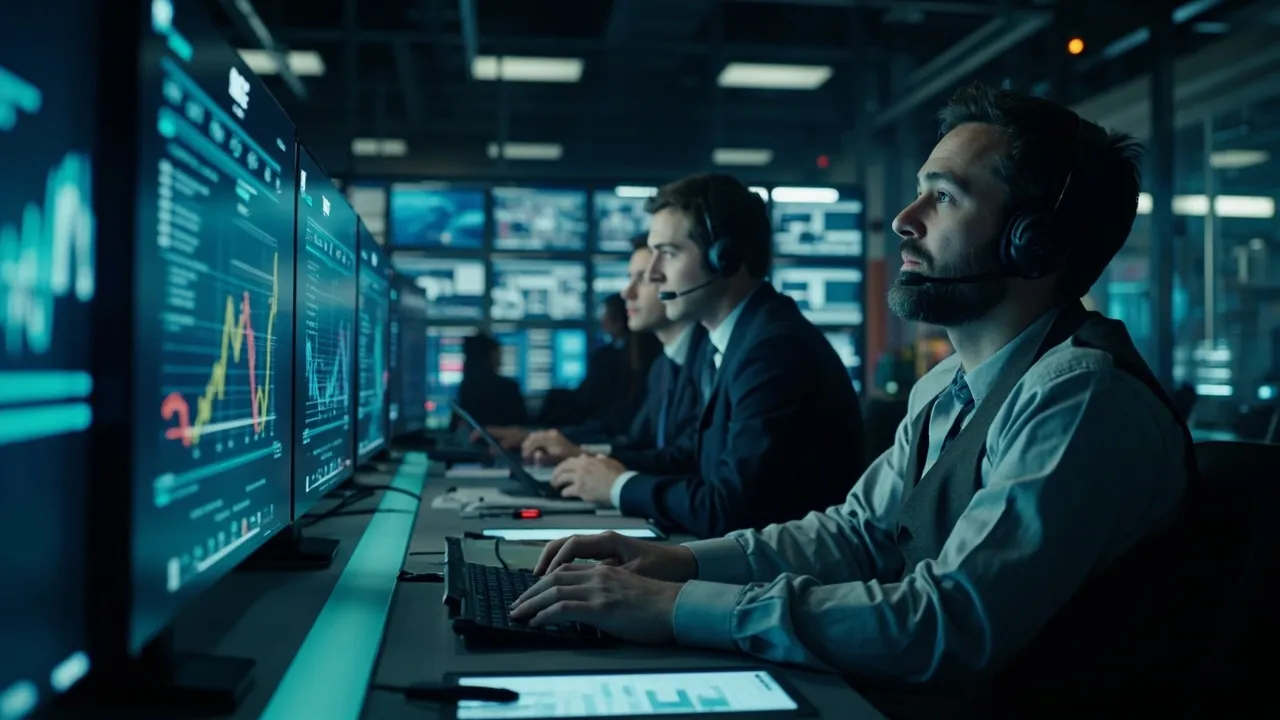
IoT-enabled sensors now detect more than 60% of potential supply chain disruptions earlier, according to industry research cited by FedEx. For heavy freight, this means ELD (Electronic Logging Device) data, trailer-mounted GPS, and even tire-pressure sensors feeding continuous location and status updates into centralized visibility platforms.
2. Predictive Arrival Algorithms
Raw GPS coordinates don't create accurate ETAs. Machine learning models now ingest historical delivery data, real-time traffic feeds, weather patterns, and facility-specific dwell times to predict arrivals with increasing precision. Carriers that prove their "Live ETA" accuracy through these integrations are winning freight volume in 2026, as schedule integrity becomes more valuable than rock-bottom rates.
3. Geofencing and Automated Alerts
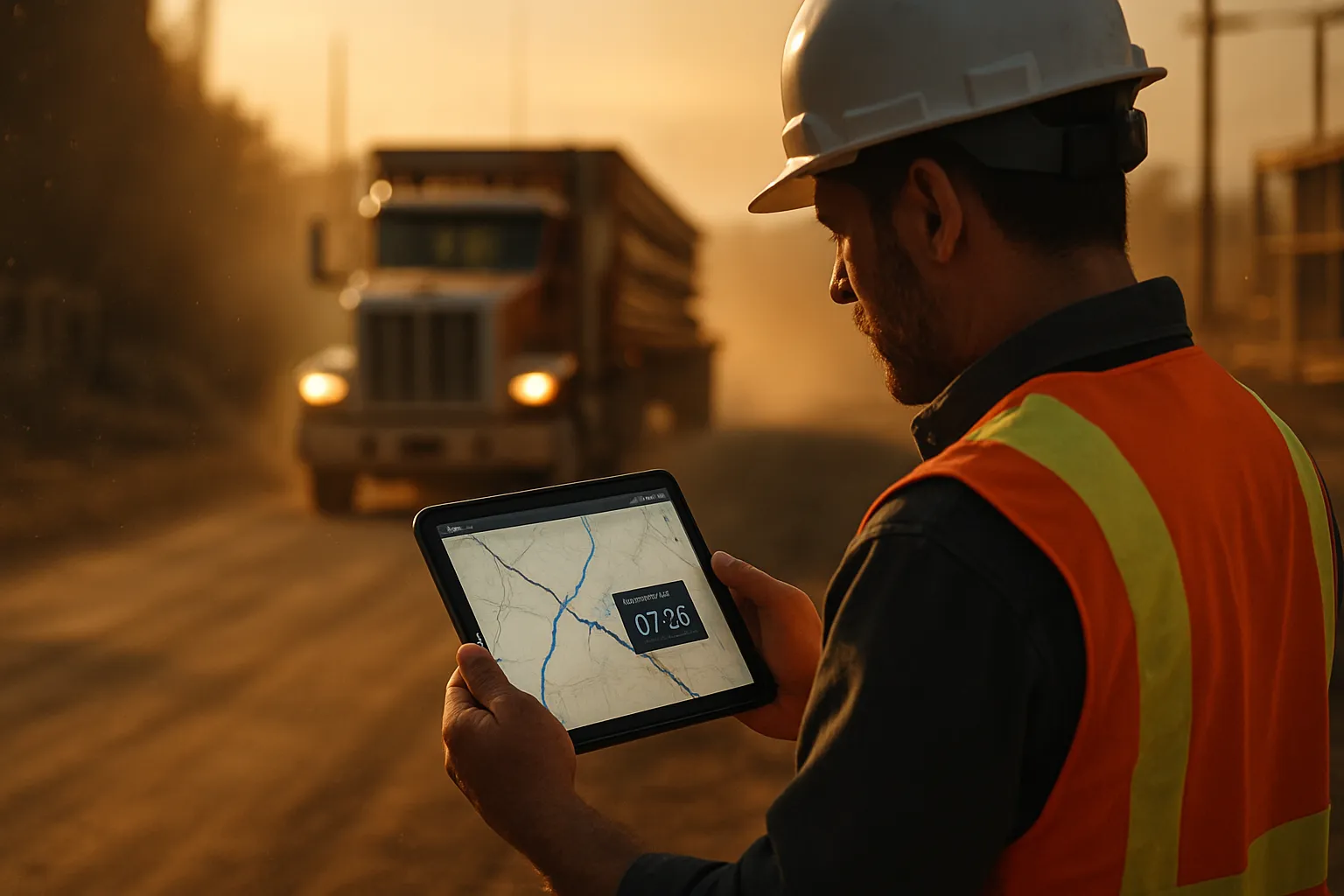
Geofences around delivery locations trigger automated notifications when trucks enter defined proximity zones — typically at 60-minute, 30-minute, and 15-minute intervals. For construction sites, this means the crane operator gets a text when the flatbed is 30 minutes out, eliminating the three-hour standby that used to be standard practice.
4. Beyond Visibility: Automated Execution
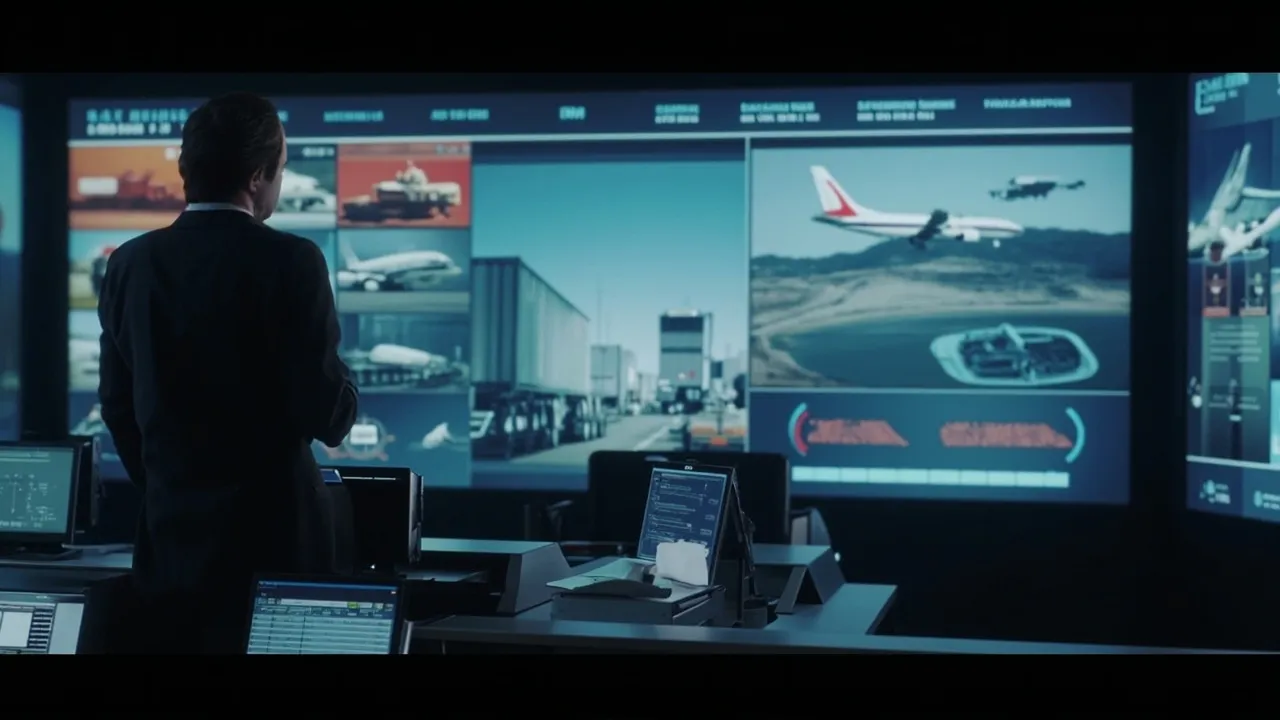
The most advanced platforms now go beyond simply showing where a truck is. As Logistics Business recently reported, the industry is moving toward a "beyond visibility" model where systems don't just detect disruptions — they automatically generate optimized alternatives. When a delivery will miss its window, the platform reroutes, reschedules, and notifies all parties without human intervention.
The ROI of B2B Delivery Experience
The business case for live freight ETAs extends far beyond customer satisfaction:
Reduced Detention Costs
Detention charges — fees assessed when a truck waits beyond its allotted loading or unloading window — cost the U.S. trucking industry billions annually. When receivers know precisely when a truck will arrive, they can staff docks appropriately and eliminate the 2-3 hour wait times that trigger detention fees. Companies deploying real-time visibility have reported detention cost reductions of 20-35%.
Fewer Missed Delivery Appointments
Missed appointments cascade through B2B supply chains. A missed concrete delivery doesn't just delay one task — it idles an entire construction crew. Live ETAs allow receivers to dynamically adjust schedules, shifting work sequences to accommodate late arrivals rather than losing the entire day.
Lower Safety Stock Requirements
When buyers trust delivery timelines, they carry less buffer inventory. The connected logistics market — valued at an estimated $38.31 billion in 2026 and projected to reach $70.16 billion by 2031 according to Mordor Intelligence — is growing precisely because visibility translates directly into working capital savings.
Customer Retention and Revenue Protection
The 75% of B2B buyers willing to switch suppliers over experience aren't making idle threats. In commoditized industrial categories — fasteners, building materials, MRO supplies — delivery experience is often the only differentiator. Suppliers who provide live tracking are locking in contracts that competitors without visibility simply can't win.
The Supplier's Dilemma: Build, Buy, or Lose
For B2B suppliers and distributors, the visibility mandate creates a strategic fork:
- Enterprise players like HD Supply and Grainger have built proprietary tracking ecosystems integrated into their e-commerce platforms.
- Mid-market distributors are increasingly adopting cloud-based TMS platforms with embedded visibility, avoiding the multi-year custom integration projects that once made real-time tracking prohibitively expensive.
- Small suppliers who can't offer live ETAs are being systematically excluded from procurement shortlists, especially by large general contractors and manufacturing operations that mandate visibility in their RFPs.
The window for "we'll get to it eventually" is closing. As Supply Chain Dive reported, 2026's freight market offers favorable pricing conditions for shippers — which means buyers are shifting their evaluation criteria from cost to service quality, with delivery visibility topping the list.
How CXTMS Enables B2B Delivery Experience at Scale
CXTMS provides the real-time tracking and predictive ETA capabilities that B2B shippers and receivers need to meet 2026's delivery experience expectations. Our platform integrates telematics data from hundreds of carrier networks, applies machine learning-driven arrival predictions, and delivers automated geofence alerts to every stakeholder in the delivery chain.
Whether you're managing flatbed deliveries to construction sites, LTL shipments to manufacturing plants, or bulk material drops at agricultural operations, CXTMS gives your customers the live visibility they now demand — and gives your operations team the data to eliminate detention costs, reduce missed appointments, and protect customer relationships.
Ready to make real-time delivery visibility your competitive advantage? Request a CXTMS demo today and see how live freight ETAs can transform your B2B delivery experience.