Wayfair's Home Delivery Network Lessons Point to the Hard Part of Big-and-Bulky Logistics

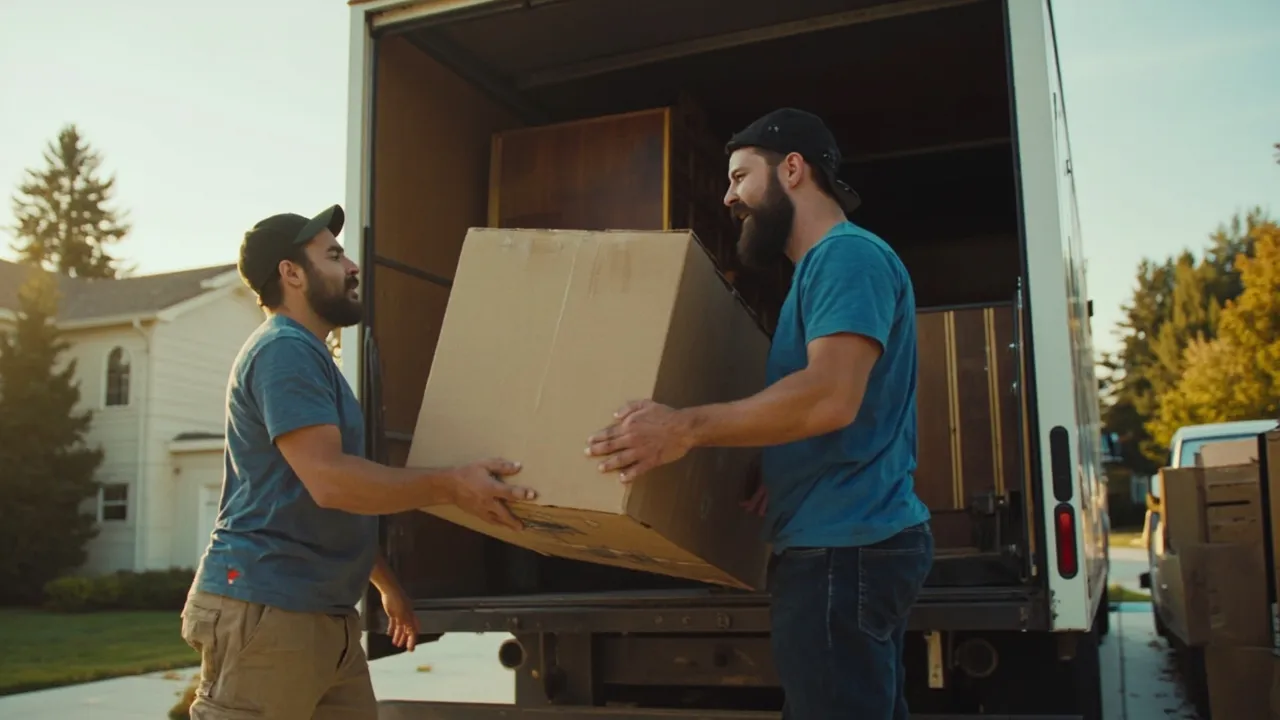
Big-and-bulky delivery looks simple only from a distance. A customer orders a sofa, mattress, appliance, or dining set. A truck shows up. Two people carry it inside. The order is done.
In practice, that final handoff is where a logistics network either proves itself or exposes every weak link upstream.
Logistics Management reported that Nitin Kapoor, vice president of technology at Wayfair, will join the 2026 NextGen Supply Chain Conference keynote lineup for a session called "Building the Future of Home Delivery: Wayfair's Logistics Evolution." The session will focus on how Wayfair built and refined a logistics network around speed, reliability, scalability, and customer experience in one of retail's most demanding fulfillment environments.
That topic lands because home delivery is not just a transportation problem. It is a network-discipline problem. Dock sequencing, appointment promises, damage control, room-of-choice service, returns, carrier specialization, customer contact history, and cost-to-serve all interact on the same order.
The Segment Is Too Large To Treat Casually
Big-and-bulky final mile has moved well beyond a niche service. Inbound Logistics reported that Armstrong & Associates estimated the U.S. 3PL big-and-bulky market at $9.3 billion, with an 11.8% compound annual growth rate from 2022 to 2025. The same article noted that final-mile delivery can represent up to 40% of total transportation cost.
Those economics explain why the operating details matter. A small parcel delivery can absorb a surprising amount of system noise. A bulky home delivery cannot. If the wrong item reaches the dock, the box truck cube is wasted. If the appointment is missed, two-person labor and route density are wasted. If the item is damaged at the threshold, the network inherits a replacement move, a return, and a customer-service case.
Revenue per stop also varies sharply based on service level. Inbound Logistics cited Armstrong & Associates data showing last-mile provider revenue averaging less than $90 per shipment, while a whole bedroom set delivery could move from roughly $50 to $250 when installation is included. That gap is the business model in miniature: value-added service can create margin, but only if the execution system knows what was promised and what actually happened.
Broader last-mile growth adds pressure. Mordor Intelligence estimates Mexico's last-mile delivery market will increase from $17.65 billion in 2026 to $30.32 billion by 2031, an 11.43% CAGR. Its report also says standard delivery held 53.45% market share in 2025, while same-day delivery is forecast to grow at a 12.45% CAGR through 2031. Even though that report covers Mexico, the operational pattern is familiar across markets: faster delivery promises require denser nodes, better routing, cleaner customer communication, and fewer failed attempts.
Big Items Break Weak Processes
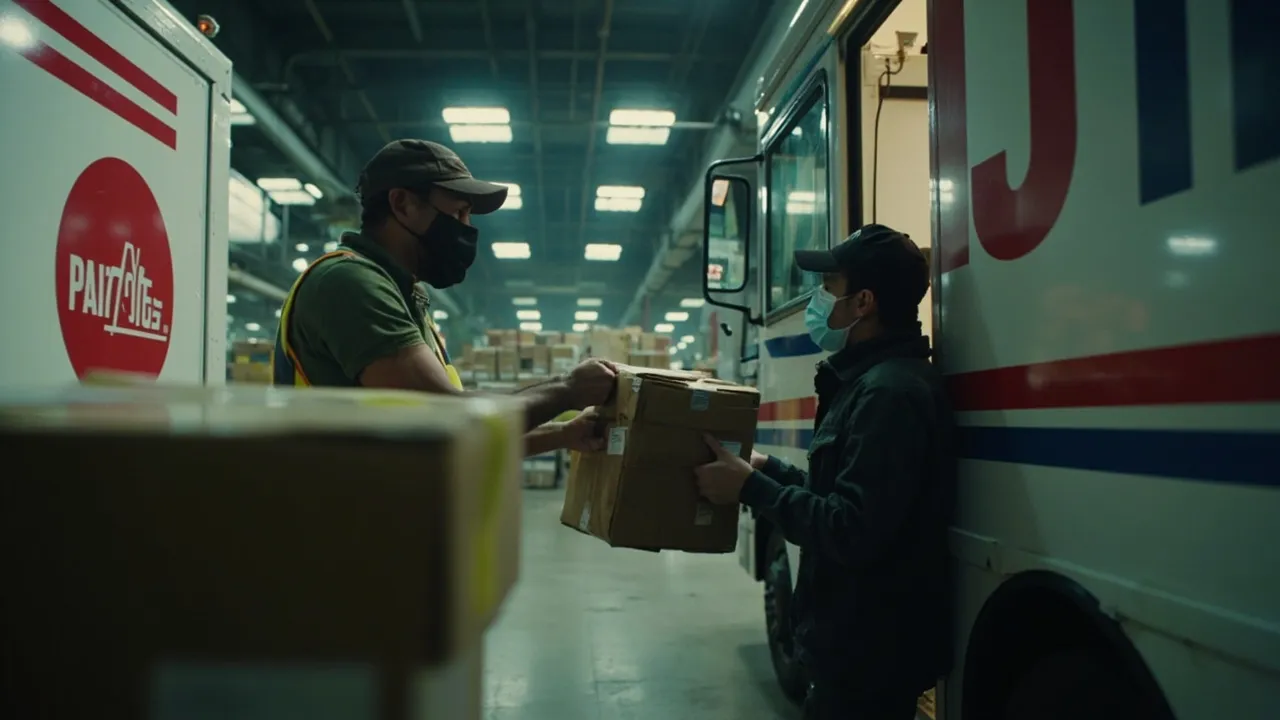
A late inbound trailer can push dock sequencing out of order, force a route rebuild, and move a delivery outside the customer's appointment window. The customer may not be home for a two-person delivery later in the day. The carrier may mark the stop as attempted, but the retailer still owns the experience. If the shipment then returns to a local hub, the order has created extra handling touches before anyone has solved the original promise failure.
Damage control is just as connected. Large items are vulnerable because they are touched more often, staged longer, and moved through less-forgiving environments than parcels. A scuffed cabinet, crushed appliance corner, or torn sofa fabric might be discovered at the dock, on the truck, at the curb, inside the home, or only after the crew leaves. Each location tells a different story. Without a structured reason code and photo-backed event history, the operation cannot tell whether damage is coming from packaging, linehaul, cross-dock handling, route loading, delivery crew handling, or customer-site constraints.
Returns make the network even more complicated. A parcel return can often ride a standardized carrier flow. A bulky return needs an appointment, equipment, labor, space, inspection, disposition, and sometimes packaging that no longer exists. If the return reason is not linked to the original delivery record, the same service failure can repeat without becoming visible.
Build The Operating Scorecard
A useful big-and-bulky scorecard starts with first-attempt success. The best networks know whether a failed first attempt came from customer unavailability, bad address data, late route arrival, access constraints, missing parts, damaged goods, or carrier capacity. "Failed delivery" is too vague to improve.
Damage reason should be the second metric. Teams need consistent codes for concealed damage, visible carton damage, handling damage, missing components, refused condition, and customer-site incident. The goal is to identify where the next dollar of prevention belongs.
Appointment change history belongs in the same view. A delivery promise that changes three times may still end in a completed stop, but the customer experience and labor efficiency are already degraded. Appointment churn is an early warning signal for capacity imbalance, inventory readiness issues, or poor customer communication.
Route density should be measured against service type, not just stop count. Six doorstep drops and six room-of-choice installations are not the same route. Install, assembly, stair carry, elevator constraints, haul-away, and site access should shape expected productivity.
Dwell time, accessorials, and customer-contact history close the loop. Bulky inventory consumes space quickly, and fees for stair carry, assembly, failed attempts, storage, wait time, re-delivery, and disposal can turn a seemingly acceptable delivery cost into a margin problem. Customer communication records should stay with the shipment so operations can see whether a service failure was avoidable.
Where CXTMS Fits
CXTMS is built for the messy middle where transportation plans, carrier actions, exceptions, customer promises, and financial outcomes meet.
For bulky freight, CXTMS can act as the execution layer for order flow, carrier assignment, appointment status, route exceptions, delivery proof, returns, accessorials, and cost-to-serve visibility. Teams need to know which carrier owns the stop, which service level was sold, which appointment is confirmed, which exception is open, which customer promise is at risk, and what the order is actually costing.
With CXTMS, a shipper can compare first-attempt success by lane, carrier, product class, and service level. It can track damage reasons against handling points instead of burying them in claims notes. It can connect appointment changes to route density and labor utilization. It can show whether accessorials are normal service costs or signs of a broken process.
Wayfair's home delivery theme is a useful reminder for every retailer, manufacturer, distributor, and 3PL handling oversized freight: the last mile is not just the last leg. It is the place where inventory accuracy, dock discipline, routing, customer communication, service design, and margin all become visible.
If your big-and-bulky operation still runs on disconnected appointment calendars, carrier emails, claims notes, and spreadsheet cost reviews, schedule a CXTMS demo and see how delivery execution, exceptions, and cost-to-serve reporting can live in one operating view.