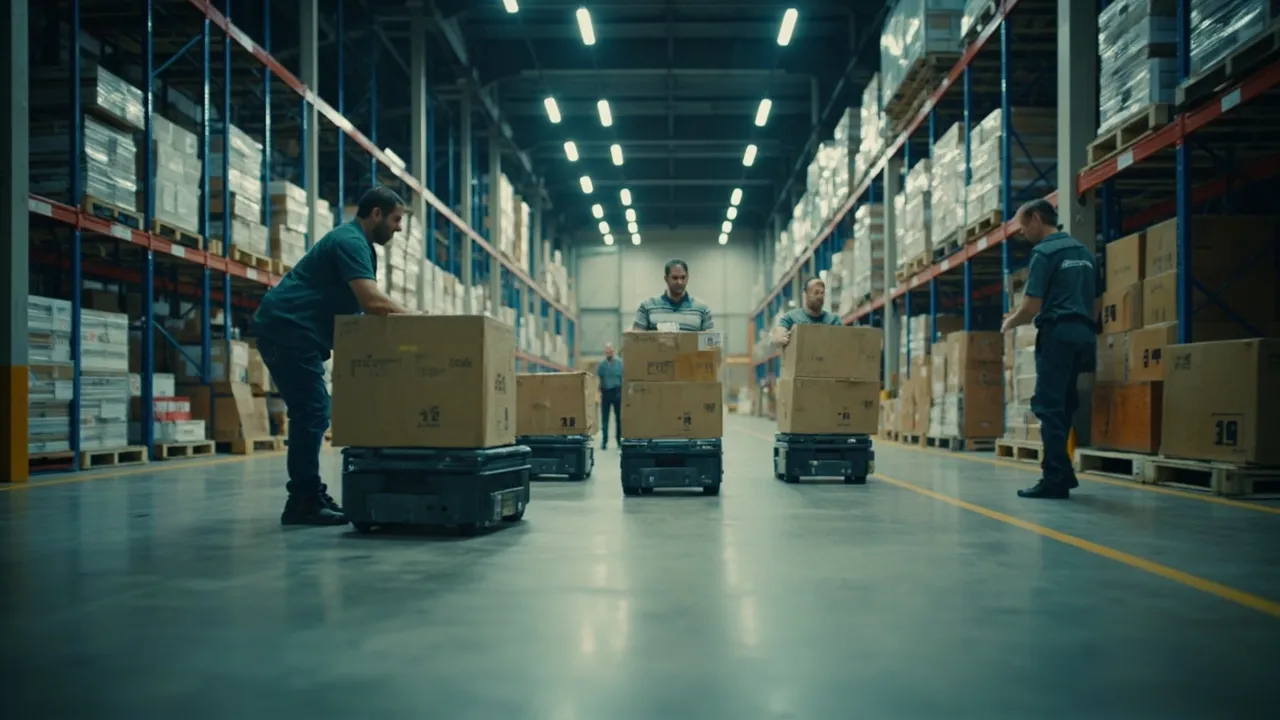
Warehouse Site Readiness Is Where New Logistics Facilities Quietly Fail

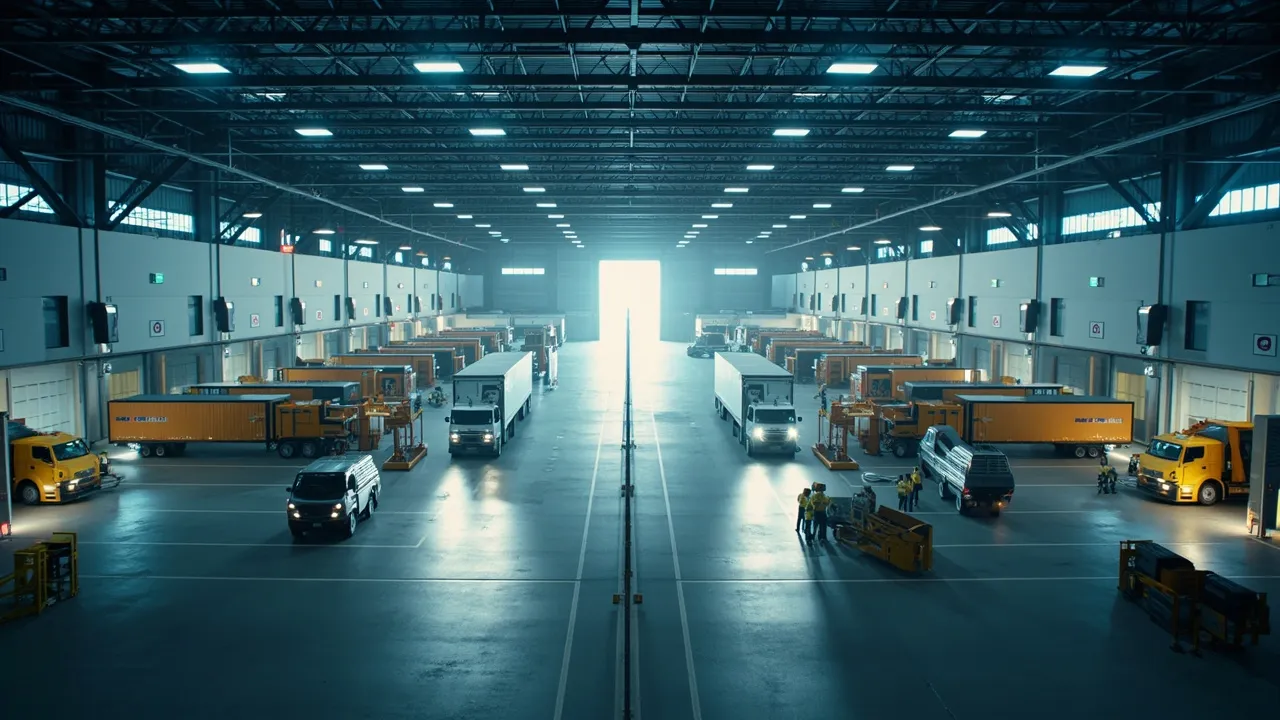
A new warehouse can look finished before it is operationally ready.
The racking is installed. The WMS is configured. Labor has been scheduled. The launch date is on the calendar. Then the first week turns chaotic because the building works on a floor plan but not for a first-time driver, temp worker, carrier rep, or supervisor trying to clear the dock at 6 a.m.
Inbound Logistics recently argued that new logistics facilities often miss the practical readiness details beyond racking and WMS: driver wayfinding, exterior identification, dock labels, visitor routing, safety signage, lighting, staging clarity, and the physical cues that make a building understandable on day one. That is the right lens. A facility launch fails quietly when the everyday decisions are not obvious.
This is not a cosmetic problem. It is a transportation problem. Trucks stack up when the inbound route is unclear. Carriers miss pickup windows when doors are mislabeled or blocked. Pallets sit in the wrong staging lane when the floor process and the physical environment disagree. Customer service inherits late-order noise that started as a site-readiness gap.
Warehousing Growth Raises The Launch Standard
The warehouse sector is too large, and too connected to customer promises, to treat go-live readiness as a punch-list afterthought. Mordor Intelligence estimates the global warehousing and storage services market at $544.11 billion in 2026, rising to $672.36 billion by 2031 at a 4.33% compound annual growth rate. Its report also says general warehousing held 52.15% market share in 2025, while short-term storage accounted for about 63.02% of the market.
Those numbers matter because growth means more facility launches, more reconfigurations, more temporary operating models, and more pressure on buildings to absorb omnichannel demand.
Every new node changes transportation behavior. An added warehouse may reduce parcel zones, shorten delivery miles, or improve inventory positioning. But only if the site can receive, stage, ship, and recover exceptions without creating its own bottleneck. A good location decision can still disappoint if the building cannot support the transportation rhythm assumed in the business case.
The Physical Details Decide The First Week
Site readiness starts outside the building. A carrier should know where to turn before reaching the driveway. Truck flow, employee parking, visitor entry, customer pickup, yard queueing, and emergency access should not compete for the same ambiguous space. If the launch plan depends on drivers calling dispatch for directions, the process is already compensating for a design miss.
Dock layout is next. Door numbers need to be visible from the angle a driver actually sees while backing. Inbound, outbound, parcel, returns, and will-call areas need labels that match the terms used in carrier instructions.
Staging space is where small layout errors become shipment exceptions. The go-live plan should define inbound receiving lanes, quality hold, returns, cross-dock freight, parcel induction, outbound pallet staging, hot orders, damaged goods, and customer pickups before inventory arrives. When those zones are vague, teams improvise. Improvisation may get freight off the dock, but it also destroys traceability.
Power, Wi-Fi, label stations, scan points, printers, battery charging, and handheld availability belong in the same readiness review. A facility can have the right system configuration and still lose time if label printers are too far from the pack area, scanners drop connection at the far end of the dock, or charging stations are placed where equipment blocks pedestrian flow.
Safety zones cannot be treated separately from throughput. Inbound Logistics points to OSHA exit-route requirements, including clearly visible marked exits and adequate lighting. If exit routes, forklift paths, pedestrian walkways, and emergency equipment are hard to see under launch conditions, the facility is not ready.
Connected Warehouses Need Connected Cutovers
Technology raises the stakes because modern warehouses depend on coordination across systems. Modern Materials Handling reported that more than half of respondents in Modern's 2026 Software & Automation Outlook said materials handling software use held steady over the past year, while another 42% said usage increased. The same coverage noted that 26% of respondents are actively using AI, up from 19% a year earlier, with another 29% evaluating it.
That software momentum makes physical readiness more important. A WMS, WES, TMS, dock scheduler, yard process, conveyor, scanner, or automation layer can only coordinate what the operation can consistently execute. If the dock plan is unclear, appointment rules are incomplete, or staging lanes are not enforced, connected software records the confusion faster.
A useful go-live control list should connect facility readiness to transportation readiness.
Start with carrier route and access. Every approved carrier should have the correct address, gate, check-in process, dock assignment logic, appointment contact, and after-hours escalation path. Test the route from the street, not from a conference room.
Then lock pickup and delivery windows. The site may be physically open, but the first week needs realistic receiving capacity, outbound cutoff times, labor coverage, and yard rules. A launch plan that accepts full normal volume before the dock team has stabilized is asking for detention, missed pickups, and customer-service churn.
Pallet flow and label flow come next. Teams should know where freight is received, scanned, labeled, staged, audited, loaded, and held when something is wrong. The exception desk should be named, staffed, and visible.
Finally, define the cutover date as an operating event, not a calendar milestone. Which orders belong to the old node? Which are routed to the new node? Which carriers are active on day one? Which customers need special monitoring? Which KPIs will be watched daily for the first two weeks? A clean cutover has ownership, not just optimism.
Where CXTMS Fits
CXTMS gives logistics teams a control layer for the launch period, when facility plans, carrier behavior, dock execution, and customer promises are changing at the same time.
For a new warehouse go-live, CXTMS can track launch milestones, carrier onboarding, appointment rules, dock exceptions, route instructions, pickup windows, shipment cutover dates, and early-life performance in one operating view. That matters because launch problems rarely stay inside the building. They become late pickups, missed appointments, detention, reroutes, customer escalations, and unclear cost-to-serve.
With CXTMS, teams can see which shipments depend on the new facility, which carriers have confirmed instructions, which docks are generating repeated exceptions, which appointments are slipping, and which customers are affected.
Warehouse site readiness is not glamorous. That is why it gets missed. But the details that seem small before go-live become the operating system customers experience after launch.
If your next facility launch is still being managed through construction checklists, carrier emails, dock notes, and spreadsheet cutover trackers, schedule a CXTMS demo and see how launch milestones, appointments, carrier onboarding, dock exceptions, and performance tracking can live in one transportation workflow.