UPS’s $100 Million Taiwan Hub Shows How Semiconductor Logistics Is Becoming a Premium Freight Discipline

Semiconductor logistics used to sound niche.
Now it looks like premium freight with its own operating rules.
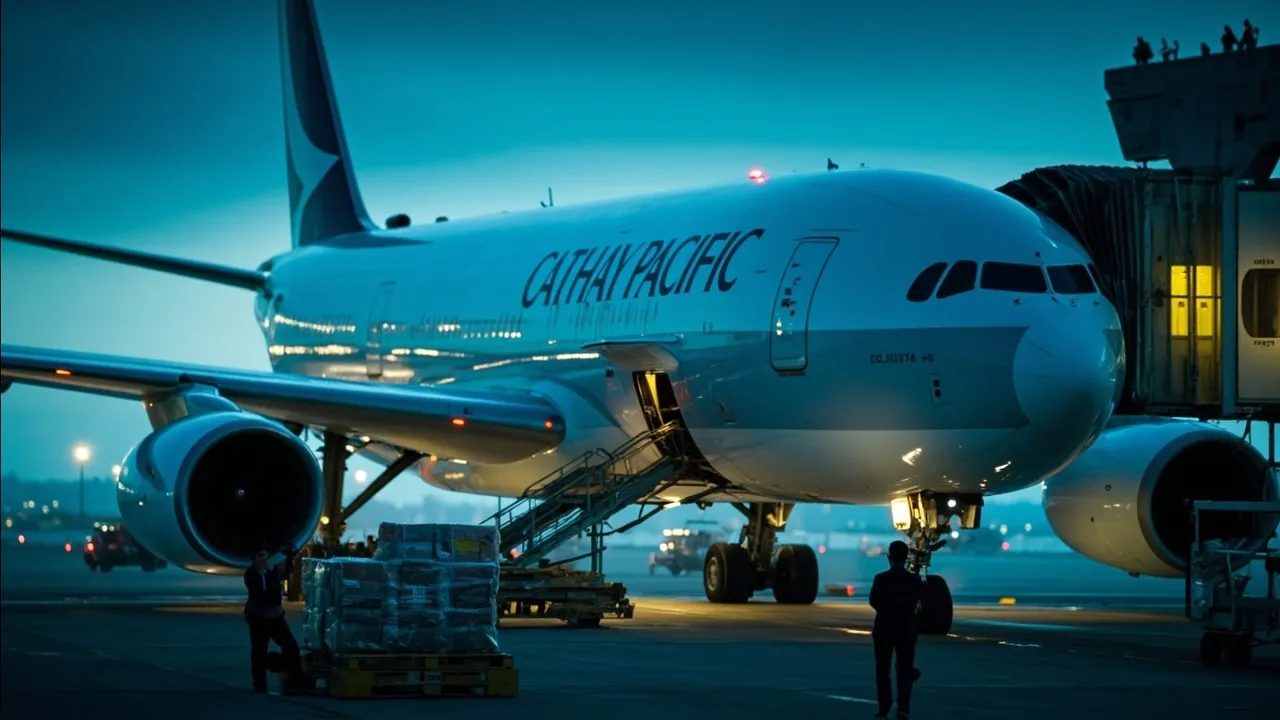
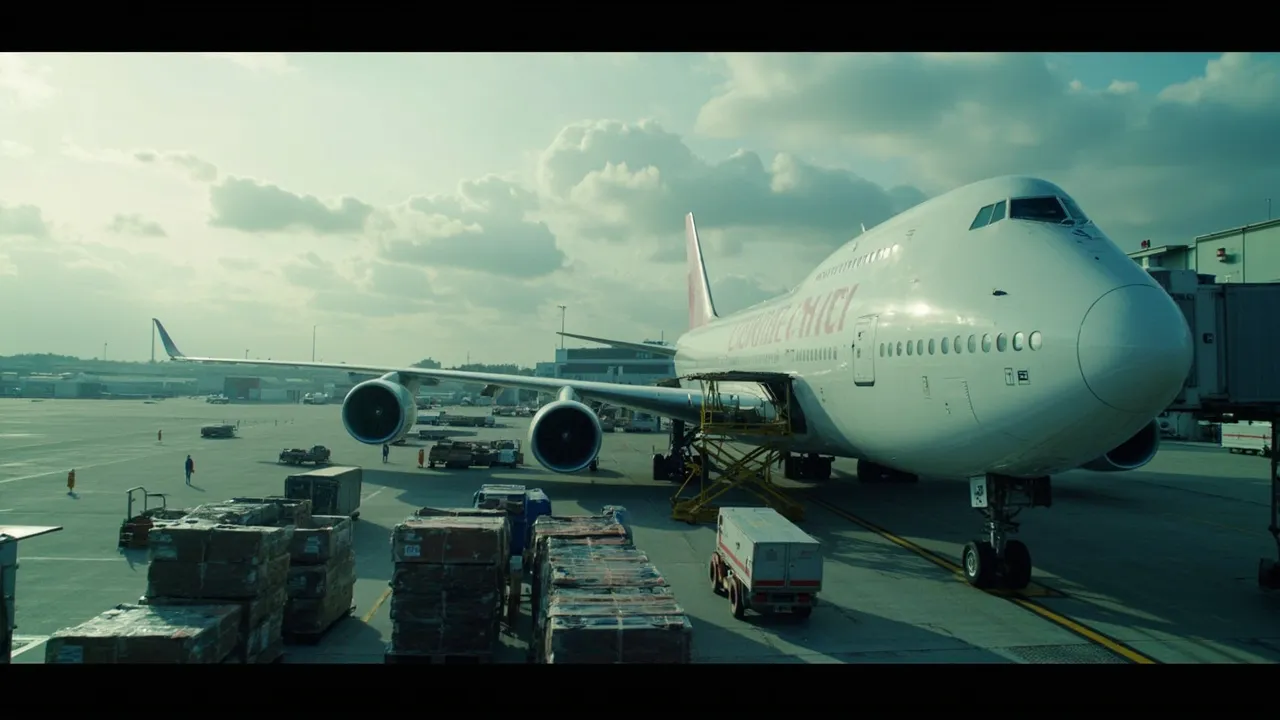
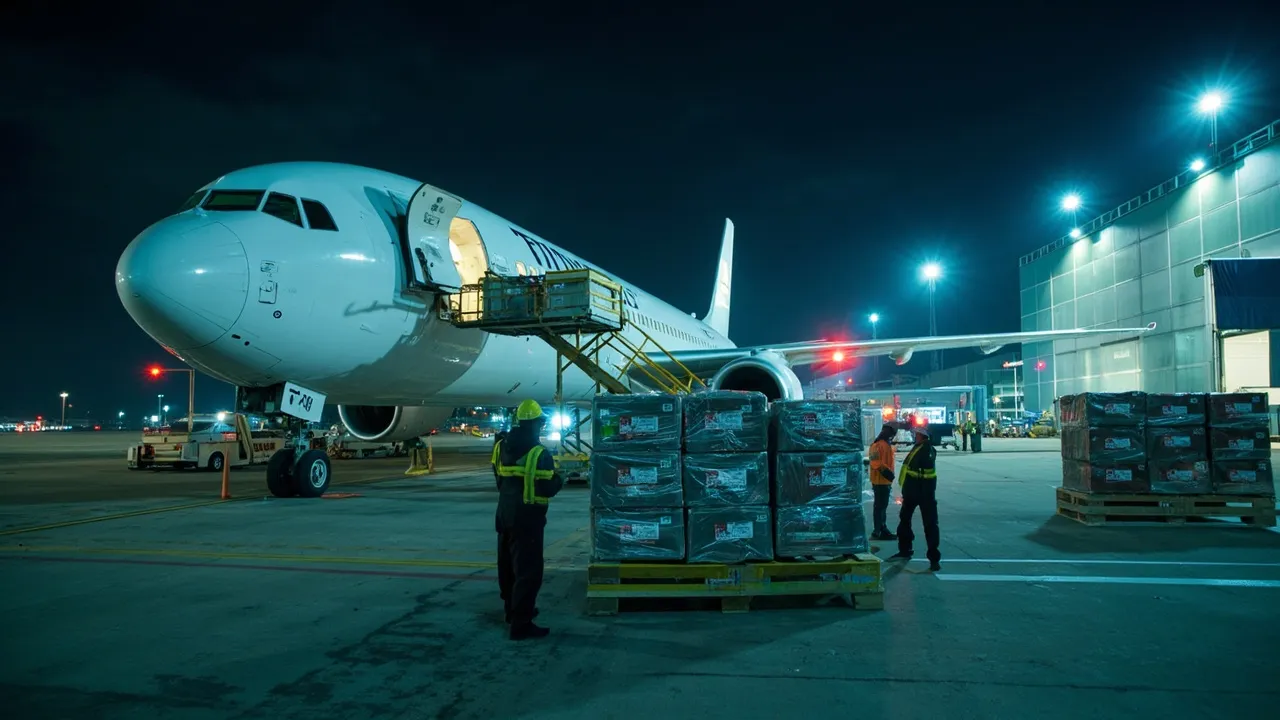
UPS’s new $100 million logistics center in Taoyuan, Taiwan is a clean example of why. Reuters reported that the facility is UPS’s largest in Asia Pacific, sits a short drive from Taiwan’s main international airport, and is being built to absorb demand from technology customers in the middle of the AI chip boom. Even more telling, UPS said around 80% of the freight is high-tech and that Applied Materials will use the site as an Asian distribution center.
That is not ordinary network fill. That is a carrier making a deliberate bet on an industry where service failures are expensive, cycle times matter, and capacity planning has become strategic.
Why This Hub Matters Beyond UPS
Taiwan is not just another manufacturing node. It is the center of gravity for advanced semiconductor production.
Reuters reported in January that Taiwan’s 2025 exports hit a record $640.75 billion, driven by strong AI-related chip demand. December exports alone reached $62.48 billion, while exports to the United States jumped 125.9% year over year to a record $22.24 billion. Electronic-component exports rose 24.1%.
Those numbers matter because they describe the environment UPS is building into. When export growth is being powered by AI infrastructure, advanced electronics, and semiconductor-adjacent equipment, logistics stops being a back-office function. It becomes part of the commercial promise. Supply Chain Dive underscored Taiwan’s strategic role in its coverage of the Taiwan earthquake’s impact on the chip industry, which highlighted how sensitive global semiconductor flows remain to disruptions around the island.
For shippers, that means the value of a hub is not just square footage. It is proximity to fabs, airport lift, customs throughput, handling discipline, and the ability to move high-value goods without injecting delay or damage risk into a brutally expensive supply chain.
Semiconductor Freight Has Different Rules
Chip supply chains are awkward in exactly the ways logistics operators hate.
The freight is expensive, often time-sensitive, and frequently tied to tightly scheduled production or installation windows. It may include sensitive tools, components, or subassemblies that require careful packaging, secure handling, and fast exception recovery. A one-day delay is not just a one-day delay if it holds up a production line, a packaging process, or a server deployment tied to AI demand.
That is why airport adjacency matters so much. UPS’s Taoyuan site is positioned near the island’s largest international airport, which gives shippers faster access to uplift and more options when schedules get ugly. Reuters also reported that UPS is considering flights to Kaohsiung in southern Taiwan depending on demand, a notable signal because TSMC is expanding a large new factory there as part of a growing semiconductor cluster.
This is what premium freight discipline looks like in practice. It is not luxury. It is engineered responsiveness.
The AI Chip Boom Is Stressing More Than Semiconductor Capacity
The case for specialized logistics gets even stronger when upstream constraints spread outward.
According to Reuters, Broadcom said in March that TSMC capacity has become a bottleneck that has effectively "choked the supply chain in 2026." The company said the strain goes beyond chips. Lead times for printed circuit boards used in optical transceivers stretched from about six weeks to six months, and customers are increasingly signing three- to four-year capacity agreements to secure supply.
That detail is a big deal.
When lead times blow out across adjacent components, logistics teams lose the luxury of treating transport as a commodity buy. They need partners that can move scarce inventory quickly, recover from disruptions, and support more deliberate inventory positioning near production and export nodes. In other words, the tighter semiconductor capacity gets, the more valuable premium logistics execution becomes.
This Is Also a Data Problem, Not Just a Freight Problem
Deloitte’s research on the future of freight points to the same shift from a different angle. The firm surveyed 305 executives across transportation and manufacturing companies in the United States and Europe and found that 48% expect data to improve visibility into assets and goods in the next three years. Another 44% expect data to improve customer relationship management, while 35% cite workforce optimization.
That sounds abstract until you apply it to semiconductor flows.
High-tech freight works when operators can see inventory precisely, manage exceptions early, and make routing decisions before a miss becomes expensive. In this environment, a premium hub is not just a warehouse by an airport. It is a node where transportation, inventory visibility, handling controls, and customer responsiveness are supposed to work as one system.
The logistics providers that win semiconductor business in Asia-Pacific will not be the ones with the prettiest marketing decks. They will be the ones that can prove they can combine physical proximity with data discipline.
A Practical Checklist for Evaluating High-Tech Distribution Hubs
If you ship semiconductors, electronics, or production-critical components in Asia-Pacific, this is the right checklist.
First, check airport and corridor adjacency. Being near a major air gateway still matters more than inspirational talk about resilience.
Second, ask what percentage of the site’s business is already high-tech freight. UPS’s 80% figure matters because specialization usually beats generic capability claims.
Third, look at exception-handling speed. In premium freight, the real test is what happens when a shipment misses a cutoff, needs rebooking, or triggers an export-control or customs question.
Fourth, assess security and handling precision. High-value electronics and semiconductor equipment need tighter controls than ordinary pallet freight.
Fifth, verify southbound and northbound network options. If production clusters are shifting between Taoyuan, Hsinchu, and Kaohsiung, your provider should already be planning for that reality.
Finally, ask about data integration and visibility. If the operator cannot show how it tracks assets, communicates disruptions, and helps you plan around bottlenecks, the building alone will not save you.
The Bigger Takeaway for Logistics Leaders
UPS’s Taiwan investment is a signal that semiconductor logistics is separating from general freight.
The companies serving AI-driven electronics supply chains are increasingly building around scarce capacity, premium service requirements, and specialized geography. That means more purpose-built hubs, more airport-centric distribution logic, tighter data expectations, and less tolerance for generic service models.
For freight forwarders and shippers, the message is simple. Do not evaluate semiconductor logistics like standard cargo. The economics are different, the failure costs are higher, and the network design choices matter more.
Taiwan’s export boom, TSMC-related bottlenecks, and UPS’s $100 million hub all point in the same direction: semiconductor logistics is becoming its own premium freight discipline, and the operators that understand that early will have a serious advantage.
Want a better way to manage time-critical, high-value freight across air, customs, and multimodal operations? Book a CXTMS demo and see how CXTMS helps logistics teams stay ahead of premium-freight complexity.