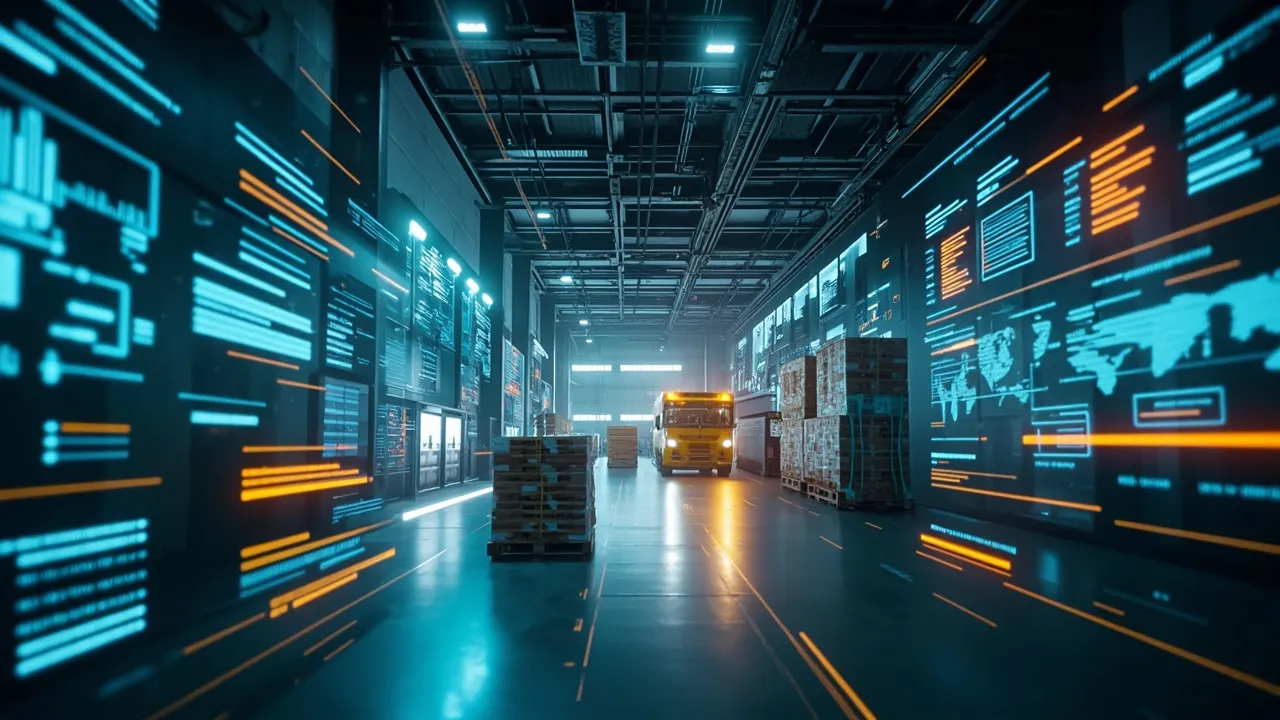
Transportation Infrastructure Is Getting Smarter, Not Just Bigger: Deloitte’s 2026 Signal for Logistics Leaders

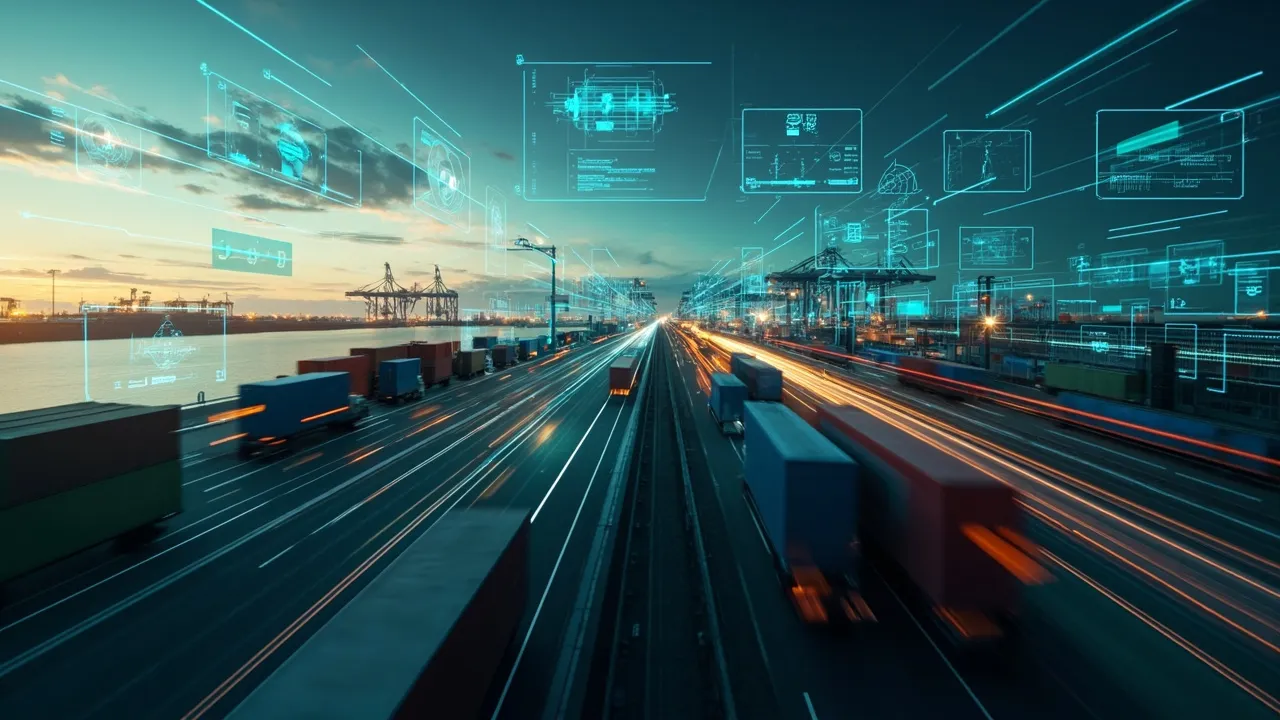
For years, infrastructure strategy in logistics meant one thing: build more capacity.
More lane miles. More terminal space. More yard acreage. More concrete, more steel, more capex. That still matters, obviously. But Deloitte’s 2025-2026 transportation trends work makes a sharper point: the next competitive edge is not just bigger infrastructure. It is infrastructure that can sense, predict, coordinate, and recover faster.
That shift matters because freight volatility is no longer an occasional headache. It is the operating environment. Weather shocks, port disruption, cyber risk, labor tightness, emissions pressure, and nonstop service expectations are all hitting the same network at once. If a corridor is physically large but digitally blind, it is still fragile.
Deloitte’s transportation outlook frames the challenge well: roads, rails, ports, and freight nodes need to become tougher, smarter, and cleaner at the same time. That is a much higher bar than old-school expansion planning. It means logistics leaders should stop evaluating infrastructure only by throughput capacity and start asking whether a node can share data, model disruption, automate decisions, and support governance around AI.
Why “Smart” Infrastructure Suddenly Has Teeth
The business case is getting less theoretical.
According to Reuters, freight logistics accounts for about 7% to 8% of global greenhouse gas emissions. The same report, citing World Economic Forum estimates, says AI tools could cut the sector’s carbon footprint by 10% to 15% by improving operating efficiency, capacity management, and modal choices.
That is not a side benefit. It is a clue. Smarter infrastructure is becoming valuable because the network now needs to optimize several things at once: speed, resilience, labor productivity, fuel burn, and compliance.
Reuters also notes that PSA, one of the world’s largest port operators, runs more than 70 deep sea, rail, and inland terminals across 45 countries and has integrated AI across nearly all aspects of operations. The operational payoff is simple and brutal: better vessel-arrival forecasts, smarter yard reservations, tighter manpower planning, fewer empty trips, and lower fuel use. In plain English, the infrastructure works better because the information layer is better.
That is the real upgrade cycle now. Ports, inland hubs, cross-docks, and transportation corridors are becoming software-shaped assets. PwC’s 2026 AI business predictions reinforces the governance side of that shift, arguing that repeatable, rigorous responsible-AI practices are becoming mandatory as agentic and AI-enabled workflows spread faster than many companies’ control models.
Gen AI Is Useful, but Governance Is the Bigger Story
A lot of infrastructure conversations get hijacked by shiny gen-AI demos. That is a mistake.
Deloitte’s report on gen AI in transportation makes the more important point: adoption is being constrained less by imagination than by governance, data quality, and operating readiness. Forty percent of executives in Deloitte’s research said misuse of data was their number one gen-AI-related risk. Even more telling, Deloitte says the top 17% of organizations, the firms it classifies as gen-AI leaders, stand out largely because they are more likely to enforce companywide data-governance policies.
That should wake up every logistics operator shopping for “smart infrastructure.”
If a port community system, TMS integration layer, control tower, or visibility platform cannot enforce common data standards and governance, the intelligence layer will stay half-baked. Fancy dashboards on top of messy data are just expensive theater.
So when Deloitte talks about smarter transport systems, the practical implication for freight leaders is this: digital modernization is no longer only an IT project. It is infrastructure policy. It changes which facilities are trustworthy, which carriers are easier to integrate, and which corridors can recover fastest when conditions go sideways.
Bigger Networks Still Break If They Cannot See
One of the most useful details in Reuters’ reporting is that AI-based load optimization can produce 4% to 10% more product per truck while staying within legal loading limits. That is the kind of number executives should love, because it shows how intelligence can create effective capacity without physically adding more vehicles, docks, or square footage.
Same story with predictive maintenance, dynamic routing, and terminal planning. If infrastructure operators can predict vessel arrivals better, route trucks with more context, or separate necessary idling from wasteful idling, they squeeze more performance out of existing assets.
That does not eliminate the need for expansion. It does change the order of operations.
Before spending millions to add physical capacity, smart operators should ask whether digital coordination could recover hidden capacity first. In plenty of freight networks, the bottleneck is not pure space. It is poor handoffs, weak ETA confidence, siloed data, and slow exception management.
That is why Deloitte’s broader transportation trendline around digital twins and connected planning matters. A smarter corridor can simulate congestion, flood risk, equipment constraints, and traffic impacts before the breakdown arrives. A dumb corridor finds out the hard way.
What Smarter Infrastructure Means for Shippers
For logistics leaders, this shift changes how network partners should be evaluated.
A port, rail terminal, carrier, or 3PL should not be judged only on rate, location, and nominal capacity. Those are still table stakes. The better questions are:
- Can the partner share clean operational data in real time?
- Can it support predictive planning instead of reactive firefighting?
- Does it have governance for AI, automation, and exception handling?
- Can it keep freight moving during weather, congestion, or cyber disruption?
- Does its digital stack reduce empty miles, dwell, and manual coordination?
Those questions are not nerdy extras anymore. They are now core indicators of service reliability.
A Practical Checklist for 2026
If you are choosing nodes and partners in a modernizing freight network, use this filter.
1. Prioritize visibility that changes decisions
If the data does not improve routing, scheduling, labor allocation, or customer communication, it is decoration.
2. Treat data-sharing capability as infrastructure quality
A partner that cannot exchange timely, usable data is functionally less capable, even if the yard is huge.
3. Ask about governance before asking about AI features
Deloitte’s numbers make this painfully clear. The winners are not just adopting AI. They are controlling risk, data use, and decision rights.
4. Look for resilience by design
Extreme weather, cyber events, and operational shocks are normal now. The network needs fallback logic, not motivational speeches.
5. Measure hidden capacity before funding expansion
If digital coordination can unlock 4% to 10% better truck utilization or reduce empty moves, that is real capacity. Go collect it.
The blunt truth is that infrastructure is no longer just what you build. It is what your network can understand and adapt to in motion. Bigger still matters. Smarter wins first.
Want a TMS that helps your team connect smarter infrastructure signals to real execution decisions? Book a CXTMS demo and see how CXTMS helps logistics operators turn visibility, planning, and partner data into better freight outcomes.