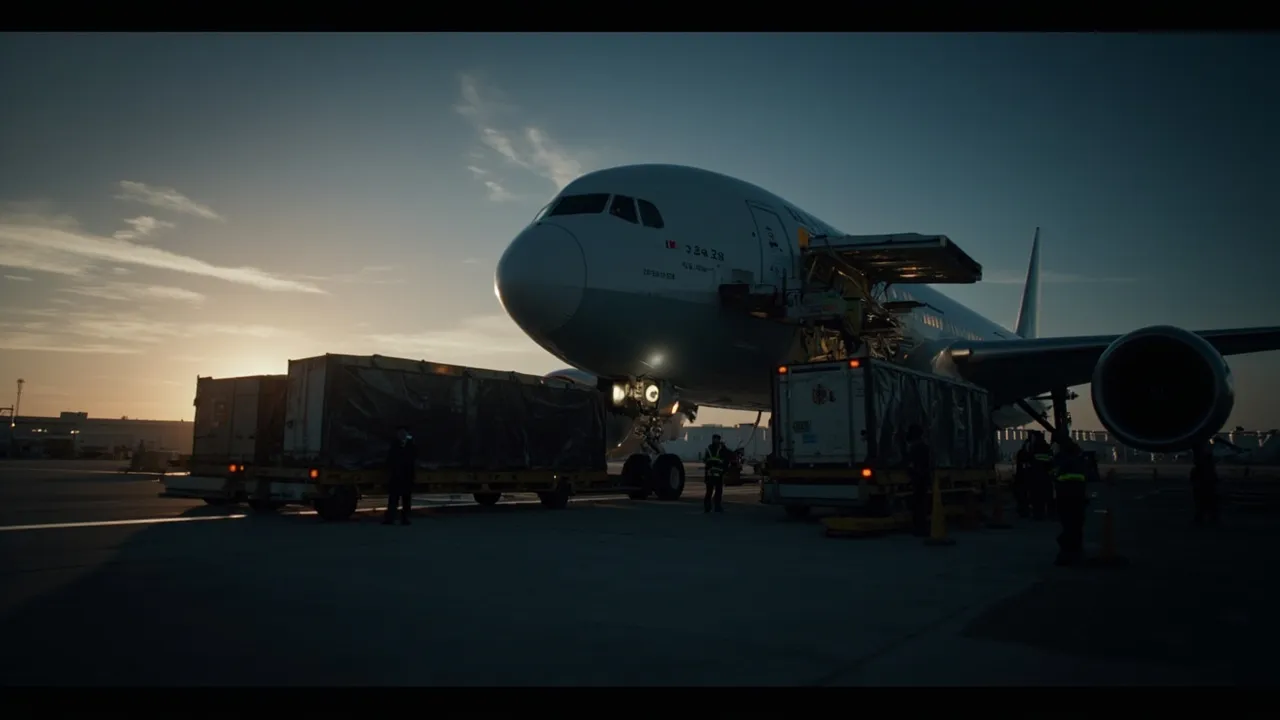
Air Cargo Demand Fell 4.8% in March. The Real Problem Is Fuel, Hub Risk, and Capacity Trust.

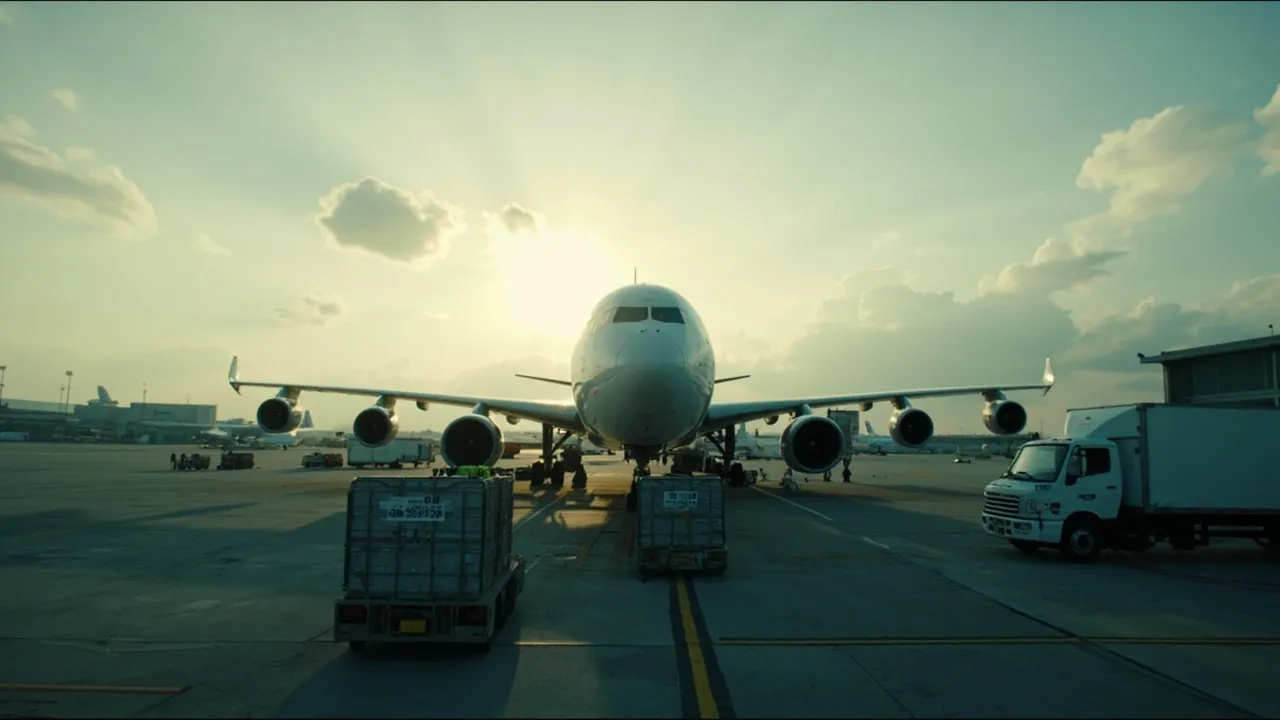
Air cargo's March headline looked like a demand story: global cargo tonne-kilometers fell 4.8% year over year, international demand dropped 5.5%, and available capacity slipped 4.7%. That is a meaningful contraction for a mode shippers use when inventory, production, and customer promises cannot wait for ocean schedules.
But the sharper read is not simply that airfreight demand softened. The real problem is that three risks are now moving together: fuel volatility, Gulf hub disruption, and declining confidence in whether booked air capacity will actually be available when urgent freight needs it.
For logistics teams, that combination is more dangerous than a clean demand downturn. A demand downturn can produce cheaper rates and easier bookings. A fuel-and-hub shock can produce the opposite: fewer dependable routings, higher surcharges, tighter uplift windows, and more exceptions even while aggregate demand is lower.
March's decline was not just weak cargo
IATA's March 2026 data showed a broad pullback in cargo tonne-kilometers, with the total market down 4.8% and international operations down 5.5% compared with March 2025. Capacity also fell 4.7%, which matters because air cargo is priced and planned around usable lift, not theoretical aircraft schedules.
A shipper does not buy "global capacity." It buys a specific origin, destination, cutoff, transit time, service level, and recovery plan. If disruption removes the reliable option through a key gateway, the macro capacity number becomes less useful than the route-level question: can this shipment still move on the promised day?
That is why Gulf hub risk deserves more attention. Air cargo networks depend on concentrated transfer points, especially for Asia-Europe, Europe-Middle East, and connecting long-haul flows. When disruption hits those hubs, cargo is not merely delayed; it can be forced into longer routings, split shipments, manual rebooking, or premium alternatives that were not in the original cost plan.
Fuel is now an operating constraint
The fuel side is even more uncomfortable. Reuters reported that jet fuel prices surged from roughly $85-$90 per barrel to $150-$200 per barrel, while fuel can account for up to a quarter of airline operating expenses. That is not a rounding error. It changes carrier behavior.
When fuel spikes that hard, airlines do not absorb the entire shock quietly. They raise surcharges, trim marginal capacity, revise schedules, protect the most profitable freight, and become less flexible on exceptions. Even if cargo demand is down, available premium lift can still feel scarce because carriers are protecting economics and avoiding unprofitable flying.
Reuters also reported that the Iran conflict had upended Asia-Europe routes reliant on Gulf hubs, while jet fuel prices had more than doubled and carriers were hiking fares, introducing fuel surcharges, and cutting routes. That is exactly the kind of second-order effect shippers miss when they only watch demand indexes.
The practical takeaway: airfreight pricing risk is no longer just demand risk. It is fuel availability, fuel price, routing stability, and carrier network confidence all at once.
Capacity trust is the metric that matters
Airfreight is usually purchased for speed, but in disrupted markets the better metric is trust. Can the carrier confirm uplift? Can it protect the connection? Can it recover if the first routing fails? Can the forwarder see the exception before the consignee does?
Lower demand does not automatically restore trust if key hubs are constrained and airlines are reworking their networks. Reuters reported that European flights could face cancellations from the end of May because of jet fuel shortages, and noted that Europe relies on imports for about 75% of its jet fuel supply from the Middle East. It also cited International Energy Agency data that global jet fuel and kerosene demand averaged 7.8 million barrels per day in 2025, with the Gulf supplying nearly 400,000 barrels per day to the global market.
Those numbers explain why air cargo planners should treat fuel as a network risk, not just a cost line. If passenger flights are cut or rerouted, belly capacity changes. If freighter routes avoid certain airspace or refueling patterns, transit times and handling plans change. If airports face fuel rationing, cargo priority rules matter.
A shipper checklist for the next 60 days
The right response is not panic booking. It is disciplined contingency planning.
Map backup gateways before freight is urgent. Identify alternate airports for critical lanes and document what each change means for trucking distance, customs handoff, cold chain exposure, and consignee receiving windows. A backup gateway selected during an exception is usually more expensive and less reliable.
Define premium-service triggers. Do not let every delayed purchase order become an emergency air shipment. Set clear triggers for when premium air is justified: production stoppage risk, customer penalty exposure, expiring shelf life, or contractual delivery failure. That keeps airfreight from becoming an uncontrolled budget leak.
Build inventory buffers around fragile lanes. Where a lane depends heavily on Gulf hubs or fuel-sensitive long-haul routings, adjust safety stock for the next planning cycle. The buffer does not need to be huge; it needs to be intentional and tied to actual lane risk.
Monitor route-level exceptions, not just carrier status. A carrier can be operational globally while one gateway, flight pair, or transfer point is unreliable. Track rolled cargo, missed cutoffs, partial uplift, transit-time variance, surcharge changes, and rebooking frequency by lane.
Separate quoted transit time from proven transit time. In a stable market, quoted schedules are useful. In a disrupted one, actual milestone history matters more. If the last five shipments on a lane missed the planned connection, the quote is not the plan. The exception pattern is the plan.
Where CXTMS fits
This is exactly where transportation management discipline earns its keep. Air cargo disruption becomes expensive when planning data lives in spreadsheets, quotes sit in inboxes, milestones lag behind reality, and exception escalation depends on whoever happens to notice first.
CXTMS helps logistics teams connect shipment milestones, carrier options, exception workflows, cost exposure, and customer communication in one operating layer. That matters when airfreight risk is changing by route, hub, fuel market, and service level at the same time.
The March decline in air cargo demand is the visible number. The hidden risk is whether shippers can still trust capacity when the shipment is urgent. Teams that plan backup gateways, define premium triggers, and monitor lane-level exceptions will handle the next shock better than teams waiting for the market average to explain what went wrong.
Want better control over urgent freight, exception workflows, and carrier performance? Schedule a CXTMS demo and see how a connected TMS helps freight teams manage air cargo volatility before it becomes a customer failure.