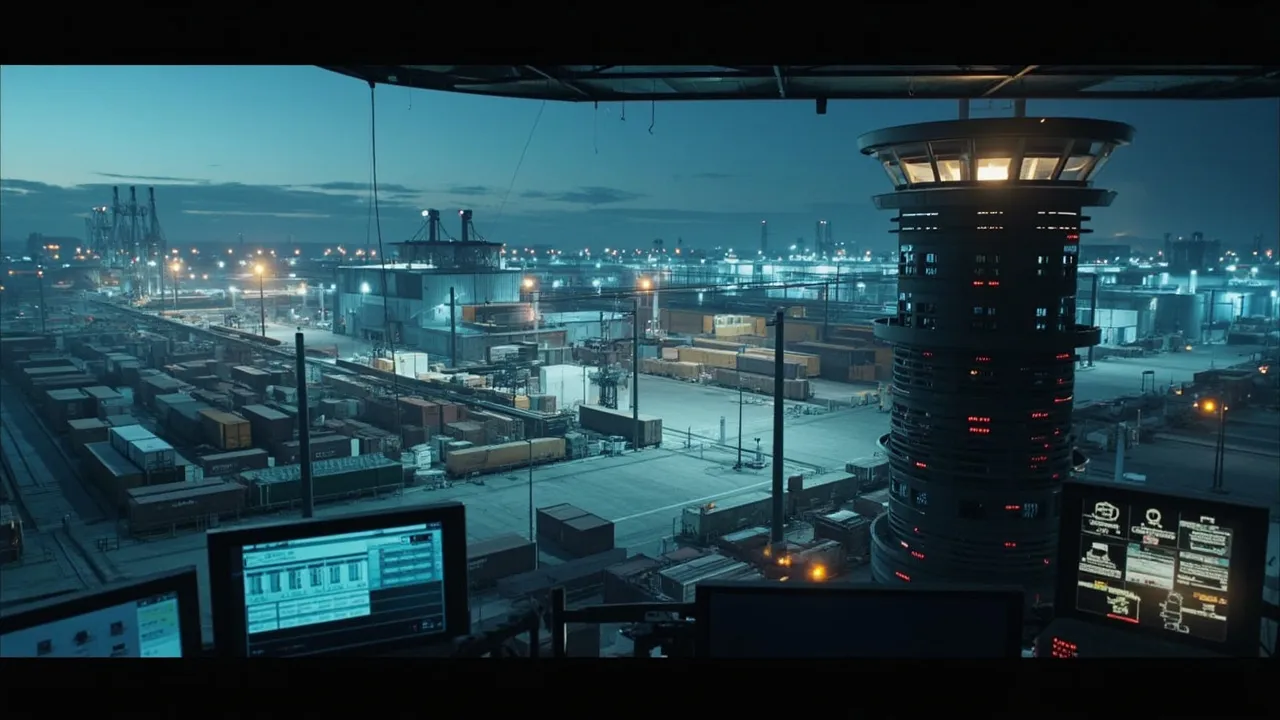
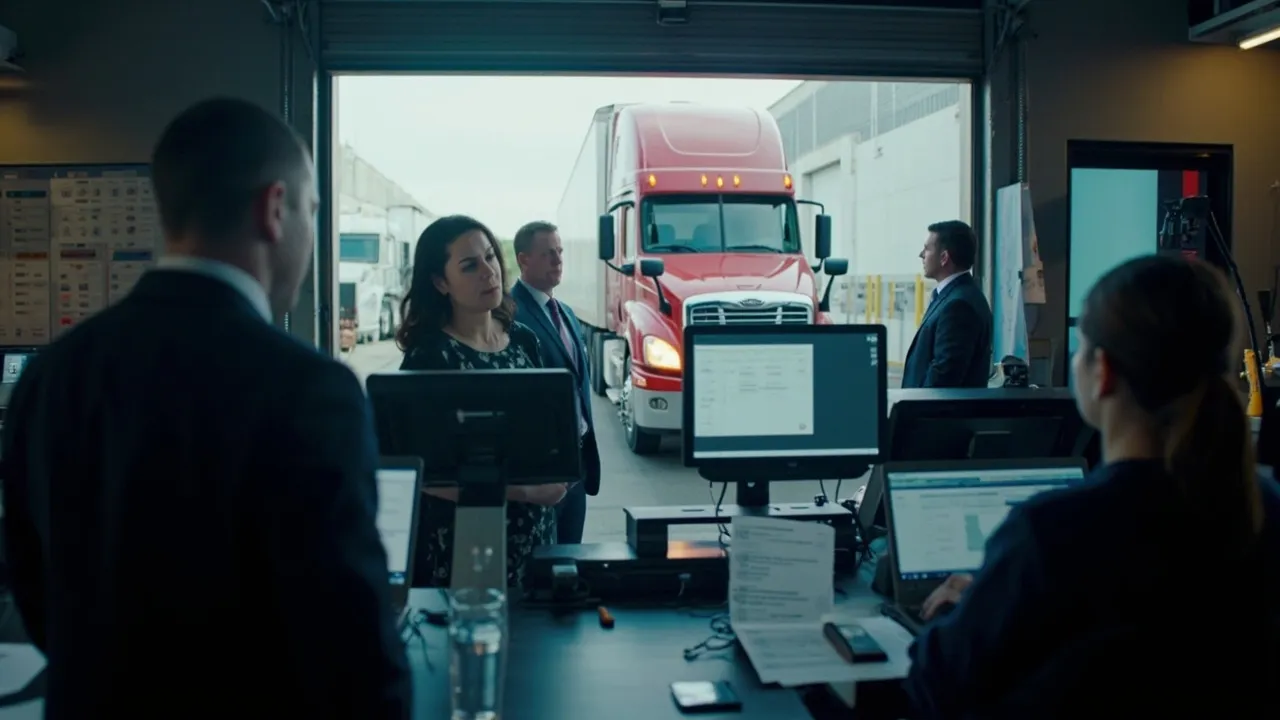
Carrier Safety Data Is Becoming a Routing Guide Input, Not Just a Compliance Check


Carrier safety data used to sit in the procurement file. A shipper checked operating authority, insurance, safety rating, and maybe a few CSA indicators before adding a carrier to the routing guide. Then the carrier stayed eligible until the next sourcing event or annual review.
That rhythm no longer matches the risk. Safety signals are changing too quickly, enforcement pressure is too visible, and one carrier failure can now create a service disruption, insurance problem, cargo claim, lawsuit, or brand-damaging headline. Carrier safety data is becoming a live routing guide input, not just a compliance checkbox.
The timing is hard to ignore. FreightWaves reported that the 2026 CVSA International Roadcheck runs May 12-14, with inspectors across the U.S., Canada, and Mexico conducting an average of 15 inspections per minute over 72 hours. That is not just an enforcement event. It is a concentrated data refresh for roadside inspections, out-of-service orders, CSA records, and carrier risk profiles.
Roadcheck turns safety into a capacity signal
Roadcheck week gets attention because trucks get inspected. Shippers should care because inspections change capacity quality.
A carrier with weak maintenance controls, unresolved driver qualification issues, poor hours-of-service discipline, or sloppy cargo securement is more likely to lose equipment or drivers during enforcement surges. FreightWaves noted that this year's Roadcheck focuses on ELD tampering, falsification, or manipulation on the driver side and cargo securement on the vehicle side. It also reported that falsification of records was the second most-cited driver violation across North America last year, with 58,382 violations, while cargo securement violations included 18,108 violations for cargo not secured to prevent leaking, spilling, or falling and 16,054 more for unsecured vehicle components or dunnage.
Those are not abstract compliance issues. A truck placed out of service is a failed pickup, a missed delivery appointment, a customer escalation, and possibly a claims dispute. For high-value, time-sensitive, hazmat, food, pharmaceutical, or retail promotion freight, a carrier's safety posture directly affects service continuity.
The data is also increasingly visible. FreightWaves' coverage of a new carrier safety dashboard described FMCSA and CSA data being centralized across crashes, carrier census, roadside inspections, and out-of-service violations. Over the last 12 months, the dashboard showed 2,908,513 roadside inspections, 579,831 OOS violations, and 13,220 hazmat violations, including 4,236 hazmat OOS orders. The same dataset showed 158,338 federal recordable crashes, including 3,916 fatal crashes and 60,386 injury crashes.
A routing guide that ignores those signals is not neutral. It is blind.
The cheapest carrier may carry hidden volatility
Transportation teams have always balanced cost and service. Safety risk is now the third leg of that decision.
A carrier with a low rate and fragile safety profile can look attractive in a bid event. But the hidden cost appears later: rejected loads during enforcement periods, delayed equipment after roadside inspections, insurance friction, higher claim probability, limited customer acceptance, and more manual oversight from the logistics team.
FreightWaves recently argued that fleet maintenance risk is rising after years of freight recession pressure. Its analysis said the current vehicle out-of-service rate has reached 21.6% across 3.3 million inspections, resulting in more than 700,000 vehicles being removed from the road annually. It also noted that the system audits only about 1.5% of carriers per year, meaning many issues surface first through roadside data, customer experience, or litigation rather than a comprehensive audit.
That should change how routing guides are built. A carrier should not be treated as either approved or unapproved forever. It should carry a dynamic risk score that influences tendering priority by lane, cargo type, customer sensitivity, and service requirement.
For example, a carrier with strong rates but deteriorating vehicle maintenance indicators might remain eligible for low-criticality spot overflow but lose first-choice status on hazmat, food-grade, retail appointment, or plant-shutdown-critical freight. Another carrier with average rates but cleaner inspection trends and better safety responsiveness may deserve higher routing guide priority on sensitive lanes.
That is not overengineering. It is disciplined carrier management.
What a practical safety score should include
A useful routing-guide safety model does not need to be mysterious. It should combine public compliance signals, carrier-submitted credentials, operational performance, and shipment context.
Start with authority and insurance. If operating authority is inactive, insurance is expired, or the carrier's DOT identity does not match the tendered entity, the load should stop before dispatch. This sounds basic, but fraud, double brokering, and chameleon-carrier behavior make identity verification a live operational control.
Next, include inspection and OOS performance. Total inspections, vehicle OOS rates, driver OOS rates, hazmat violations, and recent trends matter more than a stale annual snapshot. A carrier improving from a weak baseline may deserve a different decision than one deteriorating from a historically strong profile.
Then add ELD and driver qualification risk. Roadcheck's focus on ELD tampering matters because hours-of-service manipulation creates both safety and service exposure. If a carrier repeatedly produces logbook, license, medical, or drug-and-alcohol-clearinghouse issues, that should affect tendering priority.
Cargo theft and fraud exposure should be scored separately. A carrier can be mechanically safe and still risky for high-value freight if identity controls, tracking compliance, or handoff procedures are weak. Lane criticality also matters. A weak safety score on a low-value, flexible shipment is different from the same score on temperature-controlled pharmaceuticals or aerospace parts.
Finally, blend the safety score with service and cost. The goal is not to blacklist every carrier with one blemish. The goal is to make tendering smarter: cost, service reliability, and safety risk should be evaluated together before freight is offered.
Turn safety data into execution rules
The most important shift is from review to workflow. A PDF carrier packet does not protect a shipment if nobody sees a status change before tendering.
Modern routing guides should trigger rules such as:
- block tendering when authority, insurance, or identity checks fail;
- downgrade routing priority when OOS rates exceed lane-specific thresholds;
- require manager approval for high-risk carriers on critical freight;
- route hazmat, food-grade, or high-value loads only to carriers meeting tighter safety profiles;
- refresh carrier scores after enforcement events, audits, crashes, or claim patterns;
- preserve the decision trail showing why a carrier was selected.
This is where transportation management systems have to grow up. A static routing guide is not enough when risk data changes weekly and enforcement events can tighten capacity overnight.
Where CXTMS fits
CXTMS helps freight forwarders and logistics teams manage transportation as an execution system, not a spreadsheet exercise. Carrier selection should connect rates, lane history, documents, compliance status, service performance, and exception workflows before the tender goes out.
Safety data will not eliminate risk. Freight is messy, roads are unpredictable, and even good carriers have bad days. But routing guides that include live safety signals make better tradeoffs than routing guides built only on price and historical service.
The lesson from Roadcheck is blunt: enforcement data is operations data. If your routing guide cannot see it, your freight decisions are already behind.
If your team is ready to bring carrier compliance, routing control, and shipment execution into one workflow, schedule a CXTMS demo and see how modern TMS operations can reduce risk before a load is tendered.