WMS Cutovers Are Revenue Events Now, Not Just Warehouse IT Projects


A warehouse management system cutover used to be framed as an internal IT project. The transportation team might hear about the launch, expect a few awkward days, and then wait for the warehouse to come back to normal.
That view is obsolete. A WMS cutover is now a revenue event.
When the warehouse slows down, orders do not simply sit in a queue. They miss carrier pickups, consume dock appointments, break customer promises, trigger customer-service volume, and push transportation teams into recovery mode. The system may live inside the distribution center, but the consequences spread across the order-to-delivery chain.
Lands' End just gave the industry a clean example. Supply Chain Dive reported that the retailer's Manhattan warehouse management system implementation created a one-week backlog across its distribution centers in Q1. Executives said the issue affected shipment pacing, not demand, but the temporary disruption still contributed to a 9% year-over-year decline in total revenue and a 10% decline in U.S. ecommerce net revenue versus Q1 2025.
That is the part logistics leaders should sit with. A one-week operational snag showed up as a revenue problem.
The lesson is not "avoid WMS"
The wrong conclusion would be that WMS investment is too risky. Lands' End said the issue was resolved, and the same rollout appears to have created real upside. CFO Bernard McCracken told analysts the company was "back on pace and shipping on time." CEO Andrew McLean said the new system helped fulfill some orders within a day, cutting standard-order delivery time by roughly 20% to 25%.
That is exactly why this kind of project is hard. The value is real. The cutover risk is also real.
Modern WMS platforms are expected to improve inventory accuracy, labor productivity, wave planning, replenishment, and fulfillment speed. Those gains matter for retailers trying to manage smaller orders, faster delivery promises, and omnichannel flows. But the launch window is where strategy meets physics.
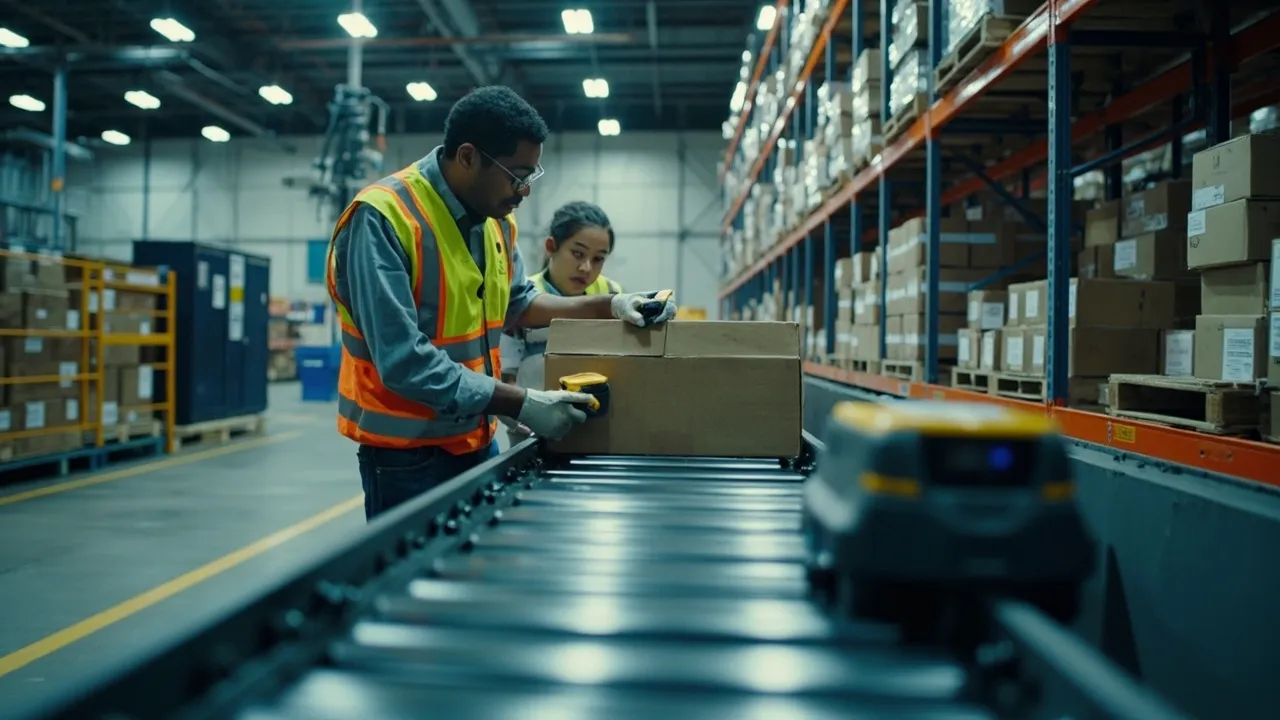
A warehouse that cannot release clean orders at the expected pace becomes a transportation problem almost immediately. Carriers arrive for loads that are not ready. Trailers dwell. Appointment windows get missed. Customer delivery dates slip. Premium freight becomes tempting.
That is why cutover planning needs to move beyond technical readiness checklists.
Backlog thresholds should be set before launch day
Most cutovers have a go-live plan. Fewer have a revenue-risk plan.
Before launch, operations leaders should define backlog thresholds in terms business teams understand: order aging, unshipped revenue, priority-customer exposure, marketplace SLA risk, dock congestion, and carrier appointment impact.
The threshold also needs an owner. If the backlog crosses a defined level, who slows order release? Who authorizes overtime? Who shifts volume? Who tells transportation to hold pickups, retime appointments, or add capacity?
Without those rules, teams improvise while each function watches a different dashboard.
Parallel runs are not just for IT validation
Parallel testing is usually treated as a systems control: does the new WMS process orders correctly compared with the old workflow? That matters, but the operational test should be broader.
The better question is whether the end-to-end fulfillment rhythm still works. Can the warehouse allocate inventory, release waves, replenish pick faces, pack orders, stage freight, load trailers, and meet carrier cutoffs at real operating speed? Can transportation see what is not going to be ready before a driver is at the gate?
Inbound Logistics' supply chain AI risk coverage makes a related point that applies well beyond AI. In one Inbound Logistics discussion, industry leaders warned that automation without strong data foundations, validation, decision rights, and human oversight can create cascading operational failures. A WMS cutover is the same kind of risk.
Parallel runs should include transportation-facing scenarios:
- High-volume ecommerce order waves near parcel cutoffs
- Mixed parcel, LTL, and truckload release patterns
- Short-picked orders requiring substitution or split shipment
- Carrier appointment changes when staging falls behind
- Priority orders that need escalation outside normal wave logic
- Returns, cancellations, and order edits during launch-week instability
If those scenarios are not tested, the first real test happens in production.
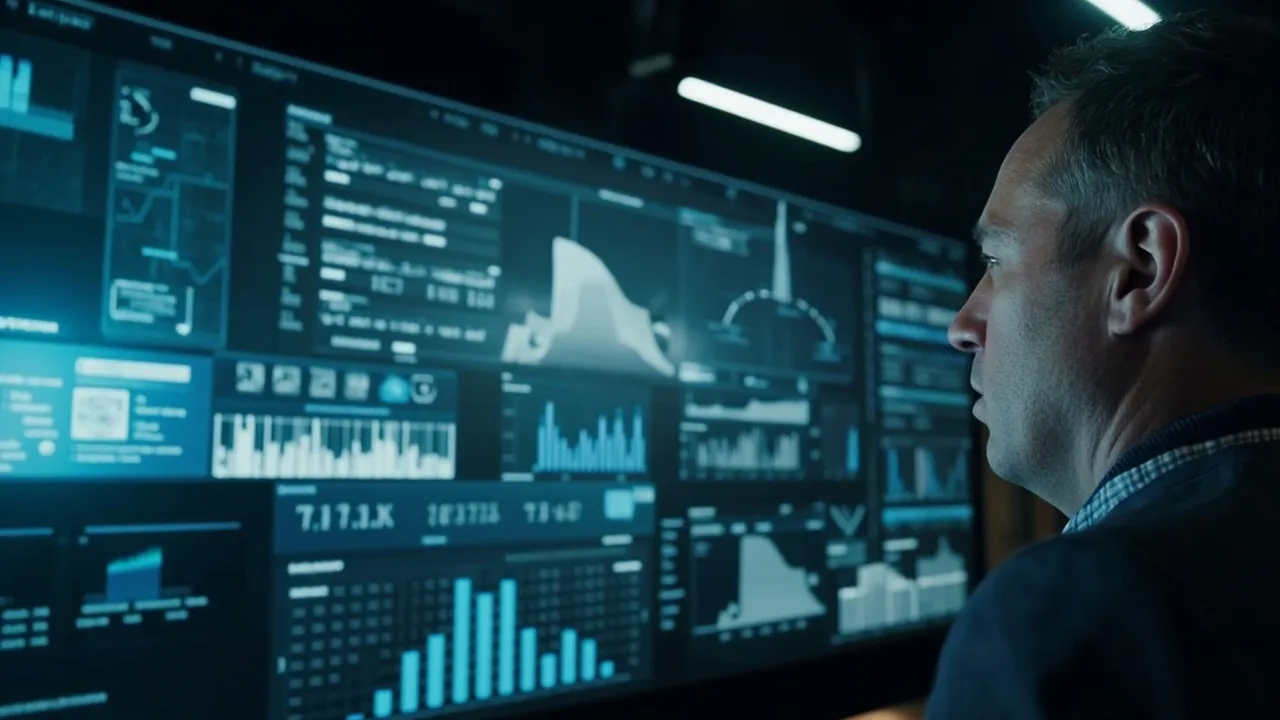
Transportation needs early-warning visibility
Warehouse teams often know a launch is struggling before transportation sees the impact. That lag is dangerous.
Transportation planners need visibility into order-release pacing, dock readiness, trailer staging, load-build progress, and exception queues. They need to know whether a scheduled pickup is still realistic and whether carrier capacity should be held, shifted, or cancelled.
The practical control is simple: connect warehouse disruption signals to transportation decisions before launch. If pick completion falls below plan by noon, parcel induction should not be surprised at 5 p.m. If outbound staging is falling behind, carrier appointment buffers need to widen early.
Cutover discipline is not only about the WMS team. It is about shared operating tempo across warehouse, transportation, customer service, and finance.
The launch playbook should include carrier buffers
Carrier plans are often built for steady-state performance, not launch-week volatility. That is a mistake.
For major WMS deployments, logistics teams should pre-negotiate temporary carrier buffers. That can include flexible appointment windows, extra drop-trailer capacity, parcel pickup contingencies, LTL retiming, weekend recovery options, and clear rules for premium freight. The goal is to avoid making every transportation decision under pressure.
Finance should be in the room too. A delayed order has revenue implications. A premium recovery move has margin implications. A missed marketplace SLA has customer and penalty implications.
CXTMS turns warehouse disruption into transportation action
The WMS remains the system of record for warehouse execution. But a WMS cutover becomes safer when transportation teams can see its downstream effects in real time.
CXTMS acts as the connective layer between orders, shipments, carriers, milestones, documents, costs, and exceptions. When warehouse output slows, transportation planners need more than a late shipment alert. They need to see which orders are at risk, which loads are not ready, which appointments need action, and which recovery options protect service without destroying margin.
That is the difference between a warehouse issue and an operating response.
The Lands' End case shows both sides of the WMS story. The upside can be meaningful: faster fulfillment and a better delivery promise. The downside can be material: a one-week backlog tied to a 9% revenue decline. Logistics leaders should read it as a warning against treating cutover discipline as a back-office concern.
WMS launches now deserve the same executive attention as peak season, carrier transitions, network redesigns, and major customer onboarding. The warehouse system may change on a weekend. The revenue risk starts the moment orders stop flowing cleanly.
Ready to connect warehouse disruption signals to transportation action? Schedule a CXTMS demo and see how CXTMS helps teams protect service, cost, and customer promises when fulfillment operations change.