The Next-Gen Warehouse Problem Is a Less Experienced Workforce Moving Faster

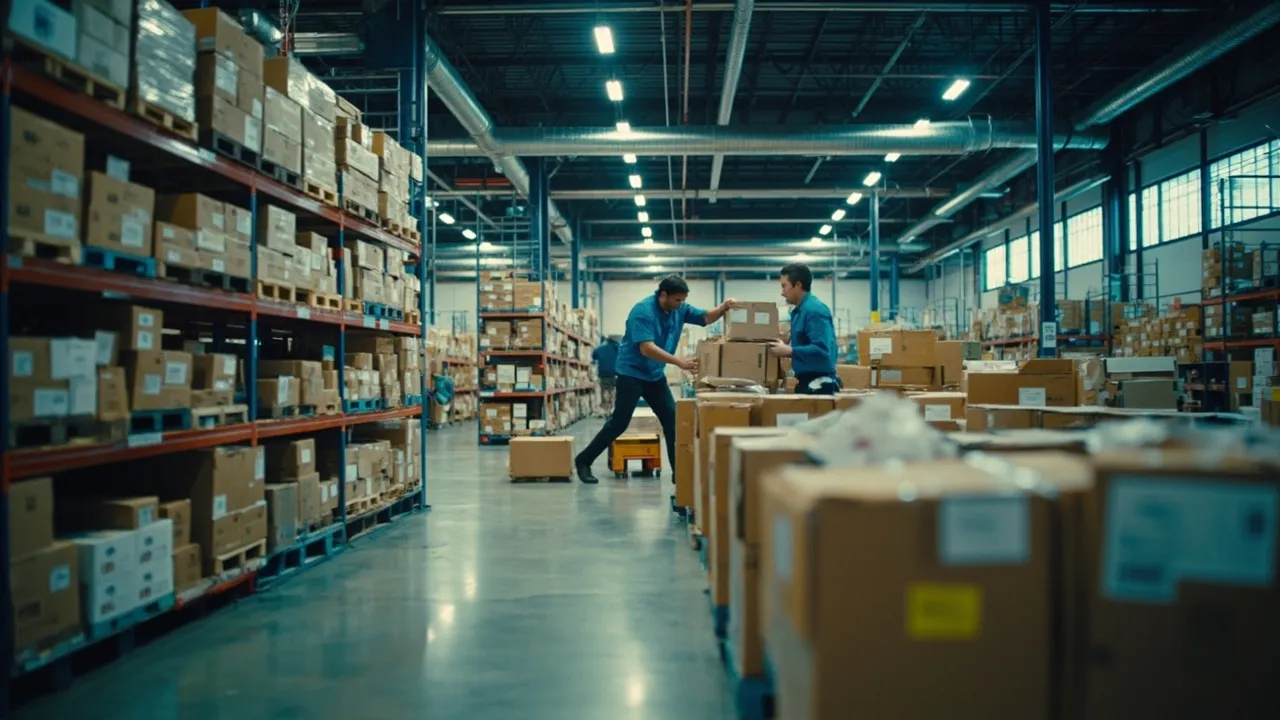
The next-generation warehouse is not struggling because operators lack technology options. It is struggling because the work is moving faster while the people doing it often have less time, less tenure, and less tribal knowledge than the facility was designed around.
That is a brutal operating equation. E-commerce has trained customers to expect fulfillment windows that feel close to real time. B2B buyers now bring similar expectations to replenishment, parts, retail allocation, and field-service orders. Meanwhile, many warehouses are still organized around batch logic, senior associates who know the shortcuts, and supervisors who can mentally patch gaps between the order management system, warehouse management system, dock schedule, and carrier pickup plan.
That model breaks when turnover rises and shipping promises tighten.
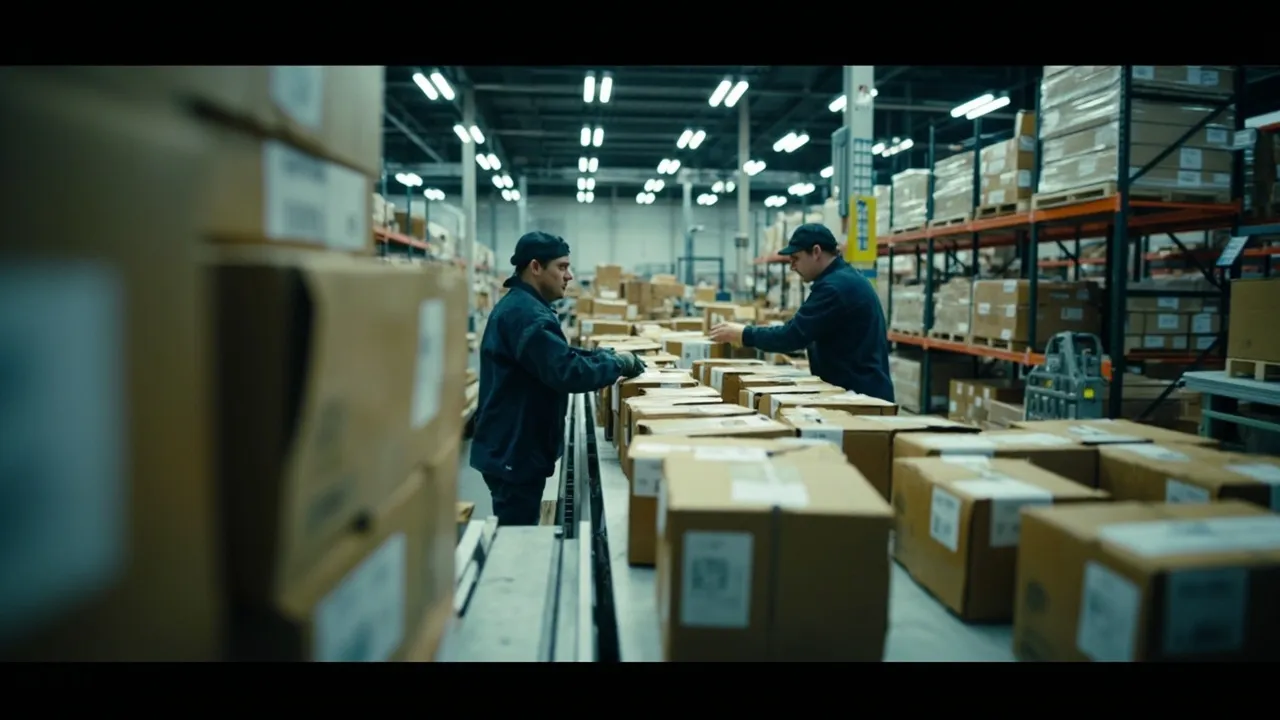
Inbound Logistics captured the pressure cleanly in its recent look at next-generation warehouse operations: many facilities were built for a workforce they no longer have. The article notes that warehouses face a tight labor market, high turnover, supply chain disruption, tariffs, geopolitical uncertainty, and an economy that refuses to sit still. At the same time, Anthony Jordan of GEODIS Americas told the publication that operations are being pushed away from batching and toward near-real-time processing, which adds complexity to picking, packing, and outbound logistics.
The quote that matters most for logistics leaders is even sharper: “You’re asking a less experienced workforce to do better work, faster, with less margin for error.”
That is the real warehouse modernization problem.
Automation Helps, but It Does Not Replace Process Design
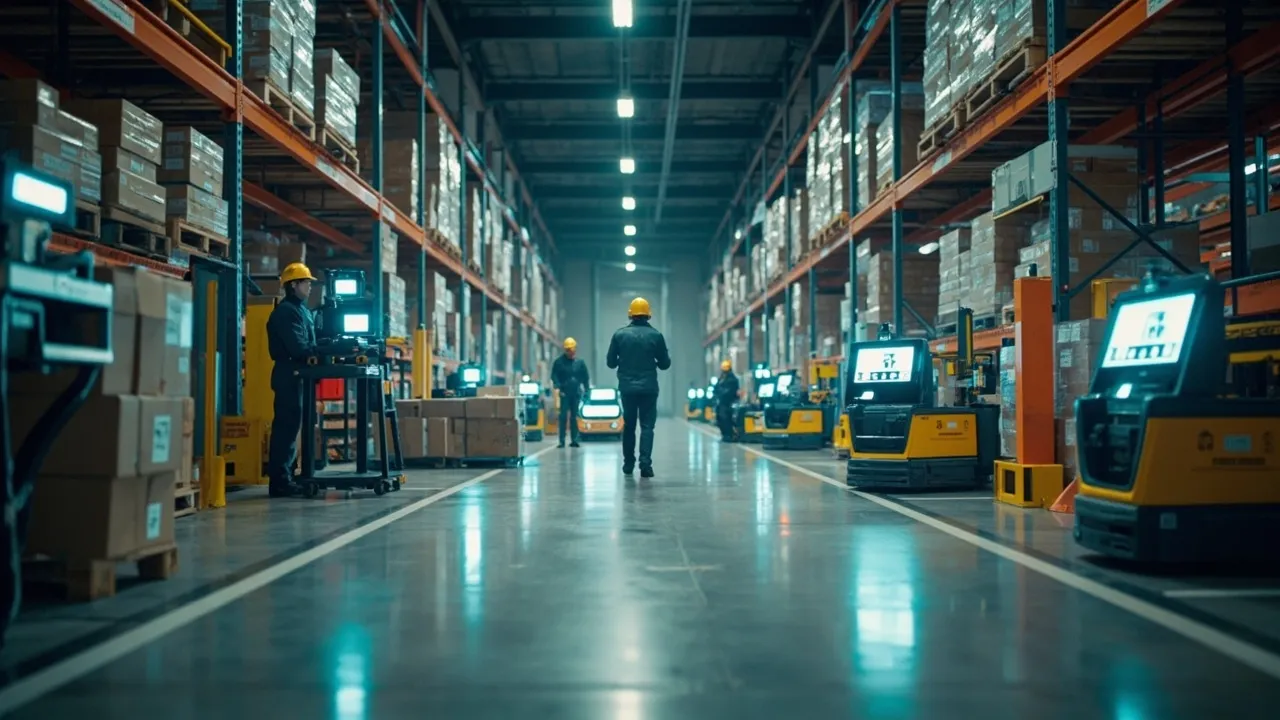
Warehouse automation is advancing quickly, but the best operators are not simply buying machines and hoping the labor problem disappears. They are redesigning how work is released, guided, confirmed, and recovered when exceptions hit.
Modern Materials Handling’s coverage of mobile robot trends, alongside McKinsey’s analysis that warehouse automation has reached a tipping point for omnichannel operations, makes the same point from the automation side. The publication reports that warehouse operators are asking less about robots as standalone equipment and more about software, integration points, fleet management, sensors, and interoperability. Mobile robots now need to communicate with WMS, WES, OMS, conveyors, lift trucks, and other robotic systems without turning the floor into what the article calls a “complex science project.”
That phrase should live rent-free in every warehouse investment meeting. A robot that moves inventory faster can still create a mess if order release is poor, pick paths are inconsistent, replenishment is late, or the dock team cannot see what is actually ready to ship.
Inbound Logistics offers a useful example of what good execution discipline looks like. West Liberty Foods and Lineage connected an automated sandwich production line directly to refrigerated distribution through a 15-foot conveyor that moves finished pallets into Lineage’s cold storage facility. But the technology was not treated as magic. The teams spent about two months training, testing, and debugging the line before production and budgeted for a six-month phased ramp-up.
That is the part too many modernization plans skip. The value came from integration, training, and staged learning—not from installing equipment and declaring victory.
The Workforce Needs Guardrails, Not Heroics
A less experienced workforce can perform well when the system removes ambiguity. It performs badly when every order requires memory, interpretation, or a supervisor judgment call.
The practical answer is guided warehouse workflows. Not as a buzzword. As an operating discipline.
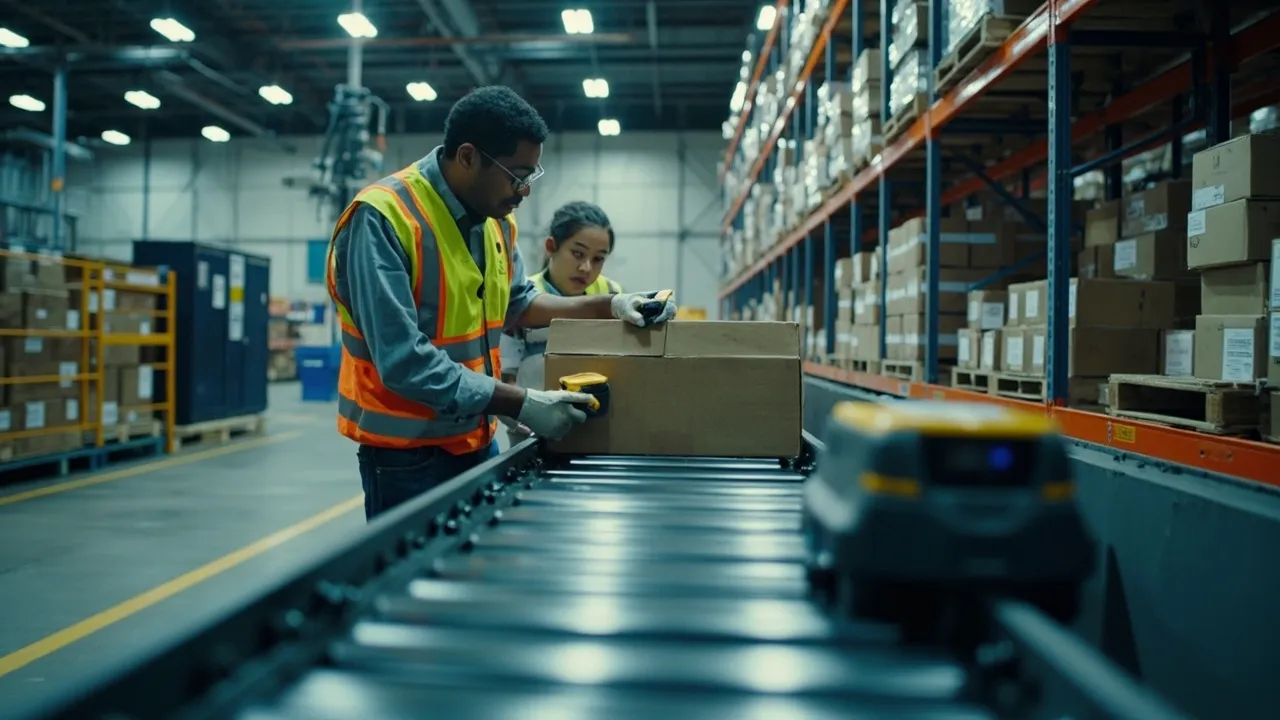
For receiving, that means purchase order matching, photo capture, damage codes, lot and serial prompts, and automatic escalation when product does not match what was expected. For picking, it means slotting logic that reflects velocity and ergonomics, clear unit-of-measure controls, and scan validation before product reaches packing. For packing, it means rules that tell associates which carton, insert, label, documentation, and compliance step apply to the order. For shipping, it means dock staging by carrier, route, appointment, temperature requirement, and service promise.
The common thread is simple: do not make the newest person on the floor remember the exception playbook.
This is where many warehouse projects get the sequence wrong. Leaders see labor churn and buy automation first. Sometimes that is exactly right. But if the work instructions are unclear, slotting is stale, carrier cutoffs are manually managed, and supervisors are still resolving routine problems in chat threads, automation can amplify bad process at higher speed.
The better sequence is:
- Standardize the workflow.
- Reduce preventable exceptions.
- Capture clean execution data.
- Automate the repeatable work.
- Use analytics to improve the next cycle.
That is less glamorous than a robot demo. It is also more likely to work.
AI Raises the Stakes for Clean Execution Data
The MHI and Deloitte 2026 industry report coverage in Modern Materials Handling shows why this matters beyond the four walls. The survey found that 24% of supply chain leaders categorize AI as transformational, while 48% consider its disruptive impact significant or greater—up 25 percentage points since 2025. Robotics and automation followed as the second most disruptive technology, with 39% rating the impact significant or greater, up 16 percentage points.
Those numbers are not just a technology forecast. They are a warning. AI, robotics, real-time analytics, and orchestration tools are only as useful as the execution data underneath them.
If a warehouse cannot reliably capture when work starts, where inventory sits, why a pick was short, whether an order is packed, and which carrier handoff is at risk, AI will not create visibility. It will create confident guesses on top of weak signals.
That is especially dangerous for transportation. Warehouse execution is where customer promises become freight commitments. A carrier pickup time, parcel cutoff, retail delivery appointment, or temperature-controlled route plan assumes the order will be ready when the system says it will be ready. When warehouse status is based on tribal knowledge, transportation teams plan against fiction.
Where CXTMS Fits
For logistics teams, the lesson is not “buy more warehouse software” or “avoid automation.” The lesson is that transportation management and warehouse execution have to share the same operational truth.
CXTMS helps freight teams manage shipments, exceptions, carrier commitments, milestones, and customer-facing visibility. But the transportation plan is only as strong as the warehouse signal feeding it. If orders are delayed in picking, stuck in packing, missing labels, staged at the wrong dock, or released after the carrier cutoff, the TMS needs that status early enough to act.
That is why next-gen warehouse strategy should include transportation consequences from the start. Slotting discipline affects pick completion. Pick completion affects staging. Staging affects carrier dwell. Carrier dwell affects cost, service, and customer trust.
A less experienced workforce can move faster, but only when the system is designed to help them do the right thing repeatedly. The winners will not be the warehouses with the flashiest automation. They will be the ones that turn process knowledge into guided execution, connect that execution to transportation planning, and make exceptions visible before they become missed promises.
Ready to connect warehouse execution signals with freight planning, carrier visibility, and exception management? Schedule a CXTMS demo and see how cleaner logistics workflows translate into more reliable customer commitments.