Industrial Edge Computing Transforms Warehouse Robotics: How On-Premise AI Cuts Decision Latency From Seconds to Milliseconds

Warehouse automation has dominated logistics headlines for years — autonomous mobile robots (AMRs), robotic picking arms, and vision-guided sorting systems are now standard talking points in every supply chain strategy session. But there's a critical infrastructure layer that rarely gets the attention it deserves: where the AI actually runs. In 2026, the answer to that question is shifting decisively from cloud data centers to on-premise edge computing, and the implications for warehouse performance are profound.
The Latency Problem: Cloud-Dependent Robots Fail at Warehouse Speed
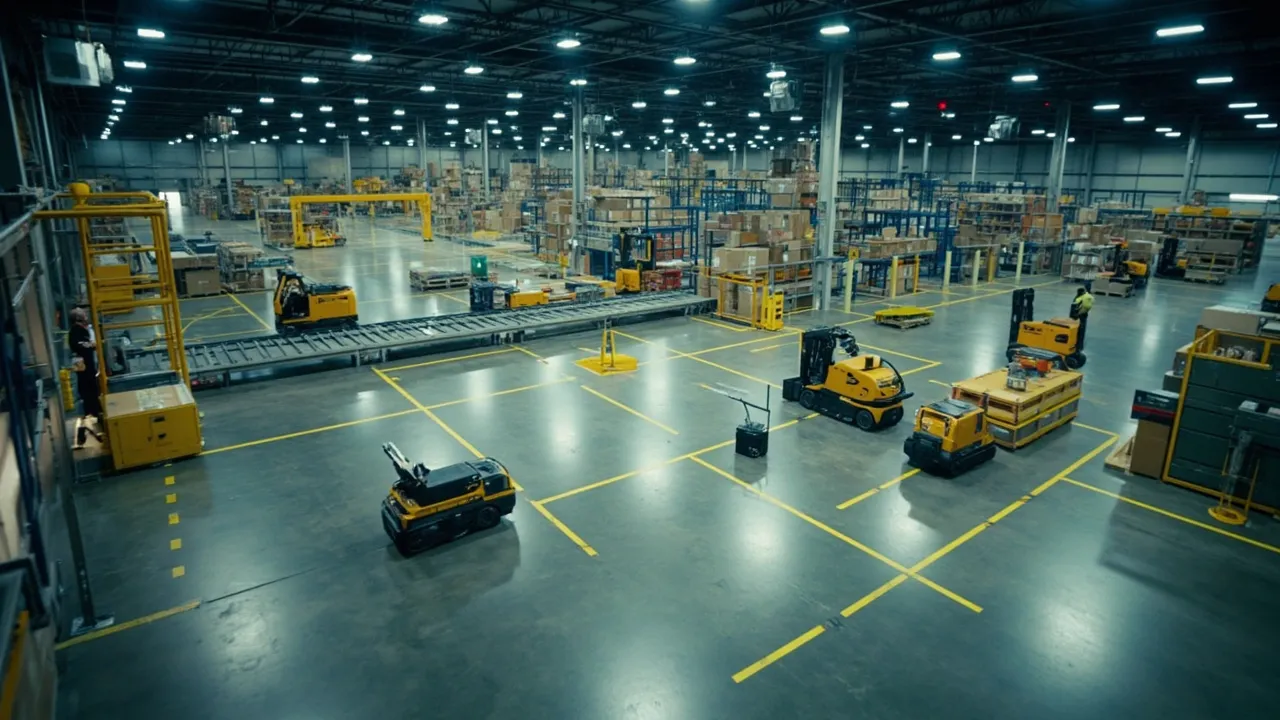
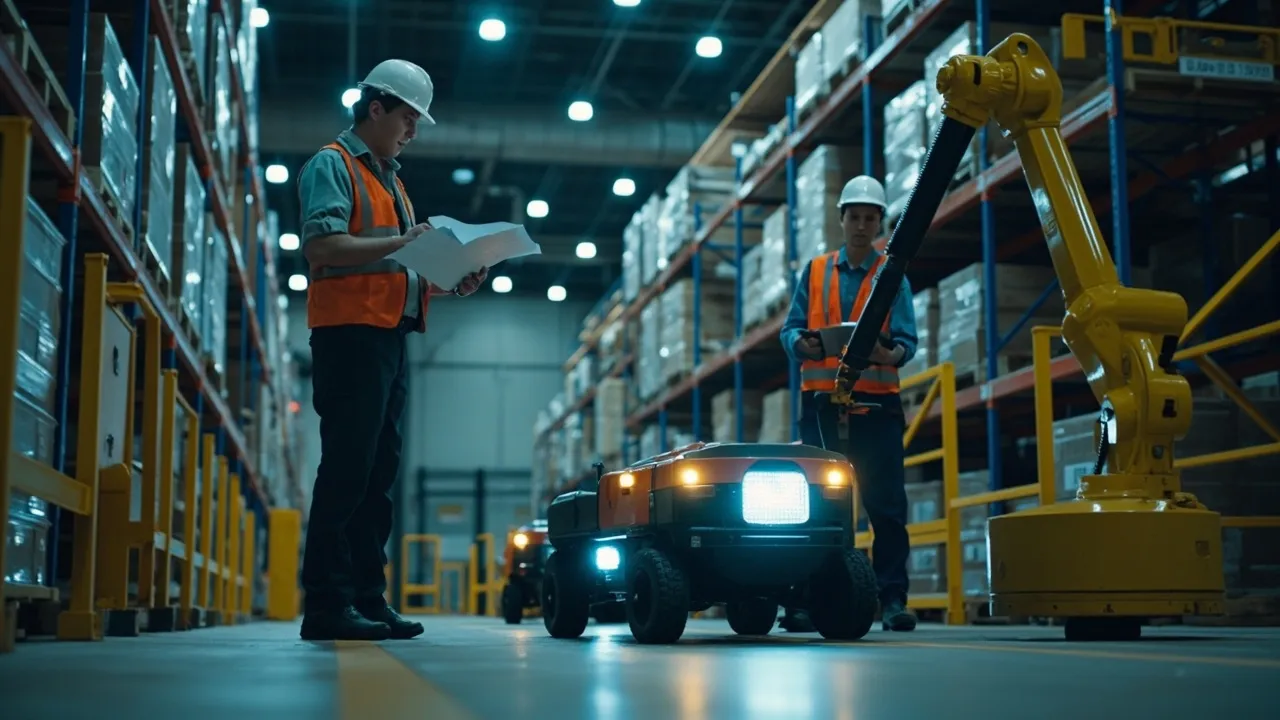
Modern warehouse robots are not simple machines following pre-programmed paths. They use computer vision to identify items, machine learning models to plan optimal pick sequences, and real-time sensor fusion to navigate around human workers and obstacles. Every one of these decisions requires AI inference — the process of running data through a trained model to get a prediction or action.
When that inference happens in the cloud, the physics of networking impose hard limits. A round trip from a warehouse floor sensor to a cloud data center and back typically takes 50 to 200 milliseconds under ideal conditions. Add network congestion, intermittent Wi-Fi dead spots common in metal-walled warehouses, and the occasional API timeout, and real-world latencies can spike to 500 milliseconds or more.
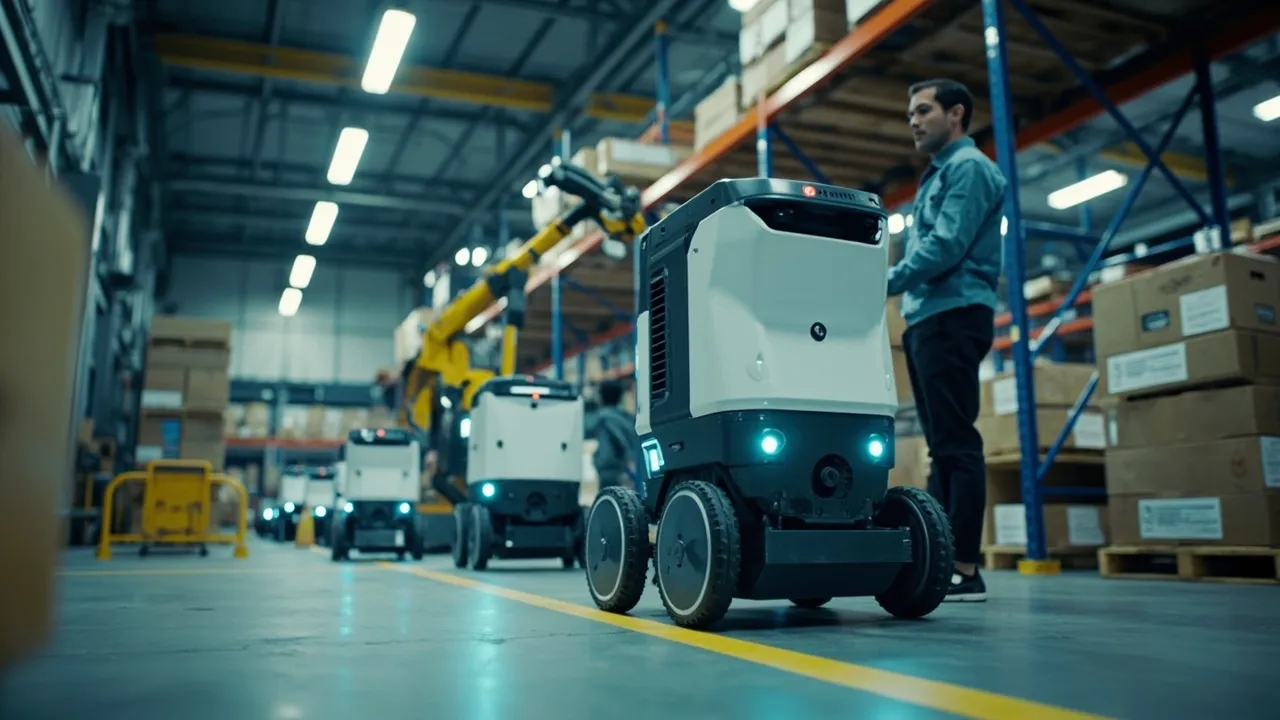
For a robotic arm making 1,200 picks per hour, that's the difference between fluid motion and stuttering hesitation. For an AMR navigating a busy aisle alongside human workers, a 200-millisecond delay in obstacle detection can mean a collision. The industry has reached a tipping point where cloud-dependent robotics simply cannot deliver the speed and reliability that modern fulfillment demands.
Why 5G Alone Doesn't Solve It — Edge Computing Fundamentals
The initial promise of 5G was supposed to eliminate the latency problem. With theoretical latencies under 10 milliseconds, private 5G networks appeared to make cloud-based AI inference viable for real-time robotics. In practice, however, the gap between theoretical and operational 5G performance in warehouse environments remains significant.
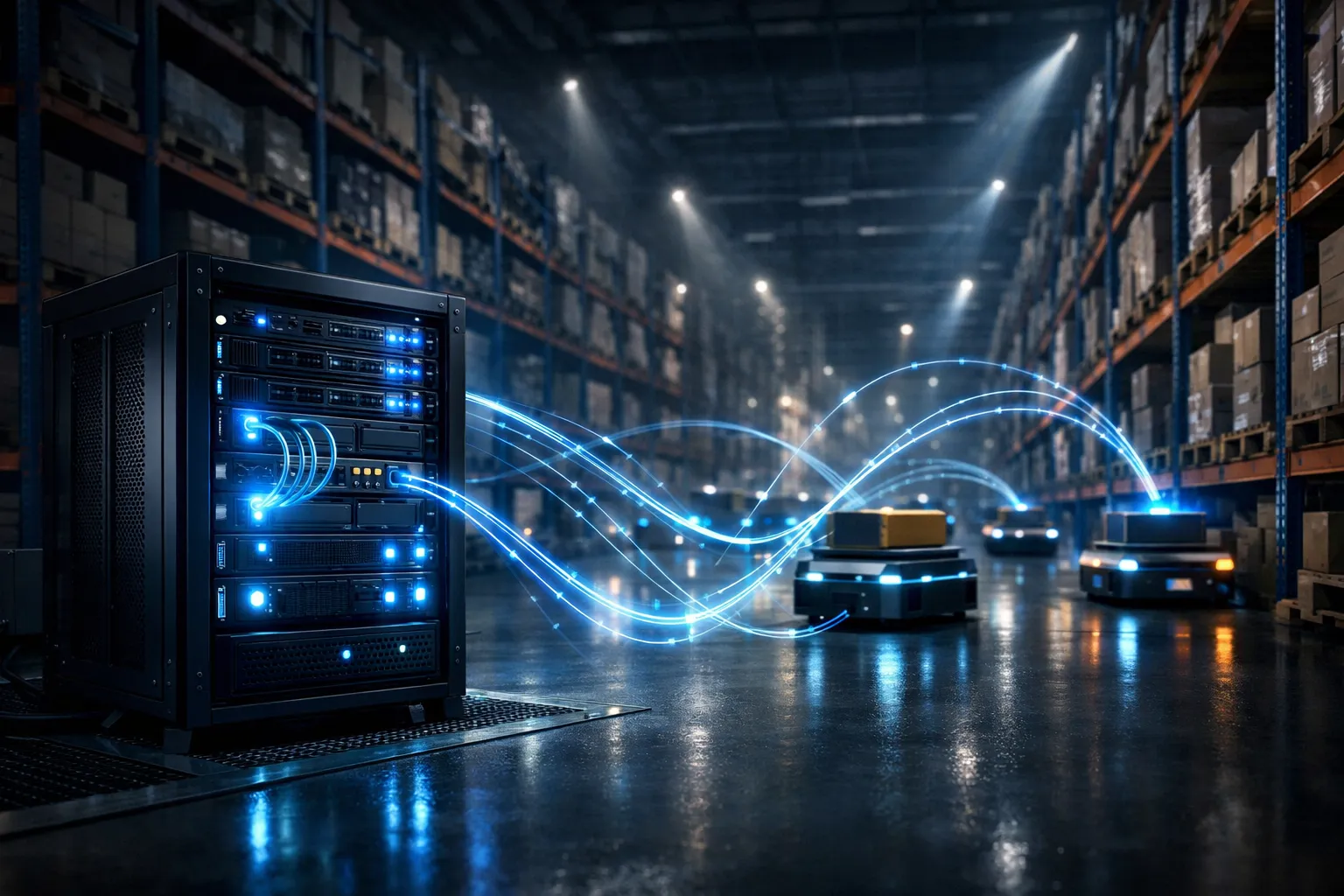
Edge computing takes a fundamentally different approach. Instead of trying to make the network fast enough, edge systems move the compute to where the data originates. Compact, ruggedized AI inference servers — installed directly inside the warehouse — process sensor data locally, returning decisions in single-digit milliseconds rather than the 50-to-200-millisecond range typical of cloud round trips.
The global edge computing market reflects this shift. According to MarketsandMarkets, the edge computing market was valued at USD 168.4 billion in 2025 and is projected to reach USD 249 billion by 2030, growing at a CAGR of 8.1%. Manufacturing, logistics, and industrial IoT represent the fastest-growing deployment segments, with warehouse operations emerging as a primary use case for edge AI infrastructure.
NVIDIA Jetson and Industrial AI Processors Powering Warehouse Robots
The hardware making this transition possible has matured rapidly. NVIDIA's Jetson platform — particularly the newest Jetson Thor module — has become the de facto standard for edge AI inference in industrial robotics. As NVIDIA detailed in its JetPack 7.1 technical overview, edge devices like Jetson operate under fundamentally different constraints than cloud GPUs: every millisecond, watt, and compute cycle directly impacts physical robot behavior.
Jetson Thor delivers up to 800 TOPS (trillion operations per second) of AI compute in a power envelope small enough to fit inside a warehouse robot's chassis. This allows complex vision models, path planning algorithms, and safety classification systems to run simultaneously on a single embedded module. Advantech has already announced warehouse-specific edge AI platforms built on Jetson Thor, designed to handle the environmental demands of distribution centers — temperature extremes, dust, vibration, and electromagnetic interference from conveyors and sorting equipment.
The result is a new architecture where robots carry their own AI brains rather than depending on a remote server. Pick-and-place inference that once required a 100-millisecond cloud round trip now executes in under 5 milliseconds on the robot itself.
Real-World Benchmarks: Edge vs. Cloud Inference for Pick-and-Place
The performance gap between edge and cloud inference is not theoretical — it's measurable and operationally significant. In typical warehouse deployments, cloud-based vision inference for pick-and-place operations averages 80 to 150 milliseconds per decision cycle, including network transit, queuing, inference, and response delivery. Edge-deployed models running on Jetson-class hardware consistently achieve 3 to 8 milliseconds for the same inference task.
That 10x-to-50x improvement in decision speed translates directly to throughput. A robotic picking cell operating at 5-millisecond inference cycles can sustain 1,500 or more picks per hour, compared to 800–1,000 picks per hour when constrained by cloud latency. More critically, edge inference eliminates the variance problem: cloud latencies can spike unpredictably during peak traffic, causing robots to pause or slow down. Edge latency is consistent and predictable, enabling warehouse managers to plan capacity with confidence.
The MHI 2026 Annual Industry Report reinforces this trajectory, naming automation and emerging technology among the top supply chain trends for 2026, with AI now embedded across supply chain functions. As MHI CEO John Paxton noted, "2026 marks a turning point where supply chains are not just reacting to disruption — they're anticipating it."
Cybersecurity Implications of On-Premise AI in Logistics Facilities
Moving AI inference to the edge introduces a different — and in many ways more manageable — cybersecurity profile than cloud-dependent architectures. When robots communicate with cloud servers, every inference request traverses the network, creating a continuous attack surface. Intercepted or manipulated inference responses could theoretically redirect robots, corrupt inventory data, or trigger safety incidents.
Edge-deployed AI significantly reduces this exposure. Inference happens on local hardware that never needs to send operational data outside the facility's network perimeter. Model updates can be delivered on controlled schedules through verified, encrypted channels rather than maintaining always-on cloud connections.
However, edge computing introduces its own security considerations. Physical access to on-premise servers becomes a concern — facilities need proper access controls for edge hardware. Firmware and model updates must be authenticated and signed to prevent tampering. And the distributed nature of edge deployments means security teams must manage patches and configurations across potentially hundreds of edge nodes rather than a centralized cloud environment.
The net result, according to industry analysts, is a more favorable security posture for edge-first architectures, provided organizations invest in proper device management and zero-trust networking principles.
How CXTMS Warehouse Integration APIs Work With Edge-Deployed Systems
For shippers and logistics operators deploying edge-powered warehouse robotics, the challenge isn't just making robots faster — it's connecting that speed to the broader supply chain. Real-time robotic picking and sorting only delivers full value when it's synchronized with transportation planning, inventory visibility, and order management.
CXTMS warehouse integration APIs are designed for exactly this architecture. Our API-first platform connects directly with edge-deployed warehouse execution systems (WES), ingesting real-time order completion signals as they happen — not minutes later when a cloud batch process catches up. When an edge-powered picking cell completes an order, CXTMS can immediately trigger carrier selection, rate shopping, and shipment booking, compressing the gap between order fulfillment and freight dispatch.
This integration model also supports the hybrid reality most warehouses face today. Not every facility will deploy full edge infrastructure overnight. CXTMS APIs work equally well with cloud-based WMS platforms, edge-deployed WES systems, or hybrid architectures, ensuring that transportation optimization keeps pace regardless of where warehouse compute lives.
The Infrastructure Layer That Determines Automation ROI
The debate in warehouse technology has shifted from whether to automate to how fast automation can respond. Edge computing is the infrastructure answer — bringing AI inference onto the warehouse floor where microseconds matter and network reliability is never guaranteed.
As the edge computing market accelerates toward $249 billion by 2030 and platforms like NVIDIA Jetson Thor deliver datacenter-class AI in warehouse-hardened form factors, the operational advantages become impossible to ignore. Facilities running edge-first architectures will pick faster, route smarter, and respond to demand changes in real time.
Ready to connect your edge-powered warehouse to intelligent transportation management? Request a CXTMS demo to see how our API-first platform integrates with edge-deployed systems for seamless warehouse-to-carrier execution.