Huawei's 180,000 Kilometer Railway Network: How China's Infrastructure Revolution Is Reshaping Global Supply Chains in 2026


When supply chain leaders talk about infrastructure transformation in 2026, the numbers are staggering. China's railway network, now spanning over 180,000 kilometers and powered by Huawei's intelligent transportation technologies, represents more than just concrete and steel—it's a fundamental reshaping of how goods move across continents. This infrastructure revolution is creating new trade corridors, reducing transit times, and forcing companies to reconsider their entire supply chain strategies in the face of China's growing global influence.
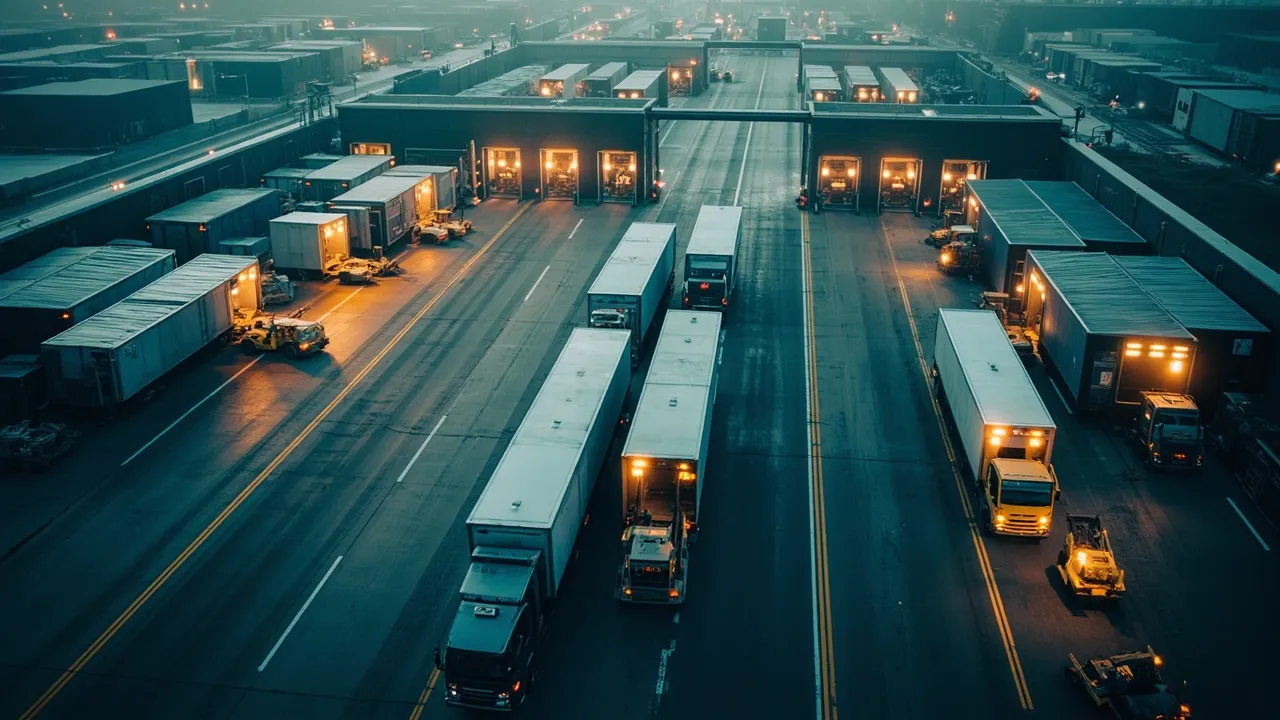
The scale is almost difficult to comprehend. Huawei's technologies now power more than 100 ports, 200 logistics companies, 300 urban rail systems, and that massive 180,000-kilometer railway network across Asia, Europe, and emerging markets. This isn't just about building new railways—it's about creating an intelligent, interconnected digital infrastructure that can coordinate global trade flows in real-time.
The 180,000 Kilometer Network: Connecting Manufacturing Hubs Globally
China's railway infrastructure expansion represents one of the most ambitious engineering projects in human history, and Huawei's role as the technology provider has positioned the company at the center of this transformation. The 180,000-kilometer network doesn't just connect Chinese cities—it creates new trade arteries that link manufacturing hubs across Asia, Europe, and beyond.
According to industry research, Chinese enterprises are currently moving from "product exports" and "capacity exports" toward a new stage of "industrial and supply chain exports." This means China is no longer just supplying finished goods—it's exporting entire supply chain ecosystems, supported by its vast railway infrastructure and Huawei's intelligent logistics technologies.
The China Federation of Logistics & Purchasing (CFLP) reports that China has made significant strides in modern logistics and advanced manufacturing, with 80 national-level advanced manufacturing clusters now scattered across the country. These clusters are interconnected through Huawei-powered railway networks, creating a seamless flow of goods that can be tracked and optimized in real-time.
How the Network Impacts Global Trade Routes and Supply Chain Optimization
The implications of this infrastructure revolution are profound for global supply chains. As reported by SupplyChainBrain, a 2025 BCG study predicted that regional supply chains could account for 50% of global trade by 2030, up from 30% in 2020. This shift promises resilience but requires significant infrastructure investment—ports, warehouses, and railway networks must expand to handle localized trade.
Huawei's 180,000-kilometer railway network is enabling this shift by:
1. Creating New Trade Corridors: The network connects manufacturing hubs across Asia with European markets, reducing transit times for goods that previously moved through sea routes. This "railway Silk Road" is becoming increasingly attractive for time-sensitive shipments.
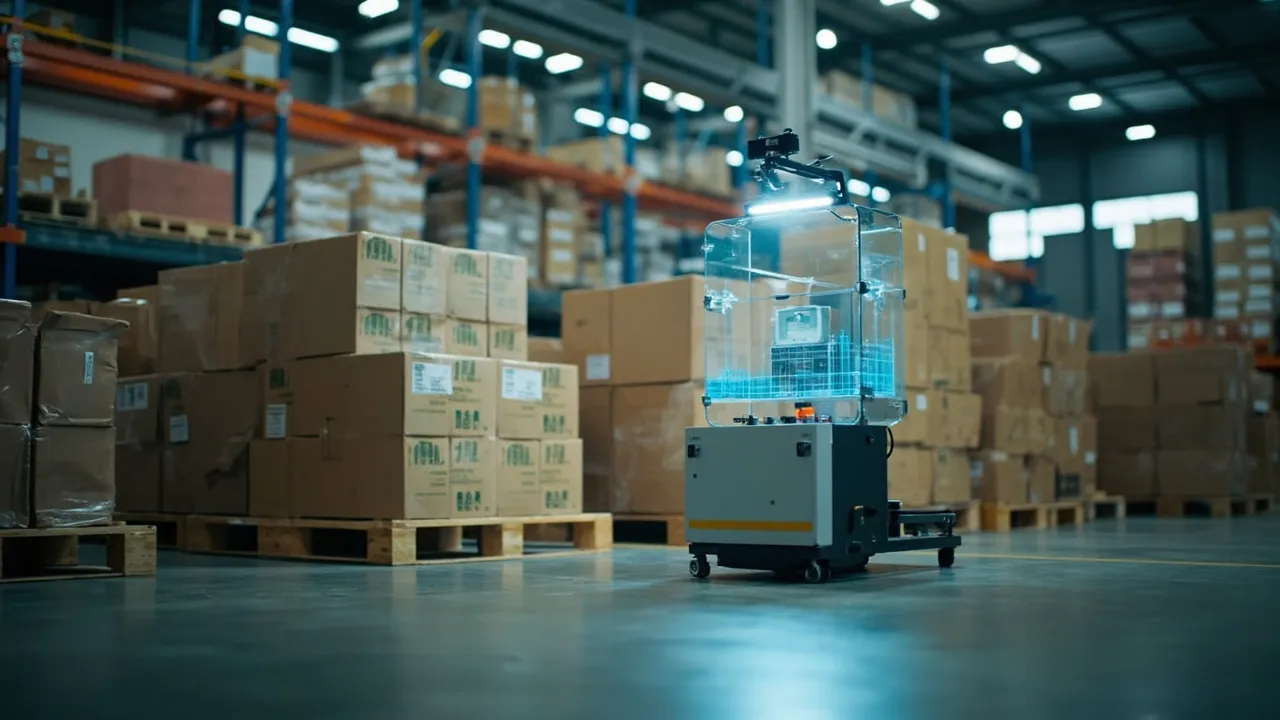
2. Enabling Real-Time Visibility: Unlike traditional rail systems that operated in data silos, Huawei's intelligent railway network incorporates IoT sensors, 5G connectivity, and edge computing nodes that provide unprecedented visibility into cargo movements. This allows shippers to track shipments with the same precision as air freight.
3. Optimizing Multi-Modal Logistics: The railway network serves as the backbone for integrated logistics operations, connecting seamlessly with ports, airports, and distribution centers. This multi-modal approach is reducing dependency on any single transportation mode while improving overall efficiency.
4. Supporting Just-in-Time Manufacturing: The precision and reliability of Huawei's railway systems are enabling just-in-time manufacturing models that were previously difficult to implement across long distances, reducing inventory costs while maintaining production efficiency.
Technological Innovations in Railway Logistics and IoT Integration
What makes Huawei's railway network truly revolutionary is not just its scale, but its technological sophistication. The company has deployed what it calls "telecom-grade digital infrastructure" across the entire network, creating an intelligent ecosystem that can self-optimize and adapt to changing conditions.
Key technological innovations include:
5G-Connected Rail Corridors: Huawei has deployed the world's first commercial deployment of a 1.4 GHz 5G fixed wireless access (FWA) network for railways in Indonesia. This provides high-bandwidth, low-latency connectivity along rail lines, enabling real-time monitoring and control of freight movements.
AI-Powered Predictive Maintenance: The railway network incorporates AI systems that can predict equipment failures before they occur, reducing downtime and improving overall network reliability. These systems analyze sensor data from thousands of monitoring points across the network.
Digital Twins for Network Optimization: Huawei has created digital twins of the entire railway network that simulate traffic flows, weather impacts, and maintenance requirements. These digital twins allow operators to test scenarios and optimize network performance before implementing changes in the physical world.
Blockchain-Enabled Tracking: The network integrates blockchain technology for secure, tamper-proof tracking of goods as they move across borders. This is particularly important for cross-border trade, where documentation and verification have traditionally been major bottlenecks.
What This Means for Shippers and Logistics Providers
For shippers and logistics providers, China's railway infrastructure revolution presents both opportunities and challenges. The implications are far-reaching:
Reshoring and Nearshoring Acceleration: As China's railway network expands, it's becoming more cost-effective to manufacture goods in China and transport them to markets via rail rather than air freight. This is reversing some of the nearshoring trends that gained momentum during the pandemic.
Supply Chain Resilience: Having multiple transportation modes and routes available improves supply chain resilience. Companies can now route goods through rail corridors when sea lanes are congested or when air freight costs become prohibitive.
Cost Optimization: The efficiency gains from Huawei's intelligent railway systems are translating into cost savings. According to industry estimates, rail freight can be 60-70% cheaper than air freight while being 2-3 times faster than ocean freight for certain corridors.
Market Access: The railway network is opening up new markets for companies, particularly in Central Asia, the Middle East, and Eastern Europe. These regions were previously difficult to access affordably via traditional transportation modes.
Regulatory Complexity: As goods move across borders via these new rail corridors, companies must navigate complex regulatory environments. Huawei's systems help manage customs clearance and compliance, but shippers still need expertise in international trade regulations.
Strategic Recommendations for 2026 Supply Chain Planning
As China's railway infrastructure continues to expand and evolve, supply chain leaders need to develop strategies that leverage these new capabilities while managing risks:
1. Assess Your Trade Corridors: Map out which of your supply chains could benefit from rail connectivity. Evaluate factors like transit time, cost, reliability, and market access for each corridor.
2. Develop Multi-Modal Strategies: Don't rely on单一运输模式. Develop flexible strategies that can leverage rail, sea, and air transportation as market conditions and costs change.
3. Invest in Visibility Technology: Ensure your supply chain visibility systems can integrate with Huawei's railway infrastructure and provide real-time tracking across all transportation modes.
4. Build Regulatory Expertise: As you expand into new markets via rail corridors, invest in understanding the regulatory requirements, customs procedures, and trade agreements that apply.
5. Develop Contingency Plans: While the railway network is reliable, have contingency plans in place for disruptions. Consider alternative routes and transportation modes for critical shipments.
The Future Trajectory
Looking ahead, China's railway infrastructure powered by Huawei is likely to continue expanding. The Chinese government has approved major projects and investment plans for 2026 totaling $42 billion, with the goal of "further improving China's modern infrastructure system and providing strong support for a smooth start to the 15th Five-Year Plan (2026-2030)."
This infrastructure investment is part of a broader strategy to strengthen China's position in global supply chains while reducing dependency on Western transportation infrastructure. As this network expands, it's likely to create new competitive advantages for companies that can effectively leverage these capabilities.
For shippers and logistics providers, the message is clear: China's railway infrastructure revolution is not just a regional development—it's a global transformation that will reshape supply chain dynamics for years to come. Companies that understand these changes and adapt their strategies accordingly will be well-positioned to thrive in the new era of global trade.
The 180,000-kilometer railway network represents more than just infrastructure—it's the foundation of a new global supply chain ecosystem that will define trade in the 21st century.
Ready to optimize your supply chain for the railway revolution? Request a CXTMS demo and see how our platform can help you leverage these new infrastructure capabilities to improve visibility, reduce costs, and enhance resilience across your entire global supply chain.