Freight Appointment Automation: How Verified Scheduling Is Eliminating Blind Trust and Pickup Fraud

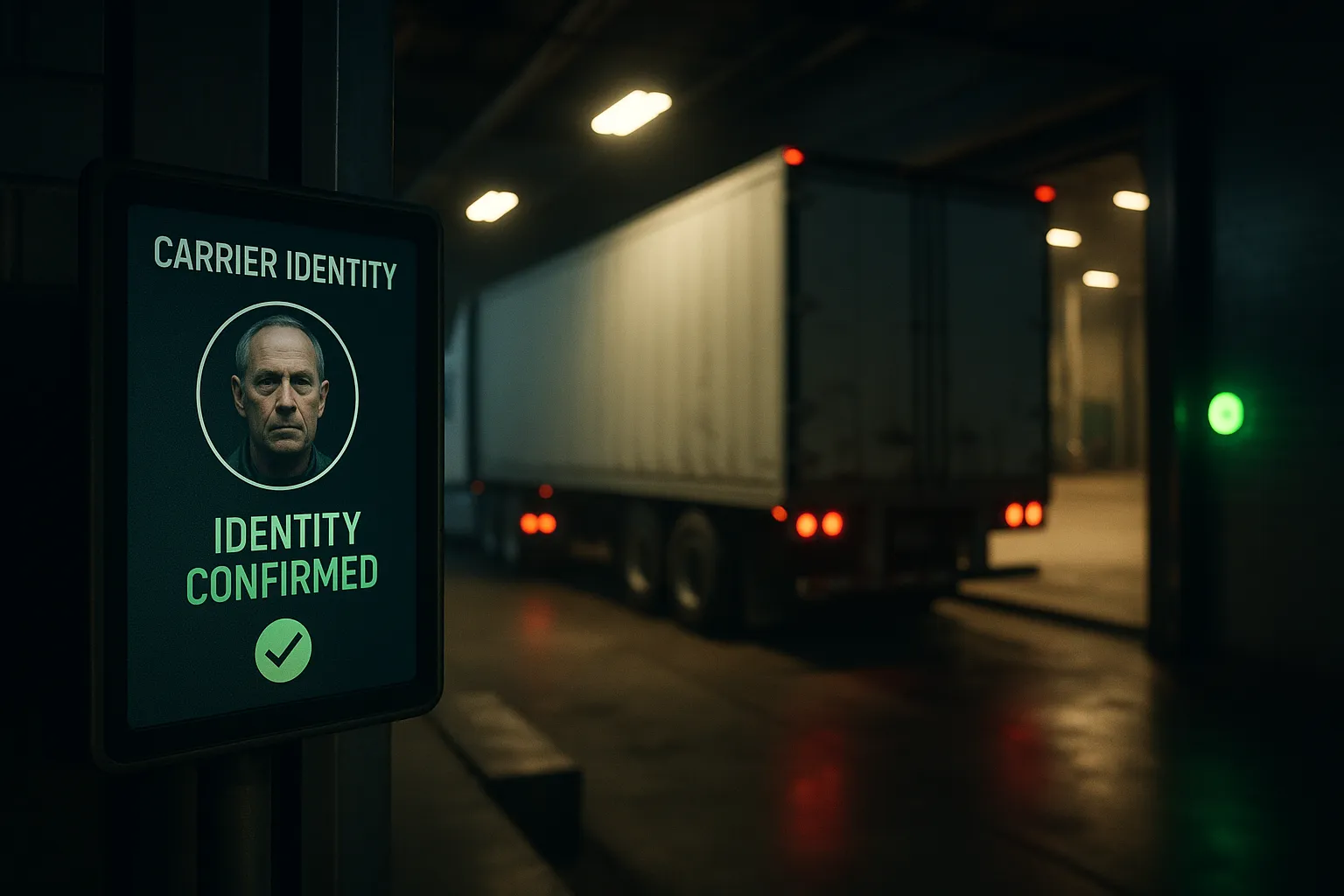
Freight fraud is no longer a fringe problem. According to the American Transportation Research Institute (ATRI), cargo theft costs the U.S. trucking industry an estimated $6.6 billion per year — roughly $18 million every single day. In 2025, estimated losses surged 60% year-over-year to nearly $725 million in reported incidents alone, with the average theft value climbing 36% to $273,990 per event, according to CargoNet data reported by Carrier Management.
But here's the uncomfortable truth most shippers overlook: fraud doesn't start at the dock. It starts when no one verifies who made the appointment.
The traditional freight appointment process — built on phone calls, emails, and blind trust — has become the soft underbelly of supply chain security. In 2026, a new wave of appointment automation technology is finally closing that gap.
The Blind Trust Problem in Freight Scheduling
Every day, thousands of freight appointments are booked across North America with virtually no identity verification. A broker emails a warehouse with a pickup time. A carrier name is attached. The warehouse opens a dock door. But who actually confirmed that the carrier is legitimate? That the booking broker is authorized? That the load even exists?
In most operations, the answer is nobody.
This disconnect between scheduling systems and carrier compliance creates a gap that bad actors exploit ruthlessly. Fraudulent pickups, double-brokered loads, and identity theft schemes all exploit the same fundamental weakness: appointment systems that accept bookings on faith alone.
The National Insurance Crime Bureau (NICB) warned that cargo crimes hit all-time highs in 2024, up 27% from the prior year, with losses expected to continue climbing through 2026. When a fraudulent carrier shows up at a dock with a valid-looking appointment confirmation, warehouse staff have no practical way to distinguish them from a legitimate pickup.
Identity-Verified Appointments: A New Standard Emerges
On March 3, 2026, Highway — the leading Carrier Identity® solutions provider — announced a strategic partnership with Qued, an AI-powered freight appointment automation platform. The partnership represents a fundamental shift in how the industry thinks about scheduling: appointments must be authenticated, not just automated.
Here's how the model works:
- Carrier identity verification upstream. Highway's Carrier Identity® platform validates carrier compliance, authority status, and insurance before a booking is even confirmed.
- Automated appointment creation. Qued's AI engine schedules pickups and deliveries autonomously, handling multi-stop loads and facility-specific rules. According to FreightWaves, Qued's platform achieves a 95% autonomous appointment confirmation rate with minimal human intervention.
- Verified data sharing. When a load has a Qued-confirmed appointment, that verification surfaces directly within Highway's platform, creating a continuous chain of trust from booking through dock arrival.
As Michael Caney, Highway's Chief Commercial Officer, put it: "Carrier compliance is the foundation. By partnering with Qued, we're extending trusted identity beyond booking and into appointments, eliminating another gap that bad actors have historically exploited."
Why Automation Alone Isn't Enough
It's tempting to think that simply digitizing the appointment process solves the fraud problem. It doesn't. Plenty of operations have moved from phone-based scheduling to web portals or email-based systems — but digitization without verification just makes fraud faster.
The critical distinction is between appointment automation (making scheduling more efficient) and appointment authentication (confirming that every participant in the scheduling chain is verified and legitimate).
Consider the typical fraud scenario:
- A bad actor intercepts load details from a compromised load board posting
- They contact the shipper's warehouse posing as the assigned carrier
- They book an appointment using the legitimate load's reference numbers
- They show up, load the freight, and disappear
At no point in this chain does a traditional scheduling system flag the identity mismatch. The appointment looks real because the system never checked whether the entity booking it was authorized to do so.
Verified scheduling breaks this chain by requiring SCAC validation, carrier authority confirmation, and real-time identity checks before an appointment is finalized.
The ROI of Verified Freight Appointments
Beyond fraud prevention, verified appointment automation delivers measurable operational benefits:
- Reduced failed pickups. When every appointment is tied to a verified carrier, the rate of no-shows and wrong-carrier arrivals drops significantly.
- Lower insurance claims. Facilities that can demonstrate identity-verified scheduling workflows may see favorable treatment from cargo insurance underwriters.
- Faster dock throughput. Pre-verified appointments eliminate the manual check-in verification that slows down receiving operations.
- Audit trail compliance. Every appointment carries a verified identity record, creating the documentation trail that shippers need for claims resolution and regulatory compliance.
The freight industry has long accepted that detention and dwell time cost carriers an estimated $1.1 billion to $1.3 billion annually, according to the ATRI. A significant portion of that waste traces back to scheduling inefficiencies — appointments that were never properly confirmed, carriers that arrive outside their windows because they were never authenticated, and facilities that over-schedule because they can't trust their own appointment data.
What Shippers Should Do Now
The Highway-Qued model is likely the first of many verified scheduling partnerships we'll see in 2026. For shippers and 3PLs looking to get ahead of this trend, here are practical steps:
1. Audit your current appointment process. Map every touchpoint where a carrier identity could be spoofed. If your warehouse accepts appointments via email without verification, that's a vulnerability.
2. Require carrier compliance verification before scheduling. Work with your TMS provider to ensure that appointment creation is gated behind active authority checks, insurance verification, and SCAC validation.
3. Adopt automated scheduling with identity layers. Manual scheduling will never scale to the verification level needed to prevent sophisticated fraud. AI-powered platforms that embed identity verification into the scheduling workflow are the path forward.
4. Connect your scheduling data to your carrier monitoring systems. Appointment data shouldn't live in a silo. When your scheduling platform talks to your carrier compliance tools in real time, anomalies surface before freight leaves the dock.
How CXTMS Supports Verified Freight Appointments
CXTMS's carrier compliance and visibility platform is built to support the same principle driving this industry shift: trust must be verified, never assumed. Our carrier management tools validate authority status, insurance coverage, and safety scores in real time — the same upstream compliance data that powers verified appointment workflows.
When you pair CXTMS's carrier monitoring with automated scheduling platforms, you create an end-to-end verification chain that protects your freight from booking through delivery. Our API integrations ensure that compliance data flows seamlessly into your scheduling, TMS, and warehouse management systems.
Ready to close the blind trust gap in your freight operations? Request a CXTMS demo today and see how real-time carrier verification can secure every appointment on your dock.