FedEx and Returnity Launch Zero-Waste B2B Shipping: How Reusable Packaging Programs Are Eliminating Corrugated Waste at Scale

When FedEx — the company that moves 16 million packages daily — announces a reusable packaging system designed to replace single-use corrugated boxes in B2B shipping, it's not a sustainability press release. It's a structural shift in how freight moves through parcel networks. And the numbers behind it suggest that the economics of reusable packaging have finally crossed the threshold from aspirational to operational.
On March 12, 2026, FedEx and Returnity launched a purpose-built reusable box solution for B2B shippers across the United States. The program eliminates the handling-fee penalties that have historically made non-standard packaging impractical in major carrier networks — and it does so while cutting packaging costs by up to 30% per cycle and reducing carbon emissions by 64% to 88% compared to single-use corrugated boxes.
The Announcement: What FedEx and Returnity Built
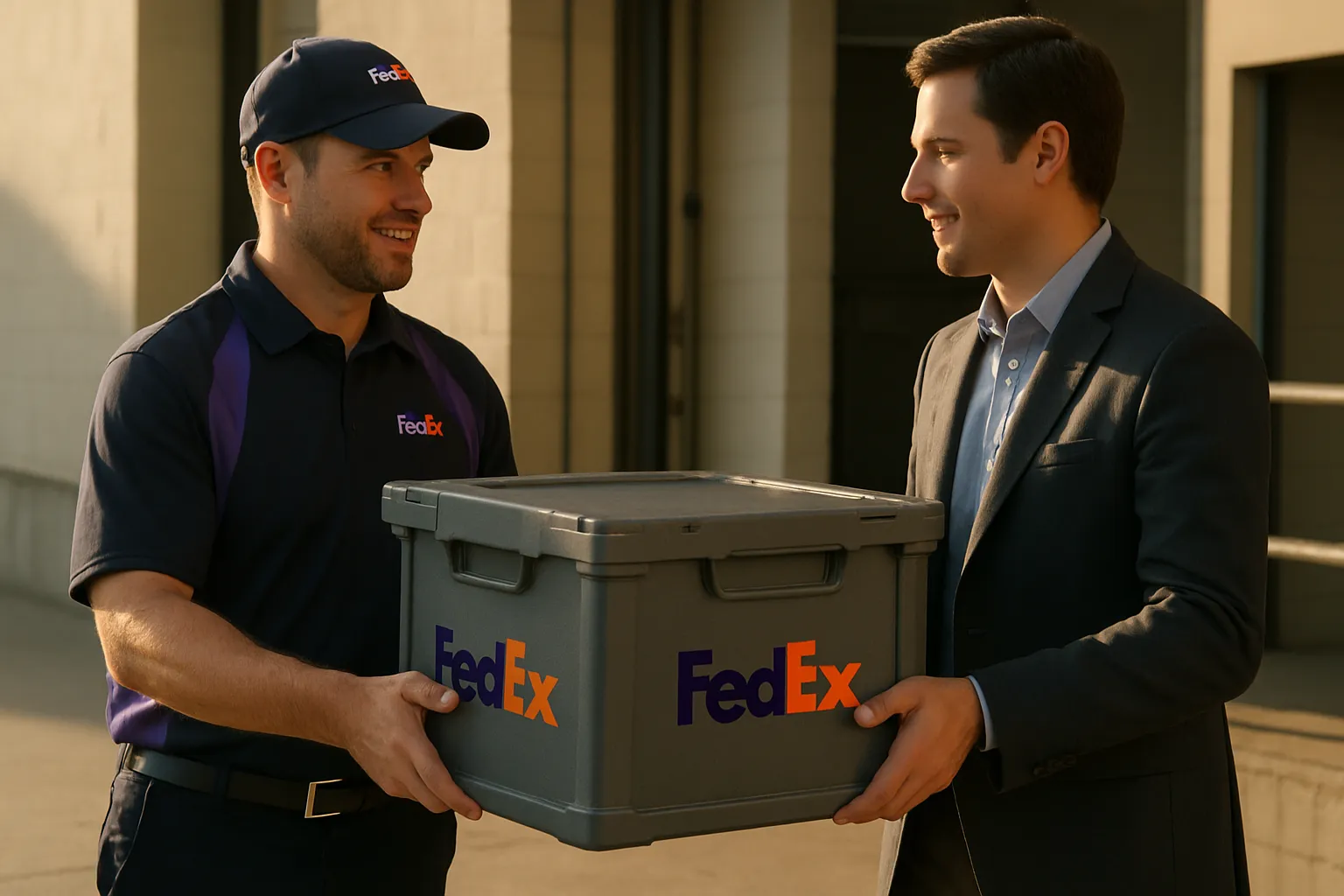
The collaboration between FedEx and Returnity, a circular logistics specialist, produced a FedEx-specific reusable container designed to work seamlessly within the existing FedEx network. This isn't an aftermarket retrofit or a third-party workaround — it's a native packaging format built to move through FedEx sorting systems, automated conveyor lines, and delivery operations without triggering the surcharges or manual handling exceptions that plague non-standard packaging.
Each container is engineered for up to 50 shipping cycles and can transport goods weighing up to 50 pounds. The design is durable, collapsible for efficient return shipping, and fully compatible with automated warehouse systems. When collapsed, the containers stack flat, minimizing the return logistics footprint that has historically undermined reusable packaging economics.
FedEx Global Customer Experience SVP Neil Gibson described it as "the first scalable, reusable box solution for B2B customers," noting it is "especially useful for soft-goods shippers" and designed to deliver "meaningful cost savings while reducing environmental impact, all without sacrificing speed or reliability."
Returnity CEO Mike Newman put it more bluntly: "FedEx made reuse make sense by building the business case, doing the work, and creating a model for how circular logistics can succeed at scale."
The Corrugated Waste Problem: 401 Billion Square Feet and Counting
The scale of single-use packaging waste in U.S. logistics is staggering. According to data tracked by Statista, the United States shipped approximately 401 billion square feet of corrugated packaging in 2022, with volumes continuing to grow alongside e-commerce and B2B shipping expansion. The EPA reports that corrugated boxes represent the single largest category of municipal solid waste by weight among packaging materials, with over 33 million tons generated annually.
While corrugated recycling rates in the U.S. are high — around 96.5% according to EPA data — recycling is not the same as elimination. Every recycled box still requires collection, processing, pulping, and remanufacturing. The energy, water, and transportation costs embedded in that recycling loop are substantial. A reusable container that completes 50 cycles before end-of-life fundamentally changes that equation.
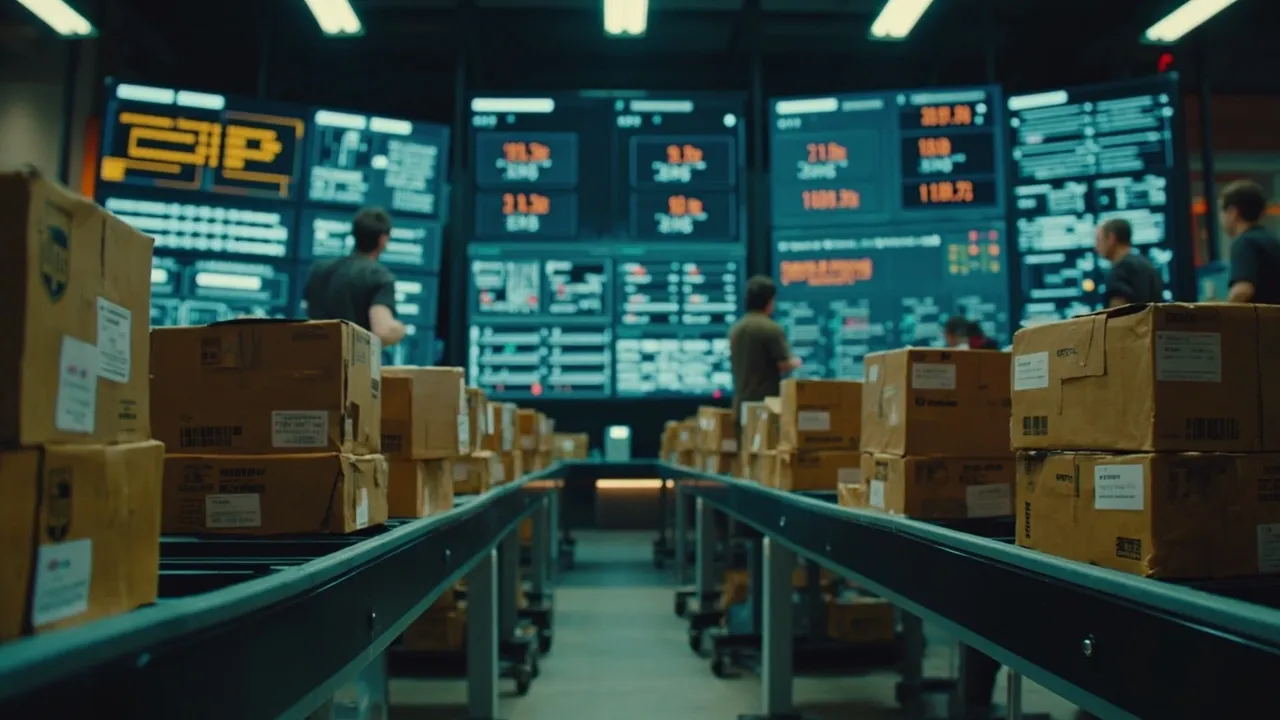
For B2B shippers specifically, the waste problem is concentrated. Businesses shipping goods between fulfillment centers, retail locations, and service facilities often send the same types of products along the same routes on predictable schedules — exactly the closed-loop pattern where reusable packaging delivers maximum ROI.
The Economics: Why 30% Cost Reduction Changes the Calculus
FedEx reports that participants in the reusable packaging program experienced packaging cost reductions of up to 30% per shipping cycle. That figure alone would be compelling, but the operational benefits extend beyond material savings.
Early participants noted faster unpacking and restocking times at receiving locations, measurable gains in labor efficiency during inbound processing, improved organization in storage and staging areas, and fewer instances of product damage during transit. Damage reduction is particularly significant for soft-goods shippers — apparel, textiles, and similar products that are vulnerable to moisture and crush damage in corrugated boxes but travel safely in the rigid, durable Returnity containers.
The broader reusable packaging market reflects this growing economic case. According to GM Insights, the global reusable packaging market is valued at $150.4 billion in 2026 and is projected to reach $258 billion by 2035, growing at a 6.2% CAGR. Meanwhile, Mordor Intelligence reports that the broader sustainable packaging market is worth $325.94 billion in 2026 and growing at 7.29% CAGR — signaling that sustainability is no longer a cost center but a competitive advantage in logistics procurement.
Why B2B — Not B2C — Is Where Reusable Packaging Wins First
The strategic decision to launch with B2B rather than B2C shipping is critical. Consumer-facing reusable packaging programs have struggled historically because they depend on individual consumers to return packaging — an inherently unreliable reverse logistics chain. Return rates for consumer reusable packaging programs typically hover between 50% and 70%, making the per-cycle economics marginal at best.
B2B closed-loop shipping eliminates this problem entirely. When packaging moves between fulfillment centers, store restocking operations, and service support locations, the return path is built into existing logistics flows. The container goes out with product and comes back on the same truck making the next pickup. No consumer behavior change required. No new reverse logistics infrastructure needed.
This is why FedEx specifically designed the program for closed-loop settings — fulfillment centers, retail restocking, and service support operations. The packaging stays within professional logistics environments where return compliance approaches 100%.
The Carbon Case: 64% to 88% Emissions Reduction
Beyond cost, the environmental impact is significant. FedEx reports that the reusable container system reduces carbon emissions by between 64% and 88% compared to equivalent single-use corrugated shipments. That range reflects the variability across different shipping routes, product weights, and cycle frequencies — but even the low end represents a transformative reduction.
For shippers facing ESG reporting requirements, Scope 3 emissions targets, or customer sustainability mandates, a packaging switch that delivers 64-88% carbon reduction without operational disruption is one of the highest-impact, lowest-friction levers available. It requires no fleet changes, no route modifications, and no technology integration — just a different box.
FedEx has announced plans to expand the program to Australia and Europe in future phases, suggesting confidence in the economic model and anticipation of growing regulatory pressure in those markets.
What This Means for Shippers: Integrating Reusable Packaging into TMS Workflows
The FedEx-Returnity partnership signals a broader industry shift: major carriers are making sustainability operationally frictionless rather than asking shippers to absorb complexity and cost. When the world's largest parcel carriers build reusable packaging into their native networks, the calculus for every shipper changes.
For logistics teams managing B2B shipping programs through CXTMS platforms, the implications are actionable:
- Track reusable container cycles alongside shipment data to optimize container inventory and identify routes where reuse rates are highest
- Model packaging cost per cycle rather than per unit to capture the true economics of reusable vs. single-use across shipping lanes
- Incorporate packaging emissions into carrier selection criteria, using per-cycle carbon data to meet Scope 3 reporting requirements
- Identify closed-loop candidates in your shipping network — high-frequency routes between owned or partner facilities where return logistics are already embedded
The era of treating packaging as disposable overhead is ending. FedEx just made the alternative scalable.
Ready to optimize your B2B shipping operations for sustainability and cost efficiency? Request a CXTMS demo to see how our platform helps you track packaging cycles, reduce Scope 3 emissions, and build smarter carrier strategies.