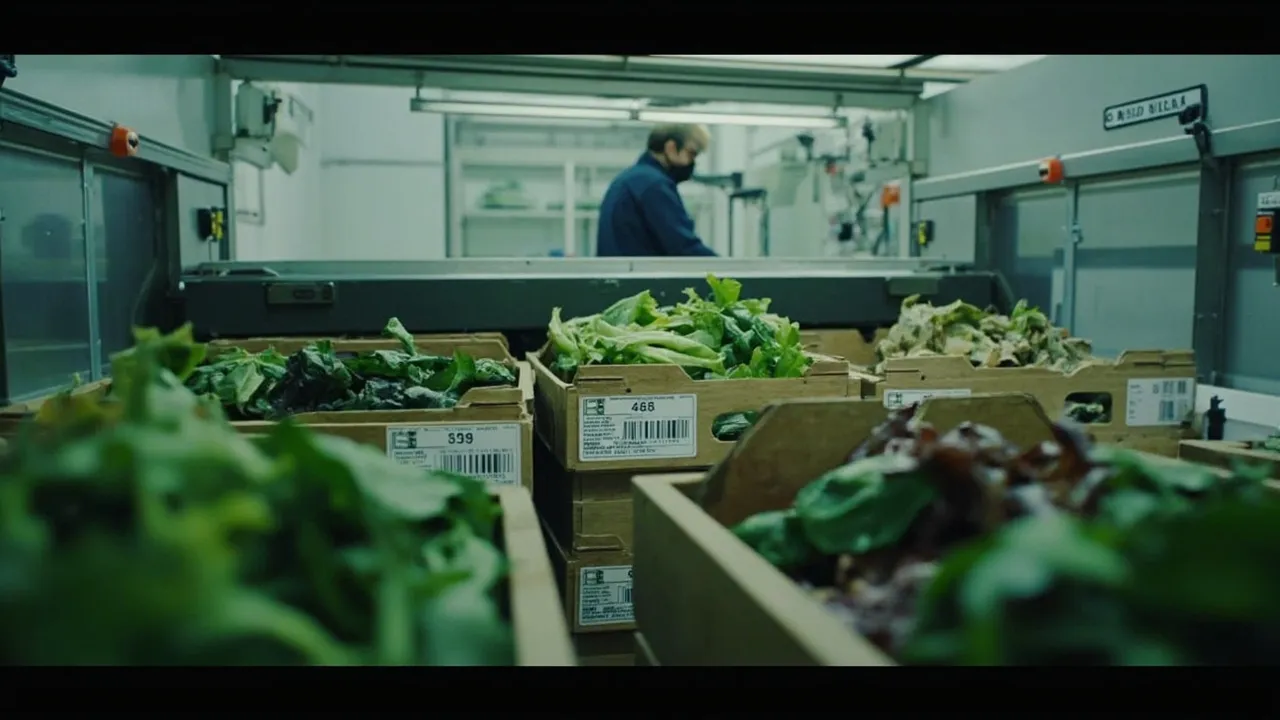
Danone’s Plant-Based Dairy Closure Shows Network Strategy Follows Demand Shifts

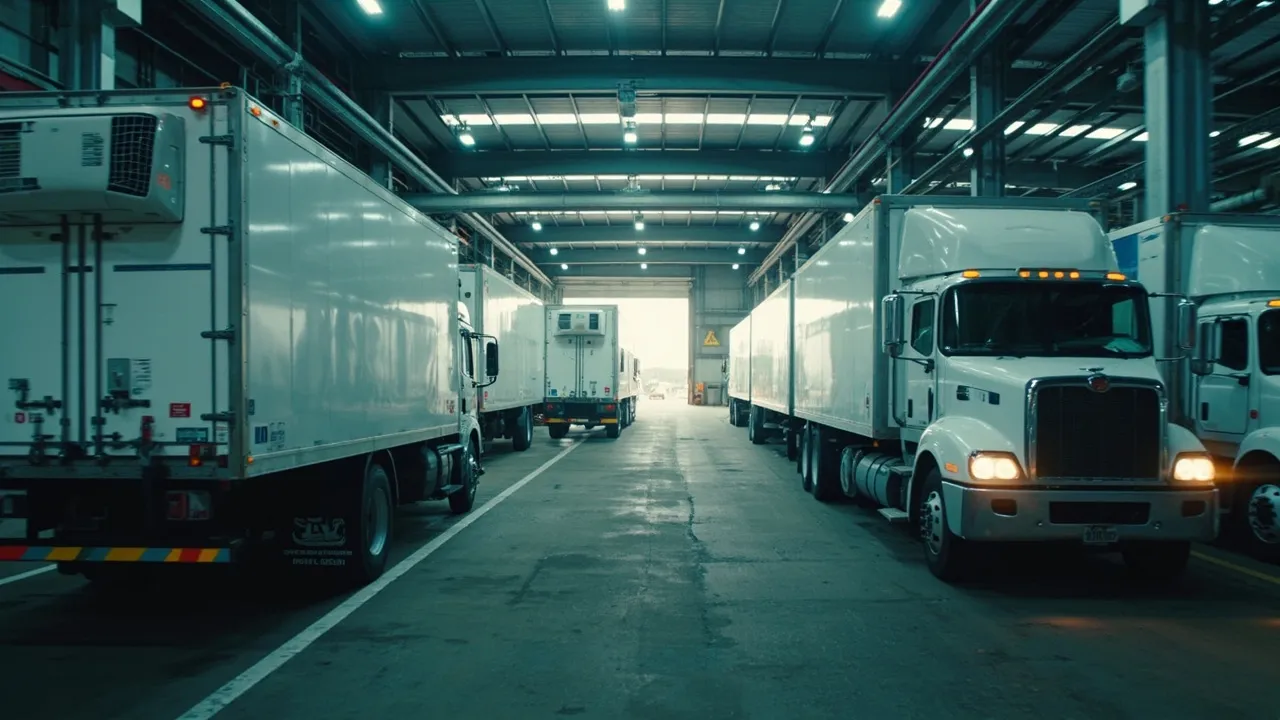
Danone's decision to close a plant-based dairy facility in Bridgeton, New Jersey, is more than a local manufacturing change. It is a clear example of a larger logistics rule: network strategy eventually follows demand, even when the brand story takes longer to adjust.
According to Supply Chain Dive, the Silk and So Delicious manufacturer will shut the Bridgeton facility on Aug. 4 and lay off approximately 114 workers. Production will be reassigned to other Danone facilities in Dallas; Mt. Crawford, Virginia; and Jacksonville, Florida. A company spokesperson said the change is part of a broader effort to transform the network and invest in critical capabilities across the core U.S. footprint.
The demand signal behind that move is hard to ignore. The same report cited National Milk Producers Federation data, based on Circana, showing alternative milk sales fell 6% to 358.4 million gallons in 2025. Since peaking in 2021, plant-based milk sales have declined by nearly one-fifth, with 2025 marking the steepest annual drop.
Demand mix is changing the plant map
Food manufacturing networks are built around assumptions: which products will grow, where demand will appear, how much cold storage is needed, which plants should specialize, and what lanes can support reliable service at acceptable cost. When those assumptions shift, the network has to move with them.
For Danone, the contrast is especially sharp. Plant-based dairy has been under pressure, while high-protein dairy demand has been strong. Supply Chain Dive noted that Danone previously called out capacity constraints for high-protein products in the U.S. and has been investing in facilities tied to yogurt growth.
That creates a classic network allocation problem. Capacity, labor, refrigeration, packaging lines, quality programs, and transportation budgets are finite. If one category is shrinking while another is constrained, the manufacturer cannot simply keep the same footprint and hope utilization works itself out. Plants need to serve the product mix that actually exists, not the one planners expected three years ago.
The Bridgeton closure shows how that reset can play out. Production does not disappear; it is reassigned. But reassignment changes more than the manufacturing address. It changes inbound ingredient flows, packaging supply points, inventory positioning, outbound customer lanes, carrier commitments, and the temperature-controlled capacity needed around each facility.
Cold-chain lanes get redesigned first
Plant-based dairy still requires careful temperature control. When production shifts from New Jersey to Dallas, Mt. Crawford, and Jacksonville, the cold-chain map changes immediately.
Customers previously served efficiently from Bridgeton may now require longer hauls, different pool points, or new cross-dock logic. Some lanes may become more efficient if they are closer to Southeast or South Central demand. Others may need more planning discipline to avoid service degradation in the Northeast.
That is where food logistics teams need to move quickly. Every reassigned SKU should be reviewed against:
- new origin-to-customer mileage;
- refrigerated carrier coverage by market;
- dwell risk at plants and distribution centers;
- case-pick versus pallet-pick behavior;
- shelf-life impact from longer transit;
- minimum order quantity and truckload consolidation rules.
The worst version of a plant closure is treating it as a facilities decision and leaving transportation to absorb the consequences. That usually creates emergency tenders, higher spot-market exposure, weaker appointment performance, and more expensive temperature-controlled exceptions.
The better version is to rebuild the lane guide before the final production cutover. That means validating reefer capacity, revising lead times, updating customer delivery calendars, and modeling whether demand should flow direct from new plants or through regional distribution centers.
SKU specialization matters more when demand softens
Demand decline does not affect every SKU equally. A category can be down 6% overall while some formats, flavors, channels, or package sizes remain strong. That is why network realignment should be paired with SKU-level analysis, not just plant-level cost cutting.
Slow-moving refrigerated products are operationally expensive. They consume cold storage, complicate picking, create short-dated inventory risk, and often ship in inefficient quantities. If plant-based dairy demand is down nearly one-fifth from its peak, logistics teams should ask which SKUs still justify dedicated production runs and which ones create too much complexity for their volume.
This is not unique to Danone. In another food manufacturing example, Supply Chain Dive reported that J&J Snack Foods expects $15 million in annual savings from plant consolidation as part of a broader $20 million transformation plan, then another $3 million in distribution efficiencies. The lesson is consistent: manufacturing footprint changes only create full value when distribution, inventory, and service rules are redesigned afterward.
Food manufacturers should treat SKU and plant specialization as one operating model. The right question is not simply, "Which facility can make this product?" It is, "Which facility can make this product at the right cadence, with the right cold-chain economics, for the customers that still buy it?"
What food shippers should do now
Danone's move is a reminder that demand-driven supply chains require faster feedback between commercial signals and logistics design. A few practical steps matter:
First, compare category demand trends with plant utilization. If a plant is tied heavily to a slowing segment, the transportation team should be involved before consolidation decisions are finalized.
Second, model lane-level cost and service after any production reassignment. The cheapest manufacturing answer can become expensive if it creates long refrigerated moves, fragmented orders, or higher claims exposure.
Third, update master data quickly. TMS, WMS, order management, carrier routing guides, dock schedules, and customer lead times all need to reflect the new production map. Old origins lingering in systems create bad tenders and preventable exceptions.
Fourth, watch inventory age during transition. Network changes often create temporary buffers, but refrigerated food has less room for error. Safety stock that protects service in week one can become waste in week four if demand is weaker than expected.
Finally, use the transition to clean up low-value complexity. If demand has shifted, the network redesign should challenge SKU count, packaging formats, case packs, and customer delivery frequency.
Plant closures are painful, especially for affected workers and communities. Operationally, though, they reveal whether a manufacturer can adapt its network to reality. Danone's Bridgeton decision shows a food supply chain moving capacity away from a softer plant-based segment and toward a more focused U.S. footprint.
For logistics leaders, the takeaway is blunt: demand shifts are not just a sales problem. They redraw the freight map.
Ready to model how demand changes affect your lanes, carriers, and refrigerated service commitments? Request a CXTMS demo and see how transportation visibility supports smarter network decisions.