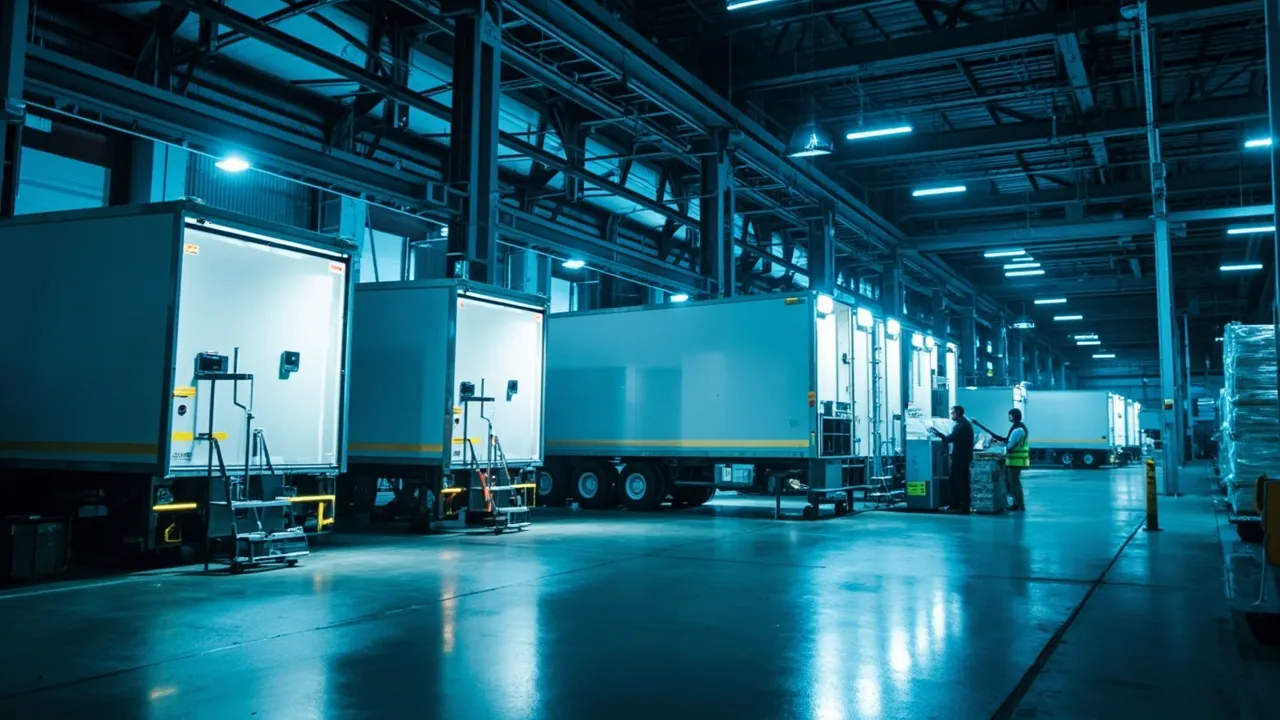
Cold Storage Market Hits 10% Oversupply: How the Capacity-Demand Imbalance Is Reshaping Refrigerated Warehouse Economics

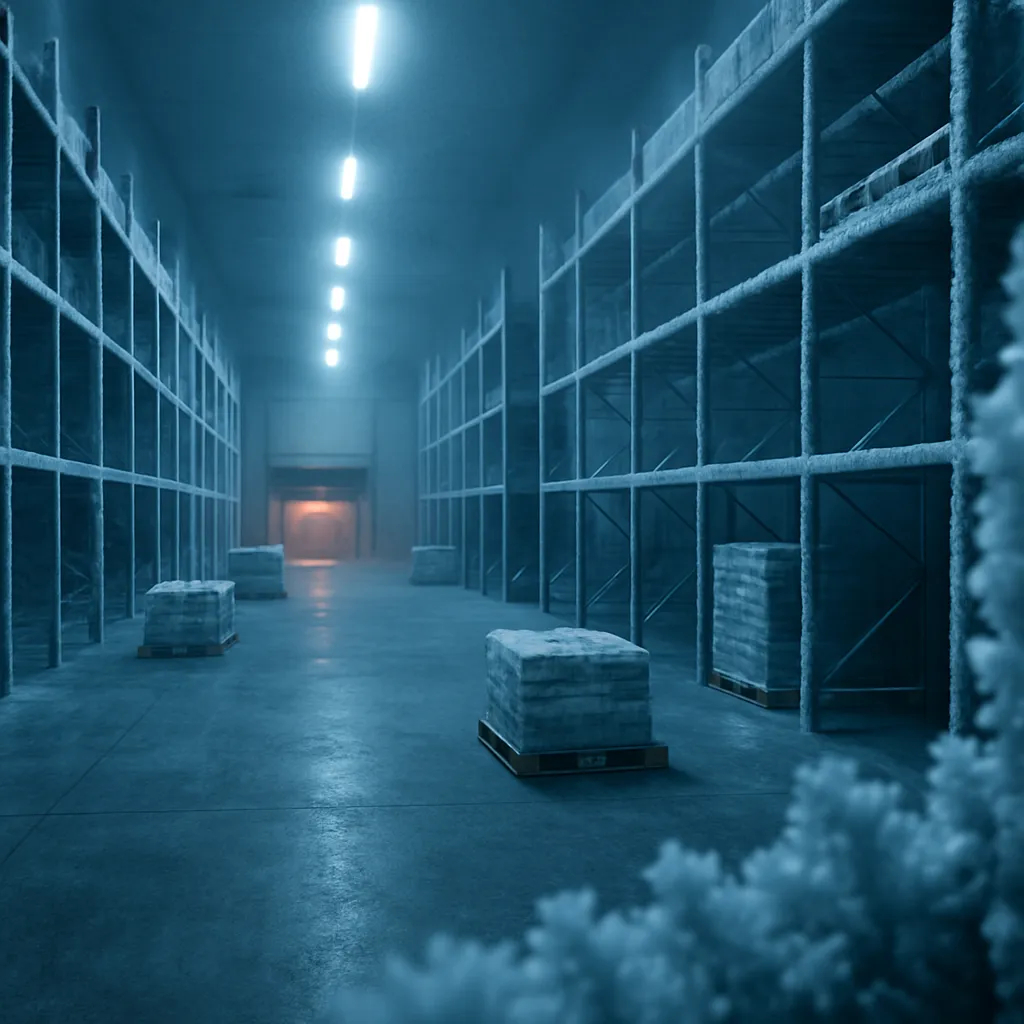
The cold storage industry built too much, too fast. From 2021 through 2025, temperature-controlled warehouse capacity expanded by 14.5% while demand grew just 5%, leaving the market roughly 10% oversupplied. That gap—roughly three years' worth of normal demand growth sitting idle—is now forcing a fundamental reckoning across the refrigerated warehouse sector.
For shippers who rely on cold storage for perishable food, pharmaceuticals, and frozen goods, this oversupply creates a rare window of negotiating leverage. For the cold storage REITs and operators who fueled the building boom, it means a painful pivot from growth to operational discipline.
The Build Boom That Outran Demand
The post-pandemic period triggered an unprecedented wave of cold storage construction. Supply chain disruptions in 2020 and 2021 exposed how dangerously thin cold storage capacity had become, and capital flooded into the sector. Developers broke ground on massive new facilities across the Sun Belt and major distribution corridors, betting that e-grocery adoption and pharmaceutical cold chain expansion would sustain demand indefinitely.
The numbers tell a different story. According to FreightWaves' analysis of Lineage's Q4 2025 earnings, new cold storage space grew 14.5% over the four-year period while demand increased only 5%. Lineage—the world's largest temperature-controlled warehouse operator, managing over 500 facilities with 3.1 billion cubic feet of capacity across North America, Europe, and the Asia-Pacific region—characterized 2026 as a "transition year" as the market works through the excess.
The oversupply isn't evenly distributed. Lineage reported that roughly 60% of U.S. markets don't have excess supply, but capacity overhangs persist in key logistics corridors including Dallas, Houston, and New Jersey—markets where speculative construction concentrated during the boom years.
How Oversupply Is Hitting the Numbers
The financial impact is already visible across the sector. Lineage reported physical occupancy of 79.3% in Q4 2025, down 50 basis points year-over-year. Same-warehouse pallet throughput declined 3% compared to the prior year. The company idled 10 sites in 2025, reallocating resources and labor across its network, and sold a Southern California facility for $60 million as part of its portfolio rationalization.
Americold Realty Trust, the second-largest cold storage REIT with approximately 237 temperature-controlled warehouses totaling 1.5 billion refrigerated cubic feet, faces similar headwinds. CEO Chambers signaled that customers expect flat net sales with pricing up but volume down by low to mid-single digits for most of 2026. The company's $200 million sales initiative and $1 billion development pipeline face the challenge of leasing up new capacity in an already-oversupplied market.
Together, Lineage and Americold control more than 70% of North American cold storage capacity, according to Mordor Intelligence's cold storage market analysis. When the two dominant players are simultaneously managing through oversupply, the ripple effects reach every shipper and third-party logistics provider in the cold chain.
The Shipper Advantage: A Rare Window of Leverage
For shippers, the oversupply creates leverage that hasn't existed in nearly a decade. When cold storage operators are competing for volume to fill empty space, contract negotiations shift decisively in the shipper's favor.
Rate pressure is real. Lineage's 2026 outlook calls for net pricing increases of just 1% to 2%—a significant deceleration from the aggressive rate hikes of the post-pandemic period. The company has already repriced 65% of its contracts for the year, suggesting shippers who haven't yet renegotiated still have room to push for favorable terms.
Here's what smart shippers should be doing right now:
- Benchmark your cold storage rates against market conditions. If your contracts were signed during the tight market of 2022-2023, you're likely paying above current market rates.
- Negotiate multi-year agreements with favorable escalation caps. Operators are hungry for committed volume, and locking in rates now—before the market rebalances—can deliver years of savings.
- Explore secondary markets. The oversupply is concentrated in specific metros. If your distribution network has flexibility, shifting volume to oversupplied markets like Dallas or Houston can unlock significant cost reductions.
- Request value-added services at no additional cost. When operators have idle capacity and labor, they're more willing to include services like kitting, labeling, or inventory management that would otherwise carry premium pricing.
New Construction Hits the Brakes
The market is self-correcting. Lineage expects capacity to increase by just 1.5% in 2026, a dramatic slowdown from the 14.5% cumulative growth of the prior four years. Developers and lenders have pulled back from speculative cold storage construction as the oversupply reality set in.
This cooldown in new builds is critical for the market's recovery. With customer inventories at what Lineage described as "trough levels" following the post-COVID destocking cycle, even modest demand recovery should begin absorbing the excess capacity. But the timeline is measured in years, not quarters—the global cold storage market, valued at approximately $185.75 billion in 2025, needs sustained demand growth to work off a 10% surplus.
Pharma and Biologics: The Next Demand Catalyst
The long-term bullish case for cold storage rests increasingly on pharmaceutical and biologic products rather than traditional food logistics. The pharmaceutical cold chain packaging market is projected to grow from $27.14 billion in 2025 to $31.41 billion in 2026, a 15.7% increase driven by expanding global vaccine distribution, cell and gene therapy commercialization, and the growing share of biologic drugs in the pharmaceutical pipeline.
Unlike food cold storage, which typically requires temperatures between 0°F and 40°F, pharmaceutical products increasingly demand ultra-cold and cryogenic capabilities. This creates opportunities for operators to repurpose or upgrade existing facilities for higher-margin pharmaceutical tenants—a strategy both Lineage and Americold are actively pursuing.
The broader market trajectory remains strong. The global cold storage market is projected to expand from roughly $310 billion in 2026 to more than $720 billion by 2036, reflecting a compound annual growth rate of nearly 9%, according to IndexBox's cold storage facilities market forecast. The question isn't whether demand will eventually catch up to supply—it's how much financial pain operators absorb in the interim.
What This Means for Your Cold Chain Strategy
The cold storage oversupply is a textbook case of the market overcorrecting after a crisis. The pandemic exposed genuine capacity shortfalls, capital rushed in, and now the sector is digesting the excess. For shippers, the strategic imperative is clear: act now while leverage favors you.
Lineage has $50 million in annual cost reductions planned, with implementation stretching through 2026 and into 2027. It's simultaneously investing in its LinOS warehouse automation system, targeting $110 million in incremental annual EBITDA over the next three to five years. These moves signal that the major operators are preparing for a leaner, more technology-driven market—one where shippers who locked in favorable terms during the oversupply window will carry a structural cost advantage for years to come.
Optimize Your Cold Storage Spend with CXTMS
Navigating the cold storage market's supply-demand imbalance requires real-time visibility into capacity availability, rate benchmarks, and contract performance. CXTMS warehouse analytics give shippers the data-driven insights to benchmark cold storage rates across markets, identify cost-saving opportunities in oversupplied corridors, and model the total cost impact of network reconfiguration.
Whether you're renegotiating existing cold storage contracts or evaluating new capacity options, CXTMS helps you turn market intelligence into measurable savings. Request a demo today and see how our platform can optimize your temperature-controlled logistics spend.