Cargill’s Beef Labor Standoff Is a Cold-Chain Planning Warning, Not Just a Food Industry Story

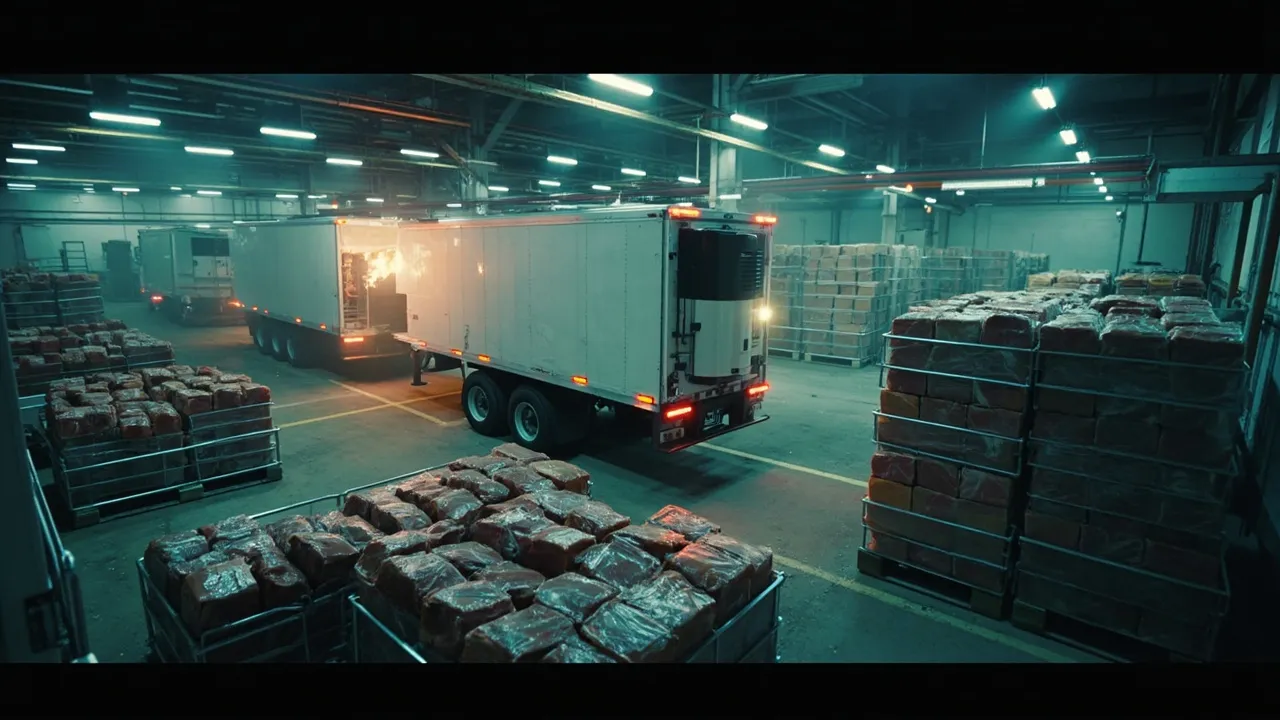
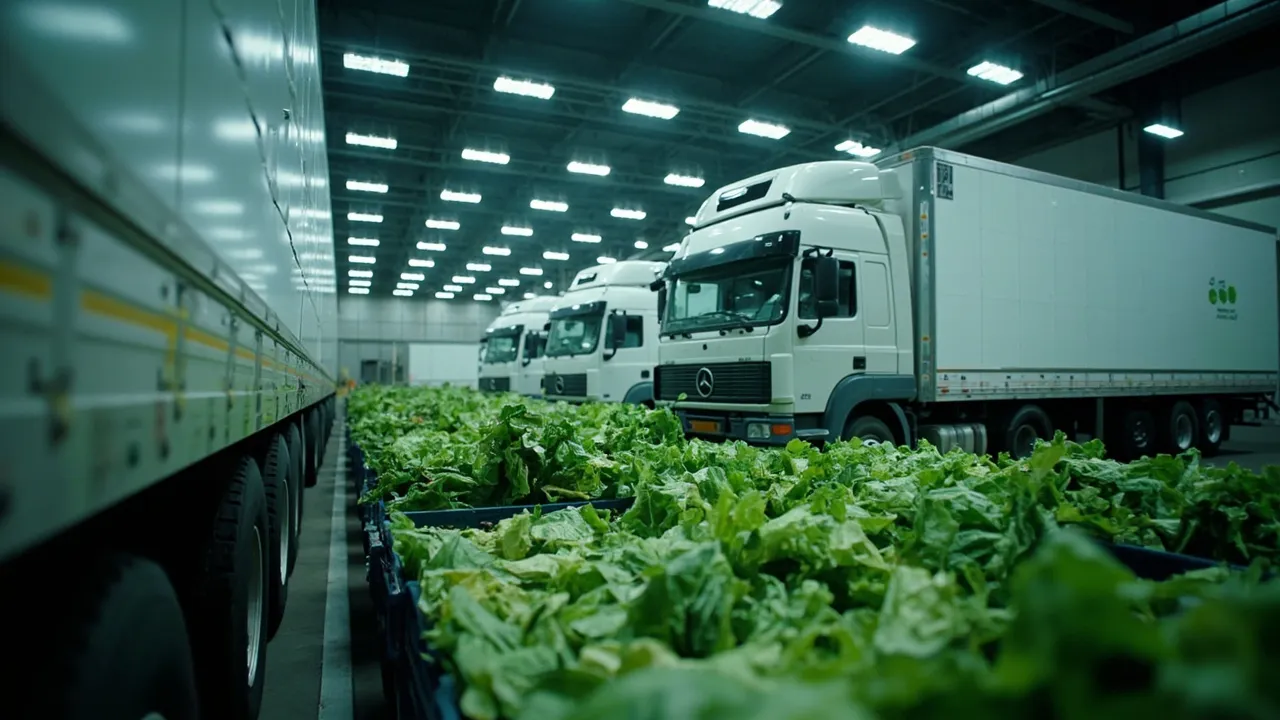
A labor dispute at one beef plant can look local until the cold chain starts absorbing the shock. Then it becomes a transportation problem: reefer trailers need to be repositioned, cold storage turns tighter, delivery appointments shift, and retail allocation teams start asking which loads move first.
That is the lesson from Cargill’s Fort Morgan, Colorado, beef facility. According to SupplyChainBrain, a lockout threat at the plant raised concerns about processed beef supply at a moment when the market already had little slack. The plant has capacity to process more than 4,500 head of cattle per day and had been processing about 2,500 head per day before the shutdown. Against a U.S. processing base of roughly 100,000 head per day, even one facility can create a meaningful regional capacity gap when inventory, labor, and transportation are already stretched.
The headline is labor. The operating issue is buffer. Beef is not a widget that can wait in a dry warehouse while executives finish negotiating. It is perishable, temperature-sensitive, appointment-driven freight moving through a network with hard limits: slaughter capacity, cutting rooms, blast chilling, refrigerated storage, reefer availability, food safety documentation, and retail service windows.
Cold-chain disruption starts before the missed shipment
Plant-level labor risk does not only matter after production stops. It starts changing logistics decisions as soon as uncertainty appears.
If a processor slows cattle intake, inbound livestock flows change. If production pauses, outbound boxed-beef volume changes. If management builds inventory ahead of a possible walkout, cold storage space tightens. If a facility restarts after disruption, outbound volume can surge into a reefer market that was planned around a normal production cadence.
That is why food shippers should treat labor events as logistics triggers, not just HR or procurement developments. A contract vote, lockout notice, strike authorization, or bargaining deadline should automatically prompt a lane review: dependent customers, shelf-life exposure, backup reefer capacity, cold-storage overflow, and substitution rules.
Waiting until the first truck misses pickup is too late. By then, the best appointments and backup capacity may already be gone.
The beef market has thinner shock absorbers than usual
The Cargill situation matters because it is hitting a market that was not exactly comfortable to begin with. SupplyChainBrain reported that U.S. beef prices have climbed amid low cattle supply, high demand, tariffs, and disease pressure. It also noted that the Trump administration was considering actions intended to ease beef shortages, including increased imports and support for rebuilding the U.S. cattle herd, which had fallen to its lowest level in 75 years.
That backdrop changes the cold-chain calculus. In a loose market, a plant disruption may be covered by alternate production, inventory, or spot transportation. In a tight market, the same disruption can cascade. Retailers may compete for limited product. Processors may reroute cattle or finished goods through less efficient lanes. Foodservice buyers may need different cuts, pack sizes, or delivery days. Carriers may face more short-notice reefer requests into markets where equipment is already committed.
Deloitte’s 2026 consumer products outlook adds another layer: tariffs are expected to raise inflation pressure, immigration policy could worsen labor shortages in key industries, and lower- and middle-income households are under financial stress. For food brands, that means service failures are not happening in a vacuum. A delayed or more expensive beef shipment lands in a market where consumers are already sensitive to price and retailers are already watching margin.
Cold-chain planning has to respect that reality. The goal is not to hold infinite inventory or overpay for capacity every week. That is lazy resilience. The goal is to define when the business should spend money to protect service, and when it should conserve margin.
Trigger-based reefer planning beats heroic expediting
The best response to plant labor risk is a trigger-based plan. Instead of asking planners to improvise under pressure, food shippers should predefine the signals that change transportation behavior.
A practical framework might look like this:
Trigger 1: negotiation risk. When a major plant enters a high-risk bargaining period, the transportation team reviews lane dependency, carrier commitments, customer priority, and alternate source options. No premium freight yet; just readiness.
Trigger 2: credible disruption signal. A lockout threat, strike notice, failed contract vote, or inventory reduction triggers capacity checks. Planners contact primary and backup reefer carriers, validate cold-storage availability, and identify appointments that may need protection.
Trigger 3: production interruption. If the plant slows or stops, transportation shifts from monitoring to execution. Customer allocation rules activate. Alternative plants, cross-docks, and cold-storage nodes are evaluated against shelf-life, cost, and service impact.
Trigger 4: restart surge. When operations resume, the network plans for catch-up volume. That may require extended receiving hours, staged pickups, drop-trailer programs, or temporary capacity premiums to avoid turning a production restart into a distribution bottleneck.
This kind of planning is not glamorous, but it is where margin survives. Expediting every problem load is expensive. Ignoring early warning signs is worse.
Documentation matters in food logistics too
Food supply chains carry documentation pressure that many general freight networks do not: temperature records, lot traceability, appointment timestamps, customer handling rules, and substitution approvals. During disruption, those records get harder to manage because teams move faster and exceptions multiply.
Contingency plans often fail because they focus on finding trucks, not preserving the operating truth. If a shipper reroutes product, changes carrier assignment, shifts appointments, or splits an order, the system needs to record why. Otherwise, the business cannot later explain service failures, claims, spoilage, or customer deductions.
A modern TMS should connect production risk, capacity decisions, appointment changes, carrier communication, temperature-control requirements, and customer impact in one workflow. Spreadsheets can track a disruption for a day. They struggle when the event lasts a week.
Resilience is now an operating rule
A recent Supply Chain Dive analysis put the broader shift plainly: companies are moving beyond pure just-in-time models because repeated shocks have changed the rules of risk management. The article cites a KPMG survey in which 73% of businesses said they were planning a comprehensive supply chain operating-model transformation within 36 months, with risk management and resilience among the top priorities.
Food shippers should take that seriously. Cold-chain resilience is not a slogan. It is a set of operating rules: critical plants, protected customers, backup-carrier lanes, buffer inventory logic, and warning signs that trigger capacity action.
The Cargill labor standoff is a reminder that labor risk, commodity risk, and refrigerated transportation risk are now deeply connected. The companies that handle the next disruption best will not be the ones with the most frantic dispatch teams. They will be the ones that already know what happens when a plant starts wobbling.
CXTMS helps food and refrigerated freight teams turn those rules into execution: lane visibility, reefer capacity planning, appointment control, exception workflows, document capture, and customer-impact tracking in one transportation management platform. If your cold-chain contingency plan still lives in inboxes and emergency calls, schedule a CXTMS demo and see how better transportation control protects product before disruption becomes spoilage.