Animal Welfare Is Becoming a Supplier Risk Metric, Not Just an ESG Statement


Animal welfare used to sit in the soft corner of ESG reporting: important, visible, and often separated from the operational machinery of procurement and logistics. That separation is getting harder to defend.
For food producers, retailers, pharmaceutical companies, contract manufacturers, research organizations, and logistics providers, animal welfare is now a supplier risk metric. A weak link can sit several tiers away from the brand name on the shelf: a livestock transporter mishandling animals, a farm using prohibited housing practices, a processor failing humane handling requirements, or a cold-chain partner unable to prove conditions during transfer.
The risk is not theoretical. Supply Chain Brain reports that USDA enforcement actions in fiscal 2024 resulted in more than $1 million in penalties across dozens of facilities. The same analysis frames animal welfare failures as operational, legal, and reputational exposure that can cascade back to the parent company through regulatory penalties, lawsuits over sourcing claims, consumer backlash, and brand damage.
That is the right way to see it. Animal welfare is no longer only a values statement. It is a governance problem with transportation records, supplier contracts, audit trails, and exception workflows attached.
The risk sits deeper than direct suppliers
Most companies know their direct suppliers. Fewer know every animal-related activity buried inside the extended network. A food brand may buy from a contract manufacturer that relies on regional processors, farms, and third-party transporters. A retailer may not touch animals directly, yet still carry reputational exposure through private-label sourcing claims.
Supply Chain Brain recommends starting with a simple but often skipped step: identify where animal welfare risk exists in the supplier base. Not every supplier deserves the same questionnaire. A packaging vendor, logistics broker, livestock hauler, slaughter facility, dairy processor, and contract research organization all carry different exposure.
That segmentation matters because broad ESG surveys can create false comfort. A smarter program classifies suppliers by animal contact, animal-derived materials, handling responsibilities, geography, regulatory environment, and severity of potential harm. Once that map exists, procurement can focus deeper due diligence where it belongs.
Standards make expectations enforceable
Animal welfare oversight breaks down quickly when each business unit, region, or auditor interprets expectations differently. A supplier in one market may treat a practice as normal while a customer, regulator, or advocacy group sees it as unacceptable.
That is why recognized standards matter. Supply Chain Brain points to the World Organization for Animal Health as an internationally recognized reference point for humane treatment across species and industries. For a multinational supply chain, that kind of baseline creates consistency. It also gives procurement and compliance teams something defensible to cite when suppliers push back or when stakeholders ask how animal welfare is evaluated.
The contractual layer is just as important. Policies published on a corporate sustainability page do not move freight, inspect facilities, or trigger corrective action. Supplier agreements need to define animal welfare requirements, evidence expectations, audit rights, escalation paths, remediation timelines, and exit conditions when violations cannot be fixed.
The key is ownership. Procurement should embed requirements into onboarding, contracts, and performance reviews. Compliance or ESG teams should maintain program standards, review risk indicators, manage escalations, and report unresolved exposure to leadership. If nobody owns the handoff between those functions, the policy becomes decorative.
Logistics is part of the welfare evidence trail
Animal welfare governance is not confined to farms and plants. Logistics often creates the evidence that proves whether standards were followed.
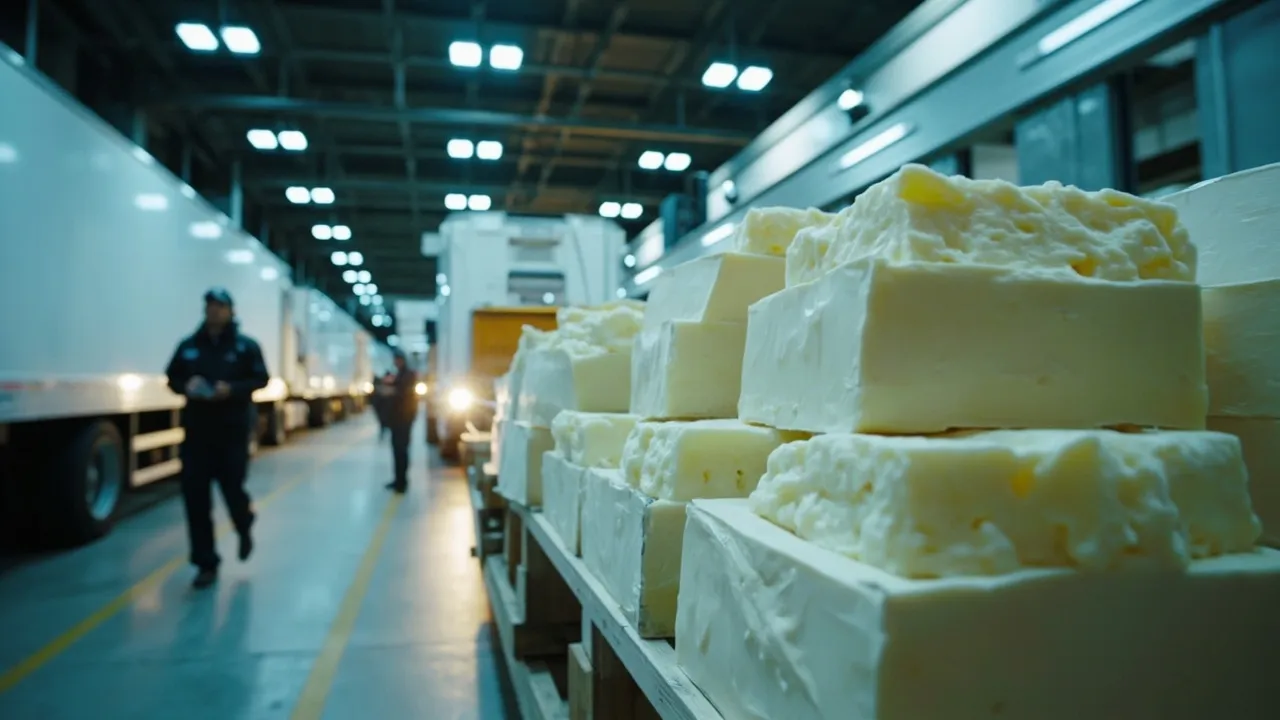
Live-animal transport is the obvious case. Routing, loading, ventilation, temperature, dwell time, animal density, handler training, rest periods, documentation, and contingency planning all affect welfare outcomes. But the logistics connection extends further into cold chain and product integrity. If animal-derived products require temperature control, chain-of-custody documentation, or specific handling procedures, a broken handoff can turn into both compliance risk and commercial loss.
Inbound Logistics’ project-logistics coverage shows how detailed that planning can become in practice. In one live-animal move involving endangered Ussuri brown bears, the logistics team spent more than three months planning road routing, cargo handling, truck loading, and operational details. The final month included as many as two conference calls per week among freight teams, origin and destination stakeholders, local governments, and animal welfare associations. The bears traveled in a temperature-controlled truck, with conditions kept between 2 and 8 degrees Celsius for comfort, and in IATA-compliant freight enclosures reinforced for animals weighing about 550 kilograms.
That example is exceptional, but the lesson is ordinary: welfare-sensitive logistics requires planning evidence, partner coordination, specialized handling, and documented controls. If a shipment is delayed, transferred, reworked, rejected, or temperature-abused, teams need records that explain what happened and who acted.
Monitoring has to continue after onboarding
Supplier onboarding is a weak place to stop. Animal welfare risk changes with staffing, capacity pressure, new subcontractors, seasonal volume, facility conditions, and regulatory scrutiny.
A strong program monitors third-party enforcement actions, audit findings, public complaints, incident reports, and corrective action progress. It also watches for operational signals: repeated delays at a processor, undocumented carrier substitutions, missing temperature logs, claims spikes, route deviations, rejected loads, or supplier reluctance to provide facility-level information.
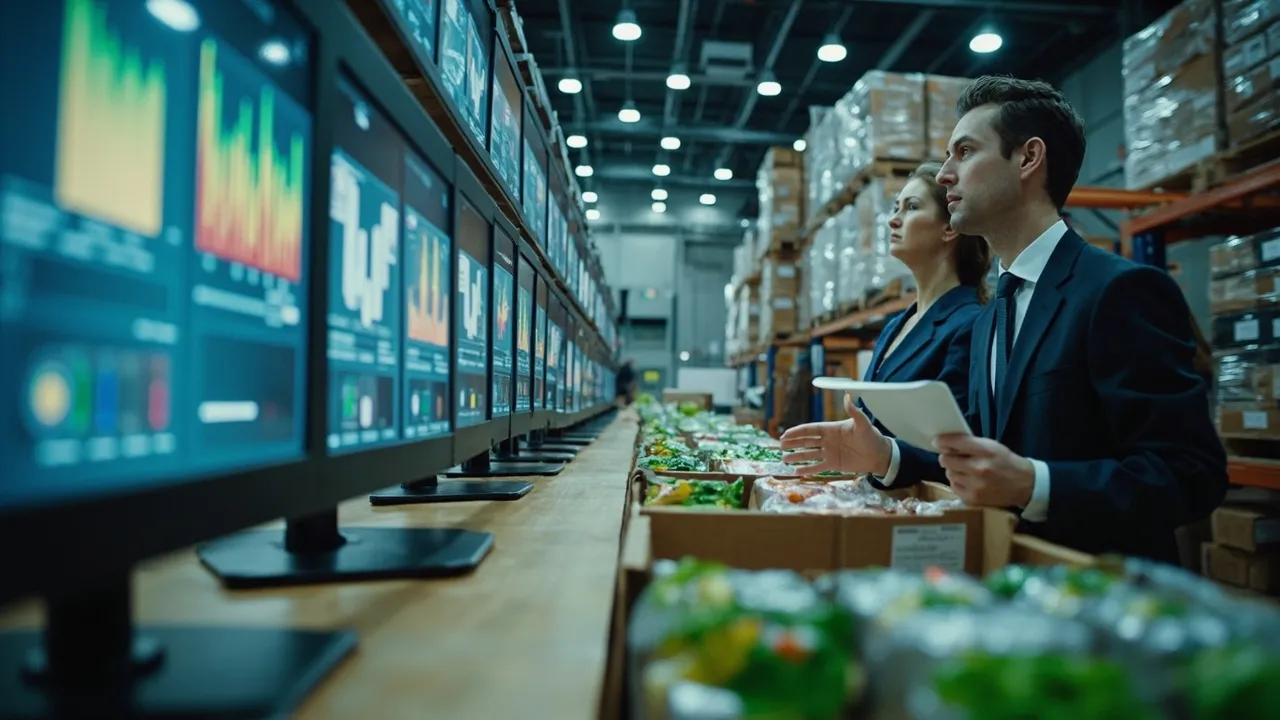
Those signals should not live in disconnected spreadsheets. They belong in supplier scorecards and enterprise risk reporting, tied to the procurement and logistics records that show business impact. Leadership needs to know where risk is concentrated, whether remediation is working, and which suppliers create unresolved exposure.
This is where transportation management and supplier governance overlap. A TMS cannot solve animal welfare by itself, but it can preserve the shipment-level facts that make governance real: carrier assignment, route history, appointment data, documents, exceptions, claims, temperature events, and approval workflows.
What CXTMS users should operationalize
For logistics teams, the immediate move is to treat animal welfare as a control requirement, not a side note.
Start by tagging welfare-sensitive suppliers, lanes, products, and carriers. Separate direct animal handling from animal-derived goods, cold-chain moves, regulated products, and facilities requiring enhanced documentation. Then build workflow rules around those tags: required documents before dispatch, approved-carrier restrictions, escalation for missing evidence, and exception alerts when dwell time, route deviation, or temperature risk crosses a threshold.
Next, connect procurement language to execution. If a contract requires a supplier to follow recognized welfare standards, logistics systems should know what evidence is needed during transport and receipt. If corrective action is open, shipments from that supplier should be visible to the teams managing risk.
Finally, make the reporting executive-ready. Animal welfare exposure should show up as supplier risk, service risk, claims risk, and compliance risk—not as a buried ESG footnote.
The companies that get this right will not be the ones with the longest public statements. They will be the ones that can prove, shipment by shipment and supplier by supplier, that their standards are enforceable.
CXTMS helps logistics teams turn supplier requirements into operational controls, tying documents, exceptions, carrier performance, and shipment history into one execution layer. Book a CXTMS demo to see how stronger visibility can support supplier risk governance before small gaps become public failures.