Cold Storage Energy Costs Need Load-Level Accountability

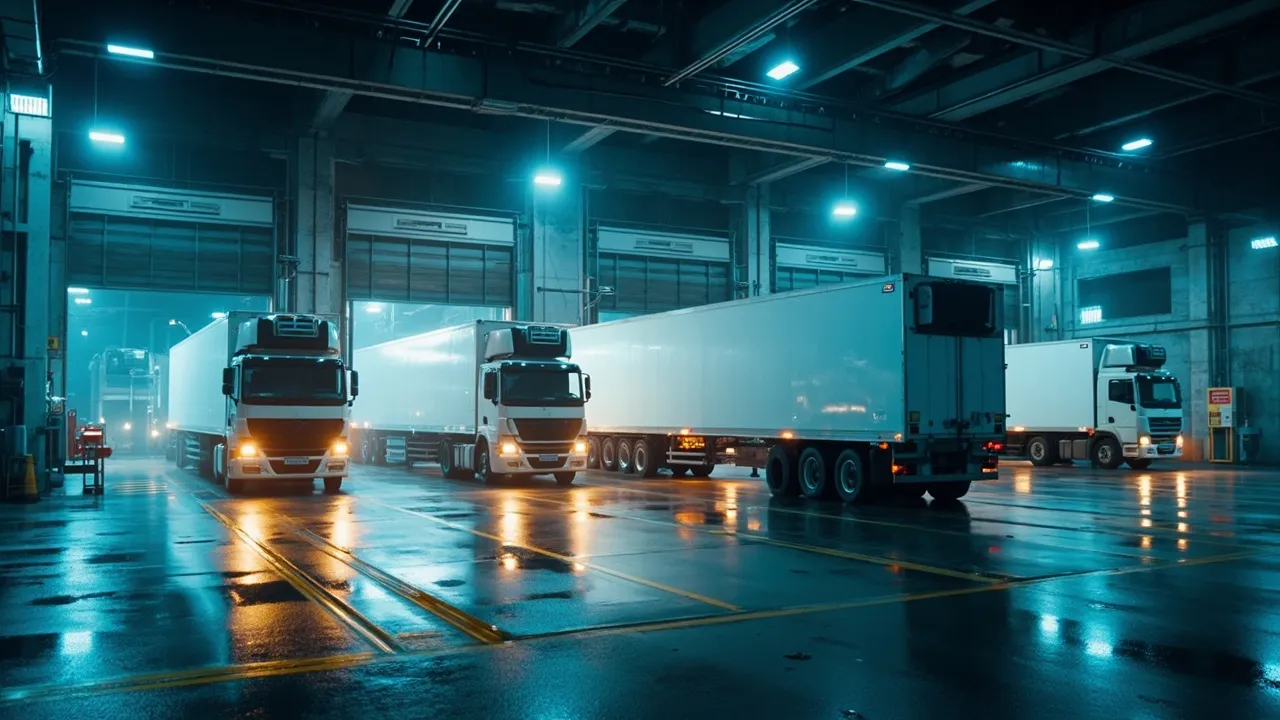
Cold storage energy costs are usually treated as a building problem. That is too narrow. In a busy temperature-controlled network, the electric bill is also a transportation record.
Food Logistics' coverage of cold-storage energy control framed energy efficiency around reducing operating cost, using existing systems better, analyzing ROI for energy projects, and conducting power-quality assessments. Those are useful facility disciplines. But they do not answer the operating question that matters most when cost pressure rises: which loads, appointments, dwell events, and handoffs forced the building to absorb avoidable energy waste?
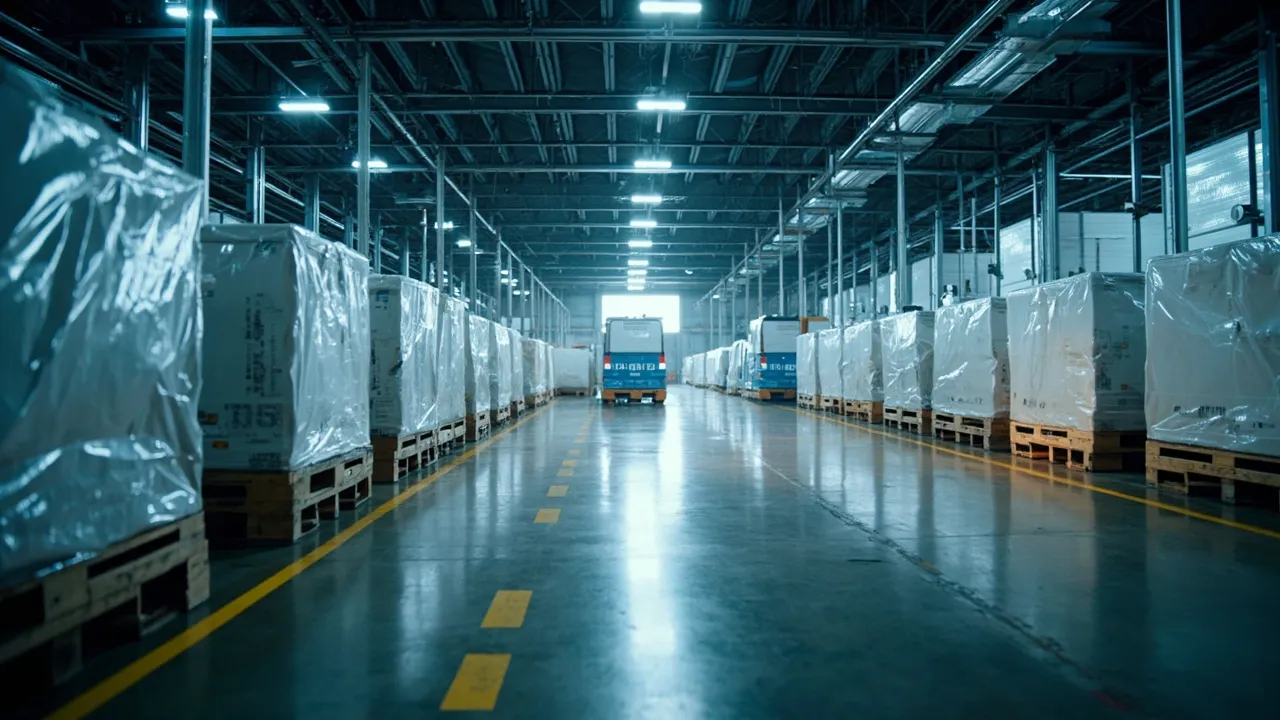
That question is getting more urgent because temperature-controlled demand is still expanding. Food Logistics reported that the global Top 25 temperature-controlled logistics companies now operate 7.76 billion cubic feet of temperature-controlled space. GCCA analysis showed the very rapid growth of the past five years has slowed, but still reached 6.3%. More cubic feet are being added into a market where power, labor, appointments, and reefer coordination all have to be managed tightly.
The U.S. market data points the same way. Mordor Intelligence estimates the U.S. cold-chain logistics market at $97.13 billion in 2026, growing at a 6.63% CAGR to $133.87 billion by 2031. That scale turns energy discipline from a facilities project into a logistics governance issue.
The Facility Bill Starts At The Dock
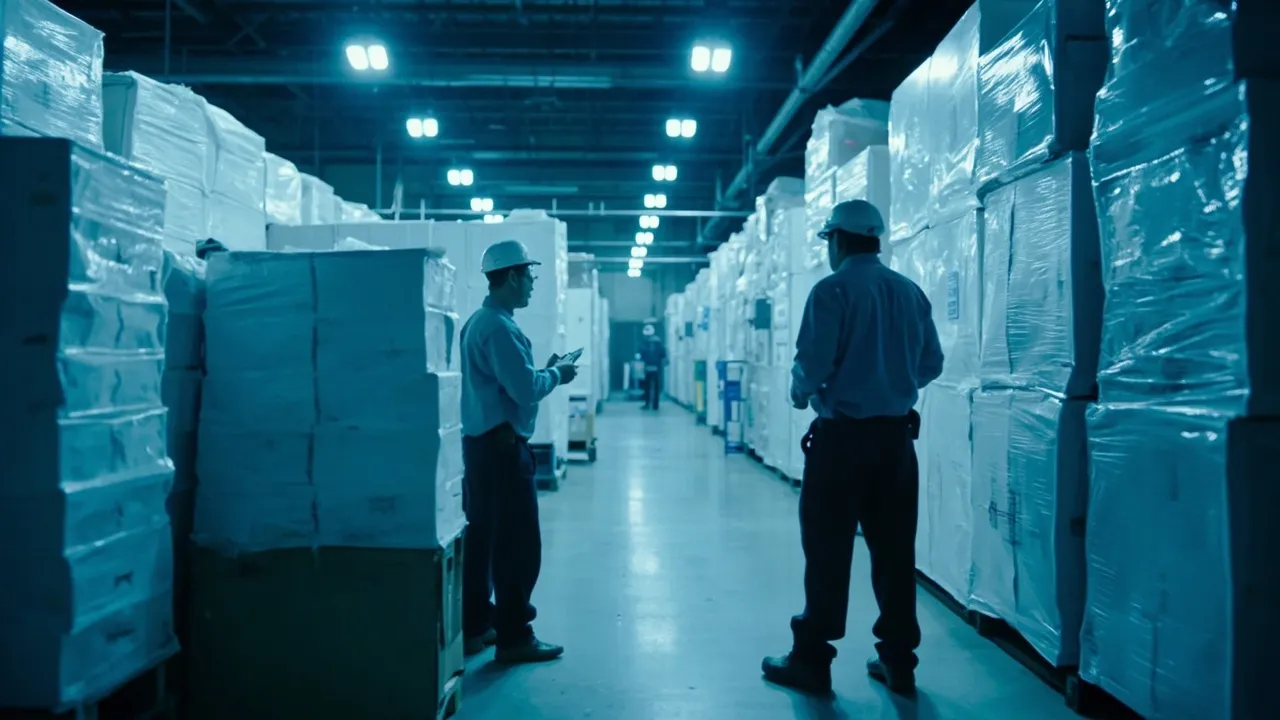
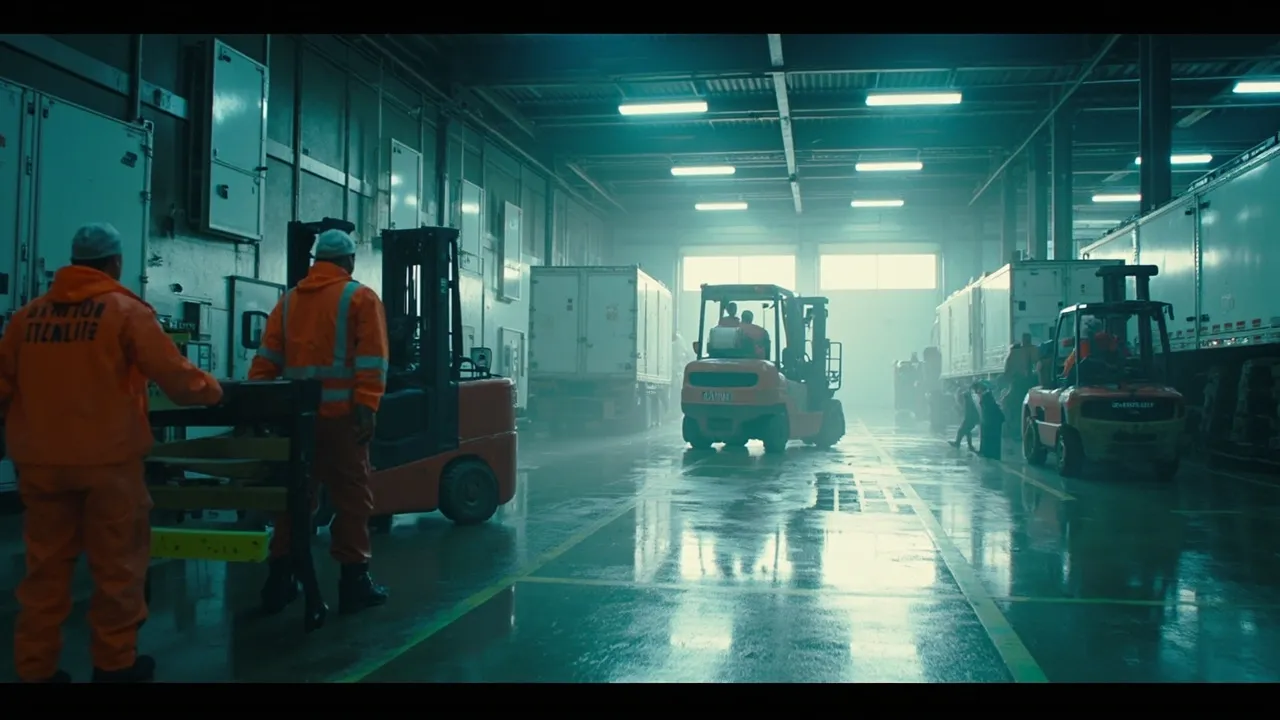
Refrigeration systems carry the obvious load, but dock behavior decides how hard those systems work. A freezer door left open during a slow unload, a late reefer sitting against the wrong dock, a trailer that was not properly pre-cooled, or a load staged in the wrong temperature zone can all push the building to spend more energy protecting product integrity.
That is why energy cost cannot stay trapped in a monthly facility ledger. By the time the utility bill arrives, the operational evidence is gone. The receiving team remembers the late truck. Transportation remembers the appointment change. Customer service remembers the escalation. Finance sees the cost. But no one can prove which load caused the waste or whether the cost should stay with the facility, carrier, shipper, customer, or internal planning team.
Cold storage is especially unforgiving because the building is not only preserving comfort or convenience. It is protecting food safety, shelf life, pharma quality, and customer promise windows. When a load misses its appointment, the recovery plan may require more door time, more labor touches, more staging moves, and more refrigeration energy. Each of those actions is rational in the moment. Together, they create hidden cost-to-serve.
The problem gets worse when appointment reliability is measured separately from energy performance. A carrier may be scored for on-time arrival while the warehouse is scored for energy intensity. That split hides causality. The energy penalty lands inside the building even when the root cause started with transportation planning.
Build The Cold-Storage Energy Record
Cold-chain teams need a load-level energy record that connects transportation behavior to facility cost. It needs enough structure to explain why the building worked harder than planned.
Start with the load ID. Energy exposure should be tied to a shipment, purchase order, customer order, or handling unit group. If the record only says "Dock 12 was open too long," no one can connect the event to a carrier, lane, SKU group, or appointment owner.
Add the temperature band. Frozen, chilled, ambient-protected, pharma 2-to-8 C, and controlled-room-temperature products create different risk and response rules. A five-minute delay may be noise for one load and a quality event for another. The temperature band tells the system how serious the deviation is.
Capture the appointment time and actual dock timestamps. Planned arrival, gate-in, dock assignment, door open, unload start, unload complete, door close, and gate-out should be treated as energy-relevant events. Appointment performance is not only a service metric. It is a refrigeration-cost signal.
Record the door open duration. This is the simplest bridge between facility operations and transportation accountability. Door dwell may be caused by paperwork, pallet quality, labor shortages, carrier readiness, product inspection, customer changes, or poor staging. With the duration, teams can see patterns by carrier, lane, customer, product type, and shift.
Track reefer status. Was the trailer pre-cooled before arrival? Was the unit running during dwell? Was the set point correct? Did the trailer arrive with adequate fuel or battery state? Did the unit alarm? A load that arrives warm or unstable forces the building to spend energy recovering from an upstream failure.
Name the dwell reason. Late arrival is not specific enough. The reason code should separate carrier delay, early arrival, documentation issue, temperature exception, inspection hold, labor capacity, dock congestion, customer priority change, pallet rework, product damage, and system outage. This is the field that turns energy cost from complaint into management action.
Add product risk. Seafood, frozen proteins, dairy, vaccines, produce, and prepared foods do not carry the same recovery tolerance. Product risk should influence escalation rules, labor priority, and whether extra energy use is justified.
Finally, assign the cost owner. Not every exception should become a chargeback. But every repeated pattern needs an accountable owner. If a customer misses document cutoffs, a carrier arrives outside the appointment window, or internal planning overloads a cold dock, the energy record should make that visible.
Energy Discipline Needs Transportation Data
Cold-storage operators can invest in controls, doors, lighting, refrigeration upgrades, solar, and building automation. Those investments matter. But they will underperform if transportation execution keeps forcing avoidable recovery work.
The better model is a shared operating loop. Transportation should know which appointments are energy-sensitive. Warehousing should know which late loads require temperature-risk escalation. Customer service should know when a missed appointment is likely to affect cost-to-serve. Finance should be able to separate structural facility cost from avoidable load-level cost.
That requires moving beyond generic "cold chain visibility." Visibility is not enough if the system can only show that a reefer trailer arrived. The operating record needs to show whether it arrived at the right time, at the right temperature, with the right paperwork, at the right door, and with a clear owner when dwell grows.
CXTMS helps freight forwarders and logistics teams connect transportation appointments, reefer events, shipment records, documents, tasks, and exception reasons in one workflow. That connection matters because cold-storage energy is not just a facilities KPI. It is the physical cost of coordination failures.
As temperature-controlled logistics keeps growing, the winners will not be the teams with the most cubic feet alone. They will be the teams that know which loads make those cubic feet expensive to operate.
If your cold-chain cost reviews still stop at the utility bill, request a CXTMS demo. CXTMS helps logistics teams connect appointment discipline, reefer status, door dwell, and exception ownership before cold-storage energy cost becomes another unexplained margin leak.