Transpacific Air Cargo Capacity Is Becoming an Oversized-Freight Option, Not Just an Expedite Button

Transpacific air cargo is moving deeper into transportation planning, and not just as the expensive button teams press when everything else has already failed.
The better read is that air freight is becoming a designed option for oversized, high-value, and deadline-critical shipments that cannot wait for ocean reliability to recover or for tariff deadlines to stop moving. That does not mean shippers should fly more freight by default. It means they should know, before the emergency, which products deserve air optionality, which airport pairs can support them, and what business risk the premium is actually buying down.
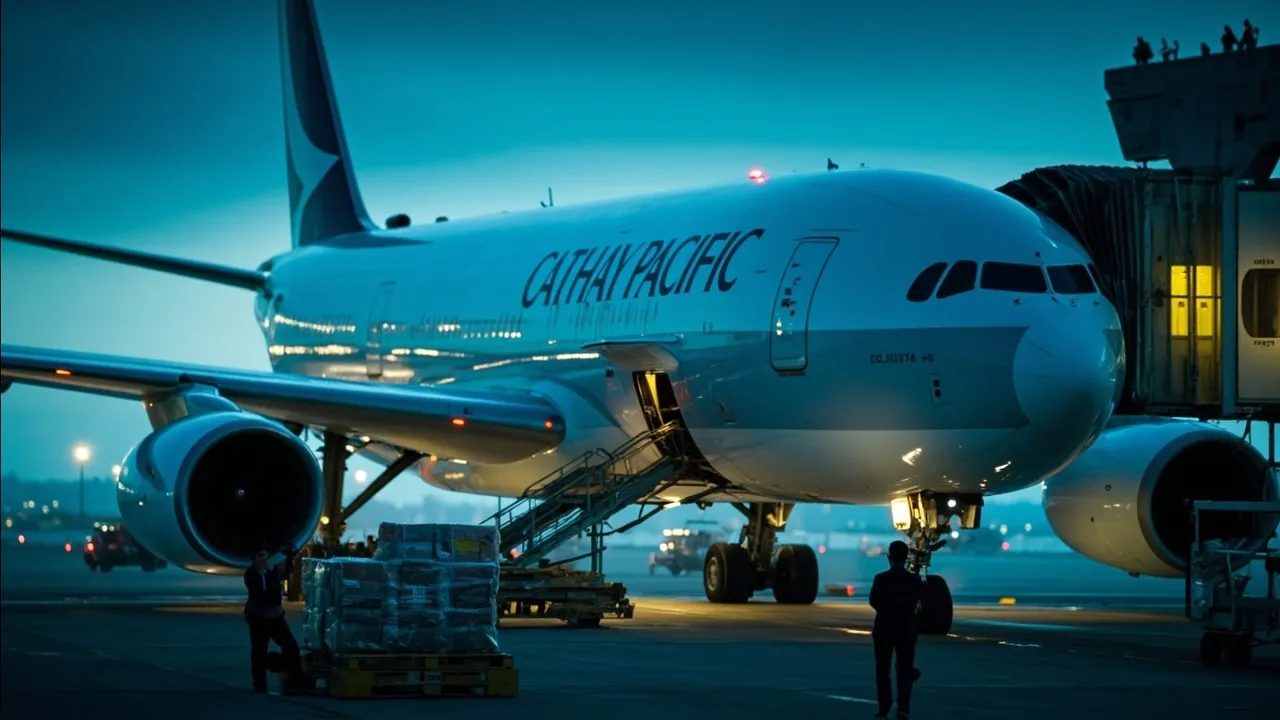
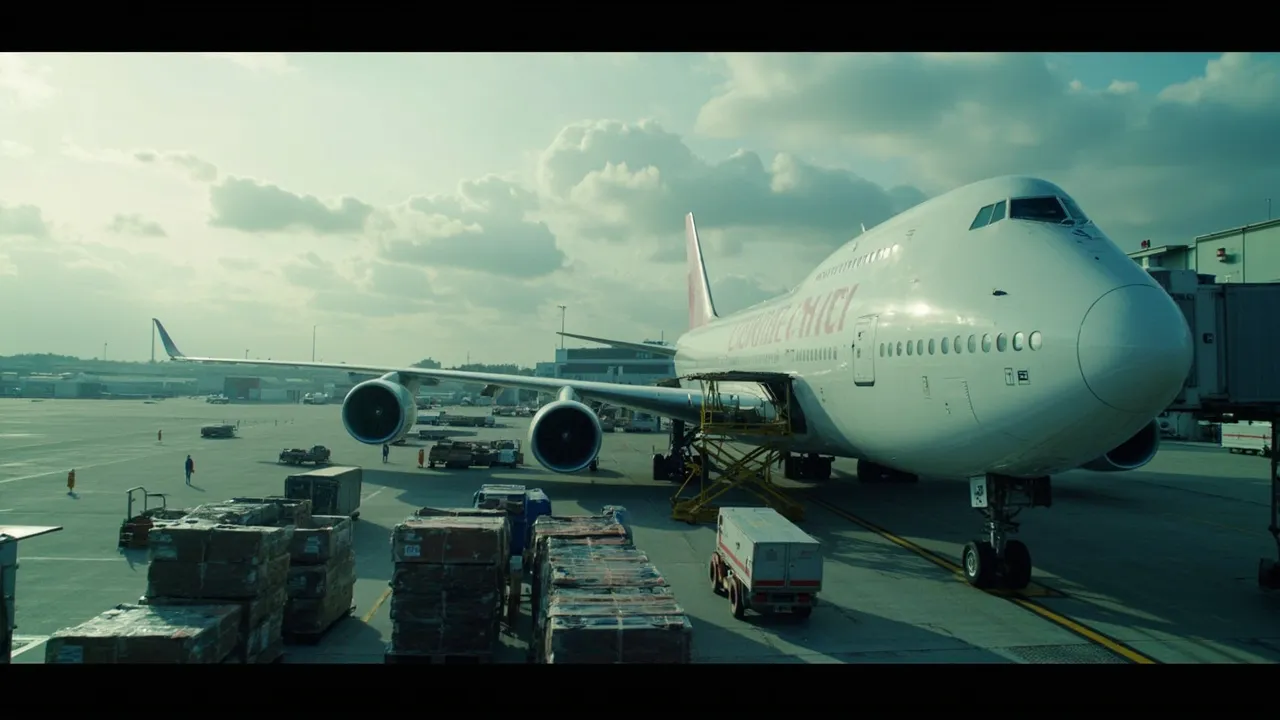
Supply Chain Dive reported that DHL Global Forwarding expanded its Transpacific air cargo network with a three-times-weekly Bangkok-to-Cincinnati service that began July 1. The route uses a Boeing 777 widebody freighter with 100 tons of capacity per flight, which DHL says is suited for oversized and high-value cargo. DHL's Transpacific network also includes operations from Hanoi and Taipei to U.S. hubs including Chicago.
That 100-ton figure is the important signal. It reframes air cargo from parcel-speed theater into a real planning option for industrial freight, technology cargo, medical equipment, aerospace components, machinery spares, and launch-sensitive inventory. Those shipments may be too valuable, too large, or too time-constrained to sit in the same decision process as ordinary replenishment freight.
Capacity Is Being Built For Control
Freight teams often talk about air cargo as if it is a single market: expensive, fast, and painful to approve. The current Transpacific pattern is more specific.
FreightWaves reported that DHL Global Forwarding has launched dedicated Southeast Asia-to-Midwest air cargo flights using Boeing 777 freighters from sister company DHL Express. Hanoi flights run four times per week via Hong Kong, Taipei runs once per week, and Bangkok-to-Cincinnati runs three times per week. FreightWaves noted that Chicago and Cincinnati alternate as destinations, supported by road feeder service that creates daily connectivity between hubs and other cities.
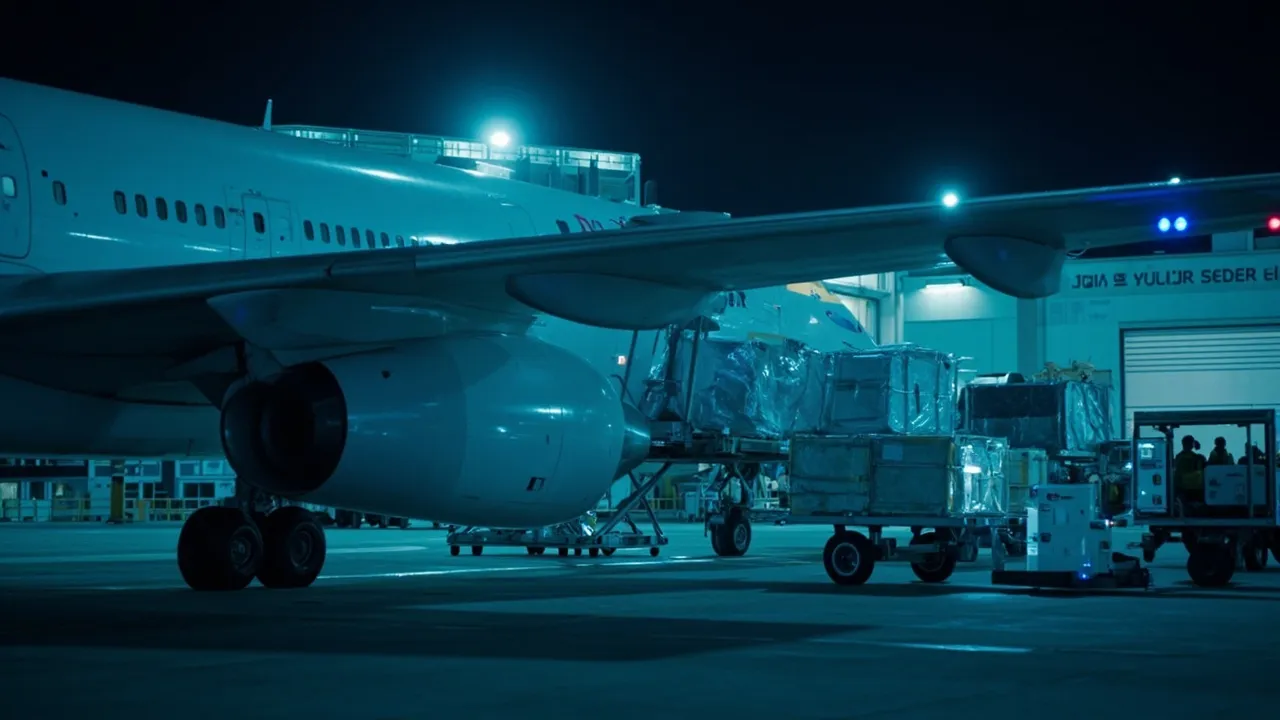
That matters because the value is not only the aircraft. It is the controlled schedule, defined gateway, ground-handling plan, and downstream road connection. For oversized or high-value freight, the weak point is often not the flight itself. It is the handoff: export cutoff, build-up, customs readiness, airport dwell, recovery from the destination hub, and the inland move to the final facility.
FreightWaves also noted that forwarders use own-controlled aircraft during geopolitical disruption and volatile-rate periods because dedicated capacity can offer reliable capacity, stable routes, better schedule control, improved cost predictability, and shorter transit times compared with tendering freight across multiple commercial carriers. That is the language of network design, not panic expediting.
Ocean Pressure Makes Air Optionality More Valuable
The new air capacity is arriving while ocean freight remains volatile enough to make fallback planning worthwhile.
Logistics Management's State of Logistics ocean update described a peak-season market shaped by geopolitical uncertainty, congestion, fuel costs, and schedule-reliability concerns. The article cited spot rates already rising 37% on China-to-U.S. West Coast routes, with congestion spreading from Middle East disruptions into major Asian transshipment hubs including Singapore, Tanjung Pelepas, and Port Klang. It also warned that alternative routings are adding pressure to already strained networks.
For most freight, the answer is still not air. Ocean will carry the bulk of volume because the economics are unavoidable. But for certain categories, ocean uncertainty changes the math.
If a delayed component stops a production line, the cost of waiting can exceed the air premium. If a medical device shipment supports a customer launch or service commitment, delivery failure may damage revenue and trust beyond the freight invoice. If a tariff effective date changes landed cost by more than the modal premium, air may become a financial hedge rather than an operational indulgence. If a high-value oversized shipment sits at a congested transshipment point, the risk exposure may be larger than the rate comparison suggests.
The mistake is making those decisions load by load, under pressure, with incomplete data.
Build The Air-Option File
Air cargo governance starts with product facts. A team cannot decide whether freight is air-eligible if commodity dimensions, weight, packaging, lift requirements, battery status, hazmat status, insurance value, export documents, and customs data are incomplete.
The next layer is lane design. Which origin airports can handle the cargo? Which destination gateways connect cleanly to the final facility? What are the cutoff times? Which ground transfer providers can move the shipment from plant to airport and from airport to consignee? Are there weekend constraints, special handling needs, or recovery risks at the destination?
Then comes commercial logic. The air-option file should include the ocean baseline, air premium, inventory value, service-failure consequence, tariff or customer deadline, production impact, and approval owner. If air freight is being considered because a shipment is late, the record should show why it became late. Otherwise, premium freight becomes a recurring tax on poor planning.
Finally, the file needs exception rules. Air should be pre-approved for some shipment classes, conditionally approved for others, and blocked for freight where the economics do not support it. A tariff-date shipment, line-down component, or contractual launch order may qualify. Routine replenishment with weak forecasting probably should not.
The goal is not to make air cargo cheap. It will not be cheap. The goal is to make it defensible.
Oversized Freight Needs Earlier Decisions
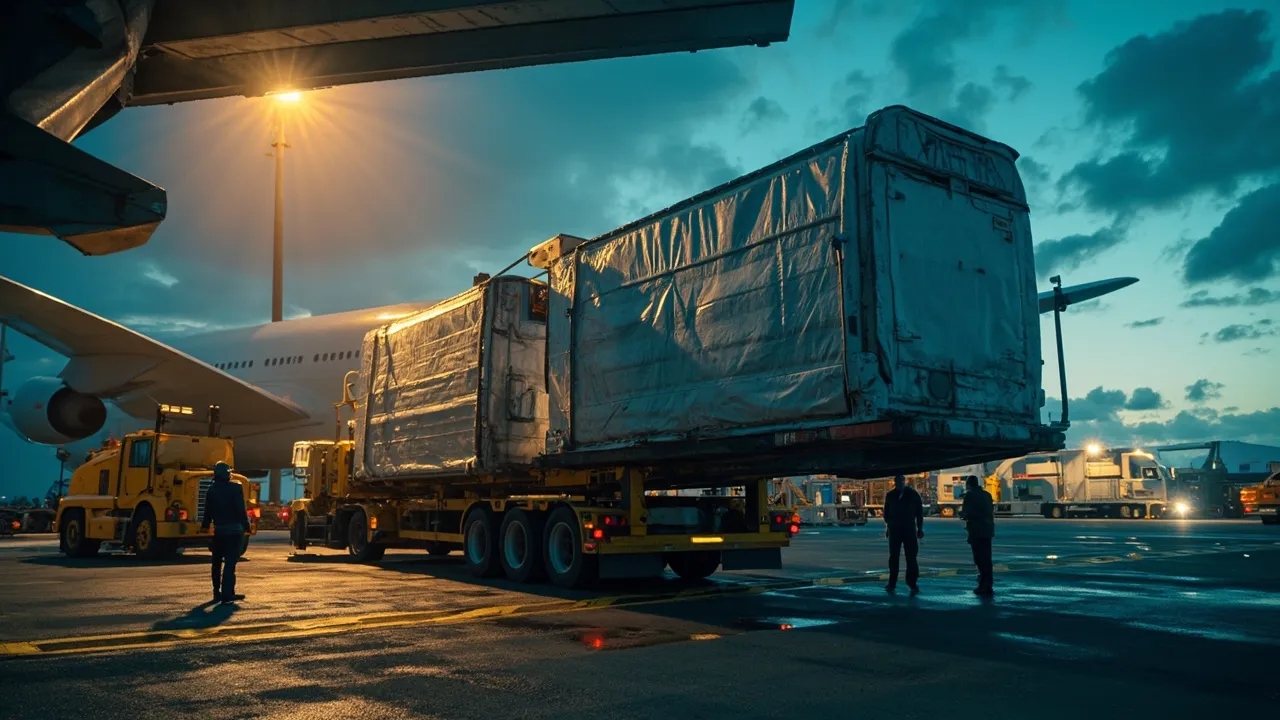
Oversized freight makes late decisions especially expensive. It may require special packaging, aircraft compatibility checks, build-up planning, export screening, ground equipment, appointment coordination, and destination handling confirmation. A same-day scramble can fail before the rate is even quoted.
That is why the Bangkok-to-Cincinnati signal is useful. A three-times-weekly widebody freighter route with 100 tons of capacity per flight gives planners a concrete option to model. It does not solve every lane, and it does not remove the need for procurement discipline. But it lets logistics teams ask better questions before the emergency: Which Southeast Asia-origin products could use this corridor? Which U.S. facilities can recover from Cincinnati or Chicago quickly? Which customers justify the premium? Which documents must be ready before a disruption starts?
Those questions belong in transportation management, not buried in email after a missed sailing.
Govern The Exception Before It Becomes A Crisis
Air cargo is most dangerous when it is treated as a heroic workaround. That is when costs spike, approvals get vague, service promises are made without operational evidence, and finance learns about the decision after the invoice arrives.
The better model is governed optionality. Keep ocean as the default where it makes sense. Use air only where the business case is documented. Tie every mode switch to shipment data, product priority, customer consequence, customs readiness, cost approval, and post-shipment review.
CXTMS helps freight forwarders and logistics teams manage that discipline in one operating layer. Shipments, carrier options, documents, exceptions, customer promises, milestones, and cost decisions stay connected, so air cargo becomes a governed exception instead of a last-minute phone call.
If your team is using premium air freight without clear trigger rules, schedule a CXTMS demo. We will show how CXTMS helps logistics teams model mode fallback, control exceptions, and protect service commitments when Transpacific freight plans need more than one path.