Electrical Component Origin Proof Is Becoming an Infrastructure Logistics Bottleneck

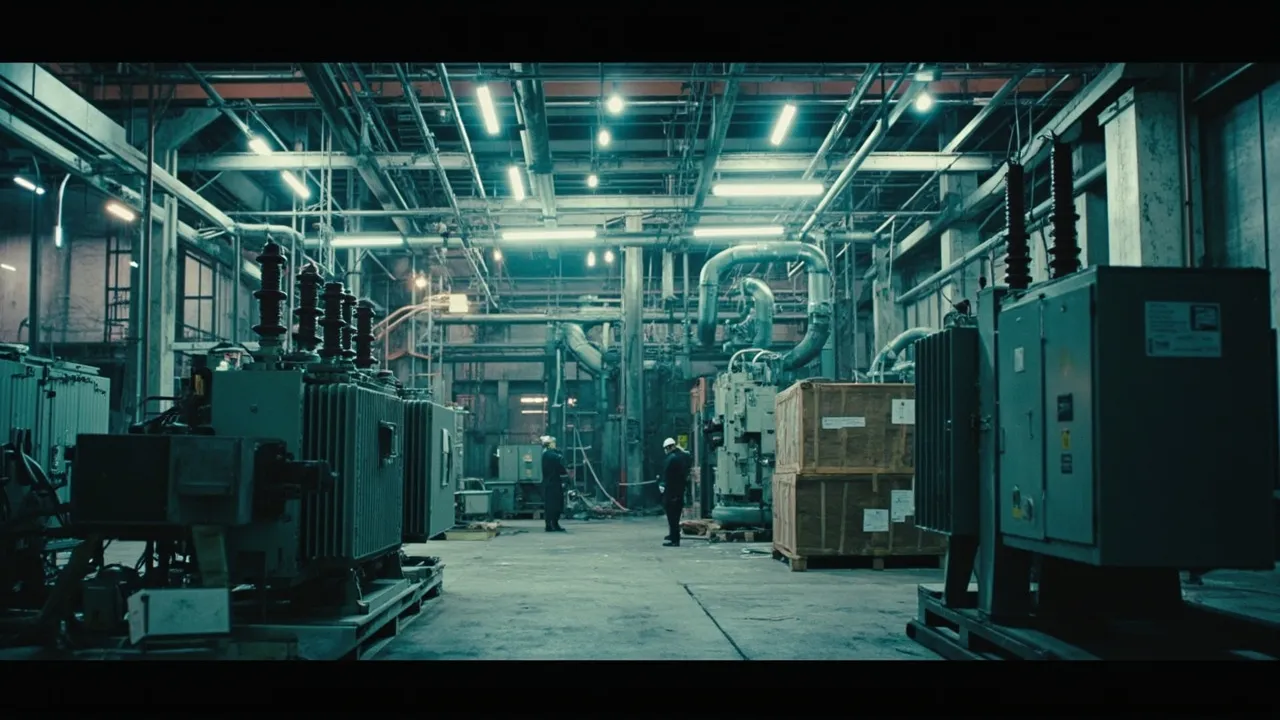
Electrical equipment is no longer just another line item on an infrastructure bill of materials. It is becoming a proof problem.
Transformers, switchgear, control panels, breakers, cable assemblies, motors, compressors, semiconductors, and specialty steel products increasingly have to arrive with more than a packing list. They need country-of-origin evidence, tariff exposure, domestic-content status, project-funding context, and an owner for exceptions. When that evidence is late or inconsistent, the physical shipment can be on time while the project still cannot receive it cleanly.
That is why origin proof is turning into an infrastructure logistics bottleneck. The constraint is not only whether a supplier can manufacture the component or whether a carrier can move it. The constraint is whether the shipment record can prove, before delivery, that the component fits the tariff, funding, and compliance rules attached to the project.
Tariffs Are Moving Into the Equipment File
SupplyChainBrain reported that Section 232 actions now include 50% tariffs on the full value of imported steel and aluminum and 25% tariffs on derivative products, with certain exemptions. The same article noted that Section 232 pressure also reaches imported critical minerals, including rare earth metals used in high-technology products.
That matters because the electrical sector sits directly between industrial trade policy and real infrastructure delivery. The National Electrical Manufacturers Association represents more than 300 domestic makers of electrical equipment and systems. Its members employ more than 580,000 U.S. workers.
Electrical manufacturers are not operating in a simple domestic-versus-imported world. They are building U.S. grid, manufacturing, data center, airport, water, renewable, and public-works capacity with supply chains that still depend on global inputs. Broad tariffs, narrow exemptions, derivative-product rules, and country-specific sourcing risk all land in the same operational place: the component record.
NEMA's warning to the U.S. Trade Representative was direct. SupplyChainBrain reported that the association asked USTR to consider "whether tariffed products support the U.S. power grid, AI infrastructure or the manufacture of equipment essential to both" because the outcome affects energy affordability.
For logistics teams, that is a practical instruction. The shipment file for a transformer or switchgear lineup cannot stop at origin, weight, dimensions, and carrier. It needs tariff code, country of origin, material content, applicable exemption, project use, compliance owner, and the evidence trail that supports those fields.
Domestic Content Is Now a Receiving Requirement
The same SupplyChainBrain report described NEMA's "Make It American" program as a voluntary third-party domestic content certification program for federally funded infrastructure projects, including airports and water treatment facilities. The goal is to help products and manufacturing sites show compliance with Build America, Buy America rules.
That turns domestic-content proof into a logistics workflow. If a federally funded project needs certified equipment, the project team cannot wait until the truck reaches the gate to discover that documentation is missing, outdated, or mapped to the wrong component revision.
The proof needs to move with the freight plan. A receiving team should know whether the product is covered by BABA, whether the supplier has supplied the correct certification, whether the certification belongs to the item shipped, whether any subcomponent creates an exception, and who can approve a project-level waiver or hold.
This is where infrastructure logistics becomes different from ordinary freight execution. A delayed document can create the same project impact as a delayed flatbed. A component can be physically present and still unusable if procurement, compliance, engineering, and receiving cannot reconcile the evidence.
The Capacity Race Makes Bad Records More Expensive
Deloitte's 2026 renewable energy outlook adds another layer of urgency. Deloitte reported that projects beginning construction by July 4, 2026, or entering service by 2027 may still qualify for tax credits but face uncertainty around Foreign Entity of Concern compliance. It also said phaseouts could increase solar costs by 36% to 55% over the next year and onshore wind costs by 32% to 63%.
The power demand side is not waiting. Deloitte noted that the United States hosts 90% of hyperscalers' global carbon-free energy contracts, with renewables supplying 78% and nuclear providing the rest. It also reported that U.S. operating storage capacity reached 37.4 GW by October 2025, up 32% year to date, with another 19 GW under construction through 2026 and a 187 GW pipeline by 2030.
Those numbers explain why electrical components are so sensitive. Grid upgrades, renewable interconnections, battery storage sites, data centers, water infrastructure, airports, and manufacturing plants all need power equipment. Many also have tax-credit, funding, commissioning, or service-date pressure. If origin proof is wrong, the problem is not clerical. It can threaten a milestone that finance, engineering, and operations are all counting on.
Exemption Requests Show the Same Pattern
The proof burden is not limited to electrical manufacturers. Supply Chain Dive reported that more than 1,500 stakeholders submitted written responses seeking additional product exemptions as USTR considered tariffs tied to Section 301 probes across 60 trading partners.
The details are familiar to anyone managing industrial freight. Companies argued that some inputs lack domestic availability at the required scale or quality. In electronics and appliance manufacturing, Supply Chain Dive cited requests involving highly specialized motors, compressors, electronic controls, semiconductors, wire harnesses, specialty steel products, automation systems, molds, and capital equipment.
That is the operating reality behind infrastructure logistics. Buyers may want domestic content. Regulators may want tariff discipline. Project owners may want clean funding eligibility. But suppliers may still need specialized global inputs. The only way to manage that tension is with better records.
Build the Component-Proof Record
The practical control point is a component-proof record attached to the shipment before it moves. At minimum, it should include supplier, manufacturer, item number, component revision, country of origin, tariff code, material content flags, BABA status, certification document, project funding source, purchase-order reference, shipment milestone, required delivery date, exception owner, and waiver status.
That record should travel across procurement, compliance, supplier management, logistics, receiving, and project controls. If a transformer ships late, the project needs to know. If a transformer ships with a mismatched origin certificate, the project needs to know that too.
The goal is not paperwork for its own sake. The goal is to prevent documentation failures from surfacing at the worst possible moment: during site receiving, grant review, customs clearance, commissioning, or invoice approval.
Where CXTMS Fits
CXTMS helps logistics teams connect supplier evidence with shipment execution. For infrastructure freight, that means tariff codes, domestic-content proof, supplier documents, carrier milestones, project deadlines, and exception ownership in the same workflow.
When origin proof is visible next to the shipment, teams can catch missing certifications before pickup, escalate BABA issues before delivery, distinguish tariff exposure from ordinary sourcing, and preserve an audit trail for project and finance teams.
If your infrastructure, grid, renewable, or data center freight still depends on disconnected supplier emails, freight spreadsheets, and compliance folders, schedule a CXTMS demo. We will show how CXTMS turns component proof into an execution record before a documentation gap becomes a project delay.