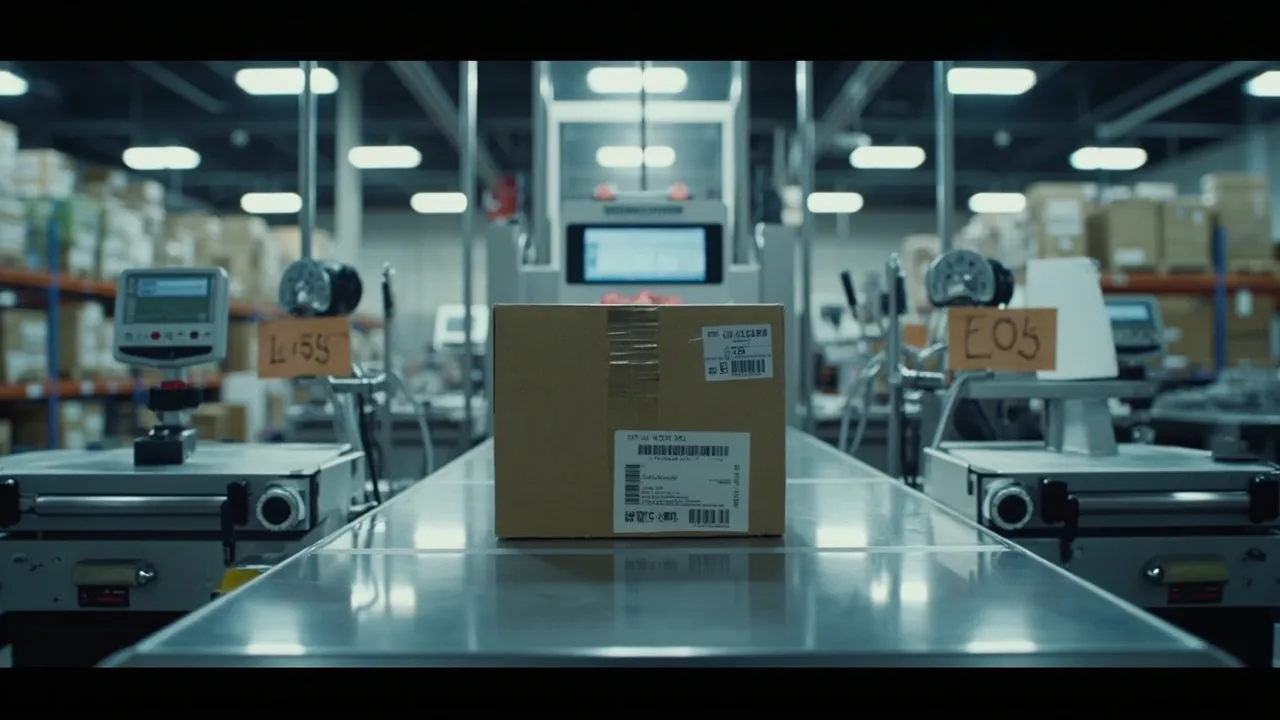
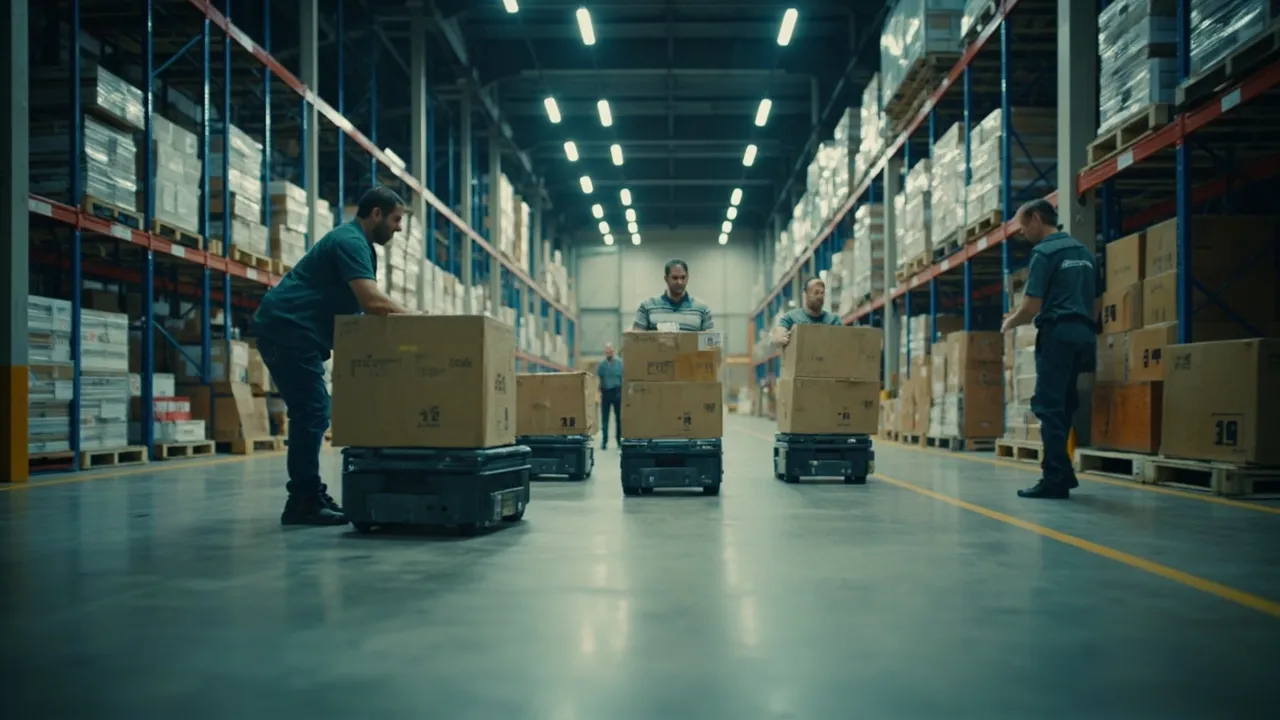
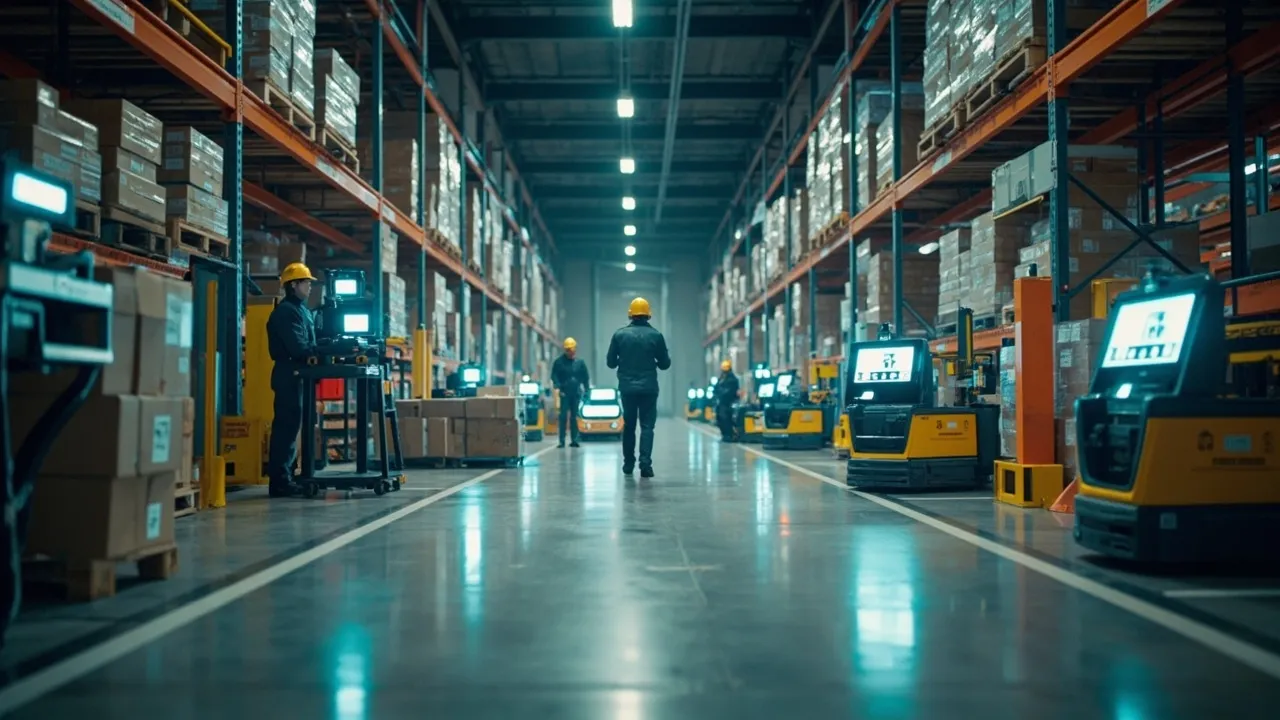
Logistics Frontline Worker Tech Is Becoming a Control Layer, Not a Messaging App

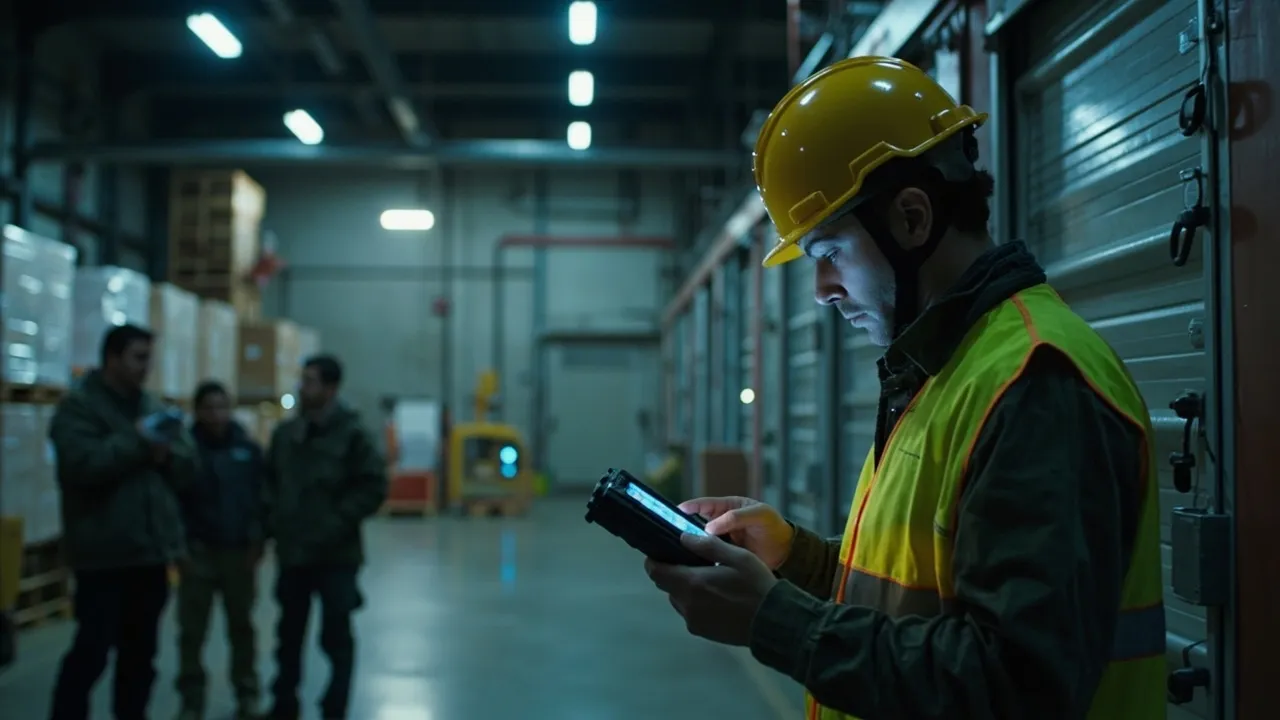
Frontline worker technology in logistics is moving past the messaging-app phase.
For years, "connected frontline" often meant giving warehouse associates, drivers, dock teams, or yard crews a mobile app where supervisors could push announcements, schedules, and checklists. That was useful, but thin. It did not explain whether a trailer was ready, why a pallet missed a cutoff, who cleared a safety exception, or whether a shipment handoff actually happened.
The market is now signaling a much deeper role. Mordor Intelligence projects the North America frontline worker technology market to grow from $6.09 billion in 2026 to $15.36 billion by 2031, a 20.32% CAGR. Within that market, transportation and logistics is forecast to be the fastest-growing end-user segment, advancing at a 24.87% CAGR through 2031.
That matters because logistics is not buying frontline tools just to make communication tidier. Freight operations need a live control layer at the edge of the business, where plans meet physical work.
The Frontline Is Where Plans Become True or False
Transportation plans look clean in a system. Real freight does not.
An inbound trailer arrives early but the assigned door is blocked. A forklift battery is low. A worker finds damaged cartons during staging. A yard jockey moves the wrong trailer. A driver checks in without the right seal record. A pick task is technically complete, but the shipment is not carrier-ready because one hazardous-material document is missing.
None of those events is solved by a broadcast message. They need structured task state.
That is why the new frontline layer has to capture operational facts as they happen: worker role, task type, equipment state, location scan, exception reason, photo proof, safety acknowledgment, supervisor approval, and handoff timestamp. Those fields turn "someone said it was ready" into an auditable execution record.
The pressure is coming from labor as much as technology. Mordor cites labor scarcity as a core growth driver, noting that trucking wages rose 16% and warehousing pay rose 15% year over year in Q1 2025. It also reports that 74% of U.S. employers in transportation, logistics, and automotive had difficulty filling roles in 2025.
When labor is scarce, the answer cannot simply be "hire more people and tell them faster." The answer is to help the people already on the floor complete the right work, in the right order, with fewer handoff failures.
Messaging Does Not Create an Operating Record
A group chat can tell a supervisor that Dock 12 has a problem. It cannot reliably become the system of record for what happened next.
That distinction matters in logistics because exceptions have financial, safety, customer-service, and compliance consequences. If a trailer misses an appointment, finance may need detention evidence. If a worker stops a task for a safety concern, operations needs the acknowledgment record. If a shipment is reworked, customer service needs a clean explanation. If a carrier disputes whether freight was ready, the team needs timestamps, photos, and ownership.
Disconnected messages disappear into threads. A control layer creates traceability.
Inbound Logistics makes a similar point in its discussion of modern logistics execution technologies. AMRs, IoT devices, digital twins, edge computing, and agentic AI are valuable because they generate operational data and help organizations enable adaptive scheduling, real-time error detection, and flexible scaling during peak demand. The lesson applies directly to frontline worker tools: the value is not the device; it is the decision-quality data created at the point of work.
That is especially true in inbound workflows, where the operating plan may change several times before a load is received, staged, cross-docked, or released. If frontline tools cannot connect task state to appointments, inventory readiness, carrier commitments, and exceptions, they become another silo.
The Connected Warehouse Needs People in the Loop
Warehouse software is also shifting in this direction. Modern Materials Handling reports that 42% of surveyed companies increased their use of materials handling software over the past year, while more than half kept usage steady. The same article notes that 26% of respondents are actively using AI, up from 19% one year earlier, and another 29% are evaluating it.
The important part is not that more warehouses are buying software. It is what they now expect software to do.
Modern Materials Handling frames the connected warehouse as a move away from individual tools and toward platforms that connect inventory, labor, transportation, and automation. It quotes Amanda Loudin on AI serving as an intelligence layer across warehouse operations, helping teams optimize pick routes, improve slotting, orchestrate automation assets, and adapt to unexpected situations.
That intelligence layer still depends on frontline truth. AI cannot coordinate a dock, yard, or warehouse floor if the underlying task state is stale, informal, or trapped in a messaging app. It needs clean event data from workers and equipment: scan complete, pallet short, door blocked, trailer sealed, worker cleared, load released.
What a Logistics Frontline Control Layer Should Track
The practical record does not need to be bloated. It needs to be consistent.
For freight teams, the minimum useful frontline-control record should include:
- Worker role and authorization
- Task type and shipment or order reference
- Equipment state, including forklift, scanner, dock door, trailer, or yard asset
- Location scan or geofence confirmation
- Exception reason and severity
- Photo or document proof when required
- Safety acknowledgment or stop-work flag
- Supervisor escalation and approval
- Handoff timestamp to the next team, carrier, or system
Those fields help operations answer the questions that actually determine service quality. Is the freight ready? Is it blocked? Who owns the block? What proof exists? What changed after the plan was created? Which shipment, carrier, dock, worker, or customer promise is affected?
Once those answers are structured, frontline technology becomes more than workforce enablement. It becomes shipment execution infrastructure.
Where CXTMS Fits
CXTMS is built for this control-layer problem. Freight teams do not need another disconnected app for status chatter; they need task-aware shipment execution that connects dock activity, driver handoffs, carrier milestones, documents, exception reporting, and customer commitments in one operating record.
When a warehouse worker flags damaged freight, CXTMS can preserve that exception against the shipment record. When a dock team confirms loading, that timestamp can support carrier release and customer visibility. When a supervisor approves a workaround, the decision can stay attached to the freight rather than vanishing into a message thread. When a driver handoff slips, operations can see whether the issue started with labor, equipment, staging, documentation, or carrier timing.
That is the real promise behind the 24.87% logistics growth forecast for frontline worker technology. The winning tools will not merely connect workers to managers. They will connect physical work to transportation decisions.
If your logistics frontline still runs on messages, paper notes, and after-the-fact explanations, schedule a CXTMS demo. CXTMS gives freight teams the control layer to capture task state, manage exceptions, and turn dock-to-driver activity into reliable shipment execution.