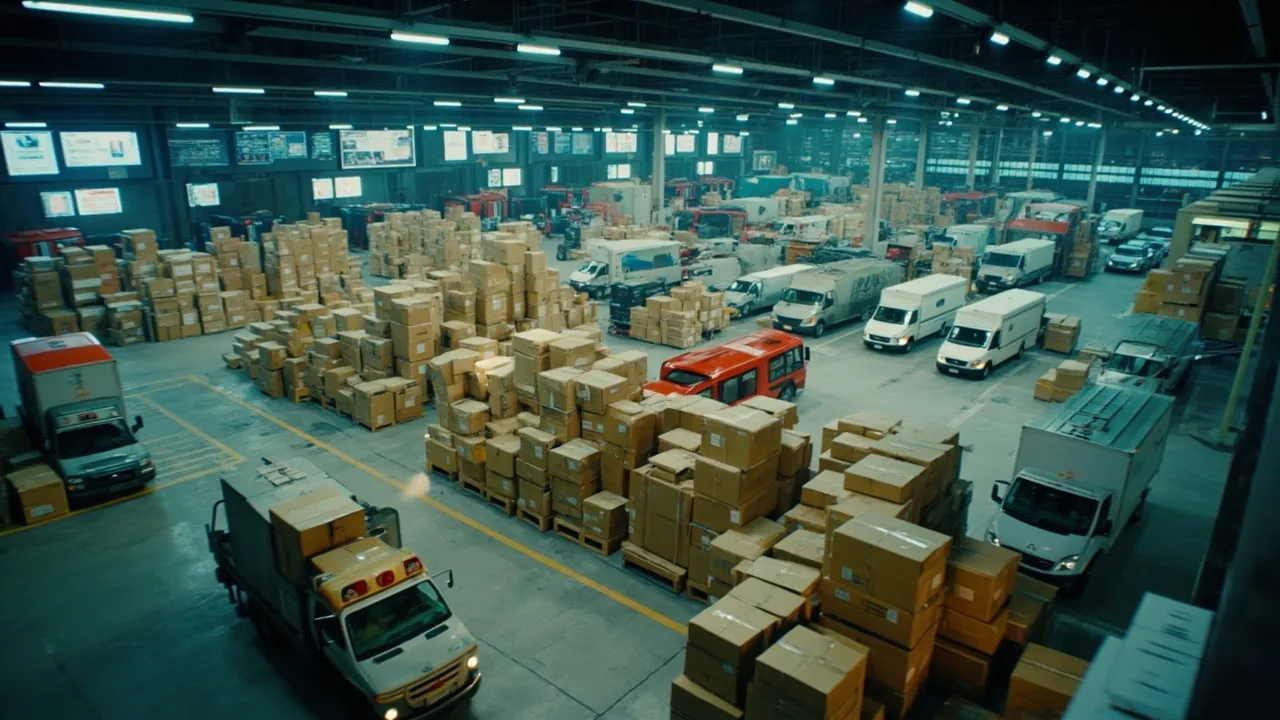
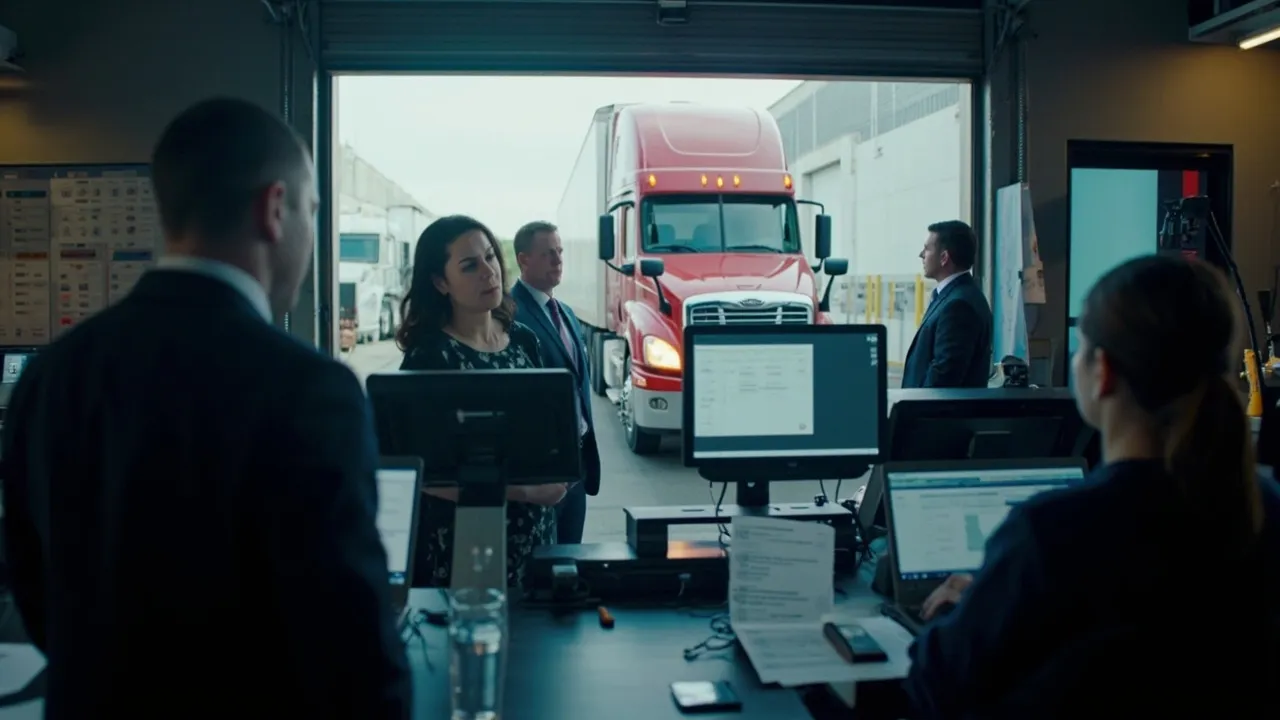
Roadcheck Week Shows Compliance Works Better When Carriers Can Prepare


International Roadcheck is easy to describe as an enforcement event. Inspectors set up a three-day inspection blitz, trucks get pulled aside, and violations turn into out-of-service orders.
That description is accurate, but too small.
Roadcheck Week is also a useful case study in how transportation networks respond when compliance risk becomes visible in advance. The surprising lesson is that announced inspections can work better than surprise inspections because they give carriers a reason to prepare before the enforcement window opens.
FreightWaves highlighted research from Andrew Balthrop of the University of Arkansas and Alex Scott of the University of Tennessee showing that International Roadcheck changes behavior before and after the event. The article cites roughly 60,000 inspections during Roadcheck, about 20,000 per day, and notes that in 2021 inspectors put 16.5% of inspected vehicles and 5.3% of drivers out of service.
Those are serious numbers. But the more interesting finding is what happens around the blitz. The researchers found a 1.8% reduction in vehicle violations in the month before and after Roadcheck. FreightWaves also reported that around 5% fewer one-person trucking companies are active during the event, a sign that some small operators avoid the inspection period entirely.
That tension matters for shippers. Roadcheck can remove unsafe equipment from the road, but it can also reshape available capacity for a few days. The right response is not panic. It is preparation.
Compliance is a capacity signal
Most shippers think about carrier compliance during onboarding, annual insurance review, or after a service failure. Roadcheck Week proves that compliance needs to be closer to live operations.
When an inspection blitz is announced, carriers have a choice. They can inspect equipment, clean up driver files, review hours-of-service practices, check brakes and tires, and tighten documentation. Or they can hope their trucks are not selected. Some owner-operators can also sit out the week if the cost and hassle feel too high.
Larger fleets usually have less room to disappear. Contract freight, dedicated lanes, network commitments, retail delivery windows, and customer scorecards keep them moving. That forces compliance into the operating rhythm: maintenance scheduling, driver coaching, dispatch planning, trailer readiness, and roadside inspection history all have to connect.
For shippers, that means Roadcheck is not just a carrier problem. It is a capacity planning signal. If certain lanes depend heavily on small carriers, spot carriers, or operators with thin maintenance records, Roadcheck week can expose fragility that already existed.
The freight market adds pressure
The timing matters because trucking demand is not giving carriers much room for error. Logistics Management reported that the American Trucking Associations' May Seasonally Adjusted For-Hire Truck Tonnage Index fell to 114.4, down 2% after a 0.9% sequential decline in April.
In a softer market, shippers may assume capacity is easy to replace. That can be true for routine loads. It is less true for freight that requires dependable safety performance, appointment discipline, hazmat readiness, food-grade standards, cross-border documentation, or tight customer delivery windows.
A carrier taken out of service during an inspection does not only create a compliance issue. It can strand freight, miss a delivery appointment, create detention, force a recovery load, and pull operations staff into exception management. If that carrier is handling retail, manufacturing, healthcare, food, or time-sensitive B2B freight, the cost of the disruption can easily exceed the linehaul rate.
That is why Roadcheck belongs on the shipper's operating calendar.
What shippers should review before Roadcheck
The best shipper playbook starts before the inspection window.
First, review carrier qualification data. Insurance, authority status, safety ratings, operating history, and equipment type should already be current. Roadcheck is a good forcing function to identify carriers whose files have gone stale.
Second, look at inspection history. A carrier with repeated vehicle maintenance violations, brake issues, tire problems, driver documentation gaps, or hours-of-service problems should not be treated the same as a carrier with clean inspections and disciplined follow-up.
Third, ask how maintenance readiness is managed. Strong carriers can explain how they prepare for inspection blitzes: pre-trip inspection discipline, preventive maintenance schedules, trailer pools, brake checks, tire programs, ELD review, and driver communication.
Fourth, adjust tender timing. If a lane is vulnerable, do not wait until the last minute to tender freight during Roadcheck week. Give dependable carriers more lead time, avoid unnecessary mode or carrier churn, and protect critical appointments with earlier confirmation.
Fifth, watch capacity behavior. If a carrier repeatedly rejects tenders during inspection blitzes, that pattern should be visible in procurement and operations conversations. Maybe the carrier is making a rational choice. Maybe the carrier is avoiding scrutiny. Either way, the shipper needs to know.
Preparation beats punishment
Roadcheck is often framed as a crackdown. That framing misses the larger opportunity.
Compliance-as-punishment creates a reactive loop. A violation appears, freight gets delayed, a carrier is penalized, and everyone moves on until the next incident. Compliance-as-operating-rhythm works differently. It turns inspection readiness into a normal part of freight execution.
That rhythm needs data. Shippers should be able to see which carriers are assigned to critical loads, which lanes have inspection-sensitive risk, which tenders are exposed during the Roadcheck window, and which exceptions need escalation before a customer is affected.
The point is not to micromanage carriers. The point is to stop treating safety readiness as invisible until a roadside officer finds the problem.
Safer networks are better-run networks
Roadcheck Week works because it changes behavior. Some carriers prepare. Some avoid the event. Some learn where their compliance process is weak. Shippers that watch those patterns get a clearer view of carrier resilience than a rate sheet can provide.
That matters far beyond one week. Brakes, tires, driver records, maintenance cadence, inspection history, and dispatch discipline are not seasonal concerns. They are indicators of whether a carrier can protect freight, drivers, customers, and the public consistently.
For logistics teams, the lesson is straightforward: safety compliance should be built into carrier management, tender planning, and exception workflows. The announced inspection blitz is only the stress test. The operating model should run all year.
CXTMS helps logistics teams connect carrier data, shipment execution, exception management, documents, and performance workflows in one transportation operating layer. If your team wants stronger visibility into carrier readiness before inspection risk becomes delivery risk, schedule a CXTMS demo to see how better transportation control can support safer, more reliable freight networks.