GNC’s Warehouse Drones Show Cycle Counting Is Becoming Continuous Inventory Control


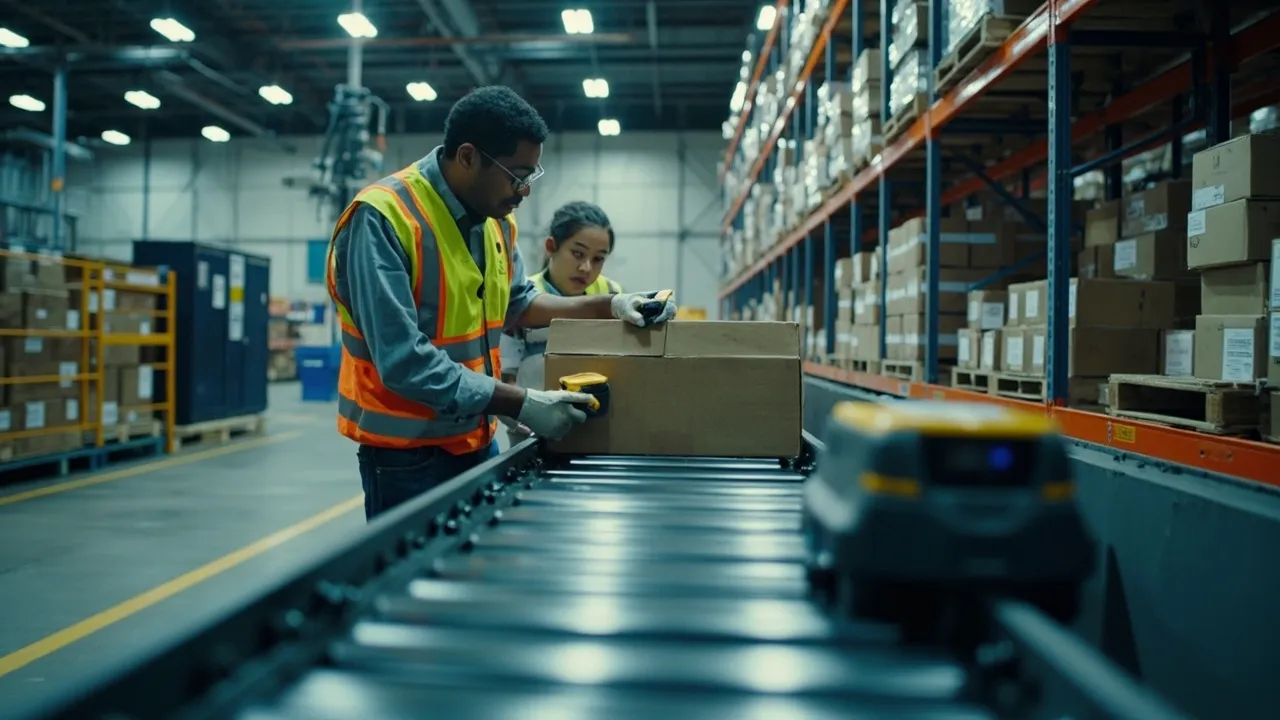
Cycle counting used to be one of those warehouse disciplines everyone respected and nobody loved. It was necessary, labor-heavy, disruptive, and too periodic to catch inventory problems before they became service problems. GNC’s drone deployment shows why that model is changing.
According to Logistics Management, GNC previously relied on internal teams to audit 40,000 locations across its Indianapolis and Phoenix distribution centers at least twice a year. Those two facilities support stores, domestic and international wholesalers, and direct-to-consumer customers while managing more than 3,000 SKUs across a combined 450,000 square feet.
That is not a small counting problem. It is an operating-system problem.
GNC now uses four Corvus One drones and seven landing pads across the two sites. The drones fly seven to eight times per day, with each flight lasting roughly 30 to 45 minutes. Missions run every two to three hours, and in the Indianapolis facility alone, drones count nearly 31,000 locations per month across about 24,000 unique locations. Full counts that once happened two to four times annually are now happening 10 to 12 times a year.
The headline is drones. The bigger story is inventory control moving from episodic verification to continuous operational confidence.
Why Periodic Counts Are No Longer Enough
Traditional cycle counting was designed for a slower warehouse rhythm. Teams counted a portion of inventory, investigated discrepancies, updated the WMS, and moved on. That no longer matches modern fulfillment.
When facilities handle omnichannel orders, store replenishment, wholesale shipments, returns, promotions, and direct parcel volume from the same inventory base, a misplaced pallet can create a chain reaction. A picker sees an empty forward location. Replenishment gets delayed. A customer order misses cutoff. A planner loses faith in available-to-promise data. Customer service opens a ticket. Transportation may still be ready, but the warehouse cannot release the order cleanly.
That is why GNC’s operating detail matters. The company measures ship rate and tries to keep non-ships below 100 units across all SKUs. If the system says product is available but the warehouse cannot find it, the order promise is fiction. Continuous counting closes the time gap between error creation and error detection, giving teams time to fix the replenishment path, customer promise, or pick plan.
Drones Make Inventory Accuracy Less Dependent on Spare Labor
The usual objection to more frequent cycle counting is obvious: who has the people and equipment?
GNC’s old process required employees and material-handling equipment to reach reserve and forward-pick locations. That is expensive in any facility, but especially difficult in a round-the-clock operation where lift trucks and other vehicles do not have much downtime. GNC’s Indianapolis operation made the constraint plain: the more equipment used for counting, the less available for receiving, putaway, replenishment, and shipping.
The drone deployment changed that resource equation. Logistics Management reported that GNC’s inventory control department moved from 20 employees working seven days a week to 13 people, with the others redeployed inside the building. The value is not just fewer manual counts. It is freeing people and equipment for work that moves inventory, resolves exceptions, and protects service.
The drones also fly at walking speed, use obstacle detection, and operate autonomously without blocking aisles. They can read multiple barcode symbologies in different orientations as long as labels are placed on the front of cartons or pallets. That sounds tactical, but warehouse automation often fails because the physical data capture environment is messy.
Barcode Quality Is the Hidden Constraint
Modern Materials Handling’s discussion of AI-enhanced barcode scanning makes the same point from another angle. In real logistics environments, damaged labels, glare, motion, and variable conditions can reduce scan reliability. AI-enabled image enhancement, barcode localization, and decode optimization are being positioned around fewer rescans, more consistent first-pass reads, reduced variability, and better operational visibility.
Autonomous inventory control is only as good as the label discipline underneath it. If labels are damaged, blocked, facing the wrong direction, or missing from pallet fronts, the drone becomes a faster way to discover a process problem.
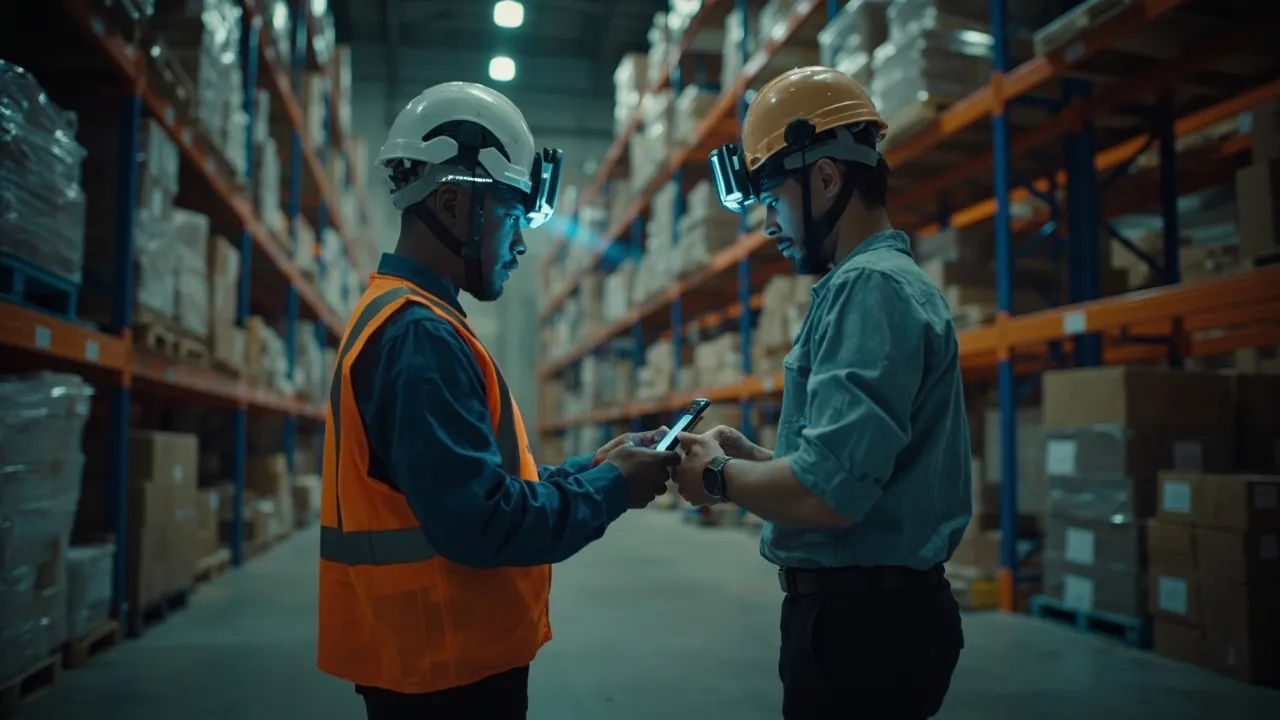
Warehouse leaders should treat drone readiness as a data-hygiene test. Before scaling autonomous counts, inspect label placement, receiving compliance, pallet build rules, location barcodes, lighting, aisle clearance, and WMS exception coding. The drone is not a magic inventory wand. It is an aggressive truth machine.
The WMS Has to Absorb the Signal
More frequent counts create more frequent exceptions. That is useful only if the operation can act on them.
Supply Chain Brain’s warning about WMS selection mistakes is relevant here. The article points to inventory blind spots, inconsistent exception handling, fragmented visibility, and poorly planned integrations as long-term risks when warehouse systems do not match real operating needs. It also notes that a WMS is an execution system that sends and receives data across the broader company ecosystem.
That is exactly the issue with drone-based cycle counting. If the drone finds a pallet in the wrong location, what happens next? Does the WMS create an exception task? Does inventory control validate it first? Does replenishment get updated? Does customer service see the risk? Does planning know available stock changed? Can the system distinguish harmless mismatch from service-threatening shortage?
Without that workflow, the warehouse gets better visibility but not better control. And better visibility without action is just a more expensive dashboard.
From Shrink Detection to Slotting Confidence
The strongest use case is not just audit accuracy. It is operational confidence.
Frequent autonomous counts support four practical outcomes.
First, they improve replenishment confidence. If reserve locations are counted more often, replenishment teams trust that the inventory needed for forward-pick refill actually exists.
Second, they improve slotting accuracy. Misplaced inventory distorts velocity analysis and can make slotting teams optimize against dirty data.
Third, they support shrink detection. GNC reported improved inventory accuracy and reduced shrinkage inside the warehouse. Earlier discrepancy detection makes it easier to separate process errors from true loss.
Fourth, they protect service. When ship-rate discipline depends on inventory availability, the warehouse needs a faster feedback loop between physical stock and system stock.
The Adoption Risk Is Human, Not Just Technical
GNC’s deployment also carries a lesson about worker adoption. Drones are visible automation, so the framing matters. The useful message is not “the drone replaces the counter.” It is “the drone removes repetitive verification so people can solve exceptions.” GNC’s redeployment story supports that framing: human work shifts toward investigation, discrepancy resolution, process improvement, and higher-value warehouse tasks.
For logistics leaders, the playbook is straightforward. Start with a painful count process. Validate barcode and aisle readiness. Define WMS exception ownership before the first flight. Measure non-ships, inventory accuracy, shrink, recount effort, replenishment delays, and labor redeployment. Then expand from routine counts to mission-specific searches, such as finding a lost pallet based on estimated coordinates.
GNC’s drones are not a gimmick. They show inventory accuracy becoming less about proving the books twice a year and more about knowing whether the physical building still matches the digital plan.
CXTMS helps freight forwarders and logistics teams connect operational data, exceptions, and execution workflows across transportation and fulfillment. If your team is ready to turn visibility into faster decisions, schedule a CXTMS demo and see how better logistics control supports better service.