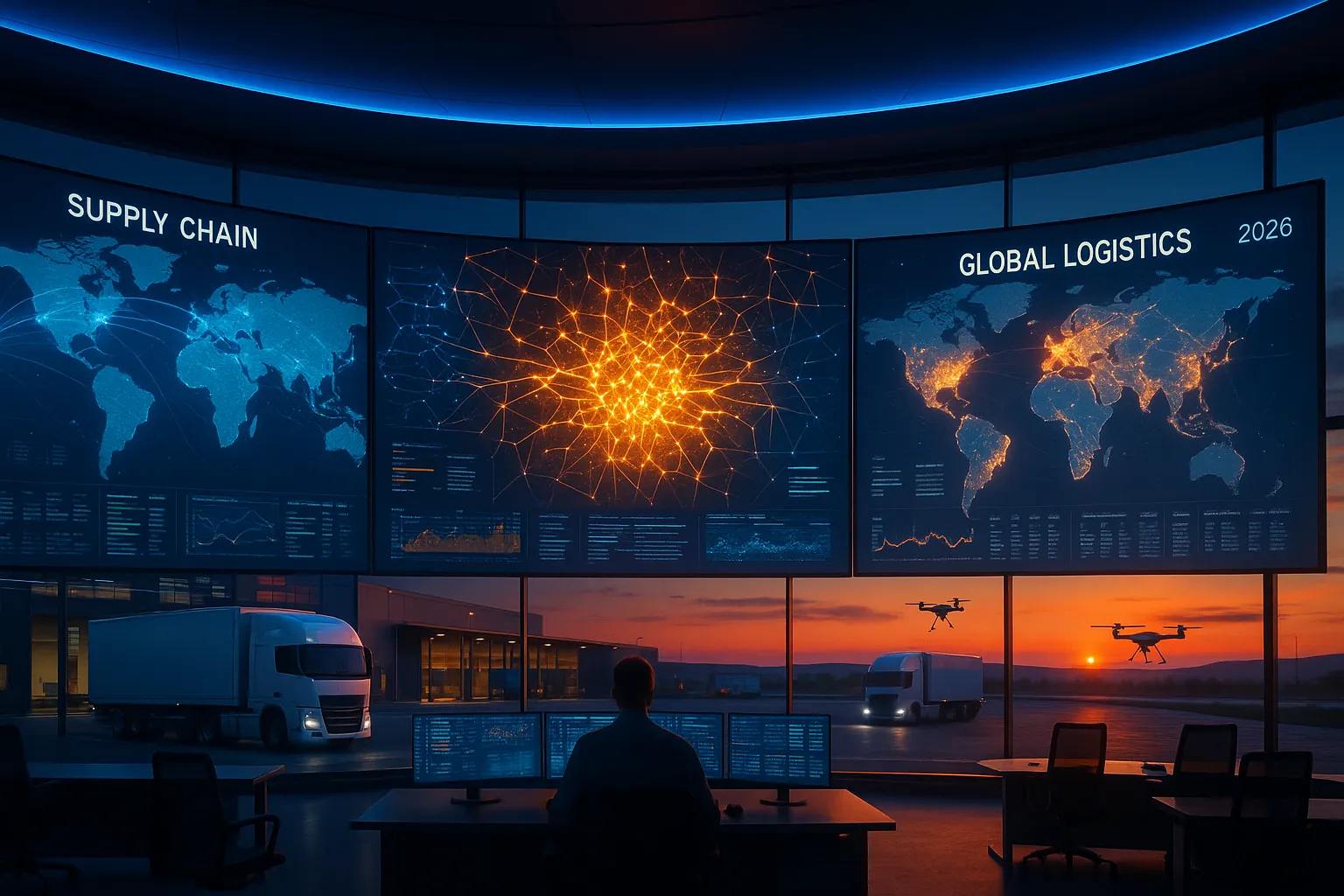
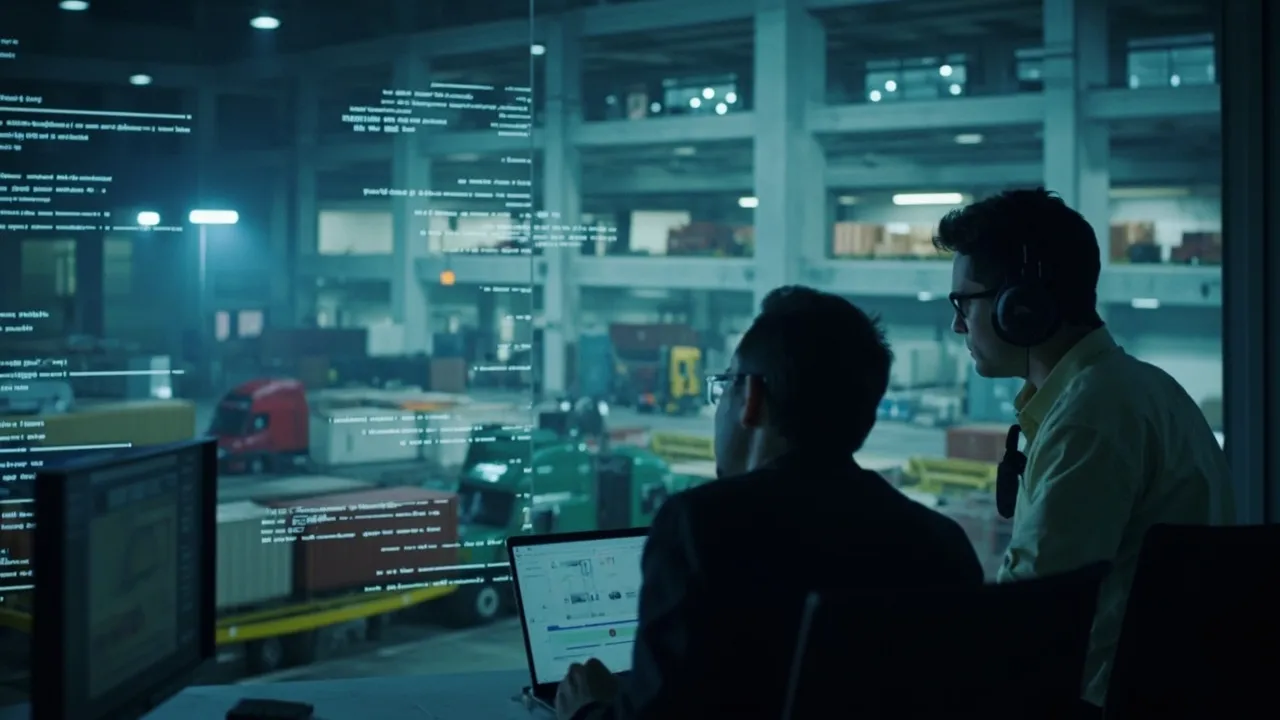
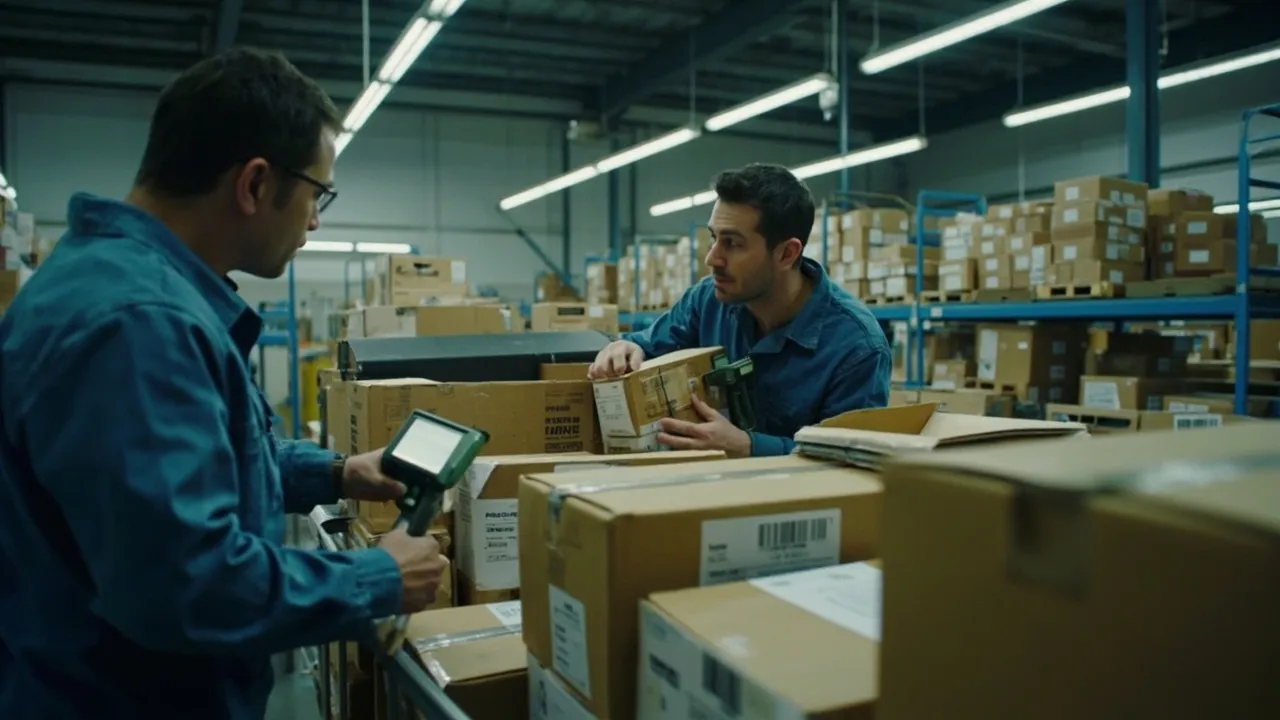
Supply Chain Technology’s Next Phase Is Orchestration, Not More Point Automation

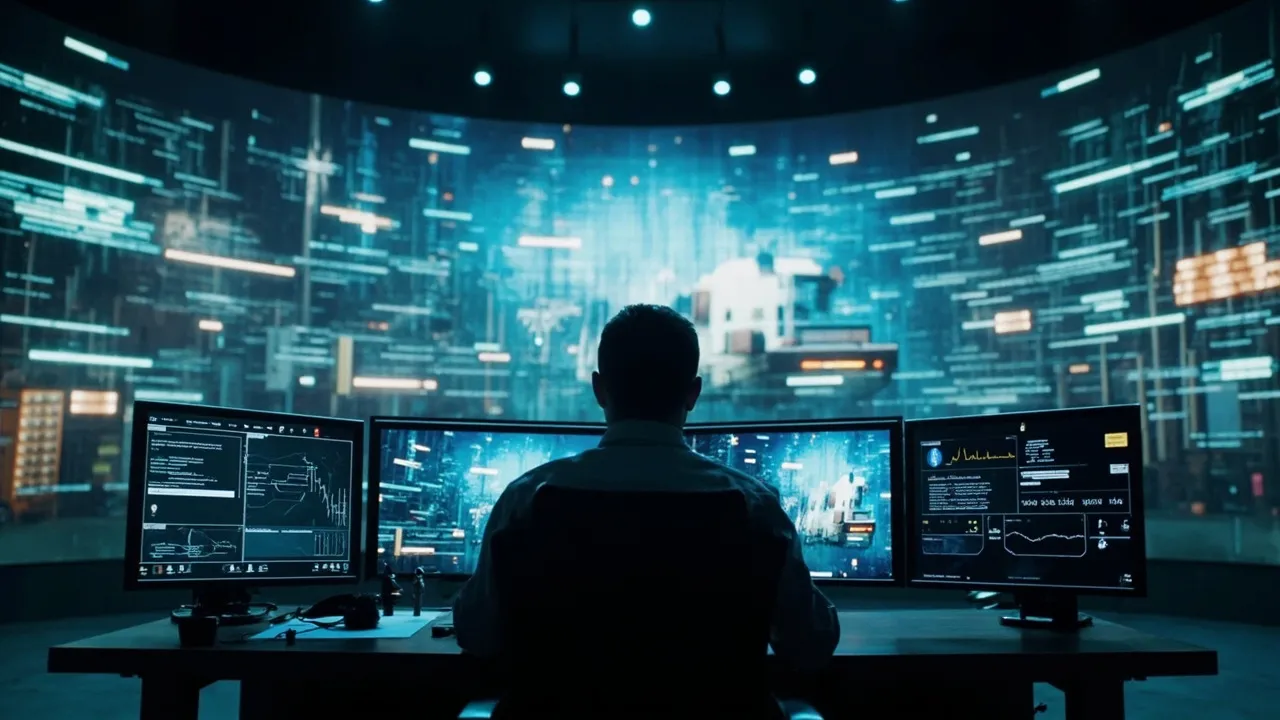
Supply chain technology has spent years proving that individual tasks can be automated. Warehouses can optimize slotting. Transportation teams can recommend routes. Procurement systems can monitor supplier performance. Visibility platforms can surface late shipments.
That progress matters, but it has exposed a tougher problem: supply chains do not fail only because one task is unautomated. They fail because handoffs between tasks are slow, unclear, or trapped in disconnected systems.
That is why the next phase is orchestration, not more point automation. The winners will connect warehouse, transportation, procurement, inventory, finance, and risk signals into decisions that actually move freight.
Visibility is not the finish line
Logistics Management's 2026 technology roundtable captured the shift cleanly: supply chain technology is moving from visibility to execution. The article frames 2026 as a year when AI, orchestration, automation, robotics, and risk management are being embedded into real operations rather than left as dashboards or pilots.
That distinction is not academic. A visibility system can show that a supplier shipment is late, a carrier is likely to miss pickup, or a distribution center is under labor pressure. Orchestration determines what happens next: who owns the exception, whether transportation reroutes, whether customer service notifies the consignee, and whether finance reforecasts accessorial exposure.
The result is execution latency: the time between knowing something changed and actually changing the plan. In volatile freight markets, that latency is expensive.
Point automation creates new silos
Point automation usually begins with the right intention. A warehouse team needs better labor planning, so it buys a tool. A transportation team needs better carrier selection, so it adds optimization. A procurement team needs better supplier scorecards. A customer service team needs better ETA alerts.
Each tool may improve its own lane. The problem appears when an event crosses functional boundaries. A late inbound container can affect drayage appointments, warehouse labor, customer promise dates, inventory allocation, demurrage risk, and cash flow. If those functions sit in disconnected systems, people still have to stitch the process together.
Logistics Management quoted MainePoint's Nathanael Powrie saying measurable AI ROI is appearing in high-frequency decision loops such as inventory positioning, warehouse slotting, transportation planning, and supplier performance management. He also pointed to slotting optimization models that can reduce warehouse travel time by 10% to 20%. Those are meaningful gains. But the larger lesson is that AI works when it is embedded directly into workflows, not bolted onto the side as a reporting layer.
The same is true for automation generally. A better slotting model helps inside the facility. A better routing model helps transportation. Orchestration is what connects the two when a late inbound load forces the warehouse to change labor priorities and transportation to protect the next outbound wave.
AI increases the need for orchestration
The urgency is rising because AI adoption is accelerating. Modern Materials Handling reported that the 2026 MHI Annual Industry Report from MHI and Deloitte found 24% of surveyed supply chain leaders categorize AI as transformational, while 48% consider its disruptive impact significant or greater, up 25 percentage points from 2025. Robotics and automation ranked second, with 39% rating its impact significant or greater, up 16 percentage points.
Those numbers show that supply chain leaders are not waiting on the sidelines. They are investing. But the same report also notes practical barriers: unclear use cases, automation cost, limited understanding, difficulty building business cases, talent shortages, and budget constraints.
Orchestration helps answer the use-case problem because it starts with the operating decision, not the technology label. Instead of asking, "Where can we deploy AI?" a logistics team asks, "What should happen automatically when a truck misses its appointment window?" Those questions lead to practical workflows: event triggers, decision rules, exception ownership, cross-system handoffs, and audit trails.
What orchestration looks like in daily logistics work
In practical terms, supply chain orchestration has four building blocks.
First, it needs reliable event triggers. A milestone miss, changed ETA, customs hold, carrier rejection, detention threshold, supplier delay, inventory shortfall, or invoice variance should create structured work automatically. If the signal stays buried in a report, nothing has been orchestrated.
Second, it needs decision rules. Not every delay deserves the same response. A 30-minute pickup slip on a low-priority lane may only need monitoring. A two-hour delay on a temperature-sensitive shipment may require immediate carrier escalation, customer notification, and alternate capacity search. Rules turn raw events into business-specific action.
Third, it needs ownership. Exceptions die when everyone can see them but nobody owns them. Orchestration assigns the task to a role, team, or named user, then tracks status until closure.
Fourth, it needs cross-system handoffs. Transportation cannot orchestrate alone. Shipment exceptions may need to update warehouse appointments, customer portals, procurement records, finance accruals, and compliance files. The orchestration layer should move context with the work so teams are not rebuilding the story from scratch.
Why transportation is the natural orchestration layer
Transportation sits at the point where plans meet reality. Production schedules, purchase orders, warehouse capacity, customer commitments, customs documentation, carrier performance, and cost controls all converge when freight has to move.
That makes a modern TMS more than a booking system. For forwarders and logistics companies, it should become the transportation orchestration layer: the place where shipment signals are converted into decisions, tasks, communications, and financial consequences.
CXTMS is built for that operating reality. When a shipment changes, the platform should help teams understand the impact, assign the exception, coordinate with carriers and customers, preserve documents, and keep billing and compliance aligned. The value is not just knowing that something happened. The value is reducing the manual drag between signal and resolution.
Supply Chain Dive's 2026 trends outlook argues that winners will recognize critical decision points early and convert them into action quickly. That is the orchestration mandate in one sentence.
The buyer test for 2026
Supply chain teams evaluating technology in 2026 should ask a blunt question: does this system automate an isolated task, or does it help the business coordinate work across functions?
A point solution may still be valuable. But if every tool creates another inbox, another dashboard, and another manual handoff, the organization is just digitizing fragmentation. Orchestration reduces that fragmentation by turning operational events into governed execution.
For freight forwarders, the practical test is simple. Can the TMS detect exceptions, apply customer- and lane-specific rules, assign work, update stakeholders, connect documents, and preserve the cost and compliance trail? If it can, it is more than transportation software. It is an execution backbone.
If your logistics team is ready to move beyond point automation, schedule a CXTMS demo and see how transportation orchestration can turn supply chain signals into faster, cleaner shipment decisions.