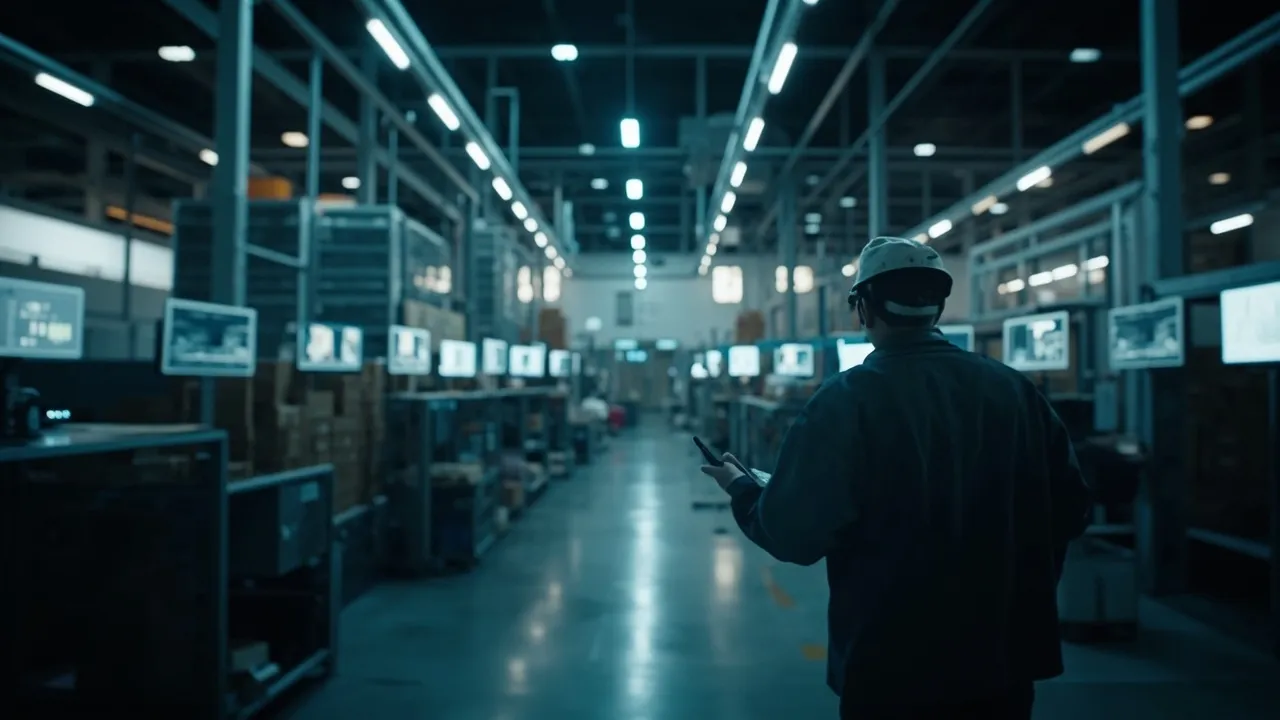
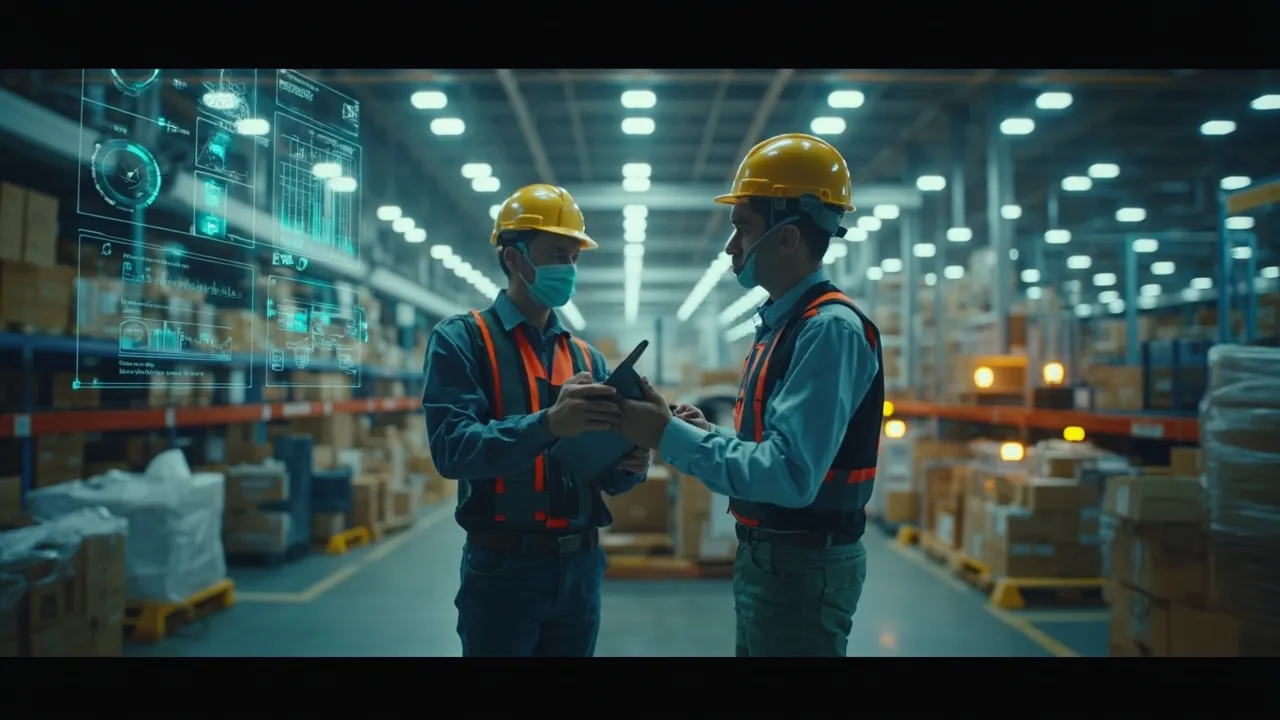
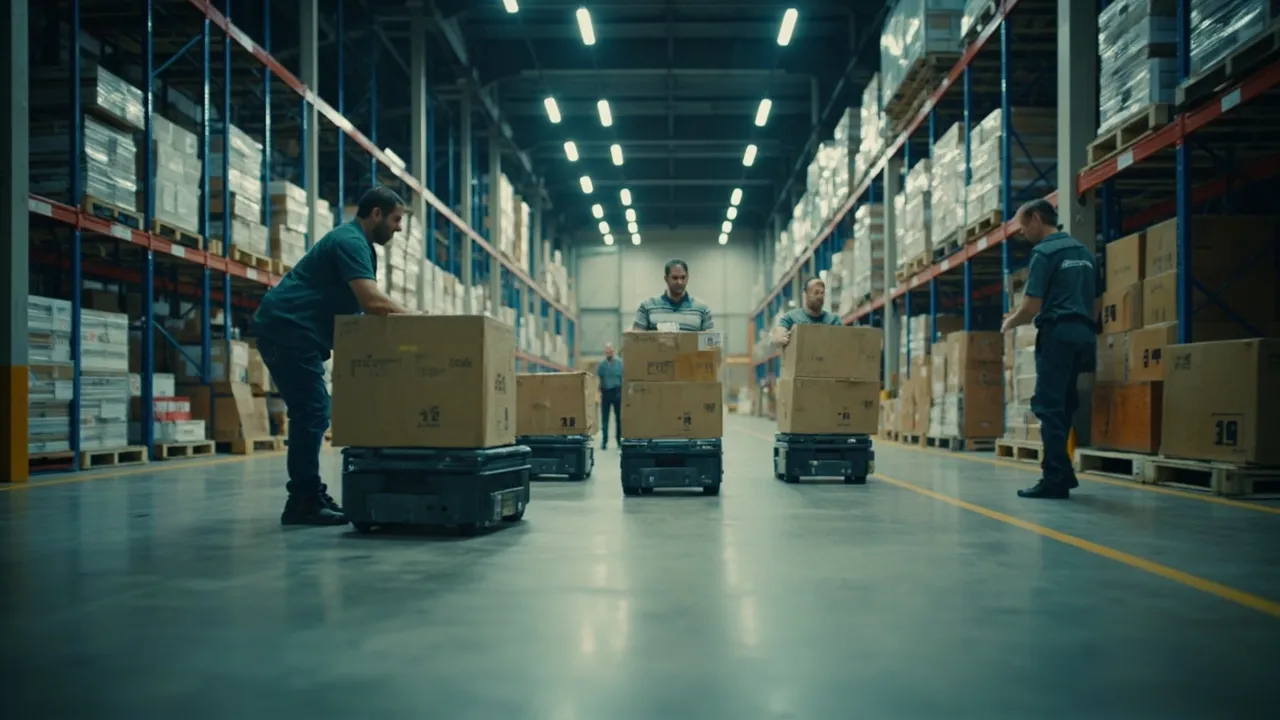
E-Commerce Fulfillment Is Moving From Pick-and-Pack Zones to Container-Aware Workstations

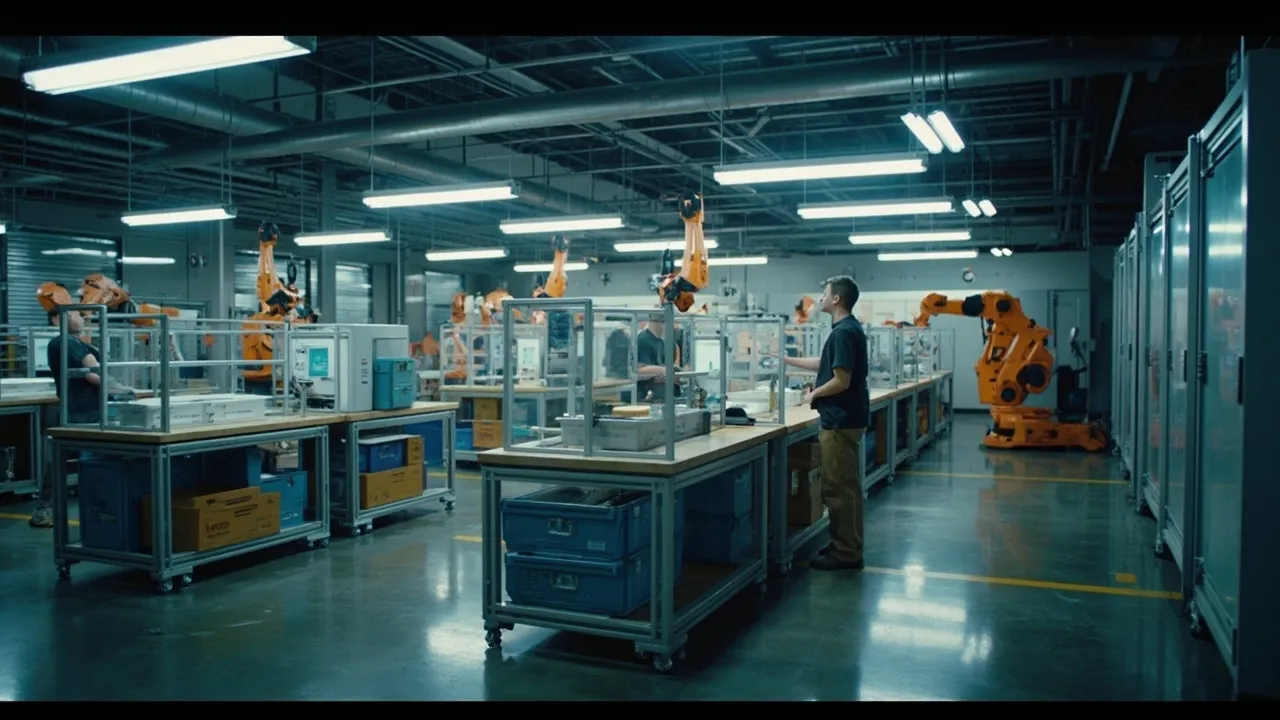
E-commerce fulfillment is being redesigned around a deceptively simple question: what container should this order move in, right now?
That sounds smaller than artificial intelligence, robotics, or automated storage, but it may be the more useful operational breakthrough. For years, many fulfillment centers improved individual steps: faster picking, better packing benches, more scanners, smarter sorters, cleaner parcel visibility. The next phase is different. The work is collapsing into integrated stations where the system understands the item, the order, the container, the downstream carrier path, and the customer promise at the same time.
That is why container-aware fulfillment matters. It reduces touches. It improves dimensional accuracy. It helps control packaging waste. And it gives transportation teams better data before a parcel label, LTL quote, customs document, or customer delivery update is created.
Inbound Logistics recently highlighted Exotec's Skypod system as part of its e-commerce innovation roundup. The system eliminates separate picking and packing zones and can process up to 600 bins per hour at each workstation. It stores and retrieves different packaging types and sizes, then matches orders with the right container at the workstation. Operators pick directly from one bin into one fulfillment container.
That detail is the real story. Fulfillment productivity is no longer just about how quickly a worker can pick units. It is about how quickly an operation can create a shipment-ready container with fewer decision handoffs.
The pick-pack wall is starting to come down
Traditional pick-and-pack design made sense when order profiles were simpler and labor was cheaper. Pickers collected units, orders moved to pack stations, packers chose cartons, labels were applied, and then parcels entered induction, sortation, or staging. Each handoff created a small opportunity for delay, error, damage, void fill, dimensional mismatch, or missed cutoff.
E-commerce made those handoffs more painful. Order profiles are smaller, SKU variety is wider, returns are more common, and customers expect fast status updates. A fulfillment center can no longer treat cartonization as a late-stage packing decision after the operationally expensive work has already happened.
Container-aware workstations move that logic upstream. The system does not merely ask, "Where is this item?" It asks: what order is this item attached to, what container should it enter, what other units are coming, what carrier service is likely, what dimensional data matters, and what deadline must be protected?
That is a better unit of design for modern fulfillment. The workstation becomes a point of orchestration, not just a place where labor happens. Supply Chain Dive has documented the same automation pressure, reporting that warehouse robotics use is expanding beyond only the largest companies as operators weigh where automation actually improves efficiency. That makes workstation-level orchestration a near-term architecture issue rather than a futuristic concept.
Market growth is forcing better architecture
The business case is not theoretical. Mordor Intelligence projects the North America e-commerce warehouse market at USD 13.45 billion in 2026, rising to USD 16.45 billion by 2031, a 4.1% CAGR. Beneath that moderate headline growth is a sharper operating shift: fulfillment centers held 43.47% market share in 2025, fully automated sites are forecast to grow at an 8.42% CAGR from 2026 to 2031, and value-added services are projected to expand at an 8.81% CAGR.
Those numbers point to a more complicated warehouse economy. Facilities are not just storing goods and shipping boxes. They are handling personalization, kitting, returns, pallet and parcel demand in the same footprint, and higher customer expectations. Mordor also notes that free-return policies are forcing retailers to dedicate 15% to 20% of total footage to reverse-logistics zones.
That creates pressure on every square foot and every touch. If a facility can compress pick, pack, carton selection, verification, and parcel readiness into fewer steps, it does more than save labor. It increases usable capacity, reduces congestion, and makes execution more predictable during peak periods.
Automation projects have to connect
The danger is buying automation as a series of impressive islands.
Inbound Logistics' same roundup includes pallet shuttles for high-density storage, flexible bin systems for wider SKU coverage, autonomous inventory audits that sync with warehouse management systems, cube storage, parcel visibility tools, overhead conveyors, and IoT sensing. Each tool solves a real problem. None of them creates a modern fulfillment operation by itself.
Logistics Management's 2026 technology roundtable gets to the larger point: supply chain technology is shifting from visibility to execution. The article argues that organizations are moving beyond dashboards toward systems that can act on information, while warehouse experts emphasize orchestration and integration as the practical differentiators. One cited example is slotting optimization, where adaptive models can reduce warehouse travel time by 10% to 20%.
For e-commerce fulfillment, orchestration means automated storage, workstation logic, inventory accuracy, cartonization, parcel rating, carrier cutoffs, and customer notifications cannot be separate projects with separate data definitions. They have to behave like one flow.
A workstation that chooses the right container is only as good as the item dimensions, order rules, carrier options, and service commitments feeding it. A pallet shuttle that improves storage density still has to support replenishment timing. An inventory robot that images locations more frequently only creates value if exceptions change allocation decisions before the customer is disappointed.
Container data is transportation data
This is where warehouse automation becomes a transportation management issue.
Container selection determines cube, weight, dimensional rating, package count, freight class signals, parcel service eligibility, documentation requirements, and delivery promise confidence. If that information appears late, transportation teams are forced into reactive mode. They discover package realities after rating assumptions, customer commitments, and pickup plans have already been made.
Forwarders and 3PLs feel this acutely because they often sit between fulfillment operations, carriers, customs workflows, and customers. A warehouse may think in bins, totes, cartons, pallets, and waves. The transportation side thinks in shipments, services, rates, documents, milestones, exceptions, and margin. Container-aware fulfillment is valuable because it creates a cleaner bridge between those languages.
The practical payoff is straightforward. Better container data can reduce re-rating surprises, avoid unnecessary dimensional-weight penalties, improve parcel induction, support cleaner export documentation, and make customer updates more accurate. It can also help identify when an order should shift from parcel to LTL, when consolidation makes sense, or when a carrier cutoff is at risk.
The winning metric is promise reliability
Warehouse teams will still measure units per hour, lines per labor hour, cost per order, and dock-to-stock cycle time. They should. But container-aware fulfillment adds a more strategic metric: promise reliability.
Can the operation convert demand into a correctly packed, accurately rated, documented, trackable shipment before the promised cutoff? Can it do that without wasting packaging, splitting orders unnecessarily, or creating transportation exceptions downstream?
That is the standard e-commerce fulfillment now has to meet. Speed alone is not enough. The work has to be physically efficient, data-rich, and transportation-ready.
CXTMS is built for that connected layer. When fulfillment data flows into rating, booking, documentation, tracking, exception management, and customer communication, logistics teams can turn warehouse automation into better delivery performance instead of isolated productivity gains.
If your team is modernizing e-commerce fulfillment and needs transportation execution to keep pace with container-aware warehouse operations, schedule a CXTMS demo.