ISPM 15 Pallet Stamp Enforcement: How One Missing Hyphen Can Delay U.S.-Bound Freight

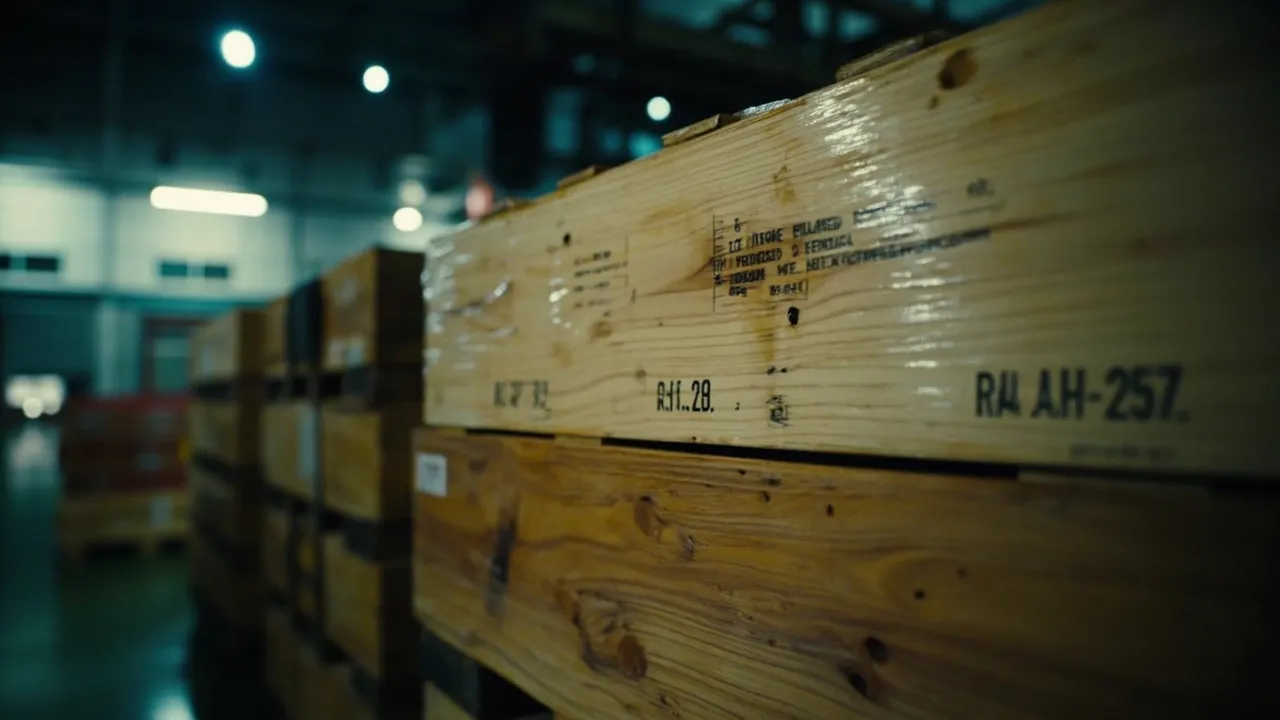
A pallet stamp is not paperwork, but in 2026 it can behave like paperwork at the border.
That is the uncomfortable lesson behind renewed U.S. scrutiny of ISPM 15 markings on solid wood packaging. According to Inbound Logistics, U.S. authorities resumed tighter enforcement on January 1, 2026 of a deceptively small formatting requirement: the two-letter country code and treatment facility number on the IPPC mark must be clearly separated by a hyphen. For a U.K. pallet, GB-1234 is the clean format. GB 1234 or GB1234 can invite closer inspection.
The rule itself is not new. ISPM 15 is the international phytosanitary standard for wood packaging material such as pallets, crates, and dunnage. It exists to reduce the risk of invasive pests moving across borders in untreated wood. What changed is enforcement posture. A grace period around the hyphen detail ended on December 31, 2025, and U.S.-bound exporters are now facing the practical reality that “close enough” pallet markings may not be close enough for port inspection.
For logistics teams, this is bigger than a stamp. It is a reminder that freight execution depends on physical compliance data as much as customs entries, commercial invoices, and bills of lading.
Why the hyphen matters
To a warehouse team, the missing hyphen looks trivial. To an inspector, it is a traceability problem.
The ISPM 15 mark tells authorities where the wood packaging was treated and which approved facility applied the treatment. If the country code and facility code are not separated cleanly, inspectors have to spend more time determining whether the packaging is genuinely compliant. That uncertainty can trigger inspections, rework, fumigation, repalletizing, or cargo holds.
The operational consequences are not theoretical. Inbound Logistics notes that some ports have limited capacity to repalletize or treat suspect wood packaging, which means a formatting defect can turn into dwell time, additional handling, extra charges, and missed delivery appointments. A pallet problem that could have been spotted in thirty seconds at origin becomes expensive once the cargo is already sitting at a U.S. port of entry.
That is why this deserves attention from transportation, trade compliance, warehouse operations, and procurement at the same time. The pallet is not just a platform under the freight. It is part of the compliance record.
Packaging compliance is now freight-risk management
Pallets are everywhere, which is exactly why small defects scale quickly. Logistics Management has reported that nearly 1.2 billion pallets circulate in the United States on a daily basis, with wood representing the bulk of the pool. The same article notes that wood pallet manufacturers have adapted treatment, repair, and recycling practices to meet ISPM 15 requirements, including heat treatment or methyl bromide treatment for pallets shipped internationally.
That volume creates two risks for exporters. First, older pallet stock may still be structurally usable but carry marks that are faded, covered, inconsistent, or formatted for markets where the U.S. hyphen requirement was not enforced as tightly. Second, reused pallets introduce more variation. A repaired pallet can be physically sound while still creating an inspection question if the mark is hard to read or obscured by stretch wrap, labels, or strapping.
This is the part many freight teams underestimate. Packaging compliance is not only about whether the pallet was treated. It is about whether the shipment can prove that treatment quickly enough at the inspection point.
Trade compliance is getting more data-sensitive
The pallet-stamp issue fits a broader pattern: U.S. import and export workflows are becoming less tolerant of messy data. Reuters recently reported that more than 330,000 importers paid disputed tariffs across 53 million shipments, with 56,497 importers completing steps by April 9 to receive electronic refunds totaling $127 billion through a new customs refund process. That story is about tariffs, not pallets, but the lesson is the same: exact names, entry data, portal records, and evidence matter.
In that environment, physical shipment details cannot live outside the system of record. If the TMS or shipment workflow captures packaging compliance earlier — supplier confirmation, pallet type, ISPM 15 treatment, stamp photo, exception approval — the issue becomes manageable before it becomes a border event.
A practical audit workflow
Exporters, importers, and forwarders do not need a giant compliance project to reduce this risk. They need a repeatable checkpoint.
Start with supplier and pallet-pool requirements. For any U.S.-bound shipment using solid wood packaging, purchasing documents and routing instructions should specify ISPM 15-compliant pallets with correctly formatted IPPC marks. Do not rely on generic “export pallet” language. Spell out that the country code and facility number must be separated with a hyphen for U.S.-bound freight.
Next, add photo evidence at origin. Warehouse teams should capture at least one clear image of the mark before loading, especially for high-value, time-sensitive, or ocean freight shipments where rework at destination would be painful. The mark should be visible on at least two opposite sides of the pallet, not buried under stretch wrap or hidden by labels.
Then define exception rules. If a pallet reads GB1234 instead of GB-1234, if the mark is faded, or if reused pallet repairs make the marking ambiguous, the shipment should not simply move forward because the truck is waiting. It should trigger a defined workflow: swap the pallet, get supplier confirmation, use new heat-treated pallets, or escalate to compliance before tender.
Finally, make the check visible to transportation planning. A shipment with unresolved packaging risk should not be treated like clean freight. It may need more buffer, different consolidation handling, or even a hold until the packaging defect is corrected.
What forwarders should do for customers
Forwarders are in a useful position because they see the failure points across many shippers. The best response is to turn ISPM 15 enforcement into a customer-facing control, not a surprise charge after the fact.
Build a simple U.S.-bound pallet checklist into export booking. Ask whether the shipment uses solid wood packaging. Confirm ISPM 15 treatment. Require clear stamp visibility. Capture photos for reused pallets. Flag exceptions before pickup. If a customer regularly ships from suppliers using inconsistent pallet stock, make that visible alongside detention, demurrage, customs holds, and claims.
The conversation should not be alarmist. A missing hyphen does not mean every shipment will be rejected. But it does increase scrutiny risk, and scrutiny is the enemy of predictable freight execution.
The TMS angle: compliance belongs in the workflow
The worst place to manage packaging compliance is in email threads after freight is already delayed. The better place is inside the execution workflow where booking, supplier readiness, document collection, inspection evidence, and exception handling live together.
CXTMS helps logistics teams make those operational controls repeatable. When shipment data, compliance checkpoints, supplier evidence, and exception workflows sit in one transportation management system, a pallet stamp stops being a last-minute warehouse detail and becomes a managed trade-compliance field.
If your team ships U.S.-bound freight and still handles packaging compliance with tribal knowledge and inbox archaeology, it is time to tighten the workflow. Schedule a CXTMS demo to see how better execution data can keep small compliance details from becoming expensive freight delays.