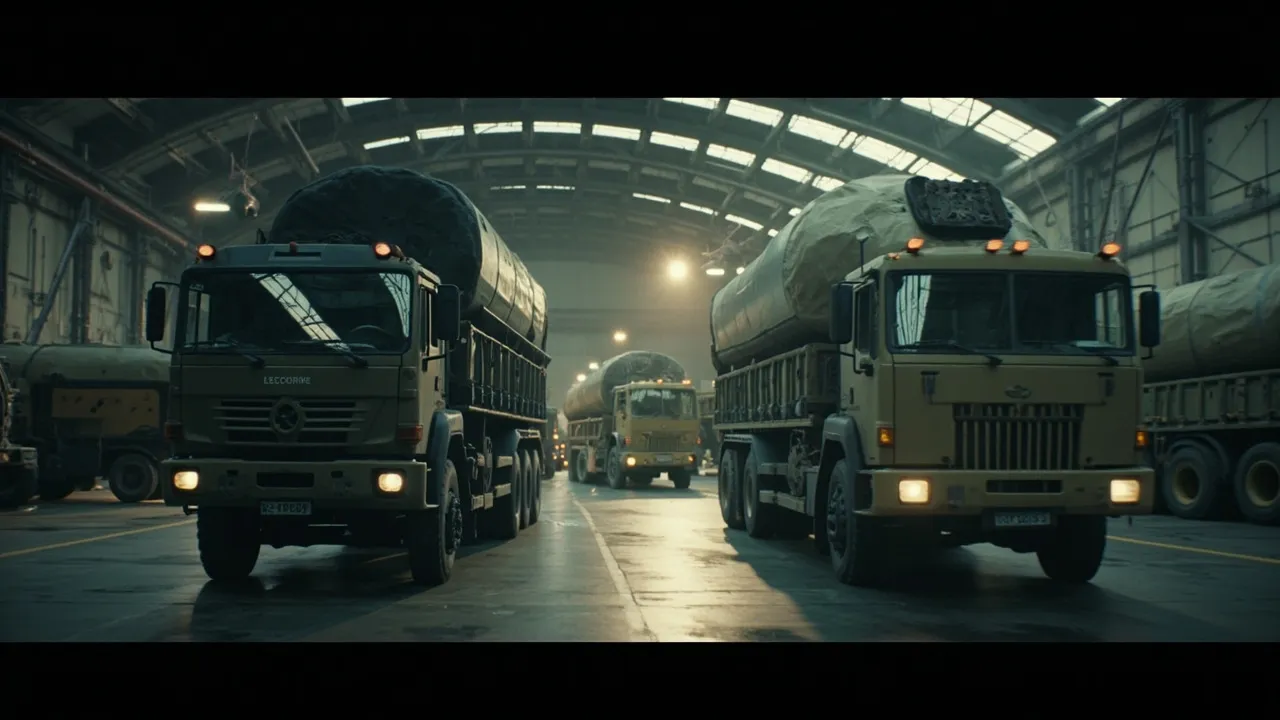
Defense Logistics at Scale: What a $2.3 Billion ChemPOL Contract Reveals About Chemical and Oil Supply Chain Discipline

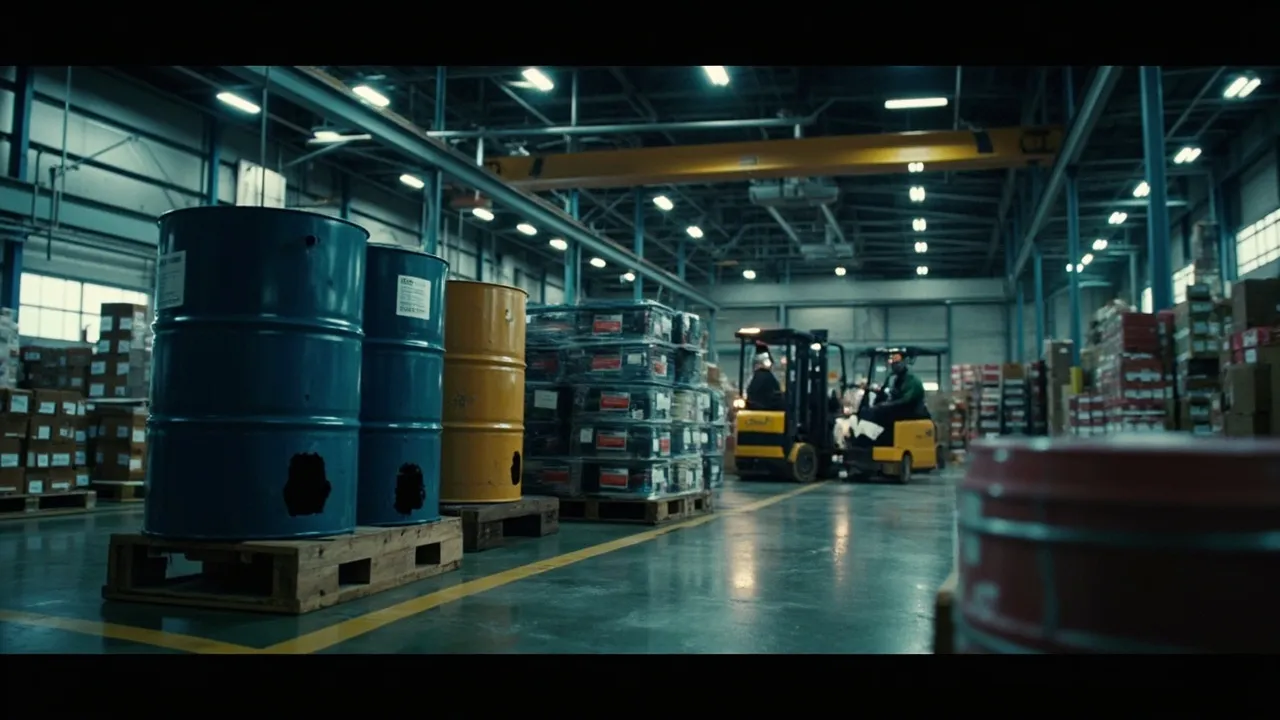
Chemical and petroleum logistics do not forgive sloppy operations. The cargo is sensitive, the compliance burden is heavy, and the cost of failure is ugly. That is why the newest Defense Logistics Agency ChemPOL award is worth paying attention to, even if you do not move a single military shipment.
In January, Reuters reported that ASRC Federal won a contract worth up to $2.3 billion to manage chemical and oil supply chains for the Defense Logistics Agency. The scale is the part that should make civilian operators sit up: the work supports roughly 17,000 delivery orders per month across a global network.
That is not just a big contract. It is a case study in what disciplined commodity logistics looks like when failure is not an option.
Why ChemPOL scale matters
DLA ChemPOL covers critical commodities including chemicals, packaged petroleum, oils, and lubricants. Those products sound boring until you remember what they imply operationally: hazardous material controls, strict storage conditions, product integrity checks, approved handling procedures, traceability, and near-zero tolerance for misrouting.
At 17,000 delivery orders each month, the operation averages more than 550 orders a day if volume were spread evenly. Real networks are never that smooth, of course, which makes the underlying requirement even clearer. To perform at that level, the operator needs repeatable planning, clean master data, disciplined vendor controls, and tight execution across warehouses, carriers, and receiving sites.
Commercial shippers in chemicals, industrial supply, automotive fluids, energy support, and maintenance parts live with many of the same constraints. They may not have defense budgets or mission profiles, but they absolutely have the same exposure to stockouts, compliance penalties, and service failures.
The real lesson is not size. It is control.
People see a multibillion-dollar contract and assume the advantage is pure scale. That is the wrong read. The real advantage is control.
Defense-grade logistics systems are built around a simple truth: if the commodity is critical, you do not leave planning to spreadsheets, tribal knowledge, and last-minute heroics. You build controlled workflows and make sure every participant follows them.
That matters more in 2026 because supply chains are getting more political, not less. Reuters reported in January that French aerospace leaders warned about the growing "weaponisation" of global supply chains, and that 90% of the sector's rare earth needs were still supplied by China. That is aerospace, not lubricants, but the lesson translates perfectly. If critical inputs can be squeezed by geopolitics, secure sourcing and controlled distribution stop being procurement theory and become operating discipline.
The same pattern showed up again in April, when Reuters reported that REalloys and U.S. Critical Materials agreed to build a domestic rare-earth supply chain, including up to 10% offtake from the Sheep Creek deposit in Montana. The deal is about minerals, not packaged petroleum, but it reinforces the same point: resilient supply chains now depend on knowing where supply comes from, how it is processed, and who controls the handoffs.
What commercial shippers should steal from the defense playbook
The best defense logistics habits are not mysterious. They are just executed with much more rigor than most commercial networks can tolerate until something breaks.
1. Treat critical commodities differently from ordinary freight
Not every SKU deserves the same operating model. Chemicals, lubricants, maintenance fluids, and other regulated products should sit in a separate planning tier with tighter replenishment rules, stricter carrier qualification, and clearer exception workflows.
If your team handles hazmat and non-hazmat freight through the same loose process, that is not efficiency. That is begging for an incident.
2. Design for chain of custody, not just on-time delivery
Civilian supply chains often obsess over whether the shipment arrived on time while paying less attention to product handling discipline along the way. In chemical and oil logistics, chain of custody matters just as much as speed. Who touched the freight, where it sat, whether packaging remained intact, and whether documentation stayed synchronized all matter.
A shipment that technically arrives on time but fails a receiving inspection is still a failure.
3. Build sourcing redundancy before disruption shows up
A lot of supply chains still act shocked when critical materials become geopolitical leverage. They should not be. If defense and aerospace operators are worrying about concentrated supply risk, commercial networks should stop pretending single-source convenience is a strategy.
The smart move is boring and expensive in the short term: qualify backup suppliers, diversify regions when possible, and document substitute-material or substitute-lane options in advance. Boring wins.
4. Run execution through systems, not improvisation
An operation handling thousands of sensitive orders per month cannot depend on memory and inboxes. It needs structured approvals, exception tracking, status visibility, and auditable workflows.
That is where transportation and logistics software earns its keep. The more regulated the freight, the more dangerous manual coordination becomes.
Where this hits civilian networks first
Commercial operators should pay closest attention in four sectors: industrial chemicals, field-service supply, energy support logistics, and maintenance-heavy manufacturing. These businesses often move products that are operationally critical but commercially under-managed. They get treated like routine freight until there is a shortage, a compliance miss, or a plant disruption.
The ChemPOL contract is a reminder that mature operators do the opposite. They assume critical supply chains deserve tighter planning every day, not just during a crisis.
That mindset is worth stealing.
The bottom line
ASRC Federal's $2.3 billion ChemPOL award is not just defense-sector news. It is a blunt example of how serious commodity logistics actually works when the network has to perform under pressure. With roughly 17,000 delivery orders each month, the contract highlights the importance of secure sourcing, controlled distribution, auditable execution, and compliance-first operations.
Commercial shippers moving chemicals, oils, lubricants, and other sensitive commodities should take the hint. The gap between defense logistics and civilian logistics is not that the military cares more. It is that it operationalizes discipline earlier.
That is a habit worth copying before the next disruption makes it mandatory.
Want tighter control over regulated freight, replenishment planning, and exception handling for sensitive commodity flows? Book a CXTMS demo to see how CXTMS helps logistics teams run disciplined supply chains without the chaos.