Amazon's 1-Hour Delivery Arms Race: What the Speed War Means for Every E-Commerce Shipper's Fulfillment Strategy


Amazon is no longer competing with retailers. It's competing with convenience itself—and that changes the math for every brand that ships physical goods.
In March 2026, Amazon rolled out one-hour and three-hour delivery options for Prime members across the United States. The pricing is tiered: $9.99 for one-hour delivery, $4.99 for three-hour delivery, with availability in hundreds of cities and expanding. Non-Prime members pay $19.99 and $14.99 respectively. The offering covers over 90,000 products, from household essentials to electronics and OTC medications.
This isn't a pilot. It's a permanent shift in what "fast" means.
The Baseline Just Moved
Amazon has been training consumers for two decades. Same-day went from premium to standard. Two-day went from standard to floor. Now one-hour is becoming a real option—not for everything, not everywhere yet, but enough to reframe expectations.
Consider the numbers: 80% of shoppers now expect same-day delivery, according to recent industry research, and 61% expect their packages to arrive within one to three hours of ordering. Among consumers aged 18 to 34, that expectation is even sharper—51% expect same-day delivery as baseline. For context, 49% of customers say they're more likely to shop with a retailer that offers same-day delivery, making delivery speed a direct conversion driver, not just a customer service feature.
The National Retail Federation has documented the shipping expectation gap for years: 75% of U.S. consumers expect free shipping on orders under $50. Retailers who built their margins around flat-rate shipping five years ago are now absorbing cost increases while customers demand more speed for the same price—or less.
What's Actually Happening in Fulfillment Networks
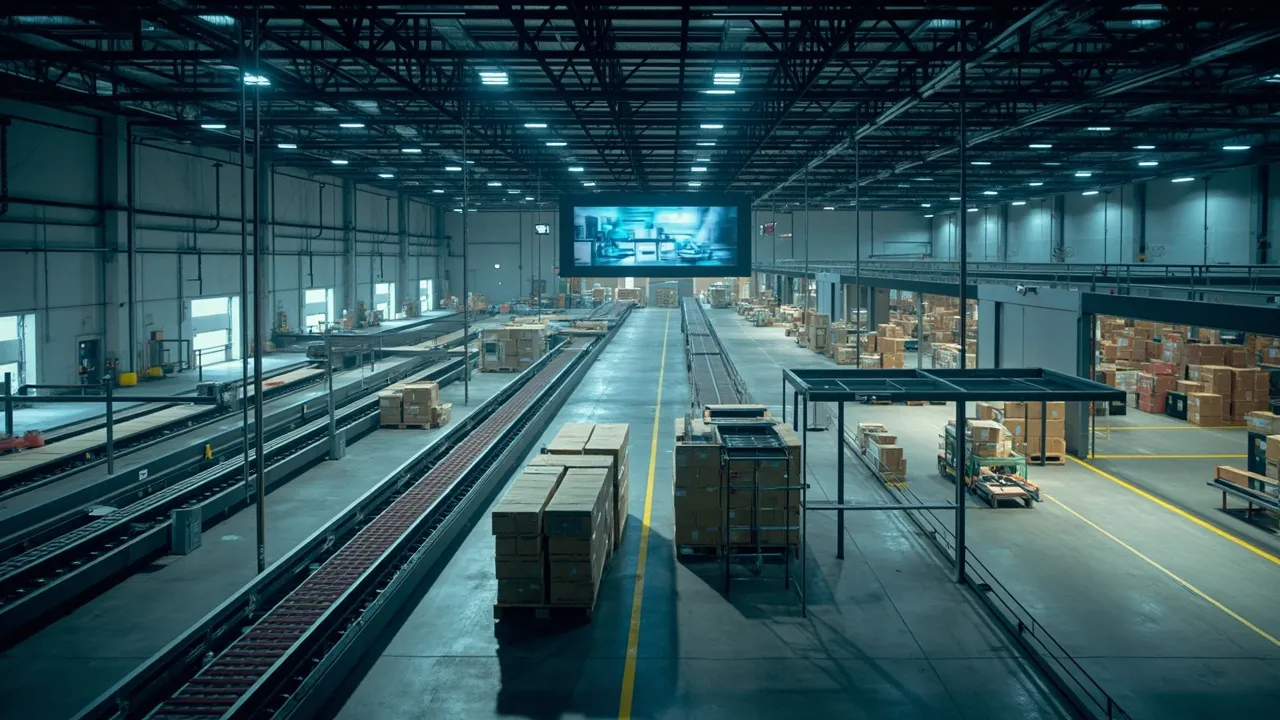
Amazon's move is enabled by infrastructure, not just ambition. The company has spent years densifying its same-day fulfillment footprint—positioning inventory in urban micro-fulfillment centers, same-day delivery stations, and facilities close enough to consumers that the last mile becomes a 15-minute problem instead of a two-day promise.
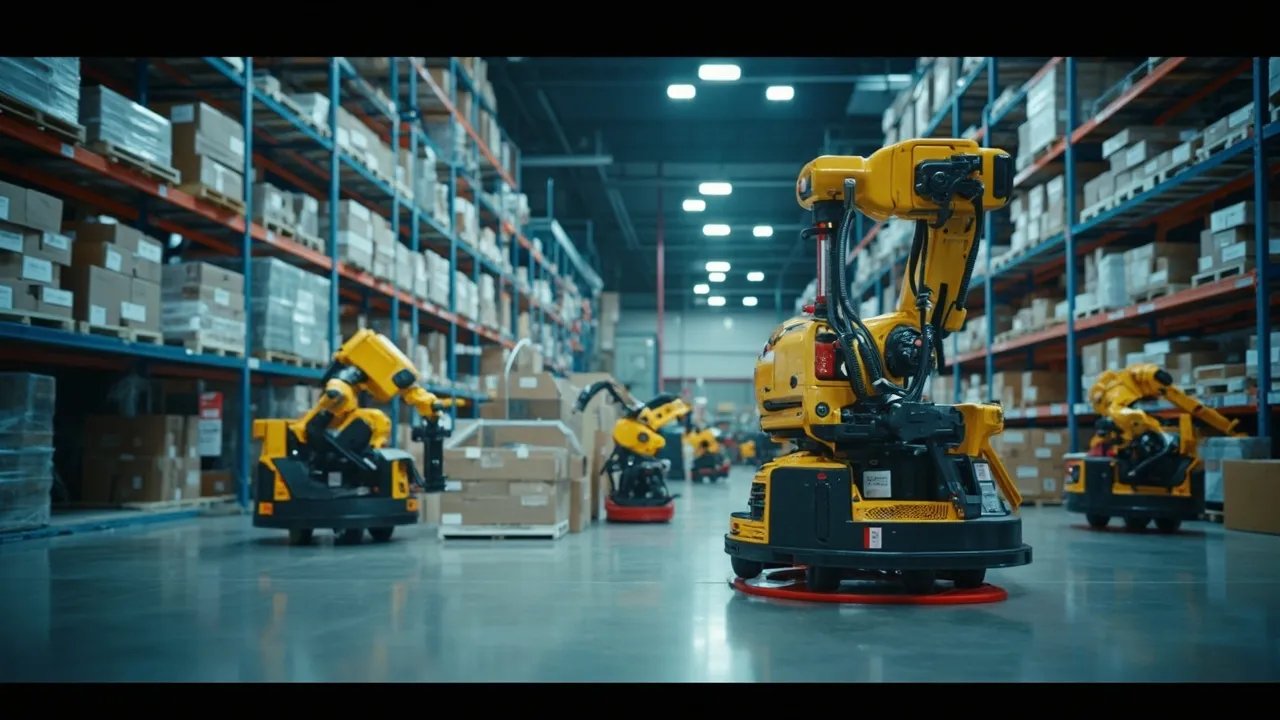
The broader industry is following. The micro-fulfillment center market is projected to reach $10 billion by 2026, according to industry analysis. 64% of retailers plan to expand automated micro-fulfillment centers within the next five years. These aren't Amazon-scale operations, but they're not trying to be. A 10,000-square-foot micro-fulfillment center in a suburban strip mall can serve a 5-mile radius with one-hour capability— economics that simply didn't work five years ago.
Regional carriers and last-mile platforms are building around this expectation too. The infrastructure for ultra-fast delivery is becoming accessible to mid-market shippers through aggregation platforms that pool demand across multiple retailers, achieving the density that makes single-hour delivery economically viable.
The Non-Amazon Shipper's Dilemma
Here's the tension: most brands can't build 90,000-SKU micro-fulfillment networks in major metros. They also can't absorb $9.99 per-delivery fees as a standard cost of doing business. But their customers are increasingly calibrated to a world where one-hour delivery exists—even if they rarely use it.
The psychological effect is real. When one-hour is an option, two-day feels slow. When two-day feels slow, customers start shopping elsewhere for the next purchase.
So what does a brand do?
The answer isn't matching Amazon's speed. It's matching Amazon's intelligence.
Multi-carrier optimization is the practical lever. A TMS that can evaluate ground, regional parcel, and last-mile carrier options in real time—factoring in cost, transit time, and package characteristics—lets shippers offer competitive delivery windows without building their own infrastructure. A customer in Phoenix who orders at 9 AM can be offered same-day delivery through a regional carrier partnership, while a customer in rural Montana might see two-day as the best available option. The platform handles the logic; the brand controls the experience.
This is where fulfillment strategy and transportation technology converge. You can have the most accurate inventory positioning in the world, but if your transportation layer can't execute flexible delivery options at competitive rates, you're leaving conversion on the table.
What Shippers Should Be Doing Now
If you're still evaluating carrier selection based primarily on rate per shipment, you're operating with a 2019 framework. The 2026 evaluation criteria include:
- Delivery speed options: What percentage of your shipments can you offer same-day or next-day?
- Regional carrier access: Are you only using the big three parcel carriers, or are you integrated with regional last-mile platforms?
- Cost-per-delivery by speed tier: What's your actual cost to offer a one-hour, three-hour, same-day, and two-day option? Do you know?
- Inventory placement: Are you holding inventory close enough to your customer concentrations to compete on speed?
The shippers winning in this environment aren't necessarily the ones with the biggest logistics budgets. They're the ones with the best visibility into their options and the operational flexibility to execute against them.
The Speed War Isn't Going to Slow Down
Amazon didn't invent the one-hour delivery expectation—it just made it a real data point in a negotiation that's happening in every consumer's head every time they shop. The brands that treat this as a logistics problem and not just a customer service enhancement will be the ones that stay relevant as the floor continues to rise.
The question isn't whether to invest in fulfillment speed. It's whether you have the transportation infrastructure to compete at the speed the market now expects.
If you're evaluatingTMS platforms for your freight operations, CXTMS provides multi-carrier optimization tools designed for freight forwarders and logistics companies managing complex, high-volume shipments. Book a demo to see how CXTMS handles the transportation layer so you can focus on growing your business.
Sources: Amazon press release, National Retail Federation, sellerscommerce.com, ringly.io, roadie.com