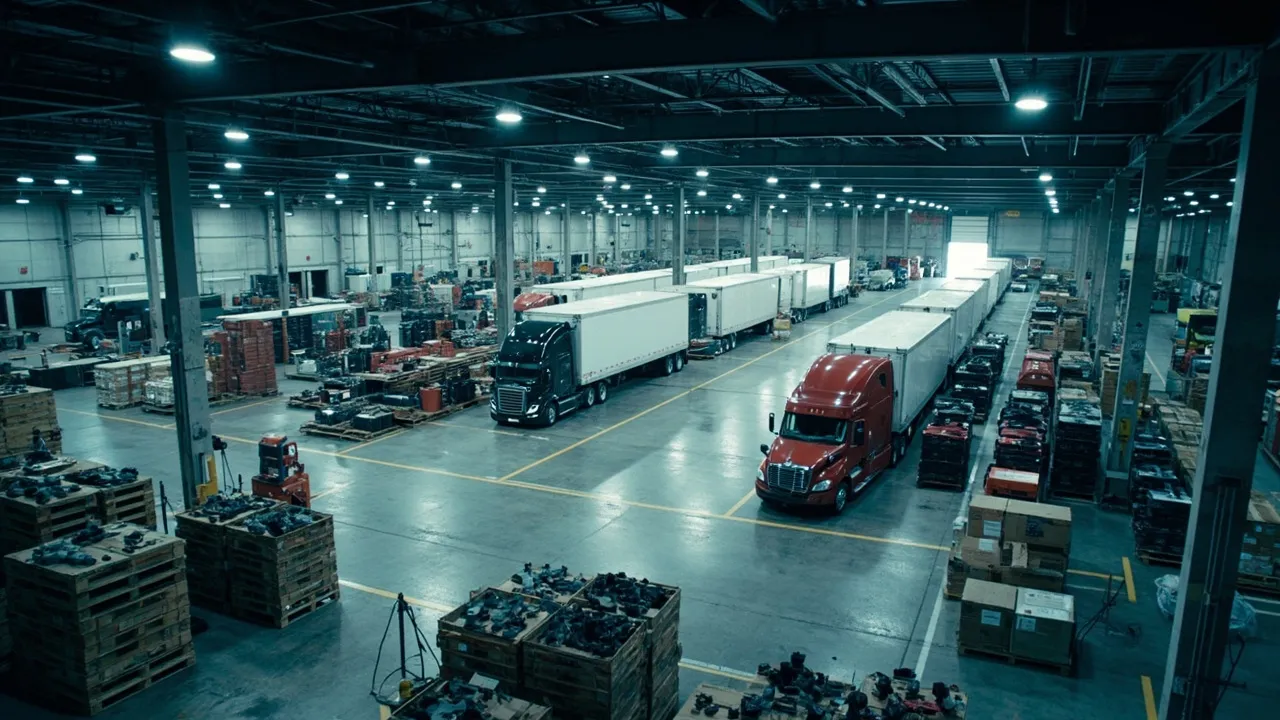
Toyota's Supply Chain Leadership Shift Shows Execution Design Is Becoming a Board-Level Job

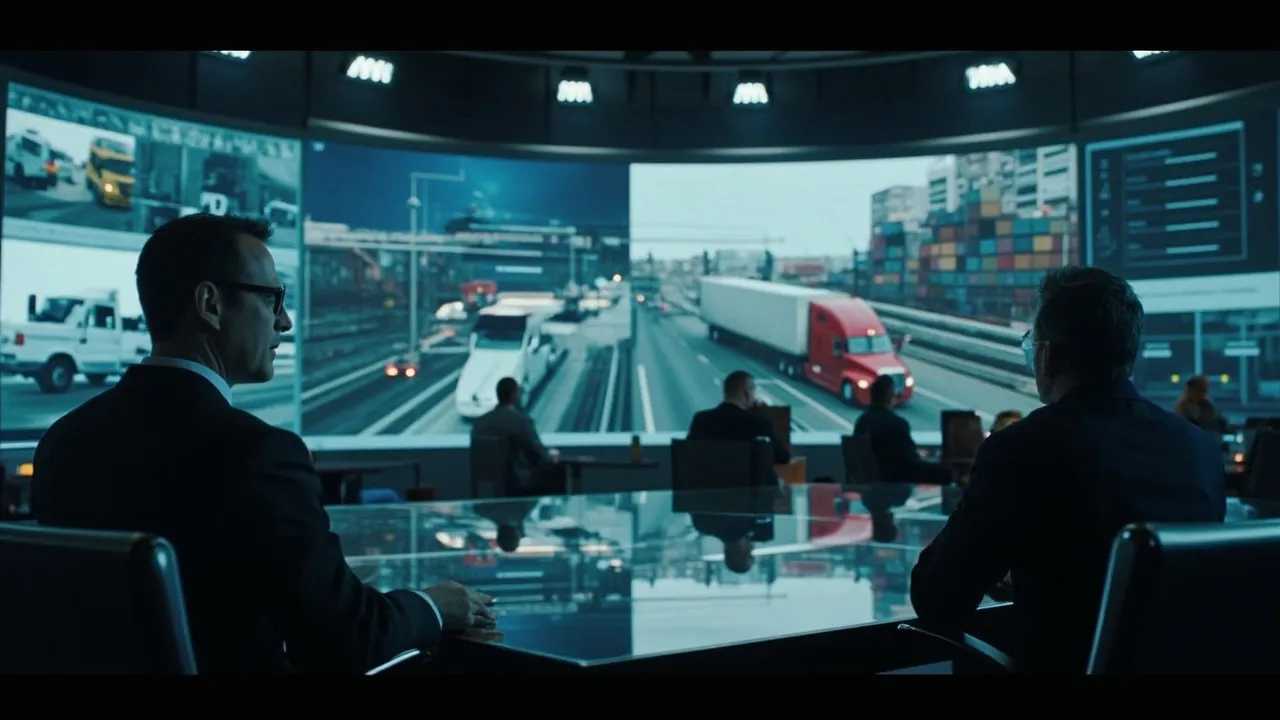
Automotive supply chain leadership used to be easy to describe from a distance: procurement bought parts, manufacturing built vehicles, logistics moved finished units, and dealers dealt with the customer-facing consequences.
That model is too slow for the operating reality automakers face now.
Supply Chain Dive reported that Toyota Motor North America is making several supply chain and manufacturing leadership changes effective July 13, following a June 19 company announcement. The changes expand responsibilities for Group VP of Supply Chain Kevin Austin and Group VP of Vehicle Supply Chain Kensuke Morita. Austin will add quality while continuing to lead network strategy and operations. Morita will add tech transformation, demand and supply management, strategy, and project planning and management.
Toyota also adjusted leadership roles across manufacturing regions including Kentucky, Mississippi, Texas, and Guanajuato, Mexico. That detail matters. This points to a broader execution question for automotive networks: who owns the operating design that connects plant output, inbound components, finished-vehicle allocation, rail and port capacity, dealer delivery, and exception recovery?
Vehicle Flow Is Not One Process
Inbound parts must arrive in sequence with production requirements. Plant output must match demand signals and allocation rules. Finished vehicles may move by yard shuttle, rail, truck, vessel, port processor, or dealer carrier. Each milestone has a different owner and a different failure pattern.
A late inbound component can slow a production schedule. A production mix change can alter vehicle allocation. A rail delay can crowd a yard. A port processing issue can hold finished units that dealers already expect. The physical asset is a vehicle, but the operating problem is synchronization.
That is why Toyota's changes are interesting. Putting network strategy, operations, quality, vehicle supply chain, technology transformation, demand and supply management, and project planning into a tighter leadership structure suggests that execution design is becoming part of the executive agenda. The automaker is not simply asking one team to move freight. It is aligning the responsibilities that decide whether the vehicle-flow system can respond when conditions change.
Quality Belongs in the Flow Conversation
In automotive, quality is not only a plant metric. It affects logistics timing, release rules, yard holds, dealer readiness, rework capacity, and customer delivery promises. A quality hold at the wrong point in the network can trap finished vehicles, consume yard space, disrupt outbound planning, and force logistics teams to rebuild delivery schedules after the original carrier plan has already moved on.
The same logic applies to inbound components. If a supplier issue triggers inspection or containment, the logistics team needs more than a late-shipment alert. It needs to know which production slots, lanes, and downstream commitments are exposed.
Execution design solves that by defining the operating rules before the disruption. Which quality events create shipment holds? Which holds require dealer notification? Which exceptions trigger mode changes? Which problems require regional capacity decisions? These are governance questions.
Technology Transformation Needs Ownership
Morita's expanded role includes tech transformation along with demand and supply management. That combination is the right one.
Automotive supply chains are full of digital signals: production schedules, allocation plans, supplier ASNs, yard scans, rail events, port milestones, truck tenders, dealer appointments, and customer commitments. The hard part is not collecting events. The hard part is turning events into owned decisions.
The same trend is visible outside automotive. In a separate leadership move, Supply Chain Dive reported that Kraft Heinz is combining procurement and supply chain under one global function effective July 1. The company said the move is intended to manage its end-to-end value chain more effectively and strengthen supply chain resilience. Kraft Heinz also named Janelle Aydin global chief procurement and supply chain officer, while its former global chief supply chain officer will remain as an adviser through the transition.
The industries are different, but the operating lesson is similar. Companies are compressing the distance between strategic decisions and execution consequences. Procurement, supply planning, manufacturing, quality, and logistics cannot optimize independently when the network needs one answer.
For automakers, technology transformation should therefore be measured less by the number of systems deployed and more by whether the organization can answer practical execution questions faster. Which vehicles are delayed and why? Which dealers are affected? Which milestone is the true bottleneck? Which exception owner is accountable?
If the technology cannot answer those questions in workflow form, it is still just visibility.
Board-Level Means Exception-Level
Vehicle networks are capital intensive. Inventory is expensive. Dealer relationships are sensitive. Customer wait times can shape brand perception. Regulatory, quality, and documentation requirements add more control points. A disruption that begins as a component shortage, rail delay, port hold, or quality issue can quickly become a revenue, margin, and customer-experience issue.
That is why leadership design matters. The organization needs clear ownership for exceptions that cross departments. It also needs common milestones that let teams discuss the same reality: supplier ready, inbound departed, plant received, build complete, quality released, yard staged, rail loaded, port processed, carrier dispatched, dealer delivered.
Without that common language, teams argue from different systems. Manufacturing sees build completion. Logistics sees unavailable transport capacity. Sales sees dealer commitments. Quality sees holds. Nobody has the full execution picture.
The better model is a production-to-delivery control layer. It does not replace ERP, manufacturing execution, yard management, rail systems, carrier portals, or dealer platforms. It connects them around accountable milestones and exception workflows.
What Automotive Leaders Should Standardize
Automotive supply chain teams should start by standardizing milestone definitions across production, quality, logistics, and dealer delivery. A "ready" vehicle should mean the same thing to every team. A hold should carry a reason code, owner, severity, and expected release time.
They should also define exception ownership by flow, not department. A vehicle delayed after production release may involve plant operations, yard management, rail capacity, port processing, and dealer communication. The workflow needs one accountable owner.
Carrier performance should be tied to production-to-delivery milestones rather than narrow tender metrics. On-time pickup matters, but so do yard dwell, rail handoff quality, port recovery, damage rate, and dealer appointment reliability.
Finally, technology transformation should prioritize decision speed. The system should show what changed, who owns it, what the impact is, and what action is available now.
Toyota's leadership changes are a reminder that automotive supply chains are no longer managed effectively through disconnected functional excellence. The vehicle network needs one operating view from plant output to dealer delivery.
CXTMS helps logistics teams build that execution layer. It connects shipment visibility, exception ownership, carrier performance, milestone tracking, and customer communication so supply chain leaders can turn complex vehicle and component flows into controlled workflows. If your automotive network has visibility but still struggles to coordinate action across production, logistics, and delivery milestones, schedule a CXTMS demo to see how CXTMS helps make execution design practical.