Temu's Local Fulfillment Pivot: What De Minimis Changes Mean for Inventory Placement

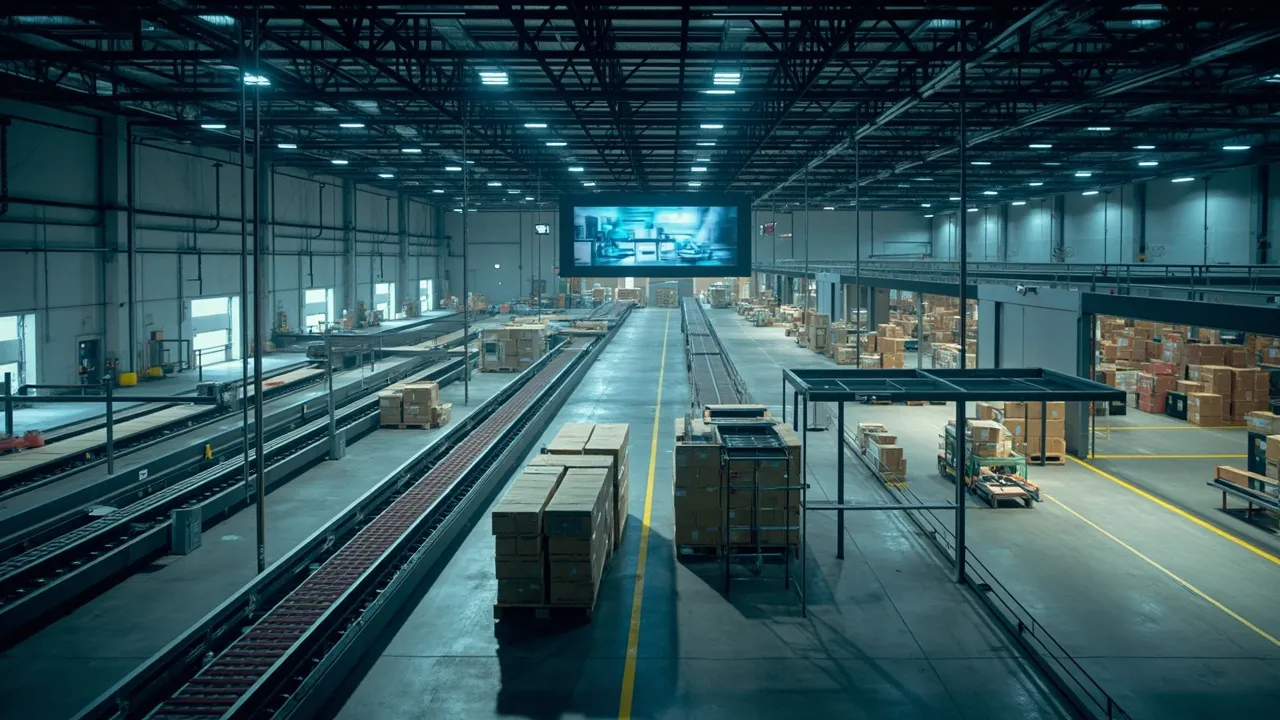
Temu's push into local fulfillment is more than an e-commerce strategy adjustment. It is a signal that the parcel-by-parcel cross-border model has reached a regulatory and operational turning point.
On July 1, 2026, the European Union began charging a flat €3 customs duty on each imported item valued at €150 or less. The change weakens the economics of flying individual low-value orders from Asia directly to European consumers. For marketplaces, merchants, and logistics providers, the alternative is increasingly clear: move inventory across the border in consolidated commercial shipments, clear it in bulk, and fulfill customer orders from warehouses inside the destination market.
That alternative can lower per-order transport and customs-processing costs, but it also introduces inventory risk. Companies now need placement rules that balance duties, demand, storage, returns, and service reliability—not merely the cheapest international parcel rate.
The economics changed at the item level
Supply Chain Dive reports that PDD Holdings, Temu's parent, expects the EU duty to reduce fulfillment efficiency and raise costs in affected markets. PDD is responding by onboarding more local merchants and accelerating investment in local warehousing and fulfillment infrastructure.
The fee applies per item, not simply per parcel. A direct-to-consumer package containing three qualifying items can therefore attract €9 in duties before freight, brokerage, delivery, and returns costs. That is material for a marketplace built around low-priced merchandise. It also creates an incentive to replace thousands of individually cleared parcels with fewer consolidated inbound movements.
The scale behind the policy matters. Reuters reported that EU imports of low-value e-commerce parcels increased 26% in 2025. The former exemption covered parcels worth less than €150, supporting direct shipment from China to consumers. Rapid volume growth made that flow a customs-capacity and enforcement issue as well as a retail issue.
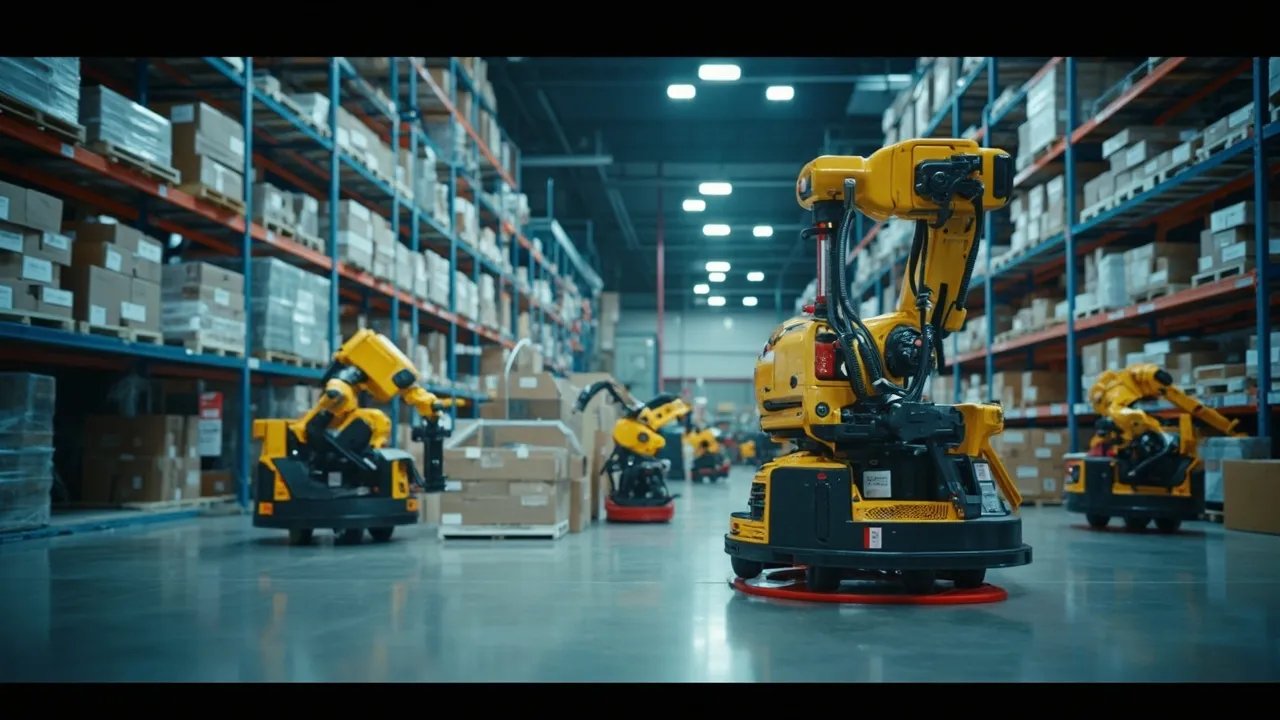
Local fulfillment does not eliminate import duties. It changes when and how goods cross the border. Merchandise is imported as replenishment stock, with classification, valuation, origin, and tax data resolved before individual orders are released. Customer delivery then becomes a domestic fulfillment movement.
Compare complete landed cost, not one freight rate
The correct comparison is not air parcel versus ocean or truck freight in isolation. It is total landed cost per successfully delivered and retained unit.
For direct cross-border fulfillment, include international parcel transportation, the €3-per-item duty, customs presentation or brokerage charges, failed-delivery exposure, longer delivery promises, and the cost of international returns or refunds without return. This model keeps inventory centralized and reduces markdown exposure, but its variable cost increases with every order.
For local fulfillment, include bulk inbound freight, conventional duties and taxes, customs brokerage, drayage, receiving, storage, pick-and-pack, domestic delivery, and local returns processing. The fixed commitment is higher because stock enters the market before demand is known. Yet high-volume products can gain a much lower fulfillment cost per unit and a more reliable delivery promise.
The break-even decision should be calculated by SKU and market. A fast-selling, compact product with predictable demand is a strong local-stock candidate. A bulky, seasonal, highly variable, or rarely ordered product may remain better suited to centralized cross-border fulfillment even after the new fee.
Use five rules for inventory placement
First, model duty at the item and shipment levels. Product classification, origin, declared value, and order composition must all be available to the cost engine. A flat assumption per parcel will understate costs when one order contains multiple qualifying items.
Second, measure demand confidence. Use order velocity, forecast error, promotion plans, and regional concentration to set a minimum confidence threshold for local stocking. Averages are not enough; the model should consider demand volatility and the cost of leftover inventory.
Third, include storage aging. Local fulfillment looks attractive when analysis uses only the first month's warehouse rate. Add receiving charges, monthly storage, long-term storage tiers, and possible markdown or disposal costs. Establish review points at 30, 60, and 90 days so slow stock can trigger price, transfer, or replenishment changes.
Fourth, price returns explicitly. Local returns can shorten refund cycles and recover more resale value, but they require inspection, grading, restocking, refurbishment, or disposal capacity. Products with high return rates may benefit disproportionately from in-market inventory because reverse logistics no longer crosses an international border.
Fifth, assign a value to delivery reliability. PDD executives said point-to-point shipping in some markets has produced higher fulfillment costs while leaving demand unsatisfied. A local node can improve promise accuracy, reduce customs-related variability, and support faster replacement orders. Those benefits should appear as lower cancellation, refund, and customer-service costs—not as vague service improvements.
Build a customs-to-warehouse data handoff
Bulk replenishment only works if customs and warehouse records describe the same goods. The import entry should pass a structured landed-cost record to the receiving system with SKU, tariff classification, country of origin, customs value, duty, tax, brokerage, inbound freight, quantity, lot, and entry reference.
The warehouse receipt must reconcile expected and received quantities. Any shortage, damage, or classification correction should update the cost allocation rather than leaving the original amount spread across units that never became sellable. The transportation management system should retain the link among purchase order, commercial invoice, customs entry, inbound shipment, warehouse receipt, and final cost per unit.
That lineage supports three decisions: whether the shipment cleared as planned, whether actual landed cost still supports the selling price, and whether the next replenishment belongs in the same market. It also gives finance and compliance teams a defensible audit trail.
Turn regulatory change into a repeatable decision
Temu's pivot shows that de minimis reform is not just a customs problem. It changes network design, inventory ownership, replenishment cadence, and customer promises. The winners will not move every SKU into local warehouses. They will continuously choose the right fulfillment path for each product and market using current cost and demand data.
CXTMS connects shipment planning, customs attributes, warehouse milestones, and landed-cost analysis so logistics teams can compare cross-border and local fulfillment before inventory moves. Request a CXTMS demo to build a more resilient inventory-placement workflow.