Prologis-GIC $1.6 Billion Build-to-Suit Logistics JV: Why Custom Warehouse Development Is Replacing Speculative Construction in 2026

On March 19, 2026, Prologis and Singapore's sovereign wealth fund GIC announced a $1.6 billion joint venture to develop and own build-to-suit logistics facilities across major U.S. markets. The deal — which includes an initial portfolio of approximately 4.1 million square feet with capacity to expand — isn't just another real estate transaction. It's the clearest signal yet that the logistics industry is moving decisively away from speculative warehouse construction toward purpose-built, tenant-specific facilities designed for the demands of modern supply chains.
For shippers, 3PLs, and logistics operators evaluating their distribution network strategy, this shift has immediate implications for how they plan, lease, and operate warehouse space in 2026 and beyond.
The $1.6 Billion Deal: What Prologis and GIC Are Building
The joint venture combines Prologis' development platform — the company owns 1.3 billion square feet of logistics properties across 20 countries and manages $230 billion in assets — with GIC's long-term institutional capital. Prologis will manage the venture through its Strategic Capital business, which already oversees $102 billion in assets including $67 billion of third-party capital.
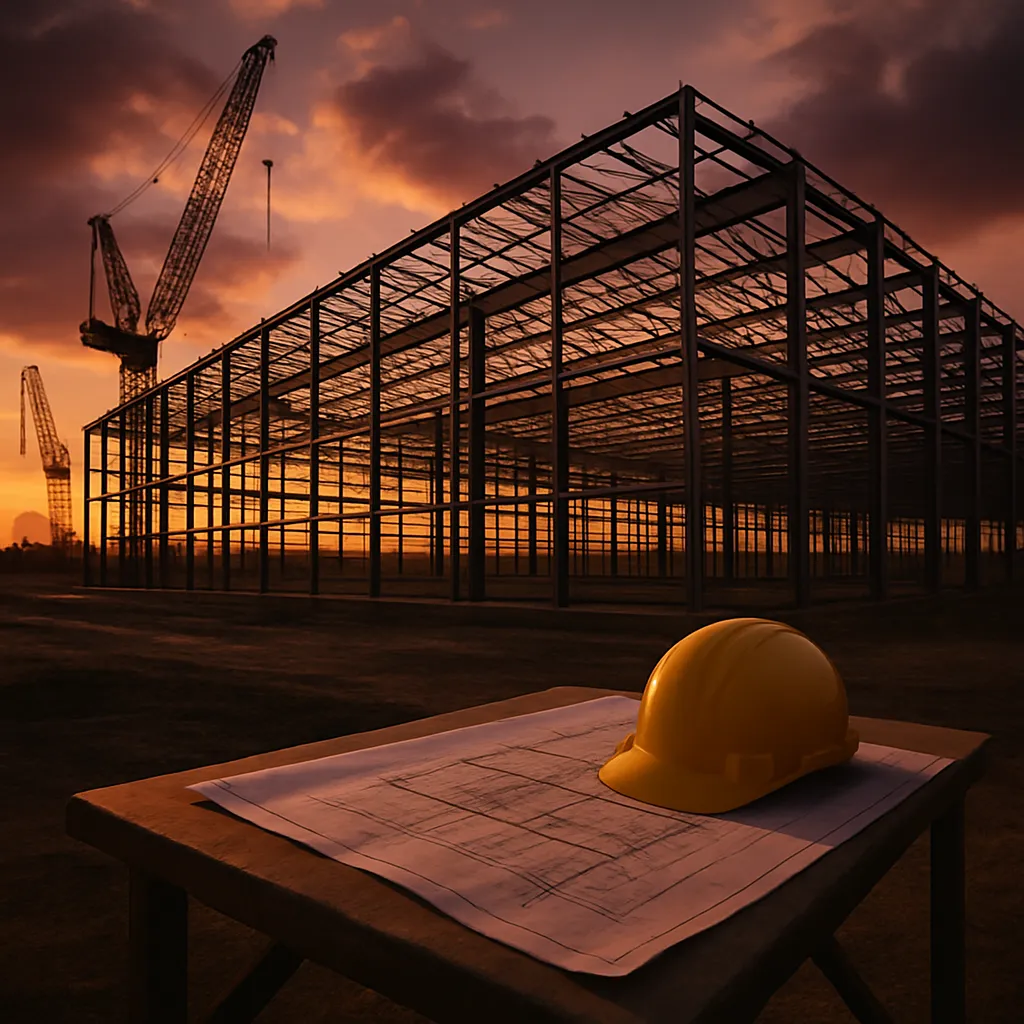
What makes this deal distinctive is its exclusive focus on build-to-suit projects. Unlike speculative developments where a developer constructs a generic warehouse and hopes to find tenants, build-to-suit facilities are pre-leased and custom-designed for a specific occupier before construction begins. These are facilities engineered around a tenant's exact operational requirements — from ceiling heights and floor loads to automation infrastructure and power capacity.
"Build-to-suit activity continues to be one of the clearest signals of customer conviction across our business," said Prologis CEO Daniel S. Letter. The partnership reflects what GIC's Chief Investment Officer of Real Estate Goh Chin Kiong described as "shared conviction" in the sector, citing strong e-commerce growth, supply chain reshoring, and resilient consumer spending as key investment drivers.
Why Build-to-Suit Is Replacing Speculative Construction
The numbers tell a compelling story. According to Cushman & Wakefield's January 2026 industrial market report, build-to-suit projects now represent 40% of industrial space currently under construction in the United States — a dramatic increase from just 17% of total industrial completions in 2023, per NAIOP data.
Meanwhile, speculative development has contracted sharply. Spec projects accounted for more than 83% of warehouse deliveries in 2023 but have since dropped to roughly 60% of new projects as developers adopt a more cautious approach. Several factors are driving this reversal:
Vacancy rates have peaked. The national industrial vacancy rate stabilized at 7.1% for two consecutive quarters heading into 2026, according to Cushman & Wakefield. After years of pandemic-era overbuilding, the market has absorbed the excess — but developers who built spec warehouses during the boom are still dealing with unleased space.
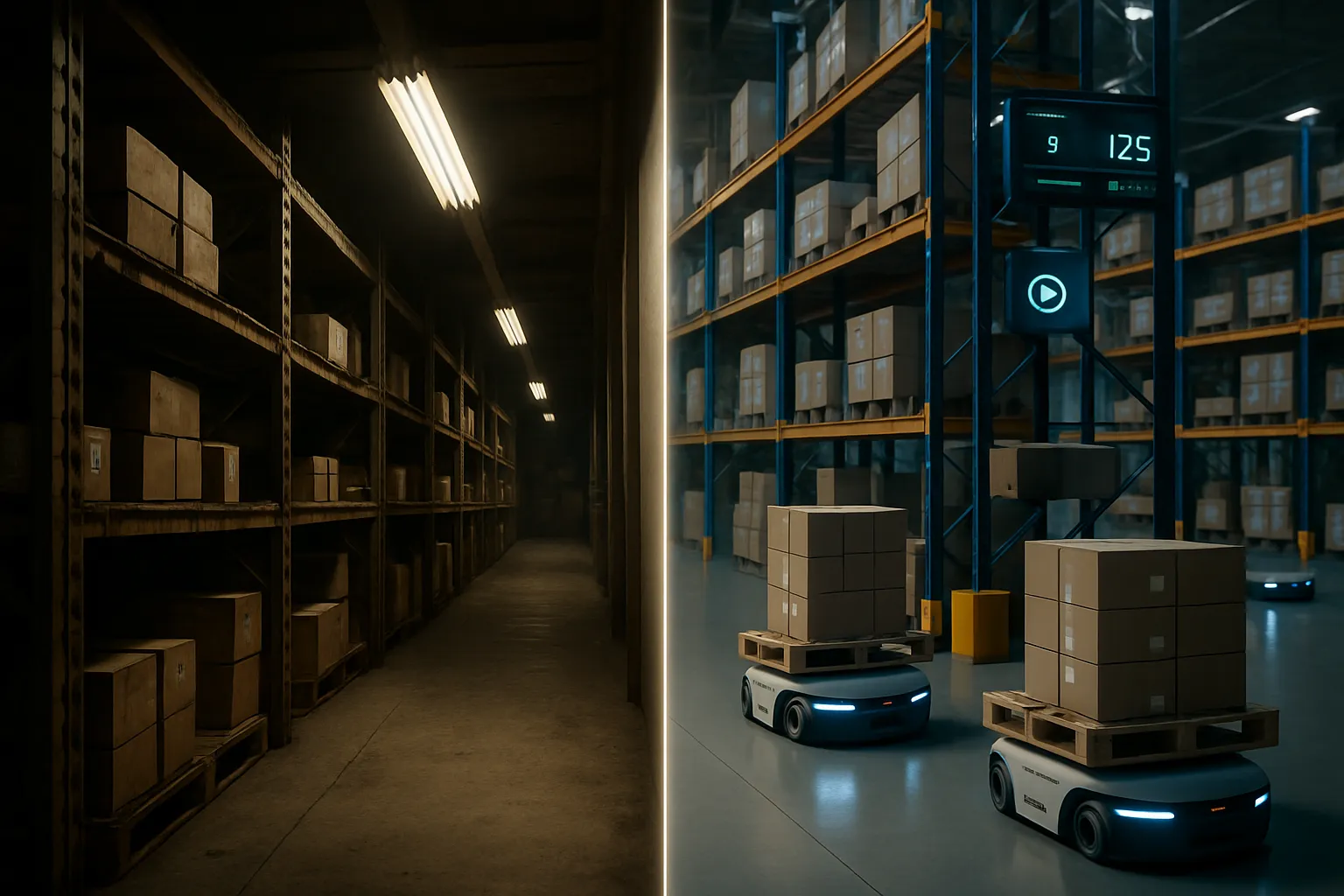
Tenants demand automation-ready facilities. Generic spec warehouses with standard 32-foot clear heights and conventional power infrastructure simply don't meet the requirements of modern fulfillment operations. Build-to-suit tenants are specifying 40-foot clear heights, reinforced floors for heavy robotics, 3,000+ amp electrical service, and integrated automation infrastructure that would be impractical to retrofit into existing spec buildings.
Long-term lease commitments reduce risk. Build-to-suit projects are typically backed by 10-to-20-year leases from creditworthy tenants, giving investors like GIC a stable, predictable return profile. In Prologis' case, build-to-suit accounted for more than 60% of the company's $3.1 billion in development starts in 2025 — a proportion that would have been unthinkable five years ago when spec dominated.
How Build-to-Suit Facilities Differ From Spec Buildings
The gap between a generic spec warehouse and a purpose-built logistics facility has widened dramatically as supply chain operations grow more complex. Here's what distinguishes modern build-to-suit developments:
| Feature | Spec Warehouse | Build-to-Suit Facility |
|---|---|---|
| Clear height | 32-36 feet standard | 40+ feet, tenant-specified |
| Floor load capacity | 250 PSF standard | 500+ PSF for robotics/automation |
| Electrical capacity | Standard commercial | 3,000+ amps, redundant power |
| Dock configuration | Generic spacing | Custom dock-to-floor ratios |
| Automation infrastructure | None — retrofit required | Pre-wired, embedded charging pads |
| Lease term | 3-5 year average | 10-20 year commitments |
For e-commerce fulfillment operators running dense goods-to-person automation, the difference between a spec building and a purpose-built facility can mean 30-50% higher throughput from the same square footage. When a facility is designed around the automation system rather than the other way around, everything from conveyor routing to mezzanine placement to fire suppression systems can be optimized from day one.
What's Driving Demand: E-Commerce, Reshoring, and Automation
Three converging forces are making build-to-suit the preferred model for logistics real estate in 2026:
E-commerce growth continues to accelerate. Online retail penetration continues to climb, and fulfillment networks are expanding to meet same-day and next-day delivery expectations. These operations require facilities specifically designed for high-velocity order processing — not generic storage boxes.
Supply chain reshoring is creating new facility demand. Companies bringing manufacturing and distribution back to the U.S. need purpose-built facilities in locations that may not have existing industrial inventory. Build-to-suit allows them to get exactly what they need, where they need it.
Automation investments demand purpose-built infrastructure. Companies deploying autonomous mobile robots (AMRs), automated storage and retrieval systems (AS/RS), and robotic picking stations need facilities engineered for these systems. Retrofitting automation into a spec building often costs 20-30% more than building it into the original design — and the results are still compromised by structural limitations.
What This Means for Shippers Seeking Distribution Space
For logistics operators evaluating their warehouse network, the Prologis-GIC venture signals several important trends:
Build-to-suit is no longer just for mega-tenants. While the model was traditionally reserved for tenants leasing 500,000+ square feet, the growing standardization of automation-ready building specs is making build-to-suit viable for operations as small as 200,000 square feet in high-demand markets.
Lead times are longer but outcomes are better. A build-to-suit project typically takes 12-18 months from commitment to occupancy, compared to 3-6 months for leasing existing spec space. But the operational advantages — purpose-built automation infrastructure, optimized layouts, and long-term cost certainty — often justify the wait.
Location selection becomes more strategic. When you're committing to a 10-to-20-year lease on a custom facility, site selection requires rigorous network optimization. Transportation costs, labor availability, proximity to end consumers, and utility infrastructure all become critical variables.
How CXTMS Helps Shippers Optimize Operations in Next-Gen Facilities
As logistics facilities become more sophisticated, the transportation management layer connecting them becomes equally critical. CXTMS provides the visibility and optimization that purpose-built warehouses need to deliver on their potential:
- Network optimization modeling that helps shippers evaluate build-to-suit locations based on actual transportation cost data, carrier lane density, and delivery time requirements
- Carrier integration that connects new facility locations to optimized routing, ensuring that automation-driven throughput inside the warehouse translates to efficient last-mile and linehaul execution
- Real-time visibility across inbound and outbound flows, giving operations teams in next-gen facilities the data they need to maximize the automation investments they've built into the space
The Prologis-GIC joint venture is a $1.6 billion bet that the future of logistics real estate is custom, not commodity. For shippers planning their next distribution facility, the question is no longer whether to go build-to-suit — it's whether you can afford not to.
Ready to optimize your transportation network for next-generation warehouse operations? Request a CXTMS demo and see how intelligent TMS technology connects your facilities to faster, more cost-effective freight execution.