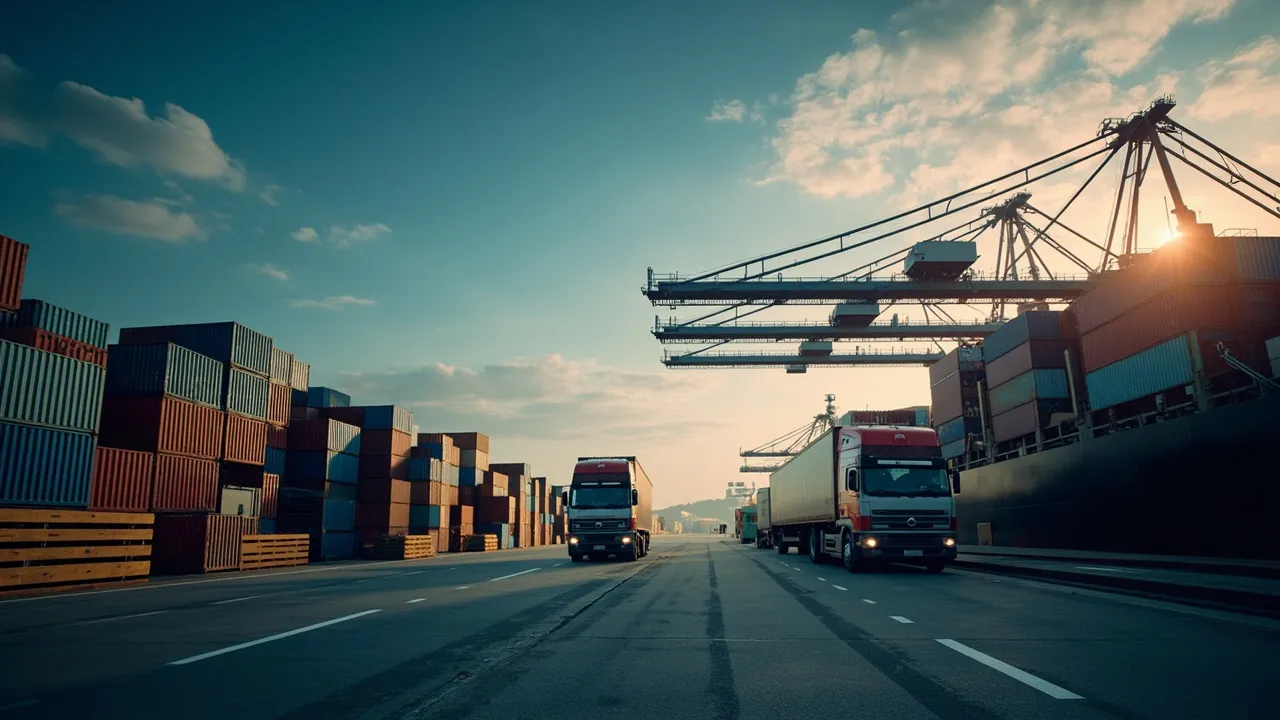
The Costliest Logistics Assumption in 2026 Is That Last Year’s Network Still Works

The most expensive assumption in logistics is rarely written down. It hides inside routing guides, lead-time buffers, customer promise dates, customs playbooks, and annual budgets. It says: last year’s network still works.
In 2026, that assumption is getting dangerous. Tariffs are changing sourcing decisions. Energy and geopolitical shocks are changing freight economics. Demand is shifting across product categories. Capacity signals are moving unevenly by mode and region. A network that looked disciplined twelve months ago can become a slow margin leak when the rules underneath it stop being true.
That is the real lesson in Inbound Logistics’ recent discussion of costly supply chain assumptions. Several contributors made the same point from different angles: static planning, cost-only optimization, and faith in past data can leave operations exposed when conditions change. One expert warned that assuming past data predicts future demand is costly because fixed planning cycles make supply chains vulnerable to disruption. Another argued that optimizing one process for cost does not necessarily optimize the whole network.
Both ideas land hard for freight teams. Logistics networks are living systems. Treating them like fixed annual maps is how companies discover too late that their origin mix, mode strategy, carrier base, customs exposure, and service buffers no longer match the market.
The assumptions that age fastest
Some logistics assumptions decay faster than others. The first is stable origin mix. If a sourcing team moves volume from one country, supplier, or port pair to another, the transportation network does not simply absorb the change. Drayage capacity, customs cycle time, container availability, inland routing, and warehouse receiving patterns all move with it.
The second is fixed modal economics. Truckload, intermodal, ocean, parcel, and air cargo do not reprice at the same speed. A lane that made sense as truckload when diesel, tender acceptance, and service urgency aligned may deserve a rail or intermodal review when linehaul pressure rises. The opposite can also happen when service failures erase the savings.
The third is static transit buffers. Many planning systems still carry lead times that were negotiated, guessed, or inherited during a different market. If port dwell, border inspections, warehouse congestion, or appointment availability change, a five-day planning assumption can become a seven-day reality while the customer promise remains unchanged.
The fourth is unchanged customs exposure. Tariff changes and documentation requirements can turn a familiar lane into a compliance bottleneck. Supply Chain Dive reported that the Trump administration’s May 1 threat to raise tariffs by 25% on European vehicles followed other 2026 policy shifts affecting aluminum, copper, and trade flows. Whether a specific tariff applies to a given shipper is a classification question; the operational point is broader. Trade policy now changes fast enough that customs assumptions need owners and review dates.
The fifth is “usual” carrier capacity. The May Logistics Managers’ Index showed why this is risky. Logistics Management reported that the overall May LMI came in at 69.5, just below April’s 69.9 but still the second-fastest expansion rate since March 2022. Inventory costs jumped 9.4% to 84.1, their highest reading since May 2022, while warehousing prices remained elevated at 70.7. The report also said transportation prices were growing faster than at any point in the index’s nearly 10-year history.
That is not background noise. Those numbers mean yesterday’s routing guide can become tomorrow’s exception queue.
Resilience is now part of the cost model
For years, many networks were designed around the cleanest version of cost: lowest transportation rate, lean inventory, high utilization, and limited redundancy. That model worked until volatility became normal instead of exceptional.
Supply Chain Dive described the shift plainly: companies are spending more on resilience because disruptions from trade policy, geopolitics, inflation, and supply shortages are no longer viewed as one-off events. The article cited a KPMG survey in which 73% of businesses said they plan a comprehensive transformation of their supply chain operating model within the next 36 months, with risk management and resiliency as a top priority.
That does not mean every company should overbuild inventory or pay premium freight everywhere. Resilience is not a blank check. It means each assumption should be visible, testable, and tied to an owner. If a lane depends on one port, one customs broker, one carrier, one supplier, or one appointment pattern, the risk should be named before it fails.
The old planning question was, “What is the cheapest way to move this freight under normal conditions?” The better 2026 question is, “Which assumption breaks first if fuel, tariffs, demand, or capacity moves 10%?”
Turn assumptions into operating rules
The practical fix is not another annual network study that dies in a slide deck. Freight teams need to convert assumptions into monitored operating rules inside daily execution.
Start with thresholds. If tender rejection on a lane rises above a defined level, the system should trigger a carrier review. If dwell at a port or warehouse exceeds the planning buffer, the promised delivery logic should adjust. If a tariff, surcharge, or accessorial change pushes landed cost above a customer margin threshold, pricing and operations should see the same alert.
Then assign owners. A planning rule without an owner is just documentation. Customs assumptions should belong to compliance or trade operations. Carrier-capacity assumptions should belong to procurement or transportation. Transit-buffer assumptions should belong to planning and customer operations. Each rule should have a review cadence and an escalation path.
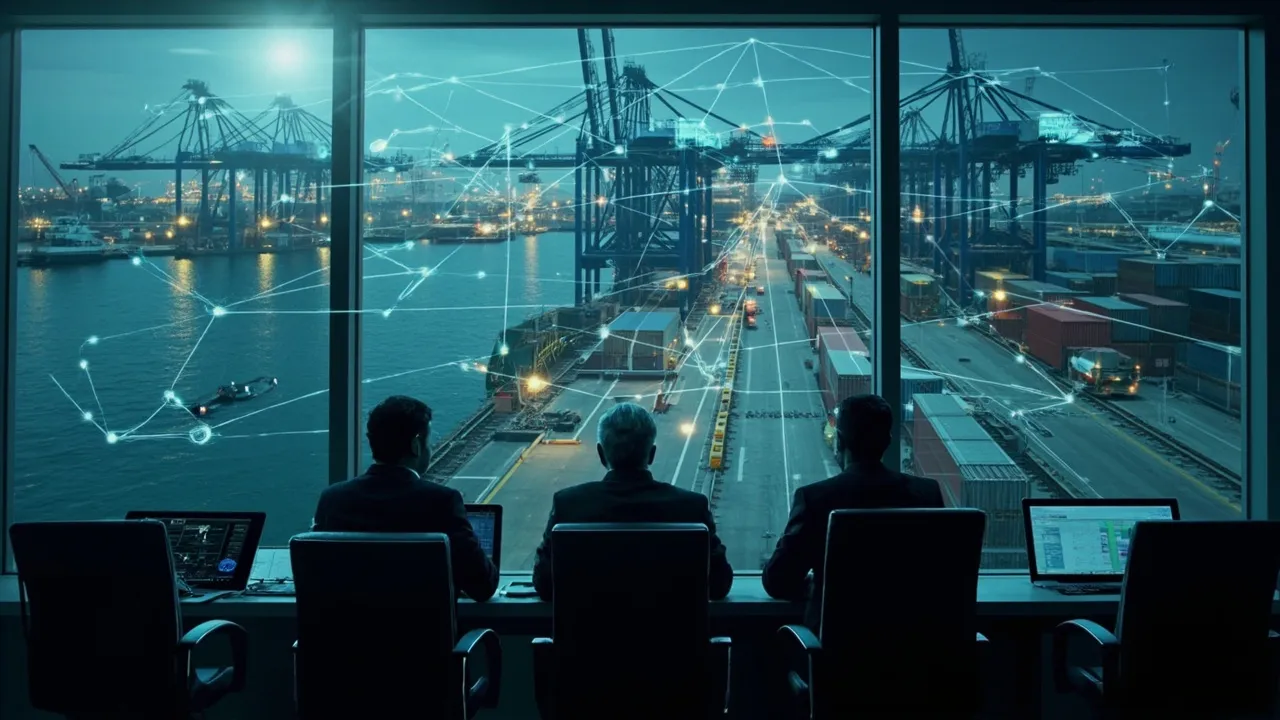
Finally, connect the rules to execution. This is where CXTMS matters. A modern TMS should not merely store the routing guide. It should monitor whether the routing guide is still valid. It should connect orders, rates, carrier performance, appointment events, landed-cost logic, and exception history so assumptions become living controls rather than tribal knowledge.
A simple audit for 2026
Logistics leaders can run a useful network audit with four questions:
- Which top 20 lanes would lose margin first if fuel or linehaul costs rose 10%?
- Which customer promises depend on transit buffers that have not been validated in the last quarter?
- Which import flows would change if tariffs, documentation rules, or origin mix shifted again?
- Which carrier, port, warehouse, or broker dependency has no practical backup?
If the answers are unclear, the network is running on memory. That is not planning. That is hope with a rate file attached.
CXTMS helps logistics teams replace stale assumptions with monitored transportation rules. By connecting freight planning, carrier execution, cost exposure, customs-sensitive workflows, and exception management, CXTMS gives operators a way to see when last year’s network stops matching this year’s reality.
Request a CXTMS demo and turn logistics assumptions into controls before they become service failures.