Gong cha’s U.S. Expansion Shows Franchise Logistics Needs One Supply Chain Playbook


Franchise growth looks simple from the outside: sign operators, open stores, repeat the menu, and let brand demand do the rest. The supply chain version is much harder. Every new unit adds another receiving door, another forecast, another training gap, another lane, another set of local substitutions, and another chance for the customer experience to drift.
Gong cha’s U.S. expansion is a useful logistics case study. Supply Chain Dive reported that the bubble tea franchise moved from a master-franchising strategy to a direct-franchising system after acquiring 170 U.S. master-franchise stores, with plans to build 1,000 more units. The operational point is not just that Gong cha wants more stores. It is that the company is changing the control model behind those stores.
A master-franchise structure can allow more local flexibility in how products are made, what equipment is used, and how supply decisions happen. Direct franchising pushes the opposite direction: tighter standards, aligned menus, consistent equipment assumptions, and a single operating model that can scale. For logistics teams, that means the franchise supply chain playbook becomes as important as the brand playbook.
Expansion changes the math of control
A 170-store footprint is already large enough to expose supply chain variation. A 1,000-unit target turns that variation into a structural risk. If each region defines its own supplier substitutions, packaging rules, lead-time assumptions, and warehouse habits, growth multiplies complexity instead of revenue.
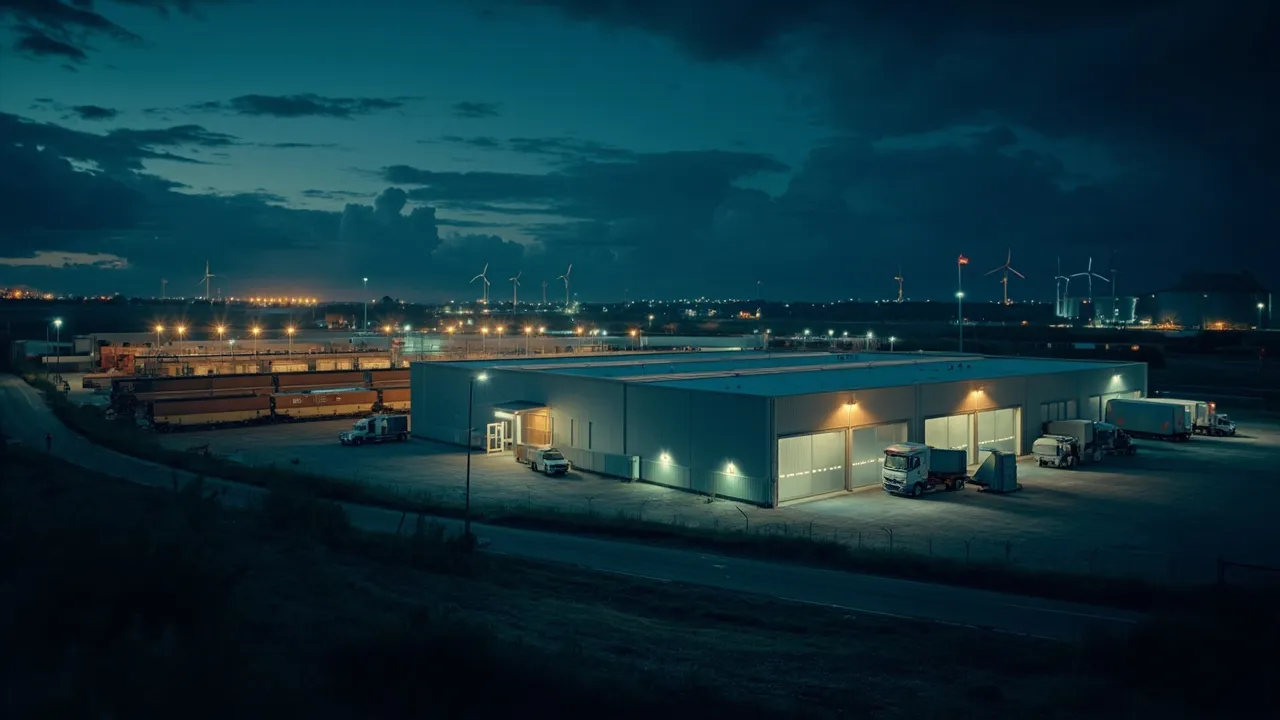
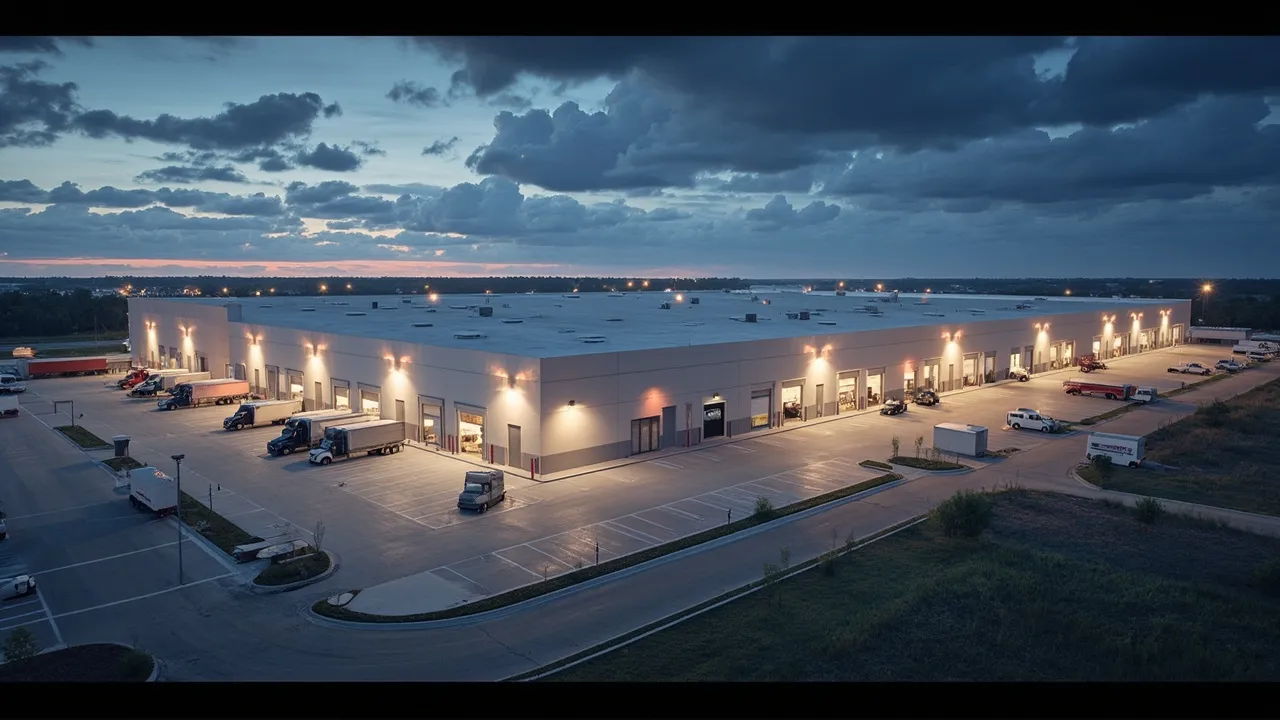
Gong cha’s supply chain overhaul shows the pivot. The company currently operates five U.S. warehouses that handle receiving, sorting, inventory management, and outbound shipments. The company is also placing warehouses intentionally where store density can support efficient distribution, rather than treating every possible market as equally ready for expansion.
That is the part many franchise networks underweight. Store count alone does not justify a distribution node. Density does. A regional warehouse only works when enough nearby demand exists to balance inventory turns, outbound delivery cost, labor utilization, and service frequency. Put a warehouse too early in a sparse market and it becomes an expensive storage bet. Wait too long in a dense market and stores absorb the penalty through longer lead times, emergency replenishment, and inconsistent product availability.
Regional replenishment is not a slogan. It is a math problem involving order cadence, case velocity, minimum order quantities, perishability, freight lanes, and service promises. For foodservice brands, the added complication is menu consistency. The customer does not care which warehouse served the store. They care whether the product matches the brand they expected.
Franchise flexibility has a breaking point
Franchisees naturally want local freedom: lower cost of goods, reliable stock, fast answers, and room to solve problems without waiting for headquarters. Reasonable. But when store-level flexibility outruns supplier and inventory discipline, the supply chain fragments.
Inbound Logistics made the same point in its classic look at the logistics of franchising: franchisees expect the supply chain to be there without noticing it, with products in stock, delivered on time, at an acceptable price. The article also notes that new franchisees often do not understand receiving discipline, order acceptance, or supplier process well enough on day one.
That gap matters. A franchise location can be operationally independent without being supply-chain independent. If every operator improvises around shortages, accepts unapproved substitutes, or orders outside the standard replenishment cycle, headquarters loses visibility into true demand. Forecasting gets noisy, supplier commitments weaken, and transportation teams spend more time recovering from surprises than planning efficient routes.
That is how a growth story gets expensive: strong unit demand on the surface, hidden variation underneath, and too many manual explanations for why one store can deliver the menu and another cannot.
Item data is the backbone of menu consistency
The most underrated control in franchise logistics is clean item data. A standardized item master defines what each store is allowed to buy, which products are equivalent, which substitutions are approved, which items require temperature control, which packaging version is current, and which supplier is authorized by region.
Without that structure, menu consistency depends on tribal knowledge. A store manager may know which tapioca pearls work or which lid fits, but that knowledge does not scale across hundreds of openings, new employees, and regional warehouse expansions.
Gong cha’s model illustrates why direct control over sourcing matters. Supply Chain Dive reported that the company imports some raw materials from East Asia, consolidates products for U.S. distribution, and takes a hands-on role in customs brokers and importing. It also owns and runs tea farms, while demand planning for tea fields and cup manufacturers can require nearly three months to make products and ship them to the United States.
That three-month cycle is the opposite of casual replenishment. If a key ingredient or packaging component has a long production and import lead time, store-level improvisation can break the plan months before anyone sees the stockout.
Warehouses need process discipline, not just capacity
Warehouse placement solves only part of the challenge. Process discipline inside those warehouses determines whether the network can support growth without service erosion.
Inbound Logistics recently reported that modern warehouses are operating amid labor constraints, high turnover, ecommerce-driven speed expectations, tariffs, disruption, and economic uncertainty. In its article on next-gen warehouse operations, the publication quoted one expert saying many warehouses were built for a workforce they no longer have, with less experienced workers asked to do better work faster and with less margin for error.
That applies directly to franchise distribution. A fast-growing foodservice brand cannot assume every warehouse associate, driver, store receiver, and franchise operator already understands the details of first-in, first-out inventory rotation, lot control, temperature-sensitive handling, and approved substitutions. The process has to guide the behavior.
For Gong cha, Supply Chain Dive noted that some warehouses use specialized speed racks to help control first-in, first-out operations. That is the right kind of operational detail: not technology for its own sake, but equipment and workflow aimed at preserving consistency as volume grows.
The scalable franchise playbook
A serious franchise logistics playbook needs four controls.
First, standardize item and supplier data. Every store should order from a governed catalog that reflects approved regional products, pack sizes, substitutions, and compliance requirements.
Second, define regional replenishment rules. Store density, route frequency, warehouse coverage, pickup options, and lead-time commitments should be explicit before a market is treated as scalable.
Third, connect sourcing decisions to transportation planning. Long-lead imports, domestic suppliers, staging warehouses, customs brokers, and final-mile delivery rules need to live in one execution view.
Fourth, measure exceptions relentlessly. Emergency orders, substitute usage, missed delivery windows, rejected receipts, and stockouts are not noise. They are early warnings that the playbook is drifting from reality.
Franchise growth rewards brands that make complexity boring. The customer should experience the same menu and quality in Chicago, San Francisco, Seattle, or the next 1,000-unit market. That only happens when sourcing, warehousing, transportation, and store receiving follow one playbook.
CXTMS helps logistics teams manage that playbook with cleaner item data, regional carrier rules, shipment visibility, exception workflows, and replenishment discipline across growing networks. If your franchise logistics operation is scaling faster than your control tower, schedule a CXTMS demo and see how execution data keeps growth from becoming chaos.