Fleet Management Is the Fastest-Growing Digital Logistics System for a Reason

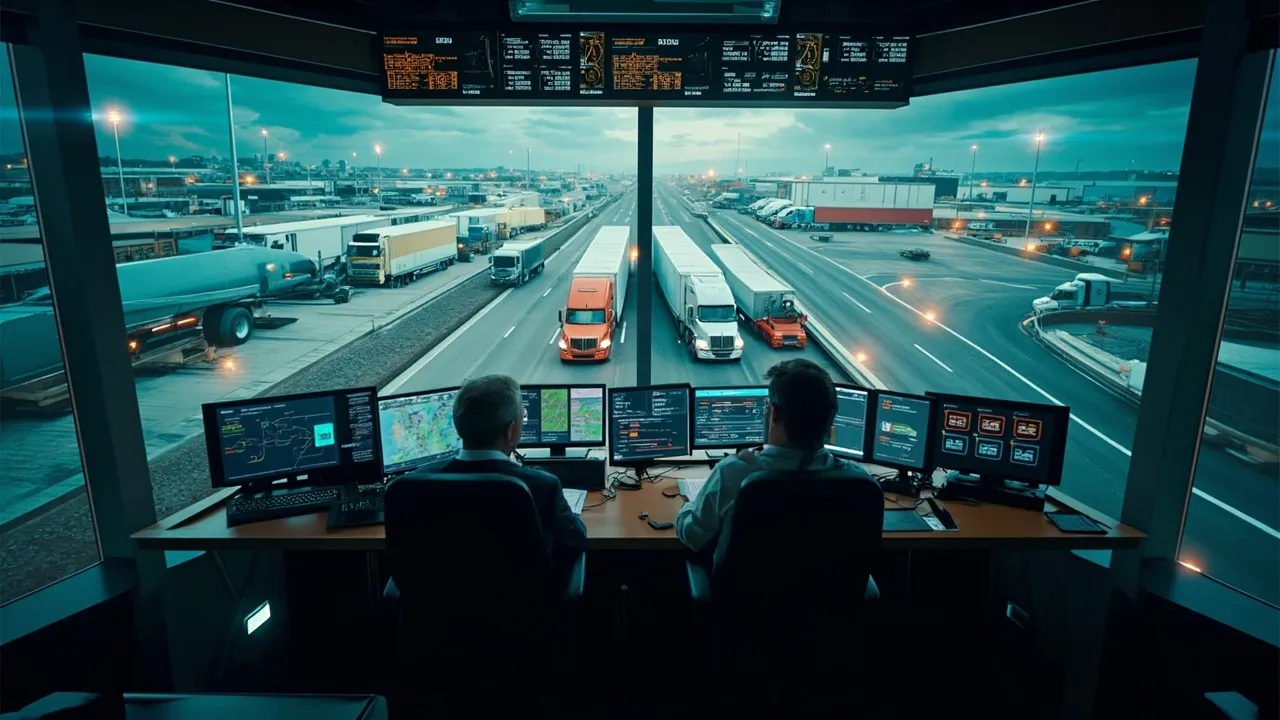
Fleet management is not winning the digital logistics race because it is the flashiest category. It is winning because it sits closest to the daily decisions that make or lose money: which driver gets reassigned, which customer needs a proactive ETA update, which load should be reworked before detention starts, and which asset is about to become tomorrow morning's capacity problem.
That practicality matters. According to Mordor Intelligence's digital logistics market analysis, the digital logistics market is projected to grow from USD 55.57 billion in 2026 to USD 150.79 billion by 2031, a 22.1% CAGR. Within that broader market, fleet management is projected to be the fastest-growing system type, advancing at a 22.65% CAGR through 2031. That is not a rounding error. It is a signal that operators are prioritizing systems that convert data into dispatchable action.
The reason is simple: fleet management connects the physical freight network to the planning layer. Transportation teams already have ERP orders, TMS plans, warehouse appointment data, carrier commitments, fuel costs, driver hours, temperature requirements, and customer service expectations. What they often lack is a reliable operating view that tells them when the plan is no longer true.
Modern fleet management closes that gap by bringing IoT devices, telematics, ELD feeds, trailer sensors, route data, and exception rules into one operating rhythm. Instead of learning that a truck missed an appointment after a customer escalates, dispatch can see dwell building at a shipper, compare it against downstream delivery commitments, and trigger a recovery workflow while there is still time to matter.
The ROI starts with exception management
The best argument for fleet management is not visibility for visibility's sake. Nobody needs another map with dots crawling across a screen. The value comes from knowing which dot is about to create a cost or service problem.
Mordor's research notes that cloud-based data fabrics now ingest IoT, ERP, and telematics feeds so AI engines can surface anomalies in near real time. It also cites real-time IoT fleet telematics as a major growth driver in North America, with connected devices streaming engine health, driver behavior, and cargo data. The reported operational effects are concrete: predictive maintenance can cut downtime by 30%, while fuel consumption can fall 15-20% when fleets act on telematics insight.
Those numbers explain why fleet management has become a practical entry point for digital logistics. A shipper may not be ready to overhaul every supply chain system in one budget cycle, but it can usually justify a project that reduces breakdowns, prevents spoilage, improves ETA accuracy, and gives customer service teams better answers.
The market backdrop reinforces the point. Mordor estimates the U.S. road freight transport market at USD 583.65 billion in 2026, growing to USD 702.52 billion by 2031. In a market that large, small improvements in utilization, empty miles, appointment adherence, and claim prevention compound quickly. Fleet management does not need to transform everything to pay for itself. It needs to prevent enough avoidable exceptions.
Telematics only matters when it changes dispatch behavior
The failure mode is familiar: companies install trackers, collect pings, and call it digital transformation. That is expensive theater. Data that never changes a decision is just storage with a dashboard.
Fleet management earns its place when it changes the dispatcher's next move. If a tractor shows a maintenance fault, the system should flag the loads exposed to that asset. If a refrigerated trailer reports temperature drift, the customer service team should know before the consignee does. If congestion pushes ETA confidence below a threshold, the platform should recommend whether to reschedule the dock, swap equipment, or escalate to a carrier manager.
That is where telematics integration becomes more than vehicle tracking. The operating question is not "Where is the truck?" It is "What does this truck's status mean for cost, service, compliance, and the next five commitments?"
This is also why spreadsheet-heavy operations hit a ceiling. In a recent SupplyChainBrain discussion on AI-enabled supply chain resilience and orchestration, Natalia Andreyeva argues that resilience depends on reducing the time required to resolve disruptions, not pretending disruptions can be eliminated. She also points to data governance as the foundation for removing silos and driving faster decisions. Fleet management is one of the places where that principle becomes operational: clean asset, shipment, appointment, and cost data creates faster recovery.
What shippers should demand from fleet integrations
A fleet management project should be judged by workflows, not screenshots. The strongest programs usually have four requirements.
First, exception triggers need to be configurable and business-specific. A late pickup for low-value replenishment freight is not the same as a temperature-controlled pharmaceutical shipment. The system should treat them differently.
Second, ETA confidence matters more than raw ETA. A timestamp without a confidence level invites false precision. Dispatch teams need to know when the model is uncertain, what variables changed, and whether the appointment risk is rising or falling.
Third, cost-to-serve visibility has to be part of the same conversation. Detention, out-of-route miles, fuel burn, accessorial exposure, recovery freight, and missed appointment penalties should not live in separate spreadsheets. If the platform can show the financial impact of an exception while the load is still moving, managers can make better tradeoffs.
Fourth, compliance evidence should be easy to retrieve. Proof of temperature control, driver hours, chain of custody, maintenance records, and delivery timestamps all matter when a customer dispute, audit, or claim appears. The faster the evidence is assembled, the lower the administrative drag.
The reason fleet management is growing fastest
Fleet management is becoming the fastest-growing digital logistics system because it is close enough to the freight to change outcomes and structured enough to measure results. It turns fragmented operational signals into specific actions: call this consignee, protect this load, reroute this driver, service this tractor, escalate this lane.
That is the kind of digital logistics buyers increasingly trust. Not grand autonomy promises. Not another dashboard. A system that helps operations recover faster, explain service risk earlier, and prove what happened after the fact.
CXTMS helps logistics teams connect fleet, carrier, shipment, document, and customer workflows into one transportation operating layer. If your team is ready to turn visibility into measurable execution, schedule a CXTMS demo and see how connected freight management can tighten every mile between plan and delivery.