Boxes Beat Mailer Bags in 2026: Turn Packaging Preference Into a Freight Decision

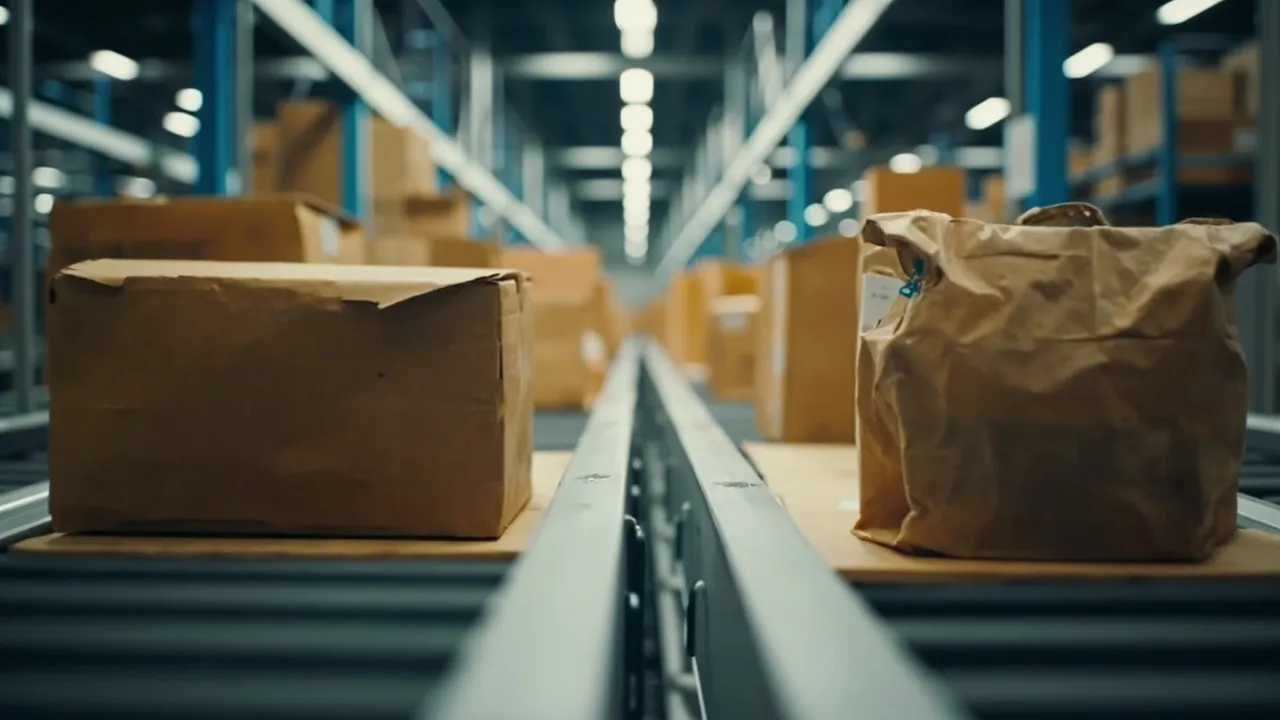
The box versus mailer debate sounds like a procurement choice. In practice, it is a transportation decision with consequences for product damage, dimensional weight, parcel handling, customer loyalty, and waste.
Consumers still favor boxes, but the reasons are changing. That does not mean every order should go into corrugate. It means shippers need packaging rules that translate customer expectations into the lowest total delivered cost for each order.
The winning policy is not “boxes everywhere” or “mailers whenever possible.” It is a controlled decision based on the SKU, order value, return risk, service, destination, and carrier charge structure.
Read preference as a signal, not a mandate
A 2026 Ryder study surveyed 1,160 consumers in March. Supply Chain Dive reports that respondents overwhelmingly preferred receiving e-commerce shipments in boxes rather than mailer bags.
Among consumers who chose boxes, 32% cited better protection in transit, 29% said they reuse boxes, and 20% viewed boxes as more eco-friendly. Protection remained the leading reason, although it fell four percentage points from 2025. The perceived environmental advantage rose six percentage points.
Mailer supporters expressed a different set of priorities: 10% said bags are easier to dispose of, 6% valued their smaller footprint, and 5% reported reusing them. The research also links form factor to unboxing quality. Coupons and discounts remained the leading unboxing-related loyalty driver at 47%, while sustainability gained ground year over year.
These findings reveal a useful tension. A box can communicate protection, reuse, and a more deliberate unboxing experience. A mailer can eliminate empty space and reduce materials. Packaging selection must preserve the benefit customers care about without paying to transport unnecessary cube.
Price the complete packaging outcome
Unit material cost is an incomplete measure. The correct comparison includes packaging material, packing labor, void fill, billable transportation weight, accessorial charges, damage, reshipment, returns, and customer recovery.
That is especially important under dimensional-weight pricing. A lightweight product in an oversized carton can be billed as though it were much heavier because it consumes vehicle capacity. Conversely, a flexible mailer can create handling or sorting issues for certain products and services. Neither format is inherently cheaper across every carrier rule.
SupplyChainBrain notes that an average corrugated shipping box can contain 40% to 60% empty space. Its reporting also says shippers may find 5% to 20% savings by studying carrier size and weight thresholds, then splitting or reconfiguring shipments to avoid dimensional charges. Those ranges make packaging data material to freight procurement, not merely warehouse housekeeping.
There is also a regulatory and sustainability dimension. SupplyChainBrain reported in 2026 that DHL research found roughly 24% of e-commerce shipment volume is empty space. The same article says packaging represents about 35% of municipal waste in the European Union, where packaging rules are putting greater scrutiny on unnecessary volume.
The practical response is to calculate total expected cost for each packaging option:
material + labor + freight + expected damage and return cost + waste or compliance cost
A slightly more expensive right-sized carton can win when it prevents damage. A mailer can win for an apparel order when it cuts cube without degrading the delivery experience.
Segment the decision by order risk
Start with SKU fragility. Glass, electronics, liquids, products with crush-sensitive retail packaging, and irregular components usually need rigid protection. Soft goods and other durable, non-fragile items are stronger mailer candidates. Store the packaging constraint in the item master rather than relying on a packer's memory.
Next, consider order value and recovery cost. A low-cost replacement may tolerate a different risk threshold than a high-value or limited-stock product. Include the expense of the second pick, pack, shipment, refund handling, and customer-service contact—not just the wholesale value of the damaged item.
Return likelihood matters too. A resealable mailer can simplify an apparel return, while a reusable carton may be better for footwear, subscription products, or multi-item orders. The return journey should be designed at the original pack decision, not improvised by the customer.
Finally, evaluate carrier service and route. Conveyor handling, distance, transfers, weather exposure, residential delivery conditions, and package thresholds all change risk and cost. An order that performs well in a regional ground network may need different protection when routed through a longer multi-node service.
Turn cartonization into an operating rule
Accurate length, width, height, weight, fragility, and nesting data are prerequisites. Without them, even sophisticated cartonization logic recommends the wrong package. Capture dimensions when a new SKU enters the network and audit them after product or supplier packaging changes.
Then create an approved packaging matrix. For each order profile, list eligible cartons and mailers, minimum protection requirements, maximum void ratio, carrier restrictions, and return-use requirements. The warehouse management or order orchestration process should recommend the package before the associate begins packing.
Do not remove human judgment completely. Give associates a short list of reason codes—unexpected fit, insufficient protection, product leak risk, or packaging defect—when they override the recommendation. Repeated overrides indicate bad master data or a rule that needs revision.
A transportation management system should rerate the order using packed dimensions. If an alternative carton avoids a dimensional threshold or a different service lowers total cost while meeting the promised date, the decision should happen before label purchase.
Measure four outcomes together
Packaging optimization fails when departments defend separate scorecards. Procurement celebrates a cheaper mailer, transportation sees lower cube, customer service sees more damage, and sustainability cannot explain the material tradeoff.
Use one packaging performance view with at least four outcome groups:
- Damage and returns: damage claims, reshipments, refund value, and return rate by package profile.
- Freight: actual and dimensional weight, cost per order, accessorial charges, and trailer or parcel cube utilization.
- Customer: packaging complaints, satisfaction, repeat purchase, and unboxing feedback.
- Materials: corrugate, plastic, void fill, empty-space ratio, recyclability, and packaging weight per shipped unit.
Run controlled tests by SKU family and route rather than changing the whole network at once. Compare a right-sized carton, a standard carton, and an approved mailer over enough orders to reveal damage differences. Keep service level and destination mix comparable. A packaging change should graduate only when it improves total cost without breaching protection or customer thresholds.
Consumer preference gives shippers a direction: customers associate boxes with protection, reuse, sustainability, and a better reveal. Freight economics adds discipline. When CXTMS connects packaging characteristics, carrier rates, service commitments, and shipment outcomes, teams can choose the experience worth delivering for every order—not blindly pay for the same format everywhere.
Ready to make packaging part of every freight decision? Request a CXTMS demo to connect cartonization, parcel rating, and delivery performance in one workflow.