Constraint-Based Planning Is Replacing Buffer Inventory in Complex Supply Chains


Buffer inventory is the most expensive way to admit that a supply chain cannot see clearly enough. It protects service when planners lack confidence, but it also ties up cash, hides weak signals, and makes transportation decisions reactive. In complex networks, especially life sciences, the better answer is not simply "carry less." The better answer is to make real constraints visible early enough that teams can plan around them.
That is why AstraZeneca's planning transformation is worth watching. Supply Chain Brain reported that the global biopharmaceutical company maintained significant inventory across its network to support high service levels, but limited end-to-end visibility increased working capital pressure. AstraZeneca selected OMP's Unison Planning platform and spent roughly six months designing and implementing a constraint-based planning model that reflected its actual business processes, decision frameworks, and operating realities.
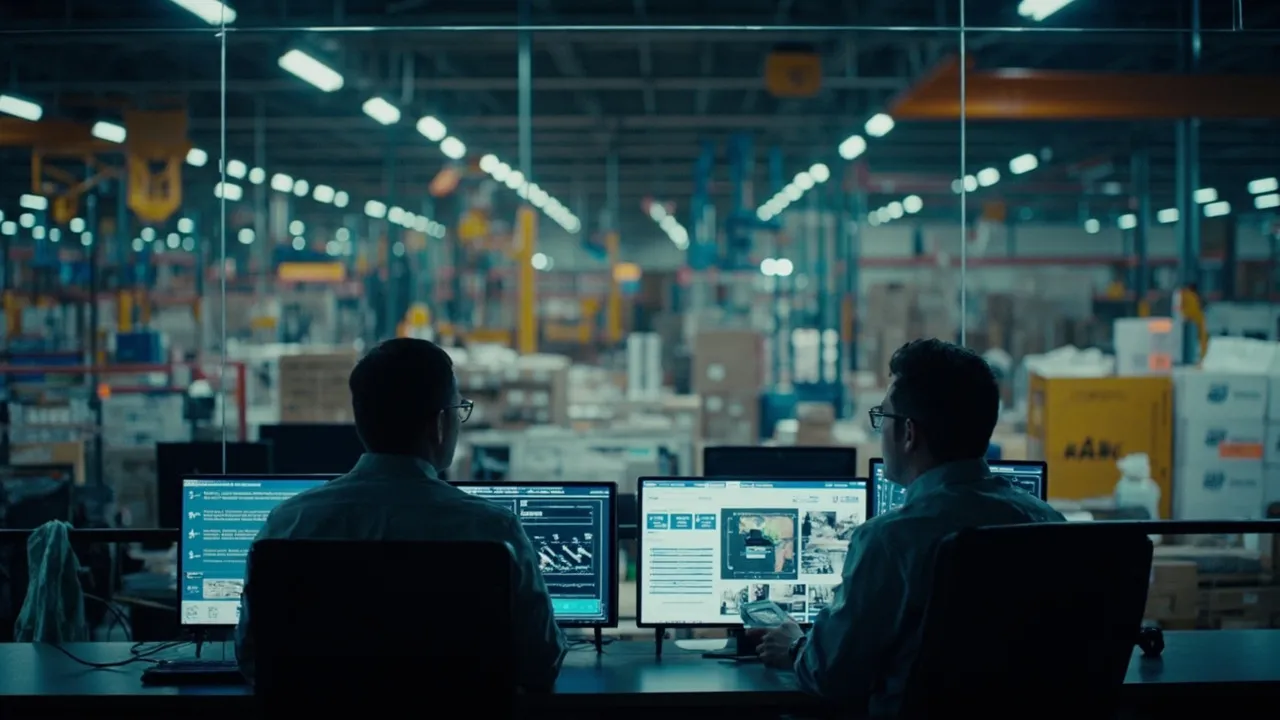
The important part is not the software vendor. It is the planning philosophy. AstraZeneca's Mark Trainor described the new model as one that gives planners visibility into capacity, materials available to manufacture product, customer needs, and expected service levels. That is the difference between planning with a map and planning with fog lights.
Why inventory buffers get overused
Inventory buffers usually begin as a rational response to uncertainty. Demand changes. Supplier schedules slip. Manufacturing capacity gets consumed by urgent orders. Quality holds interrupt availability. Transportation lead times stretch. Customer promises remain fixed while upstream signals arrive late or incomplete. When a planner cannot see which constraint will break first, extra inventory becomes the default insurance policy.
The problem is that buffer inventory is blunt. It may protect one customer commitment while increasing carrying cost across the network. It may reduce one production interruption while masking a supplier reliability issue. It may help a distribution center look healthy while creating obsolete stock, short-dated inventory, or working capital strain elsewhere. In regulated or temperature-sensitive supply chains, the cost is even higher because inventory may require validated storage, lot traceability, specialized handling, compliance documentation, and strict expiration management.
Constraint-based planning attacks the root cause: uncertainty about what the network can actually do.
Instead of asking planners to guess whether enough inventory exists somewhere, the model forces the organization to look at capacity, material availability, demand priorities, service commitments, and production feasibility together. If a plant has capacity but a key material is constrained, the plan should show that. If inventory exists but cannot meet the customer promise because of release timing or transport lead time, the plan should show that too.
Visibility changes planner behavior
AstraZeneca's case shows how behavior changes when constraints become visible earlier. Supply Chain Brain noted that improved visibility into capacity and material constraints allows planners to create plans that reflect real-world limitations. That shift reduces reliance on excess inventory because teams can see where constraints exist, how they affect production and service, and where intervention will have the greatest impact.
Traditional planning often pushes problems downstream. A production plan assumes materials will arrive. A sales promise assumes production will happen. A transportation plan assumes inventory will be released. Each team optimizes its own slice, then discovers the conflict late. By that point, the choices are ugly: expedite freight, split shipments, pay premium capacity, disappoint a customer, or consume inventory intended for another lane.
Constraint visibility pulls those conflicts forward. Planners can ask better questions earlier: which product families are capacity-constrained, which materials are limiting output, which customer orders are service-critical, which locations are building inventory for the wrong reason, and which transport plans depend on assumptions that may not hold.
This is where the inventory story becomes a transportation story. Freight teams are often judged on execution speed, cost, and reliability, but the quality of transportation execution depends heavily on upstream planning quality. A carrier cannot undo a bad promise date. A TMS cannot create inventory that has not cleared quality release.
Exception-based planning is the productivity gain
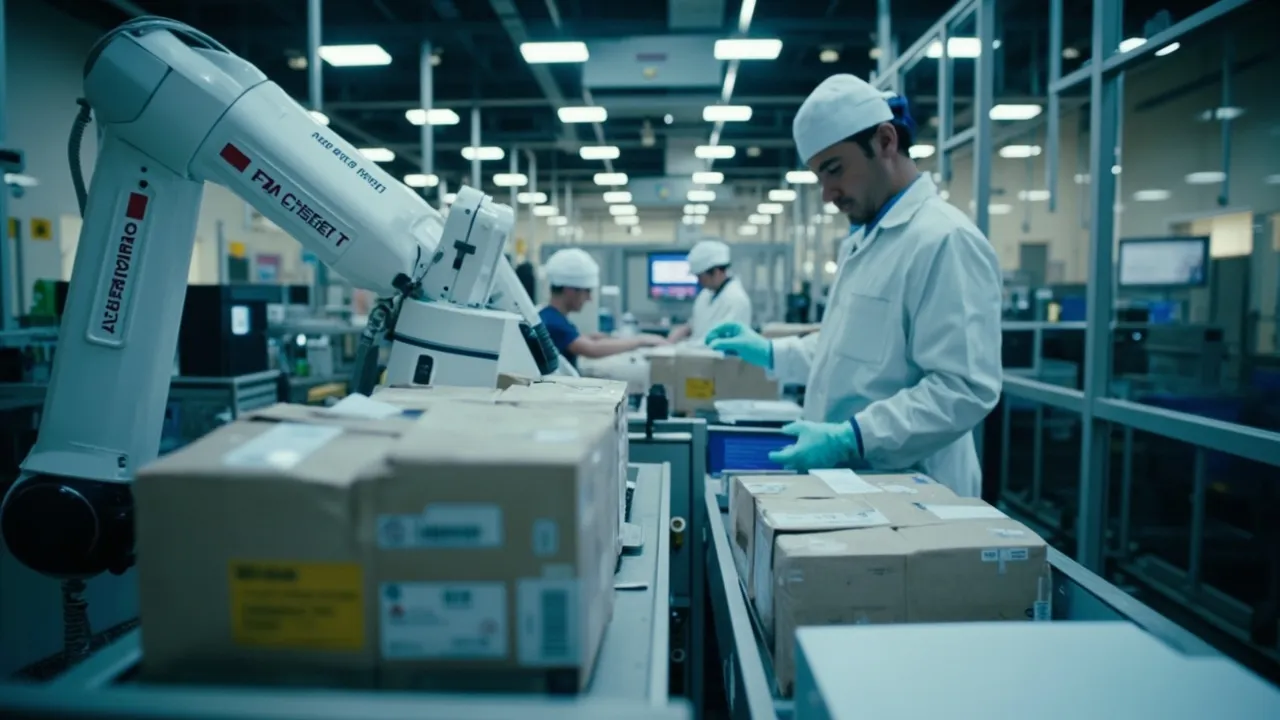
The second lesson from AstraZeneca is the move toward exception-based work. Supply Chain Brain reported that routine planning decisions are now automated so planners can focus on exceptions and decisions that directly affect service, cost, and risk. The company is also extending the model with AI-enabled decision support through OMP's UnisonIQ pilot program, including AI agents and planner-support initiatives.
That matters because constraint-based planning is not about burying planners in more dashboards. It should reduce the noise. Routine decisions can be automated or recommended when the constraints are clear and the tradeoffs are low. Human planners should spend time where judgment matters: service risk, scarce capacity, constrained materials, customer prioritization, cost exposure, regulatory obligations, and recovery choices when reality breaks the plan.
Logistics leaders should care because exception-based planning is only useful if exceptions flow into execution. A production constraint should not live in one planning tool while transportation planners continue tendering as if nothing changed. A supplier delay should not trigger five emails and three spreadsheets before someone updates the freight plan. A service-critical customer order should be visible in the same operational context as carrier capacity, lane performance, inventory position, and delivery promise.
Risk is constant, so planning must be connected
The case for connected planning gets stronger when risk is constant. Logistics Management reported that global supply chain disruptions cost businesses an estimated $184 billion annually, and that 65% of companies face at least one bottleneck in their supply chain at any given time, citing Marsh research. In that environment, buffer inventory alone is a weak strategy. It can absorb some shocks, but it cannot tell a team which constraint matters now, which exception deserves escalation, or which freight decision protects the highest-value service commitment. Resilience increasingly depends on sensing constraints early and translating them into action across planning, inventory, procurement, and transportation.
For manufacturers, distributors, and freight forwarders, the playbook is clear. Map the constraints that most often disrupt service: production capacity, supplier reliability, material availability, quality release, warehouse throughput, mode availability, carrier performance, customs documentation, and customer delivery windows. Then connect those signals to execution workflows instead of trapping them in planning meetings. Finally, measure whether planners are carrying inventory because it is strategically useful or because the network still cannot see what is happening soon enough.
Where CXTMS fits
Transportation management gets stronger when it is fed by reality. CXTMS helps logistics teams connect shipment execution with supplier status, inventory position, customer commitments, carrier performance, and exception workflows. Freight decisions are rarely isolated. They are the downstream expression of capacity, material, service, and risk choices made earlier in the supply chain.
Constraint-based planning will not eliminate inventory buffers entirely. Some buffers are necessary, especially in regulated, volatile, or service-critical networks. But the best companies will carry inventory deliberately, not defensively. They will know which constraints are driving stock, which exceptions require human judgment, and which transportation decisions need to change before service is at risk.
If your logistics team is still learning about constraints after shipments are already late, the system is not planning. It is reacting. Schedule a CXTMS demo to see how connected transportation workflows can turn planning constraints into earlier, better freight execution decisions.