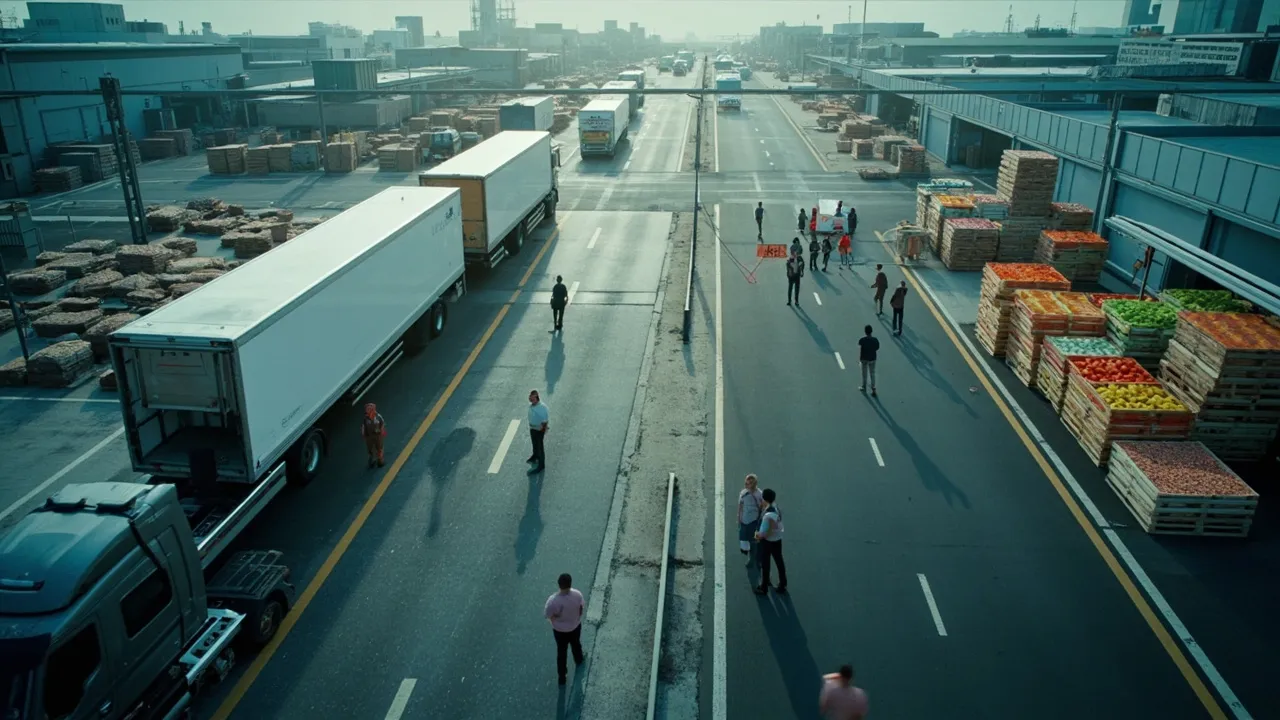
AutoZone’s Mega-Hub Strategy Turns Store Replenishment Into a Network Design Problem

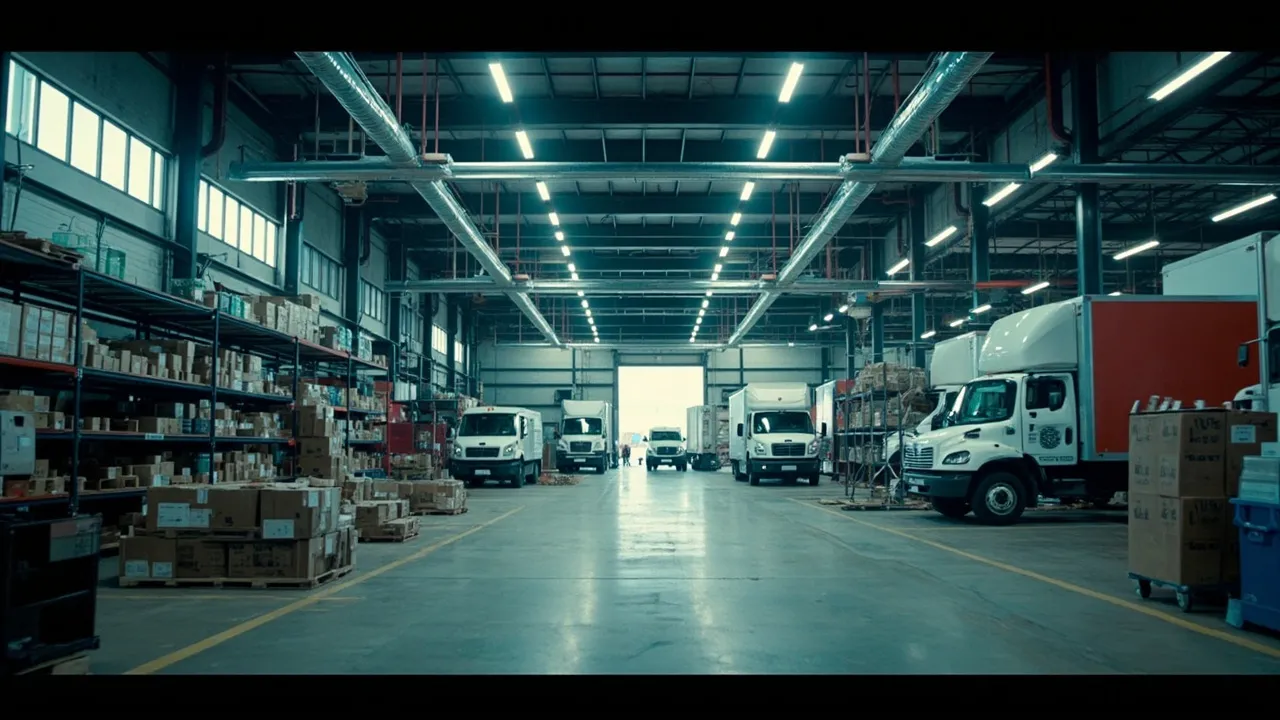
Store replenishment used to sound like a stockroom problem: keep enough product close to demand, reorder before shelves go empty, and measure the result in fill rate. That view is now too small. AutoZone’s mega-hub strategy shows that replenishment has become a network design problem, where inventory depth, transportation cadence, SKU availability, and service promises all have to be modeled together.
The latest signal is hard to ignore. According to Supply Chain Dive, AutoZone’s supply chain strategy helped support an 8.4% year-over-year sales increase in its most recent quarter, the company’s largest reported increase since Q2 fiscal 2023. The retailer is also investing nearly $1.6 billion in capital expenditures this year, with most of that spend allocated to hubs and “mega hubs.”
That is not a small facilities refresh. It is a bet that parts availability is a service-level weapon.
Mega hubs change the shape of availability
Auto parts retail has a brutal SKU problem. A customer does not simply need “brake pads” or “a sensor.” They need the right part for the right vehicle, often quickly, and often with limited tolerance for substitution. Too little inventory means lost sales. Too much inventory in the wrong location turns working capital into shelf decoration.
Mega hubs attack that problem by combining store functionality with expanded distribution capability. Supply Chain Dive reports that AutoZone opened 14 mega hubs in the quarter and planned another 15 in Q4. The company operates 156 mega hubs today, is targeting nearly 300 in the near term, and expects to open at least 40 more in fiscal 2027. These locations typically carry more than 100,000 SKUs, giving nearby stores a deeper bench of parts than any single small-format location could economically hold.
The important point is not just SKU count. It is reach.
A mega hub can serve walk-in customers while also acting as a replenishment and availability node for other stores. That shifts the replenishment question from “how much should each store carry?” to “which demand should each node cover, at what service speed, and by which route?” Once that happens, transportation becomes part of the inventory strategy instead of a downstream cost center.
Regional DCs are not enough by themselves
Traditional distribution centers still matter. They receive inbound freight, store product, perform picking and packing, and feed retail or customer-facing locations. Inbound Logistics describes distribution centers as strategically placed facilities that help lower shipping cost, improve inventory control, and fulfill orders through receiving, storage, and outbound shipping workflows.
But regional DC logic is often designed around larger replenishment cycles. It is excellent for moving volume efficiently. It is less effective when the promise depends on having obscure, high-value, or low-velocity parts within practical reach of local demand.
Mega hubs fill that middle layer. They are not replacing the DC; they are adding a more responsive tier between the DC and the store. For parts, industrial supply, aftermarket maintenance, and field-service networks, that middle tier can be the difference between “available this week” and “available today.”
This is where many shippers get into trouble. They evaluate facilities by storage cost, leases, labor, or inbound freight rates, then treat replenishment transportation as an afterthought. That misses the system effect. If a hub reduces stockouts but creates more urgent transfers, the transportation plan has to be designed up front. If a hub improves service but forces stores into chaotic emergency orders, the replenishment triggers are wrong. If a hub improves SKU breadth but creates inconsistent cutoffs, the service promise is still fragile.
Adaptability beats static optimization
The broader logistics lesson is that efficient networks are no longer only lean networks. They are adaptable networks. Inbound Logistics’ recent coverage of fulfillment resiliency argues that companies need usable options: the ability to shift inventory, reroute orders, flex capacity, adjust transportation modes, and make decisions with current data. It also warns that rigidity creates hidden costs in expedited shipping, split shipments, stockouts, overtime, markdowns, and customer service escalations.
That framework fits the mega-hub model neatly. The hub is valuable because it creates options. A store can sell from its own shelf, source from a nearby mega hub, trigger a scheduled transfer, or escalate a time-sensitive order through a faster route. But optionality only helps if the system knows when to use each option.
That requires three disciplines.
First, lane modeling has to happen at the SKU-service level. A replenishment lane that works for weekly bulk movement may not work for high-urgency parts transfers. Retailers and aftermarket shippers should know which stores each hub can support inside same-day, next-day, and standard replenishment windows.
Second, inventory placement has to include transportation frequency. More SKUs in a hub do not automatically improve service if transfer routes are infrequent or poorly timed. In a high-service network, route calendars, cutoff times, and dispatch capacity are part of the availability calculation.
Third, replenishment triggers need to account for demand volatility. A simple min-max rule may keep shelves full in normal weeks, but it can fail when weather, promotions, repair cycles, fleet maintenance, or local events change demand. The better approach is to connect inventory signals with order velocity, service commitments, and route capacity.
What CXTMS users should take from this
The AutoZone case is not just a retail story. It is a playbook for any shipper managing distributed demand with high SKU complexity: automotive parts, industrial MRO, construction supplies, medical equipment, field-service spares, and specialized electronics.
The practical move is to stop separating replenishment planning from transportation execution. Model them together.
In CXTMS, that means building a network view that connects lanes, carriers, service windows, transfer frequency, and exception rules. A planner should be able to see which hub can serve which destination, what cutoff applies, which route is available, and what service promise is realistic before the order becomes an emergency. A transportation manager should see when a lane is quietly becoming a replenishment constraint. A customer-service team should know whether “available” means on shelf, at a hub, in transit, or waiting for the next scheduled transfer.
That clarity matters because the wrong replenishment signal compounds quickly. One missing part can create a lost sale. One late transfer can force an expedited shipment. One poorly placed SKU can trigger repeated exceptions across stores. Multiply that across thousands of SKUs and hundreds of locations, and replenishment becomes less like inventory management and more like air traffic control.
AutoZone’s mega-hub expansion makes the direction obvious: the winners will not simply hold more inventory. They will place inventory where it creates service options, then operate the transportation network tightly enough to make those options real.
Want to pressure-test your replenishment network before exceptions become expensive? Schedule a CXTMS demo and see how connected transportation planning can turn lanes, service windows, and inventory triggers into one operating model.